
Turning a conversation into a portrait brief
Listen, agree on what matters, and give each photograph a purpose.
Field notes
Notice a relationship, try a variation, or build a small series. Start wherever your curiosity takes you.
New Notice exercise: Read a pose against the frame → · New Try exercise: Give hands a comfortable role in a costume portrait → · New Build exercise: Connect Kamui portraits across two settings →
Follow a few connected ideas, or start wherever your curiosity takes you. These are flexible suggestions; each lesson also works on its own.
Take the opening experiment with you → · Try the closing experiment →
Take the return-visit experiment with you → · Try the contact-sheet experiment →
267 learning entries
No lessons match yet. Try another word or choose Show all.
Start with the relationships you can see.
Listen, agree on what matters, and give each photograph a purpose.
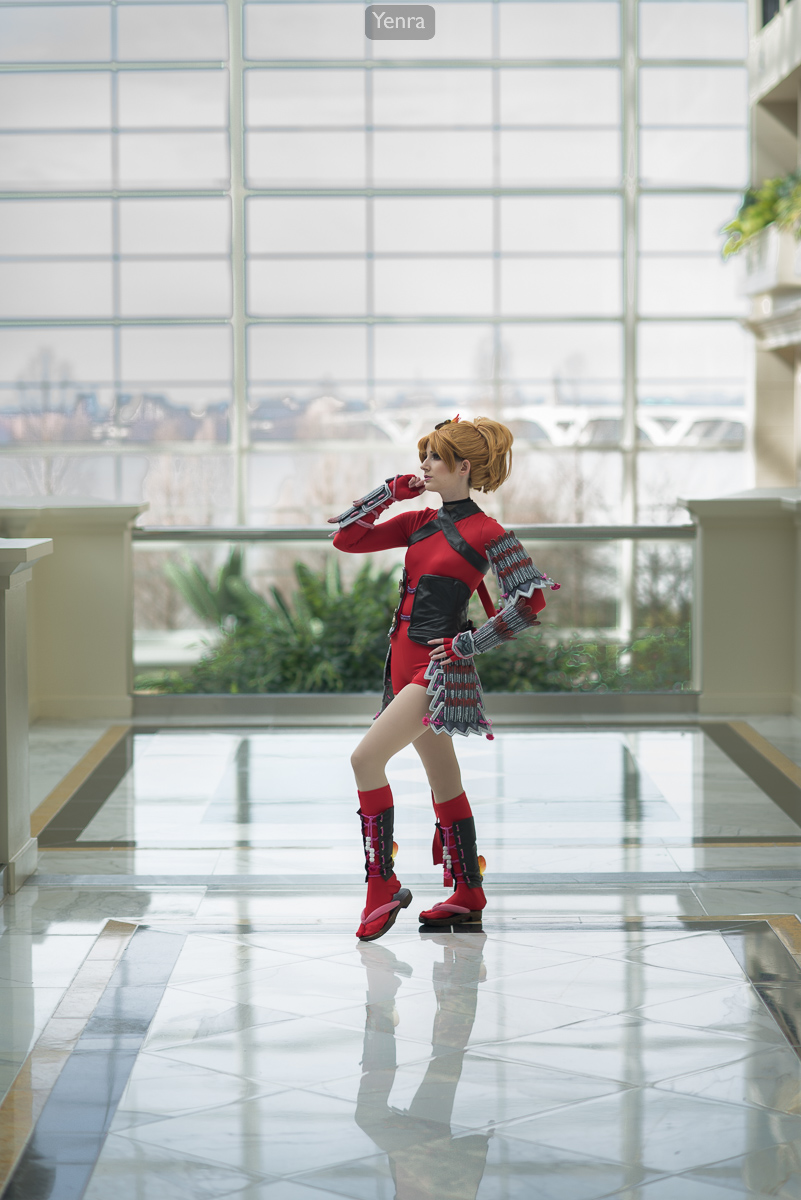
Choose which face or costume details matter when the surroundings are bright.
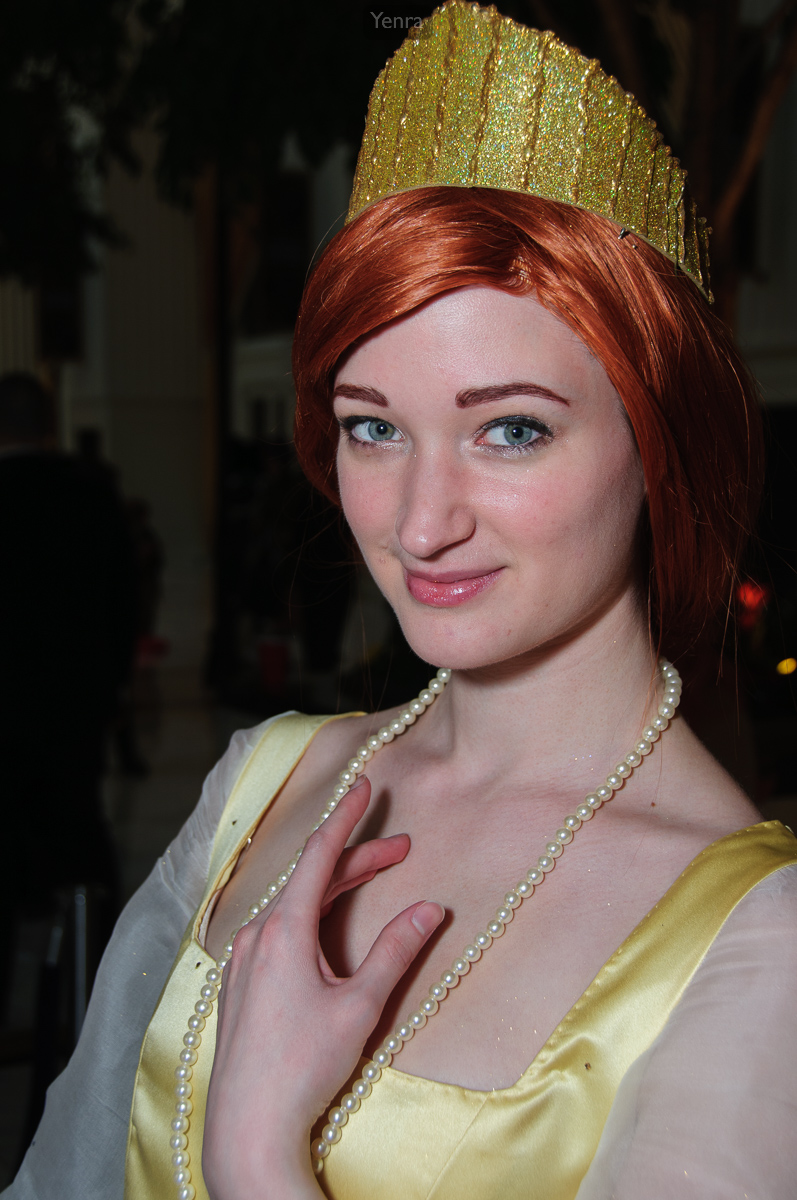
Read the light on a person and the light around them as related portrait choices.

Follow a ribbon as it turns around a longer shape and changes its visible width.
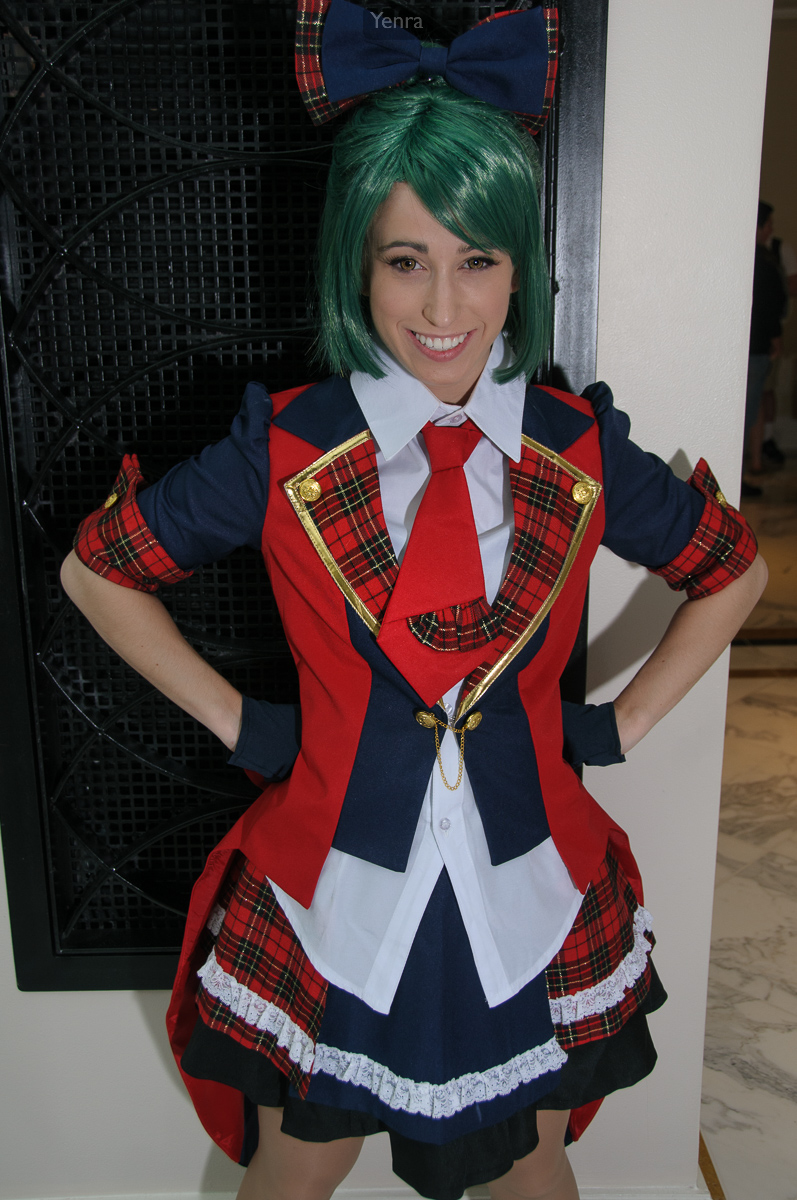
Find a fine curved line among larger blocks of color and pattern.
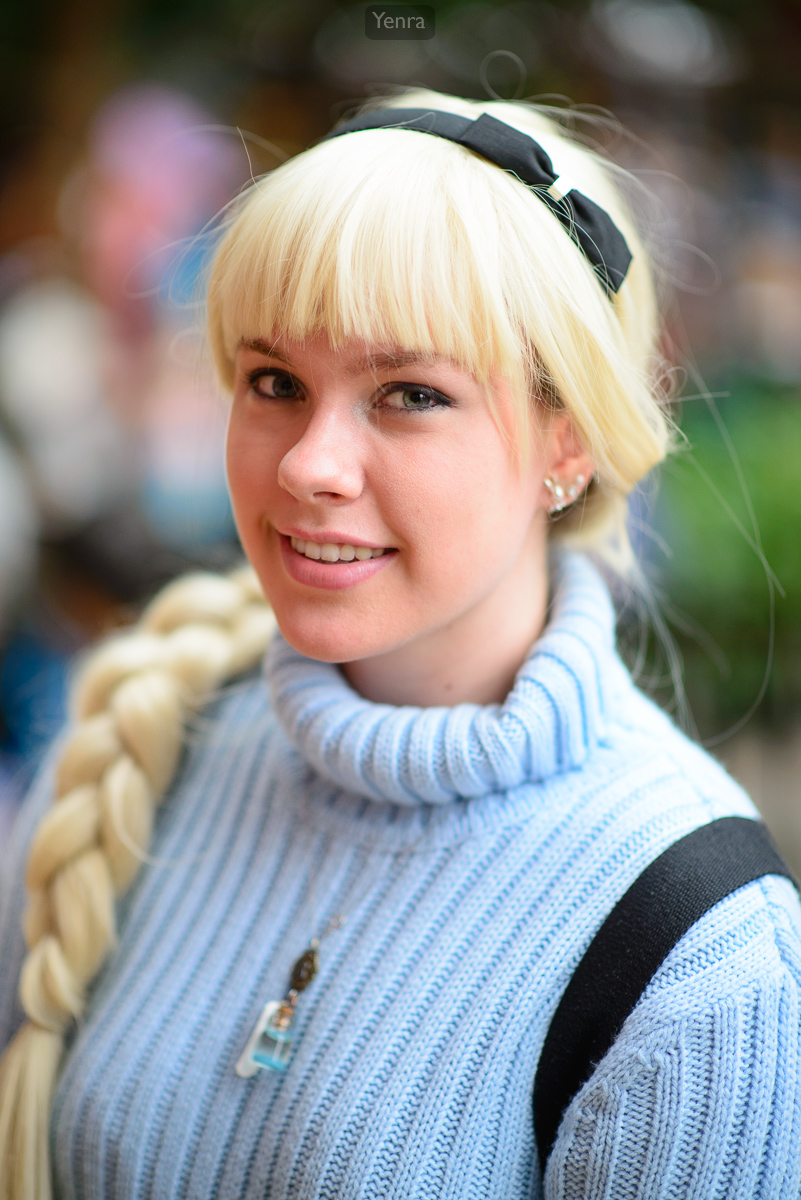
Follow the raised lines of a pale-blue top through its body, rolled collar and shoulder.

Follow a small tie from a close portrait into the complete outfit, then compare a different tie shape.

Follow a small fastening through three portraits, comparing its line, contrast and place within the whole outfit.

Follow teeth, horns and small points through three dragon-head details, noticing what repeats and what changes.

Look for little pictures within a garment, then see how folds and framing change what you can discover.
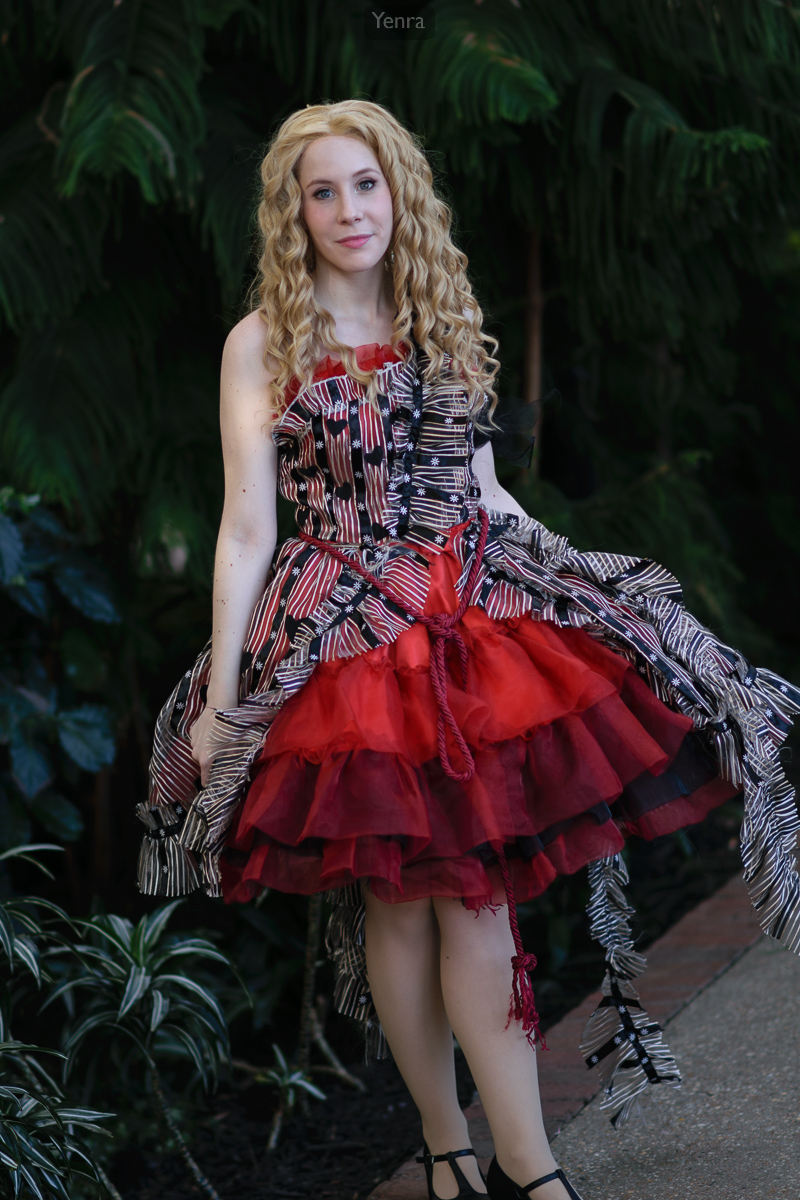
Explore how stripes, small motifs and broad areas of color share one costume.
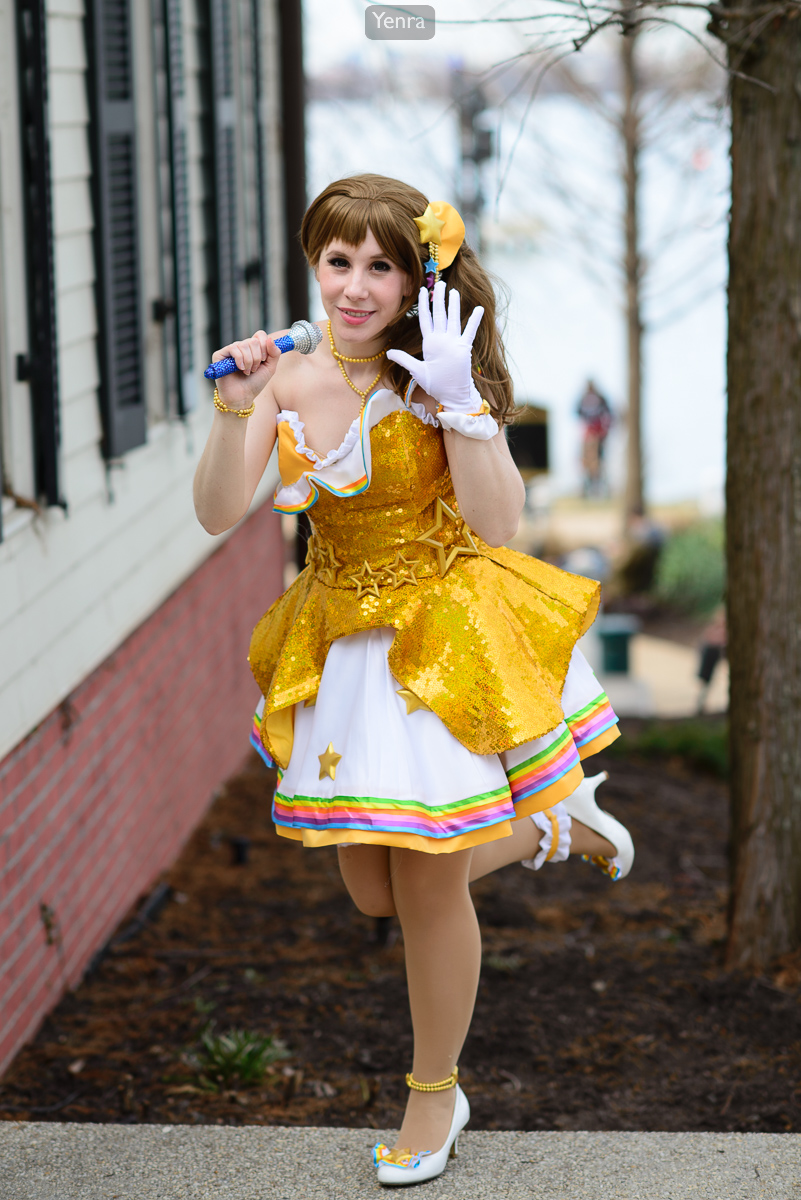
Move from a gold costume to its small reflective discs and the larger shapes around them.

Follow a repeated snowflake motif from the whole costume to a closer detail and its surroundings.
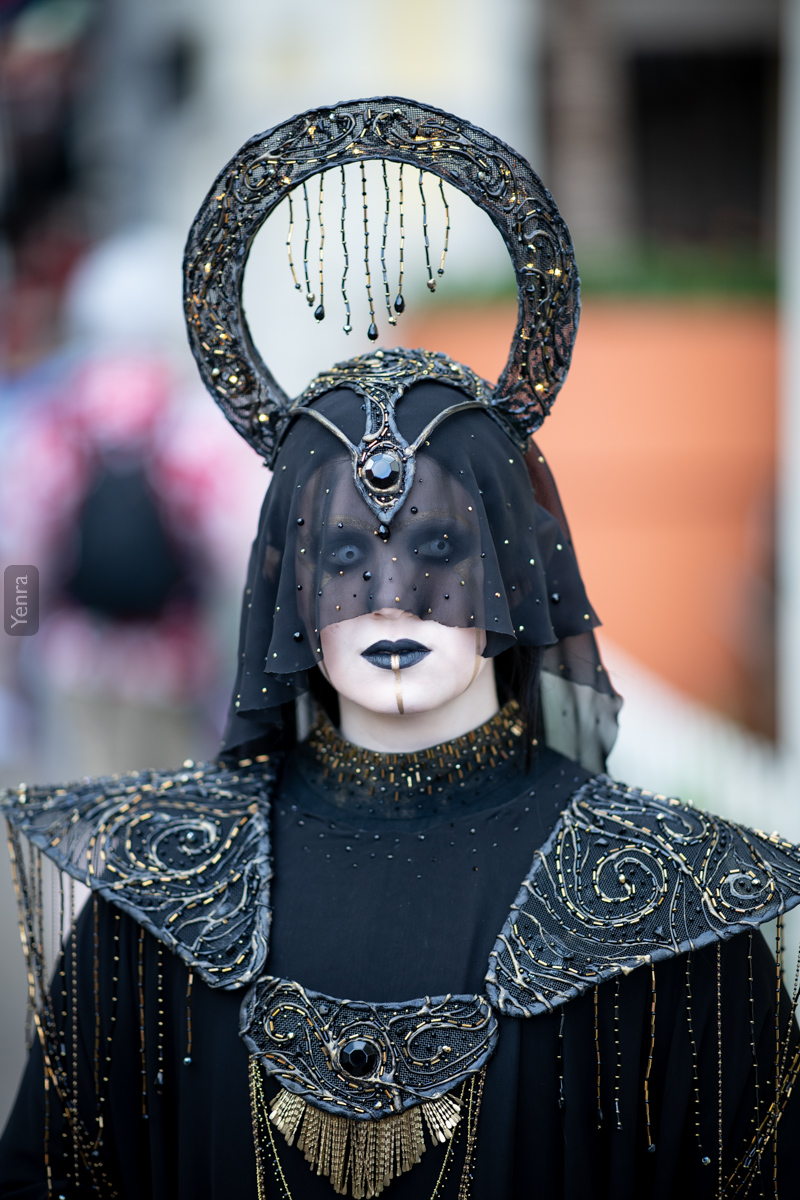
Follow hanging details, their spacing and their different lengths within a portrait.

Follow repeated changes of direction, then see how their size and placement relate to the whole portrait.
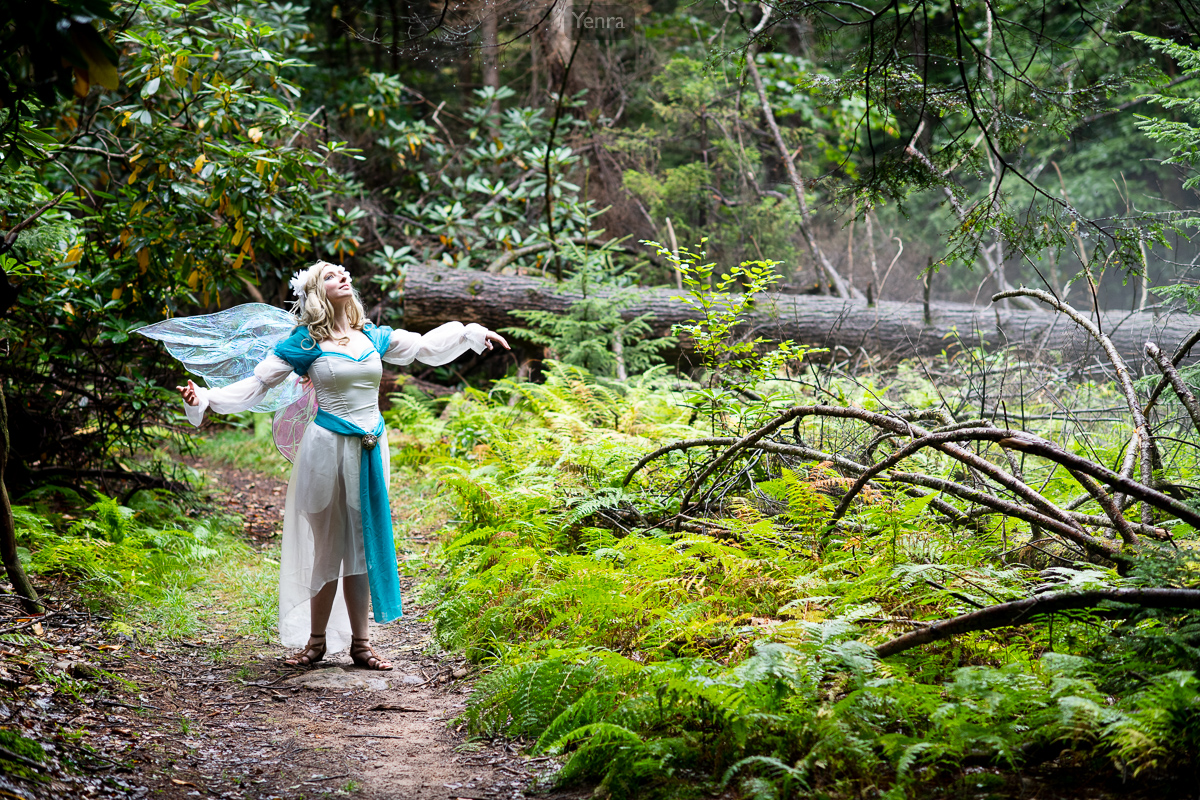
Follow lines as they divide, cross and echo through a setting and a costume.

Follow small rounded decorations as they gather into rows, clusters and draped curves across a costume.

Notice how shell shapes, ridges and clusters contribute to a complete costume portrait.

Follow repeating folds, bright edges and darker spaces within the larger shape of a costume.

Follow repeating scale shapes and notice how a patterned costume belongs in the whole portrait.

Follow bright lines, ripples and splashes, and notice how water becomes part of a portrait.
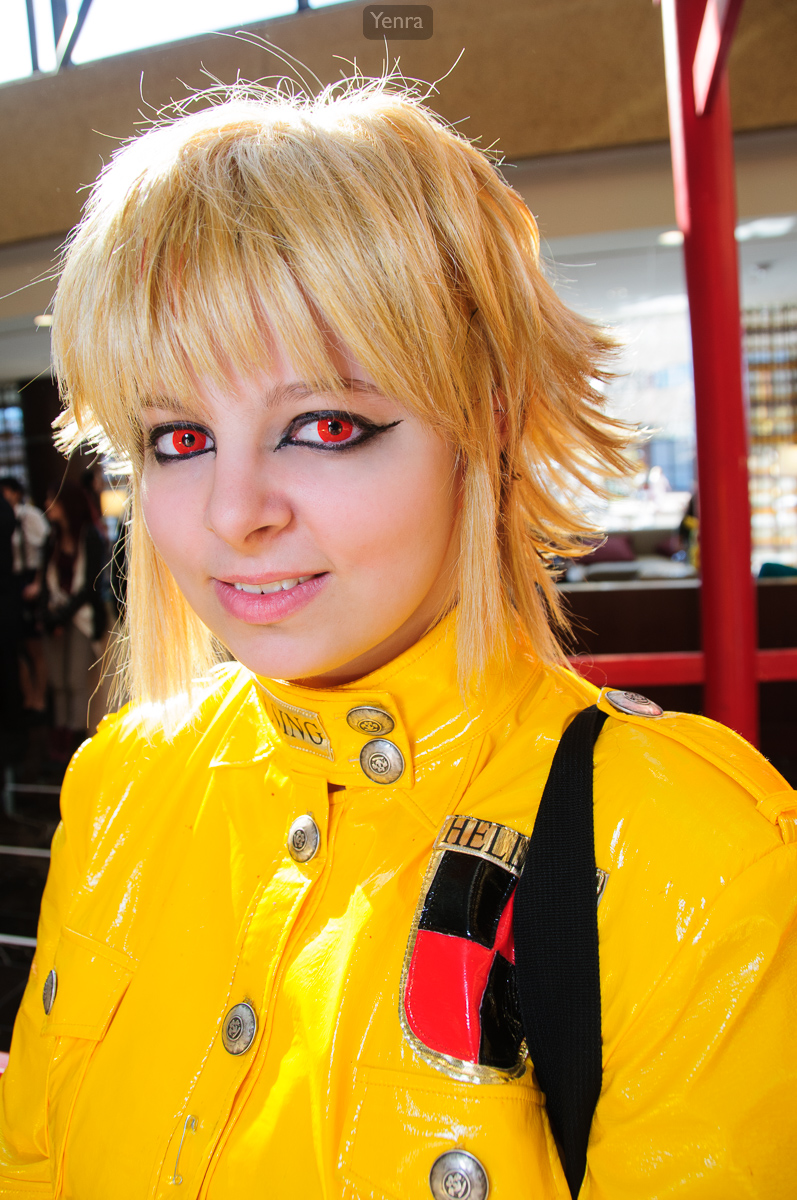
Follow the small shapes of buttons, compare their spacing and brightness, and see how they belong within the whole portrait.
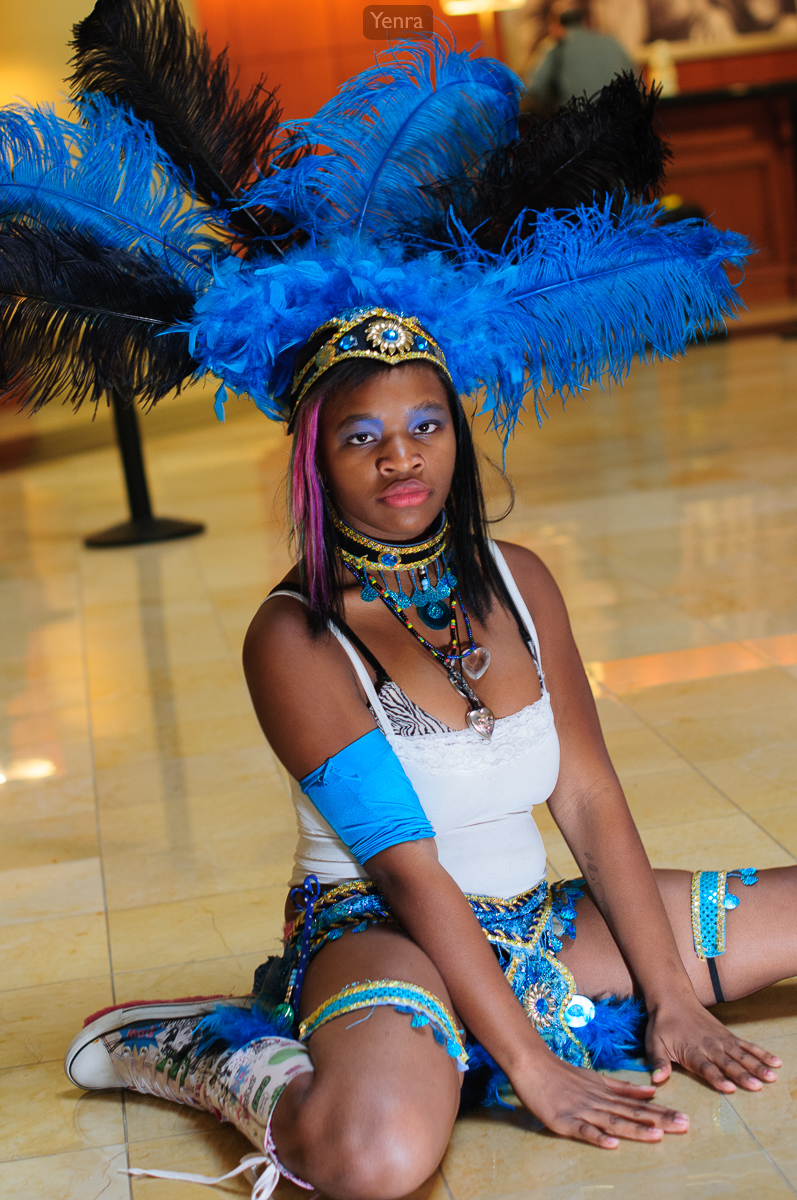
Look from the broad shape of a feathered accessory to its fine edges, then compare how the background helps those details appear.
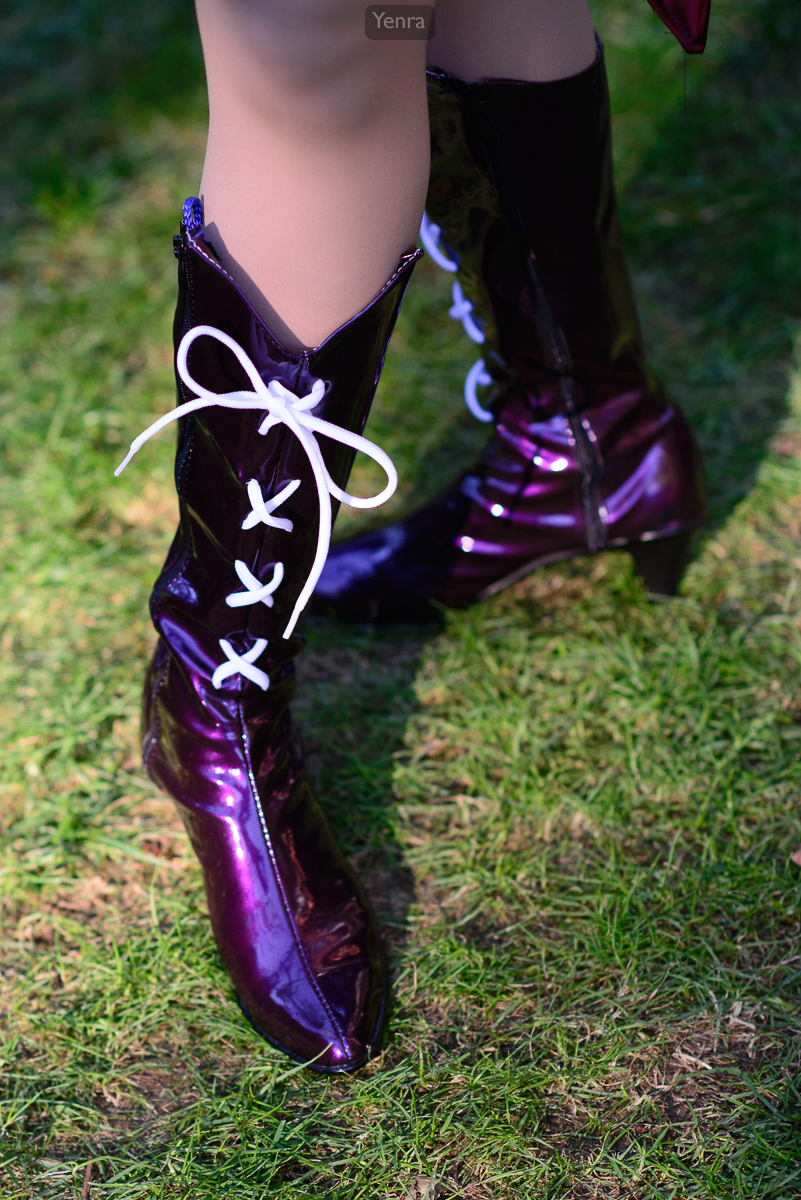
Follow repeated joining details from prominent laces to smaller stitch-like marks, then see how they belong to a larger costume.
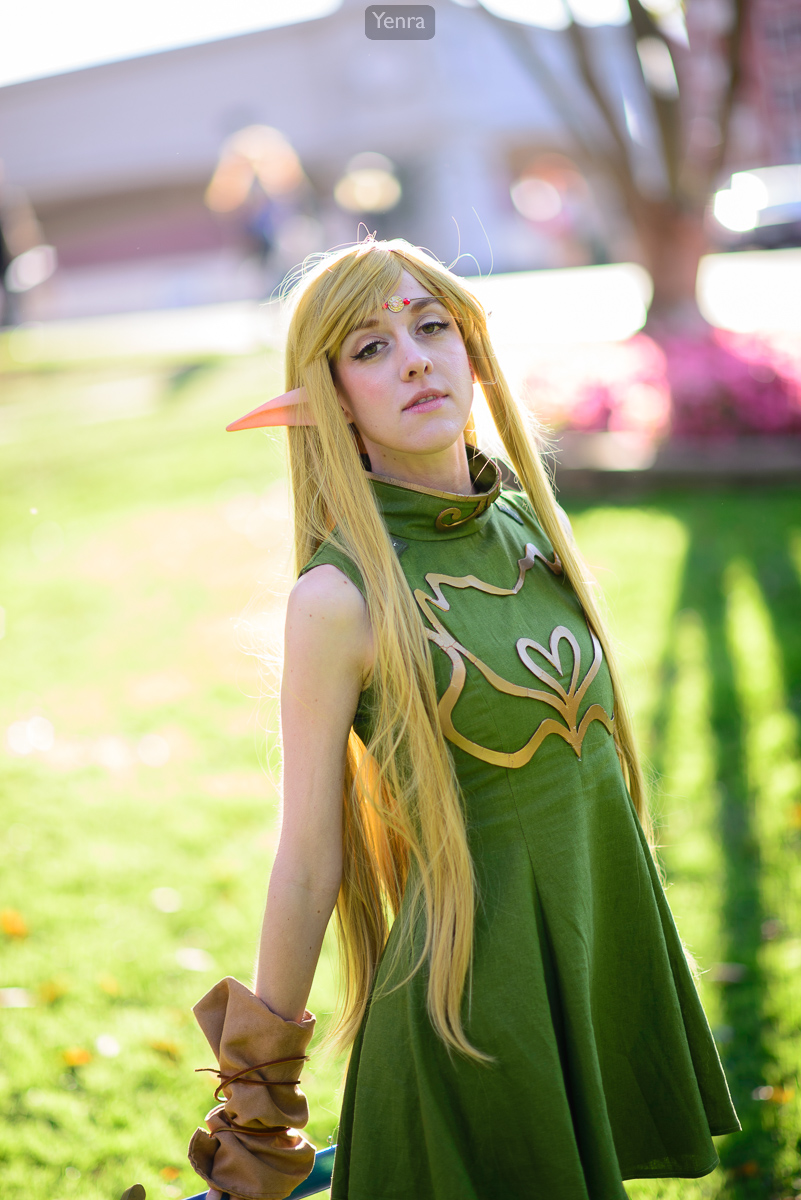
Find a familiar shape in a costume and an everyday object, and notice how visibility, scale and surroundings change the way it reads.
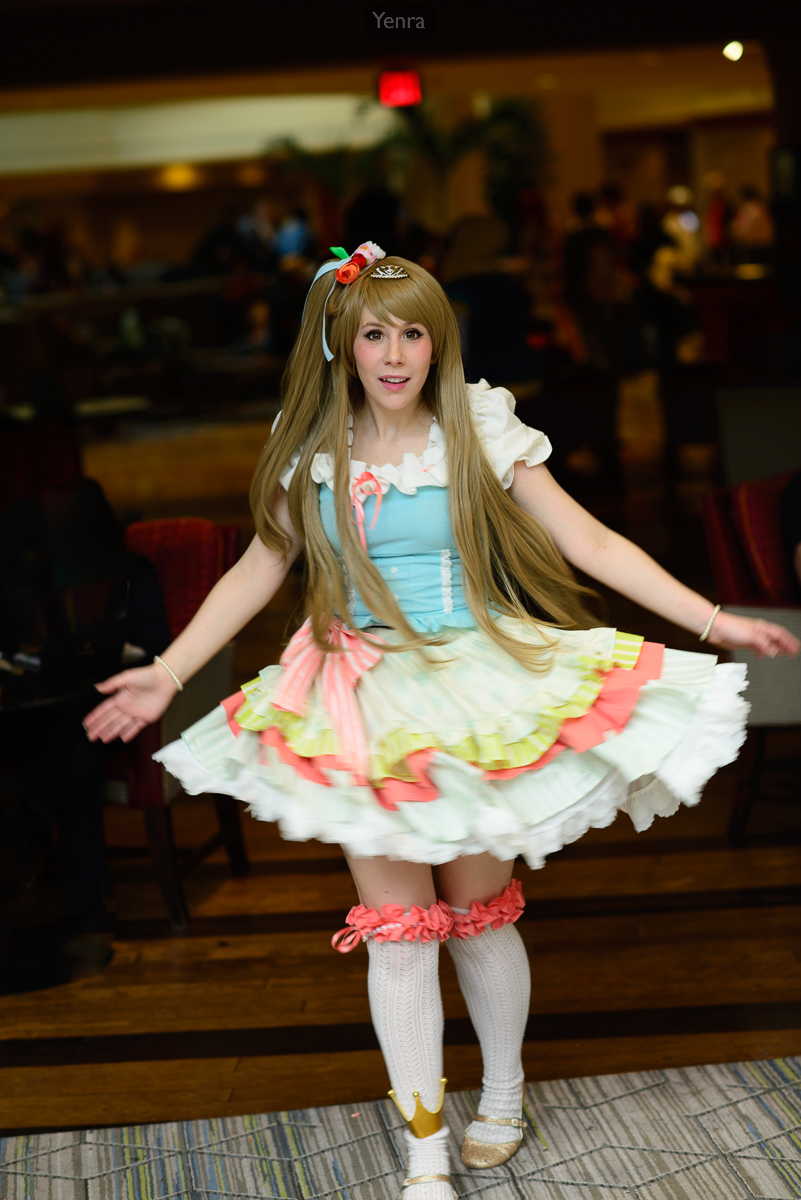
Follow small repeated turns in fabric and see how they shape a skirt, mark a hem and gather attention near a face.

Follow a gradual color change, a separating band and a clear edge to see how adjoining colors shape a picture.
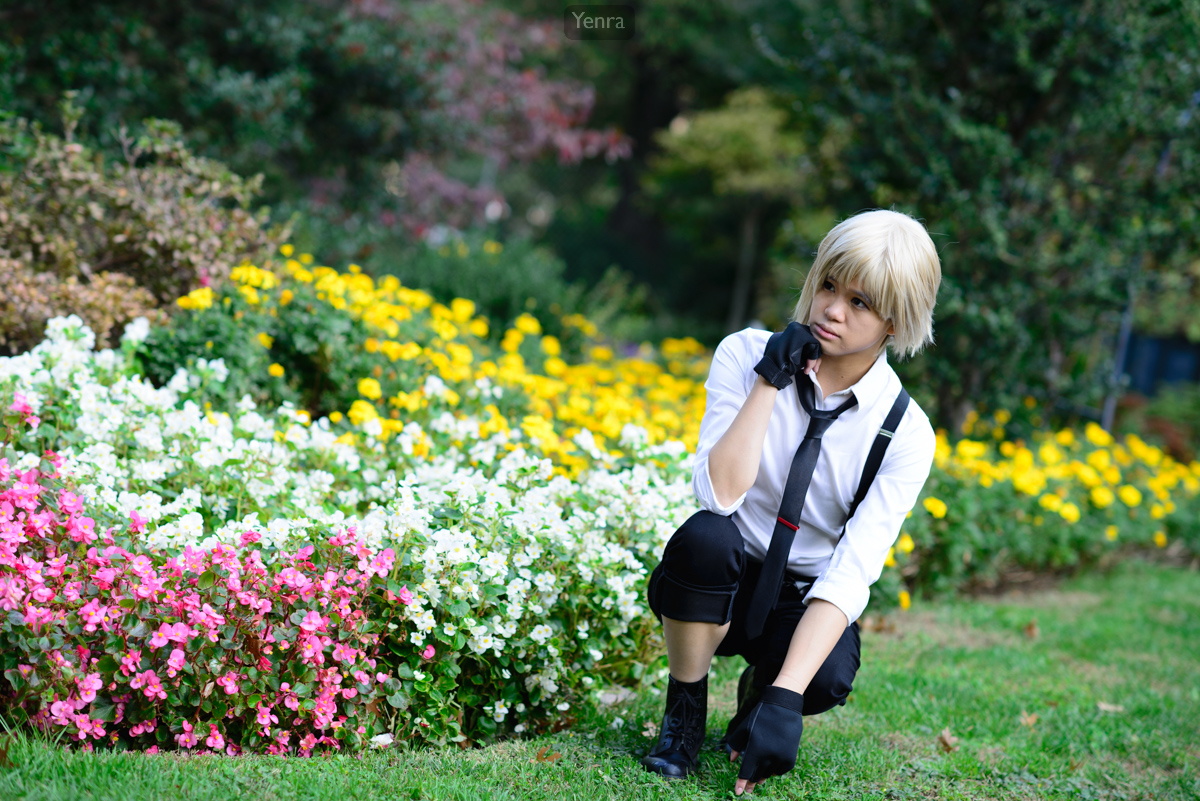
Explore how a face, a pose and the surrounding space share a photograph.
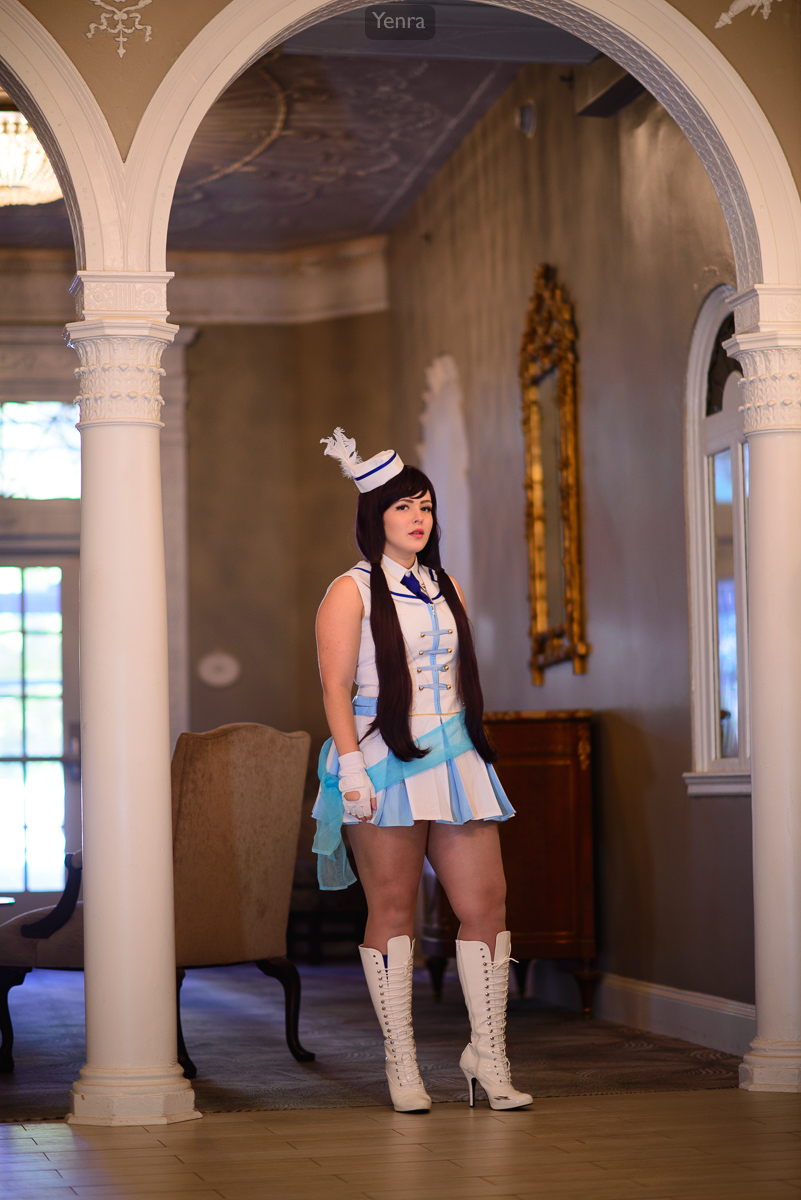
Follow an arch as a frame, a background shape and a repeated rhythm.

Explore a star as an outline, a repeated emblem and a pair of small bright accents.
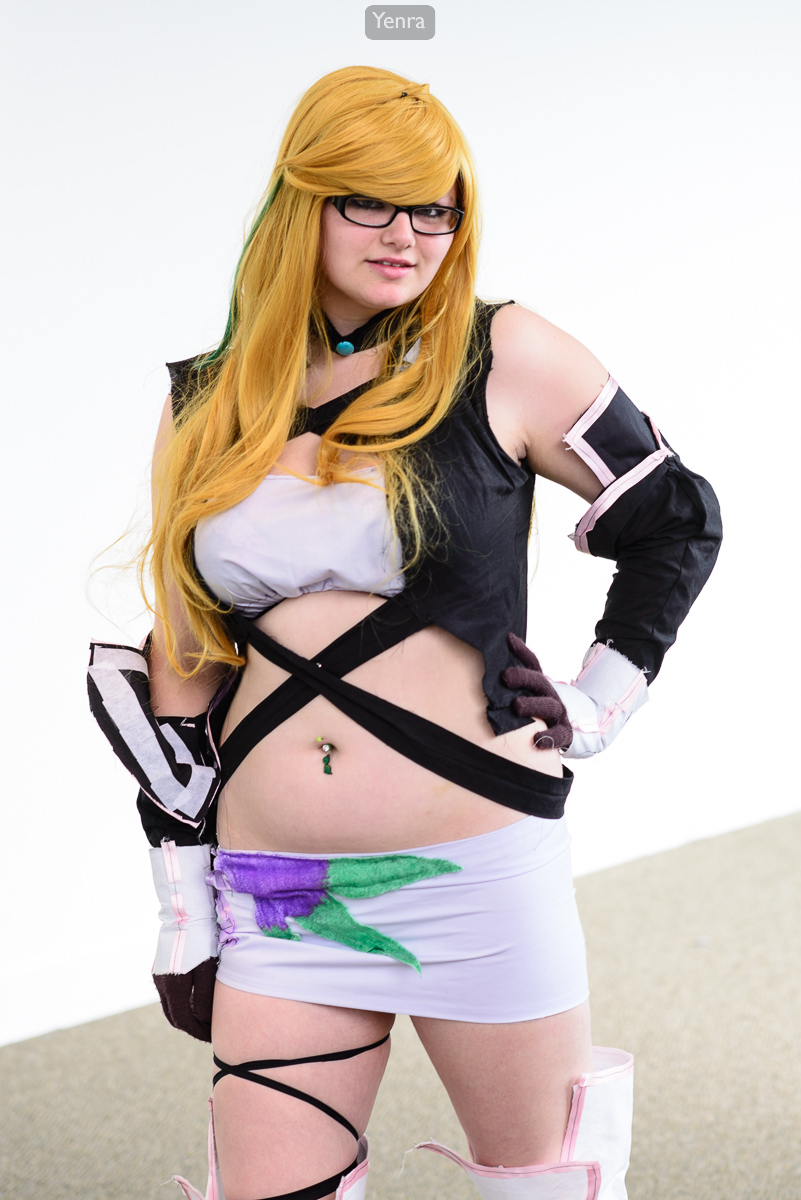
Trace a visible crossing, then compare what changes when two long shapes separate.
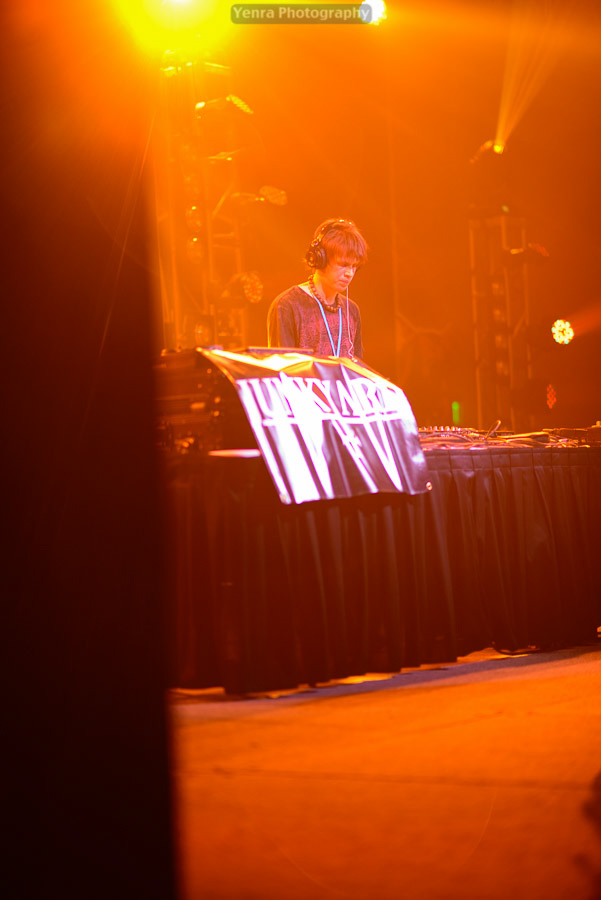
Compare how broad orange, violet and blue color areas give three nearby performance photographs different appearances.

Explore how a familiar numeral contributes shape, contrast and meaning within a photograph.

Explore how areas with many small details sit beside broader, simpler shapes.

Notice how loops, tails and knots bring small shapes into a portrait.
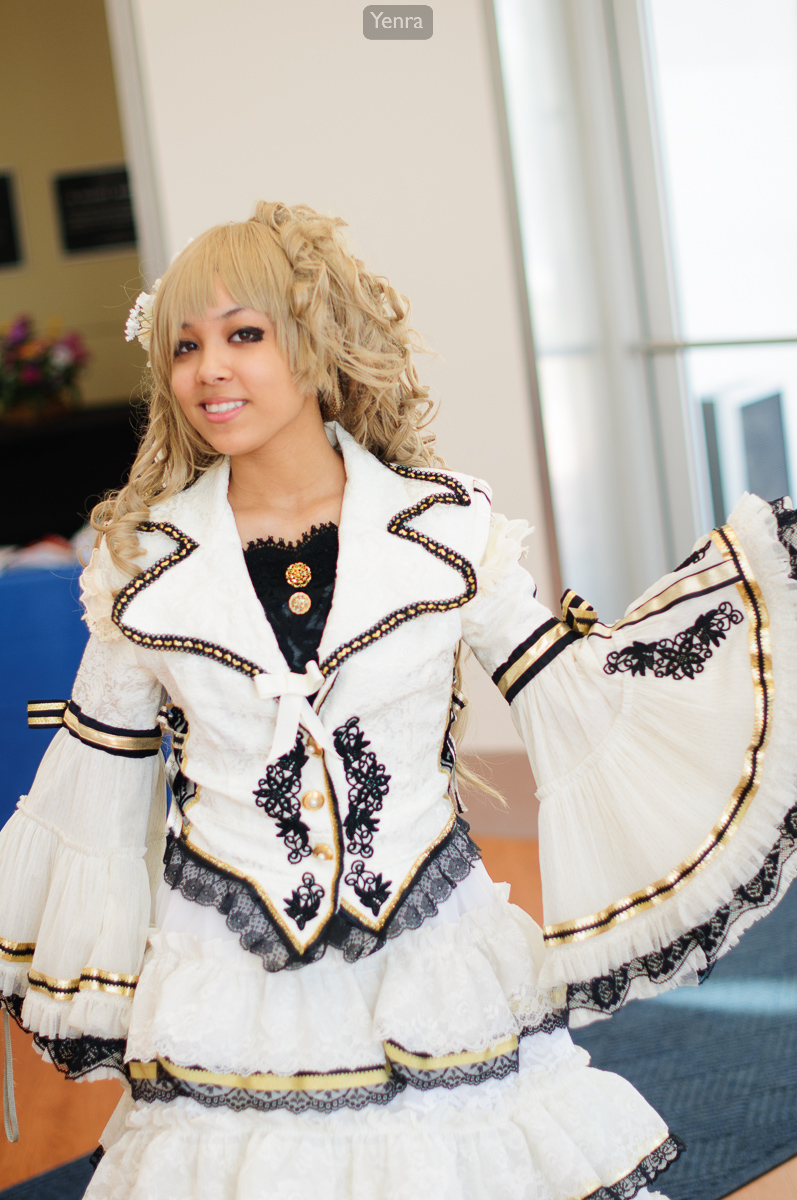
Notice where you look first and what connects the details you discover.

Find a recognizable detail in two places and explore what connects them.

Follow winding bands, curled edges and repeated loops through a photograph.
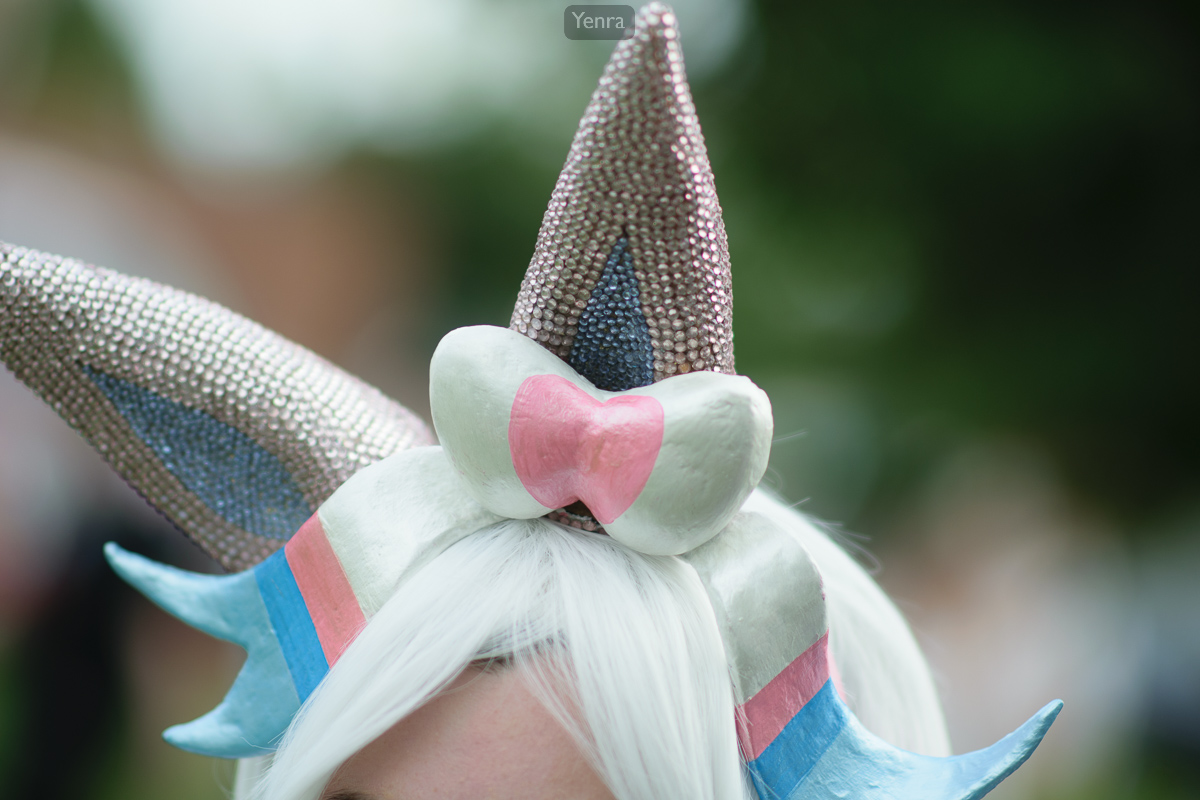
Compare the surface cues of sparkling decoration, soft fibers, glossy gloves and cloth.

Follow the paths, repeated marks and overlaps of bright traces.

Follow the spacing, contrast and rhythm of repeated small marks.
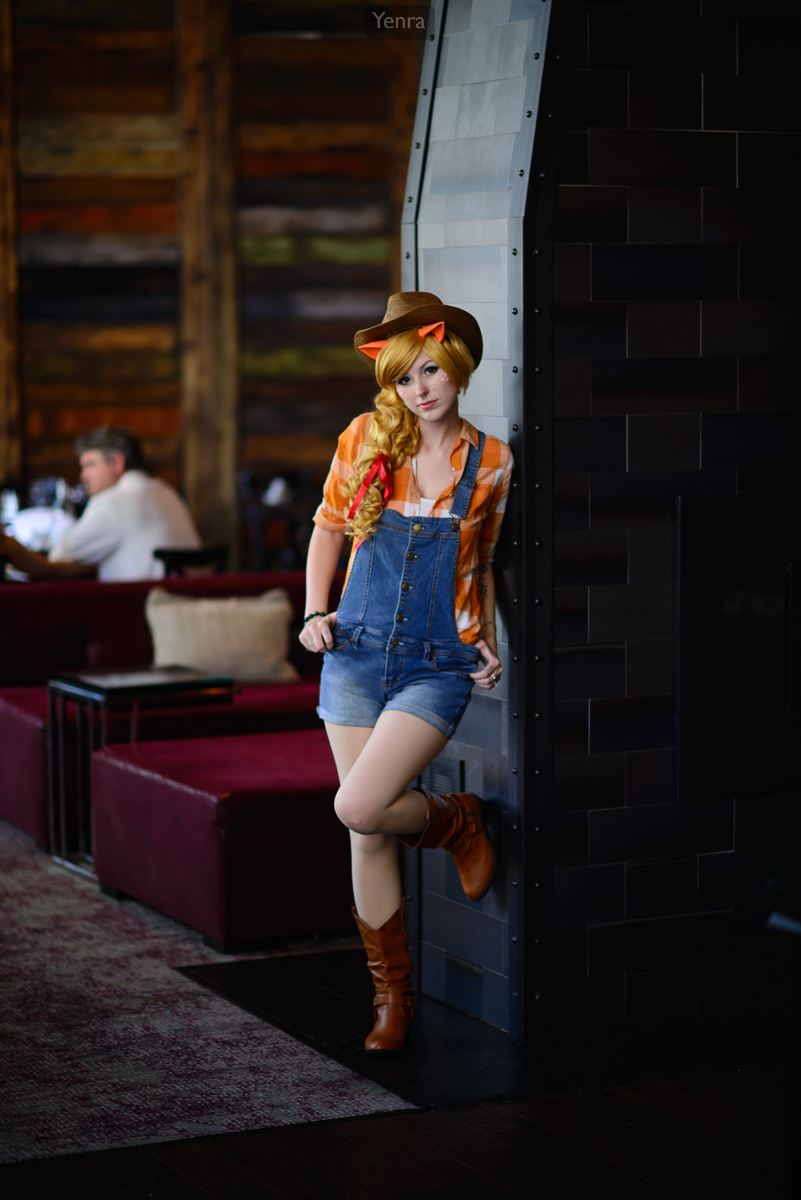
Explore crossing lines in clothing, paving and a busy display.
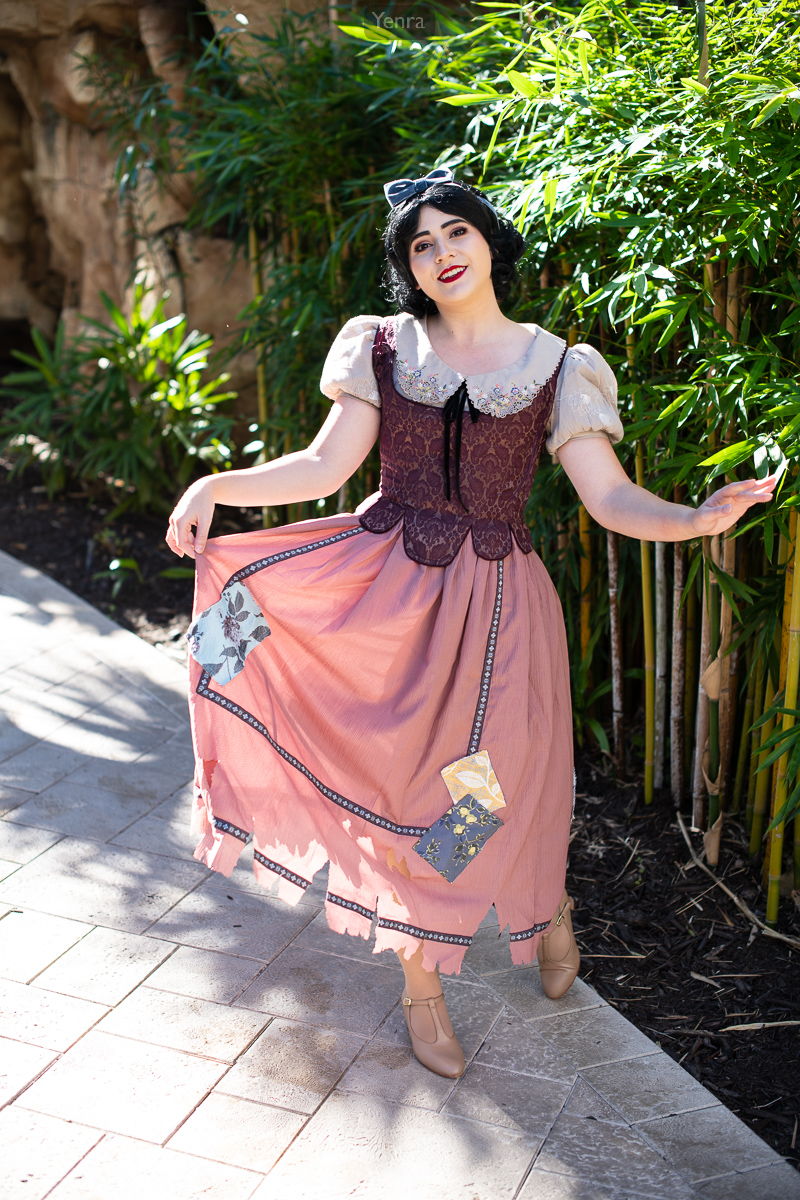
Explore the patterns that patches of light and shade bring to a portrait.
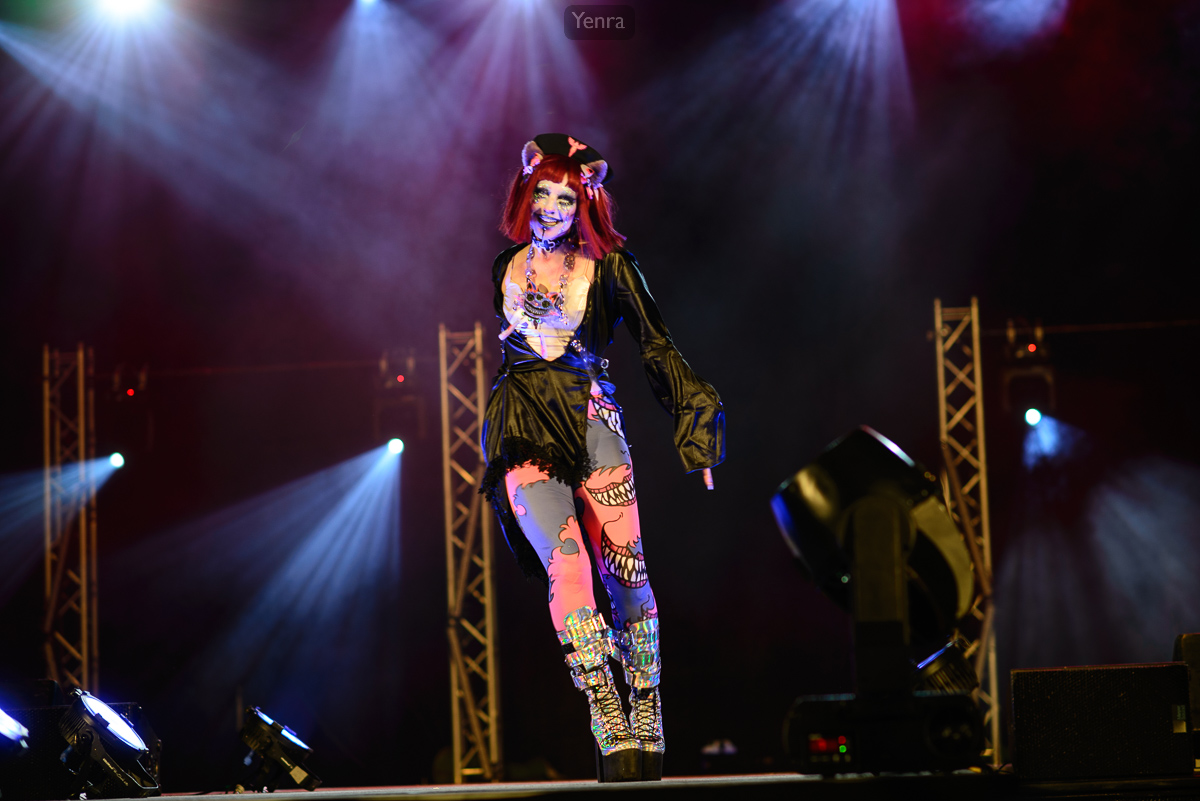
Follow the shapes and directions that visible beams of light bring into a photograph.
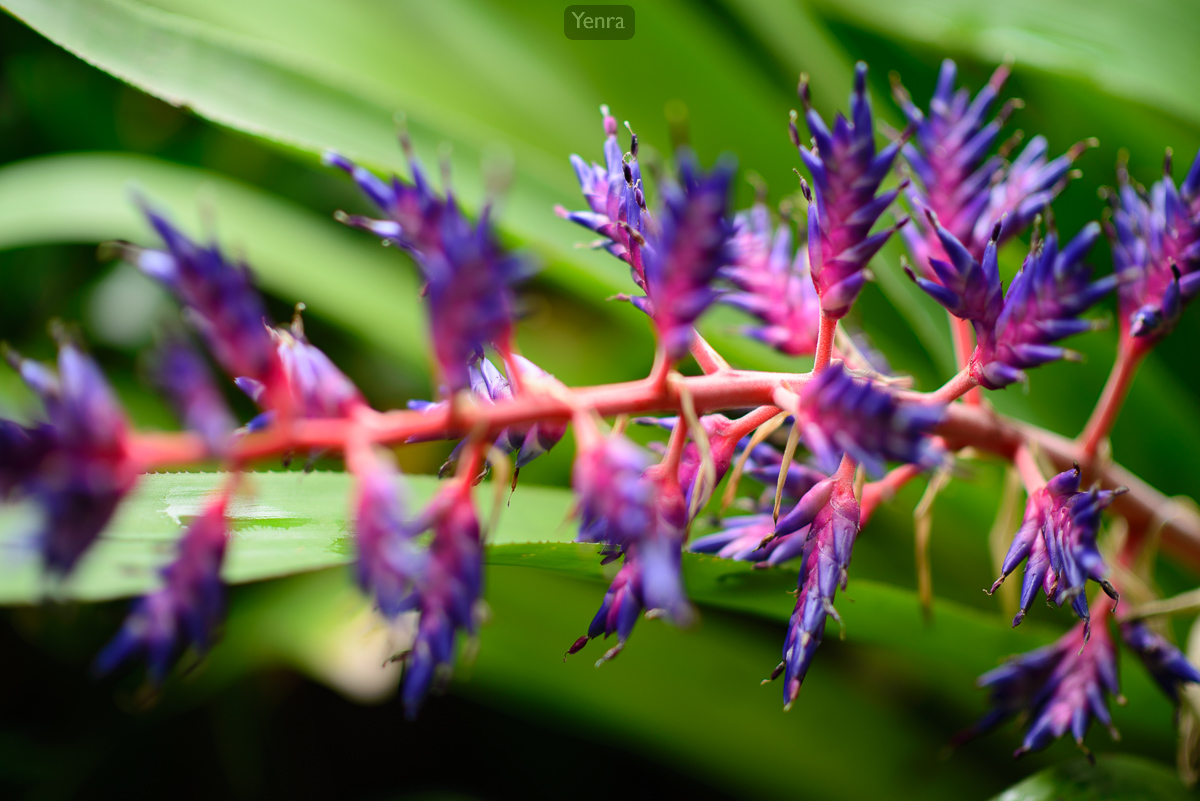
Explore how clear boundaries and softer transitions work together.
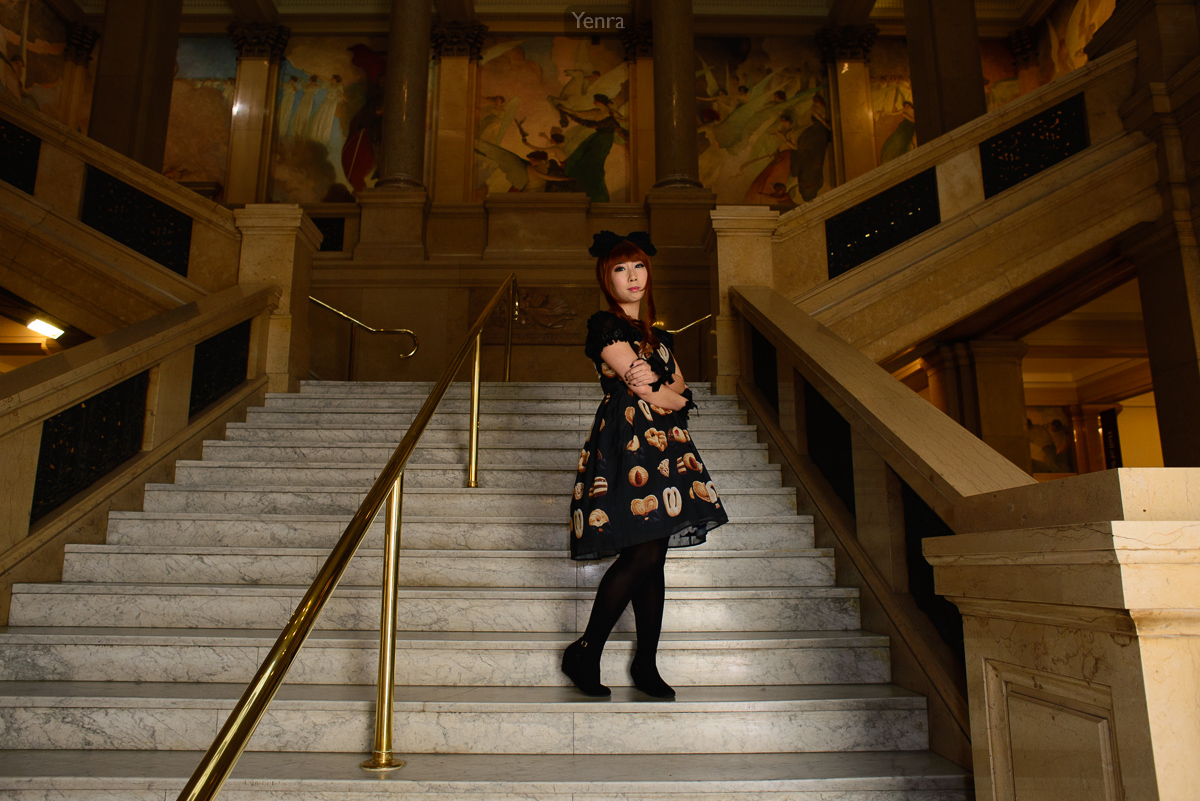
Follow stairs, carpet stripes, and corridor edges into the scene.
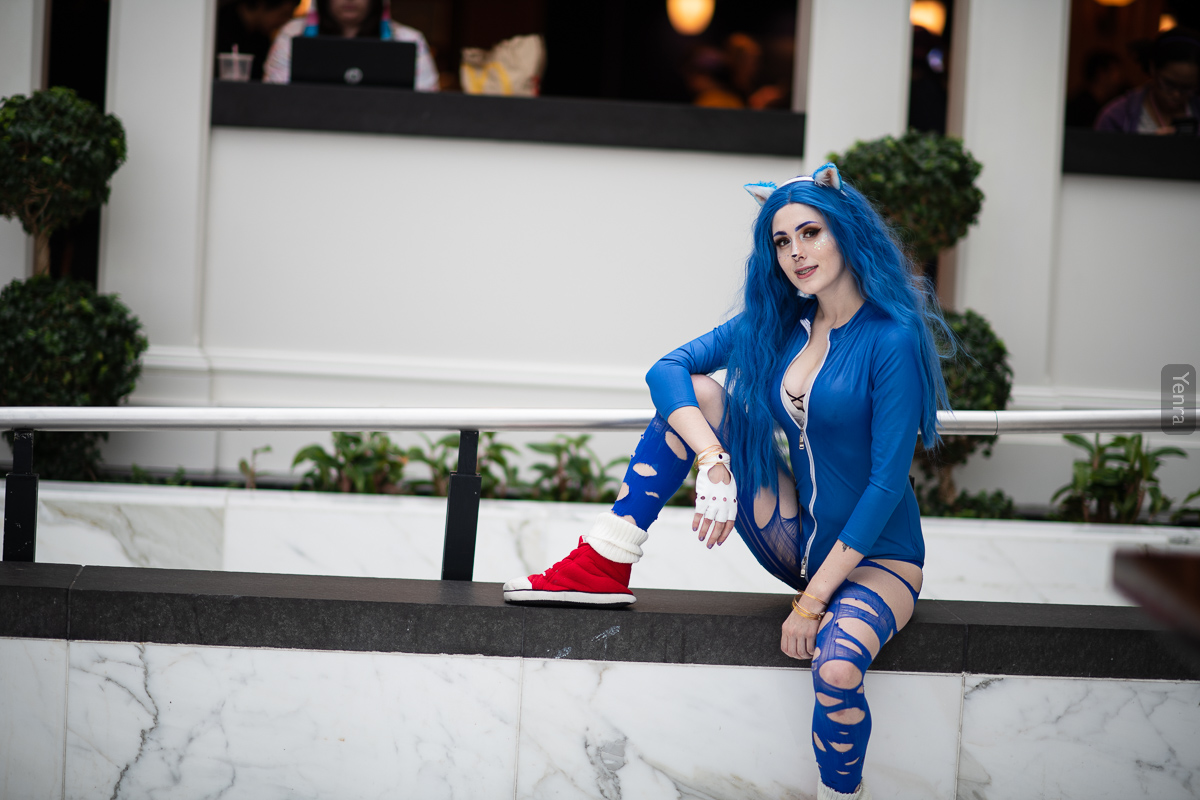
Follow ledges, railings, and display edges across the frame.
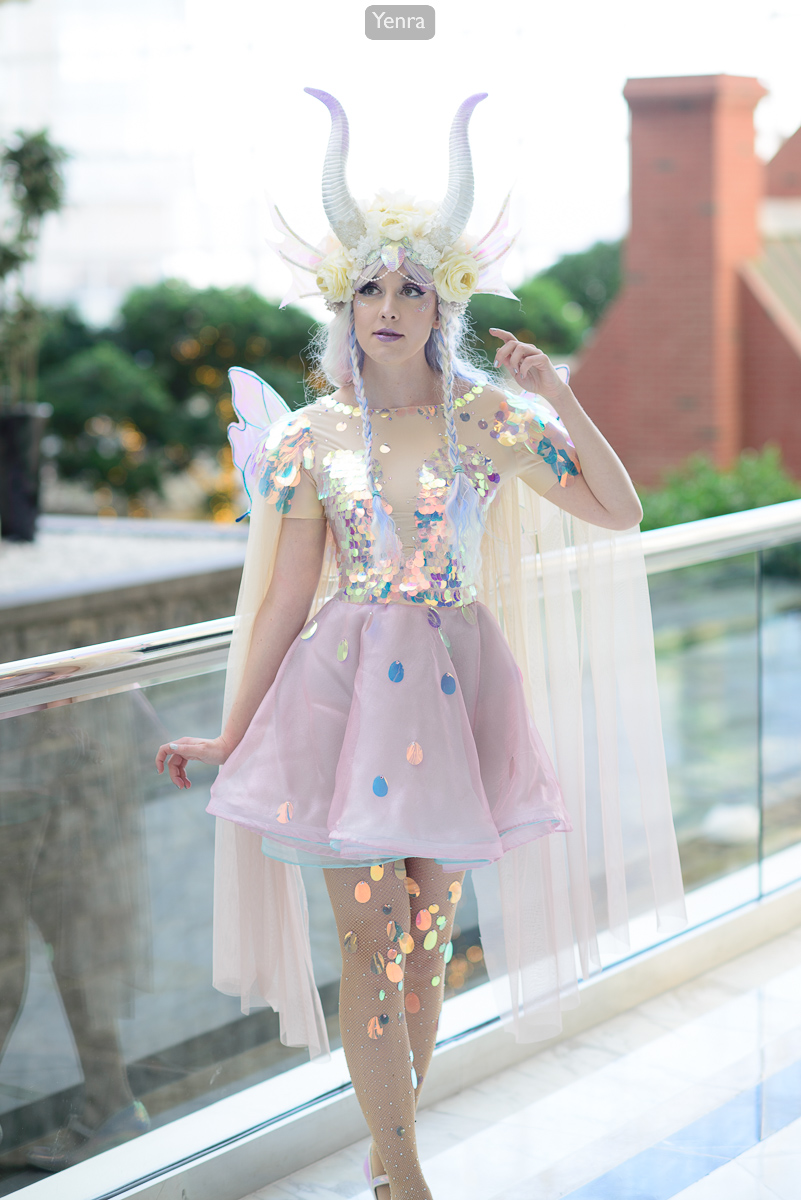
Explore what remains visible through fabric, mesh, and overlapping layers.

Explore the shapes of background visible between arms, legs, and the body.
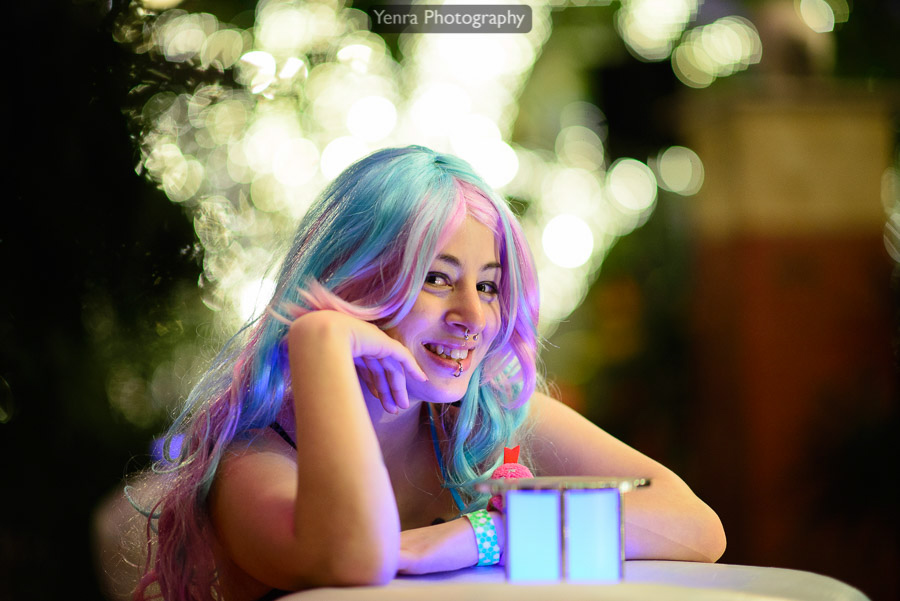
Follow a bright edge of hair and explore the background that helps it stand out.

Notice how hands, shoulders, and shared gestures connect two people within a portrait.

Follow decorative bands, edging, and outlines as they describe the shapes within a photograph.

Follow the light, shade, and shape within broad folds, small ruffles, and gathered fabric.
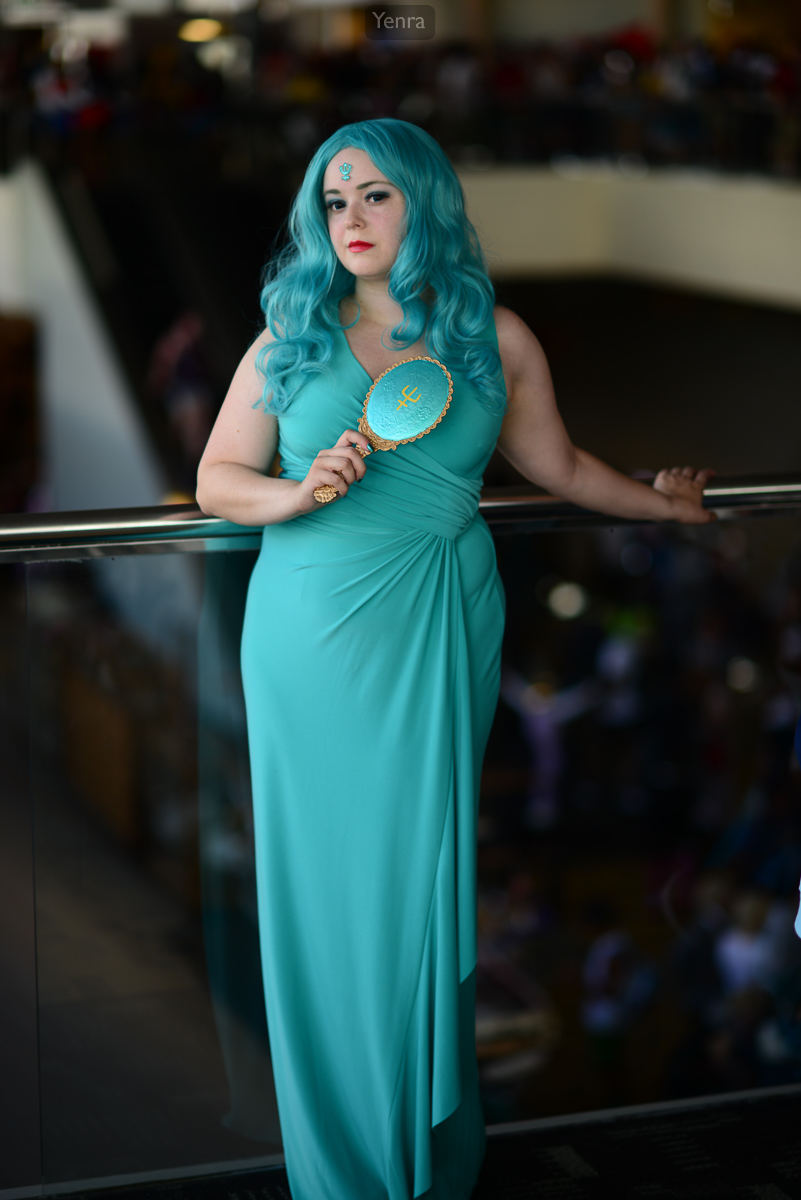
Explore how similar colors connect while keeping their own brightness and texture.
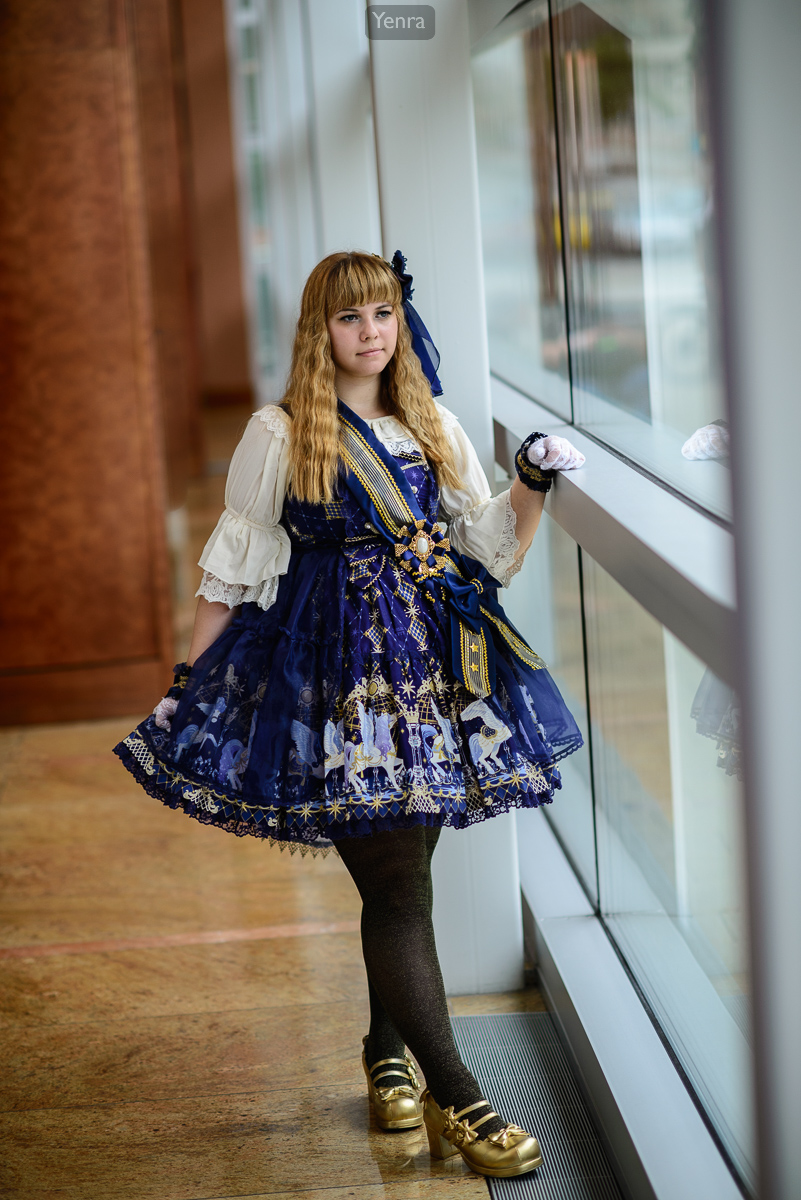
Notice familiar rectangular shapes and how they appear from another viewpoint.

Find paired shapes and enjoy the small differences between them.
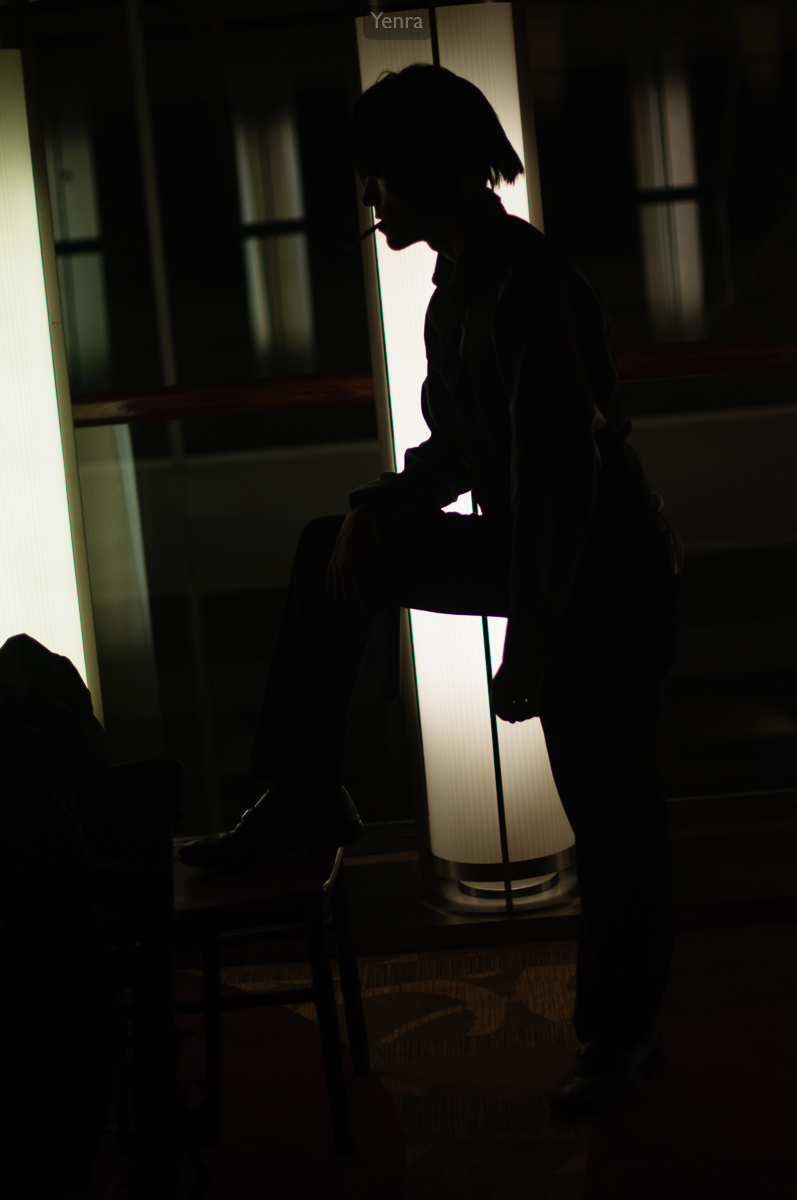
Follow a recognizable outline and notice the detail within a darker shape.
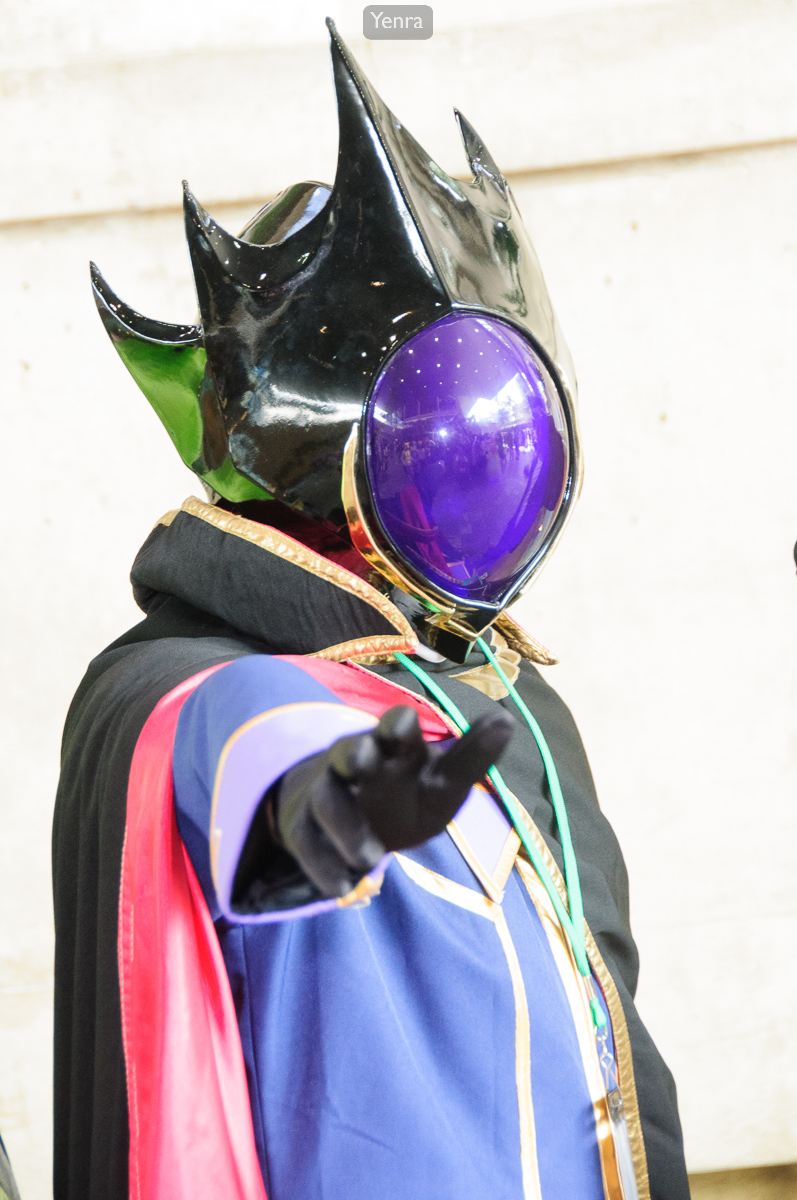
Follow bright patches and narrow highlights across curved surfaces and folds.
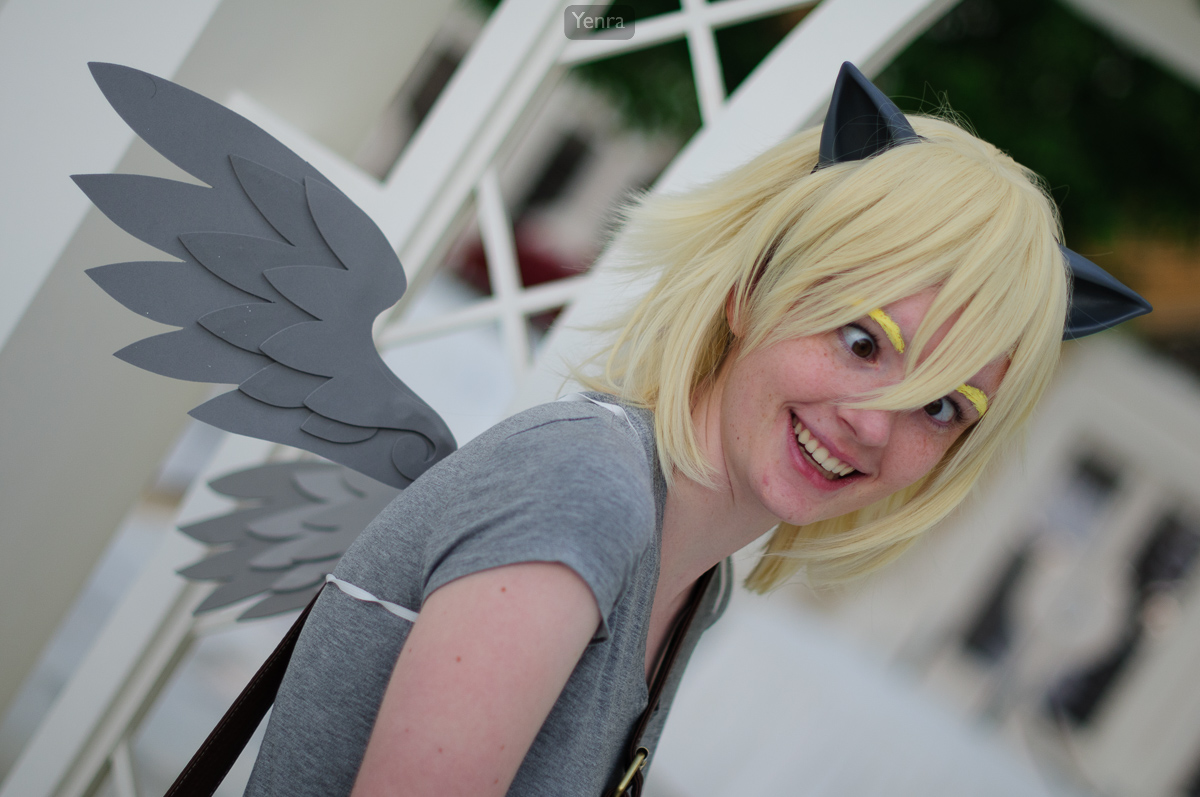
Explore how an angled view changes the arrangement of a whole photograph.

Follow the width, spacing, and changing direction of stripes.
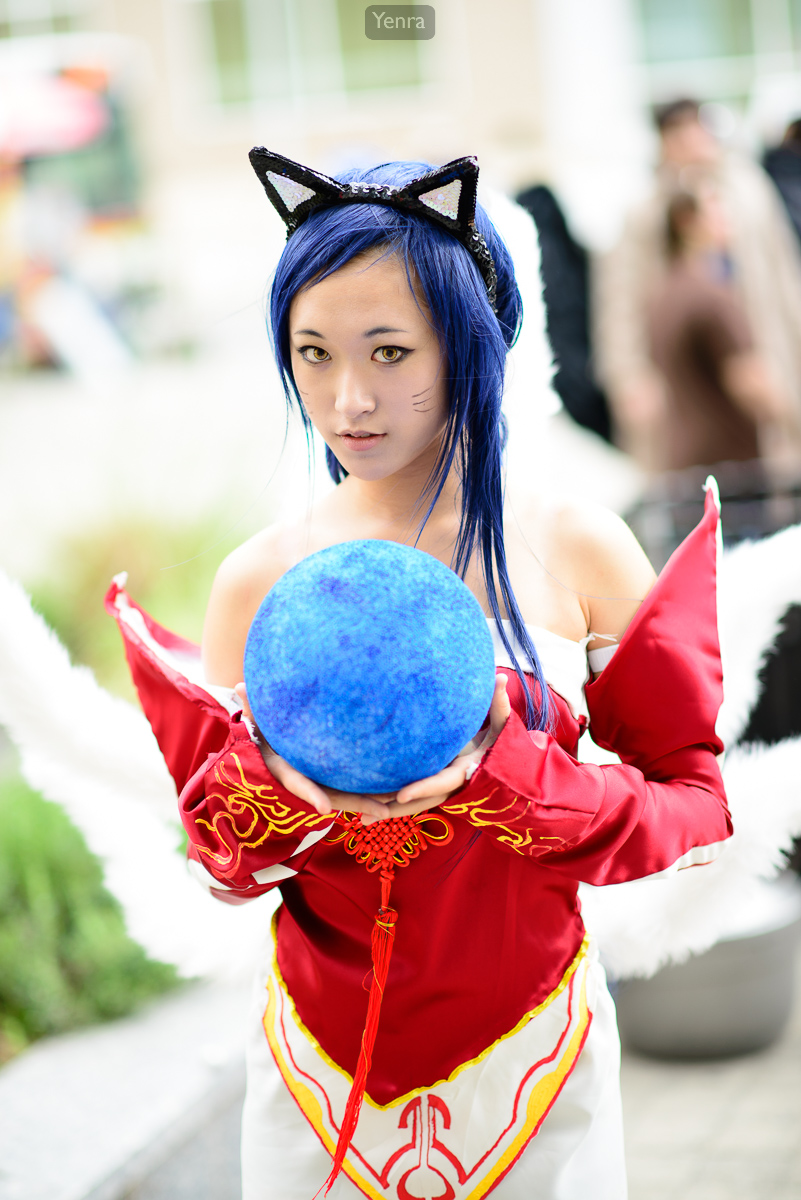
Discover round shapes, repeated rings, and the angles around them.

Follow small bright details through a darker photograph.

Explore how the distant edge makes room for sky, water, and land.
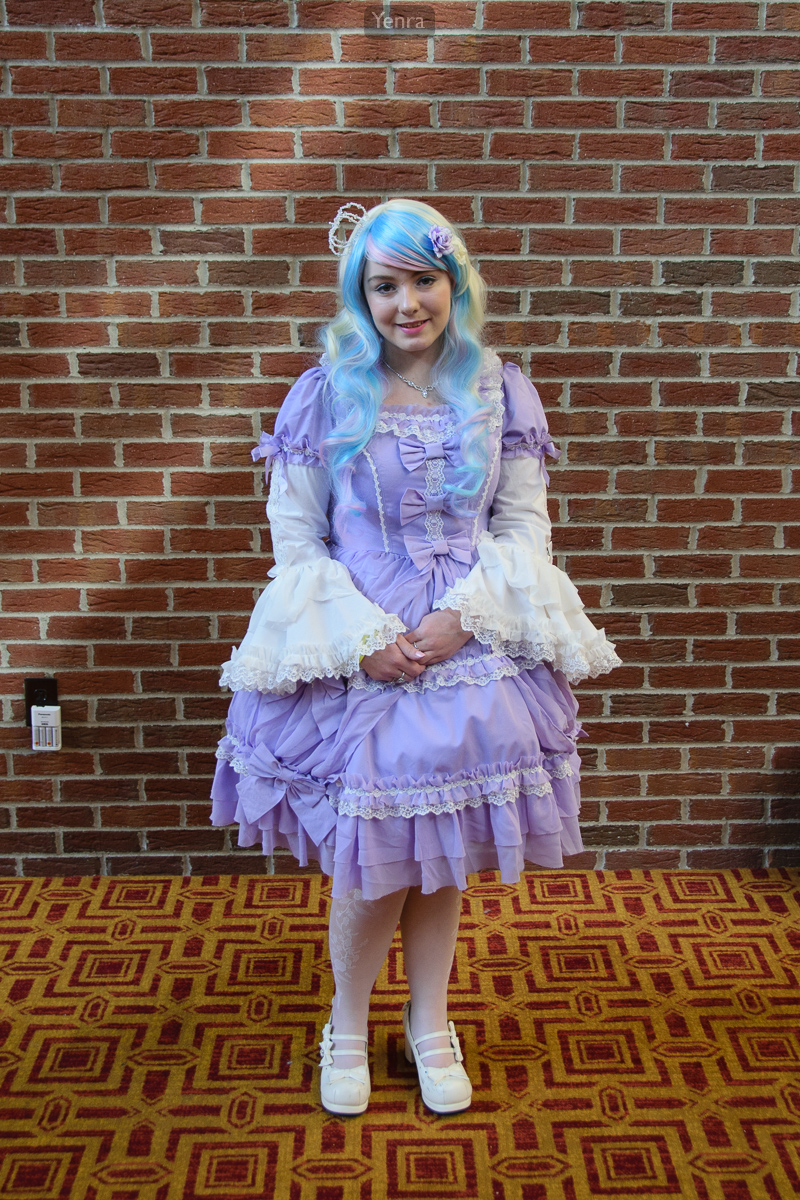
Explore the relationship between a portrait and the patterns around it.
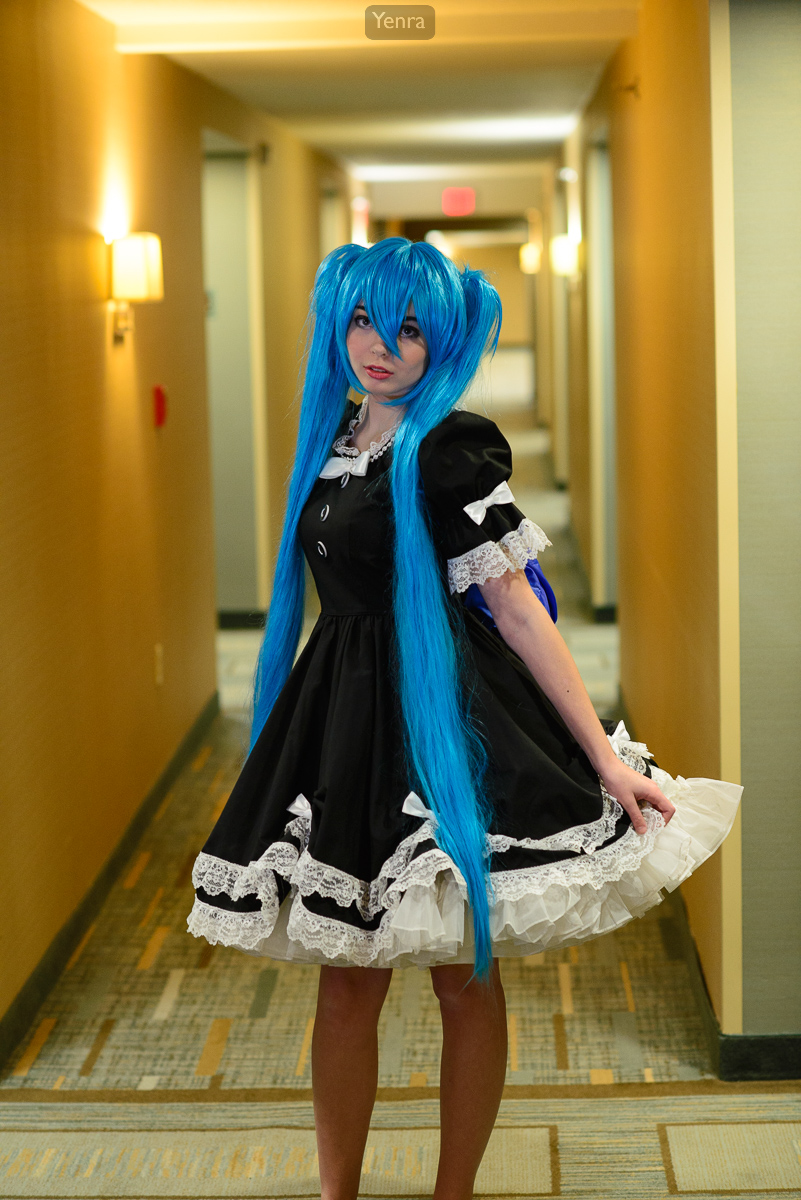
Explore upright edges, the areas they separate, and their place around a subject.
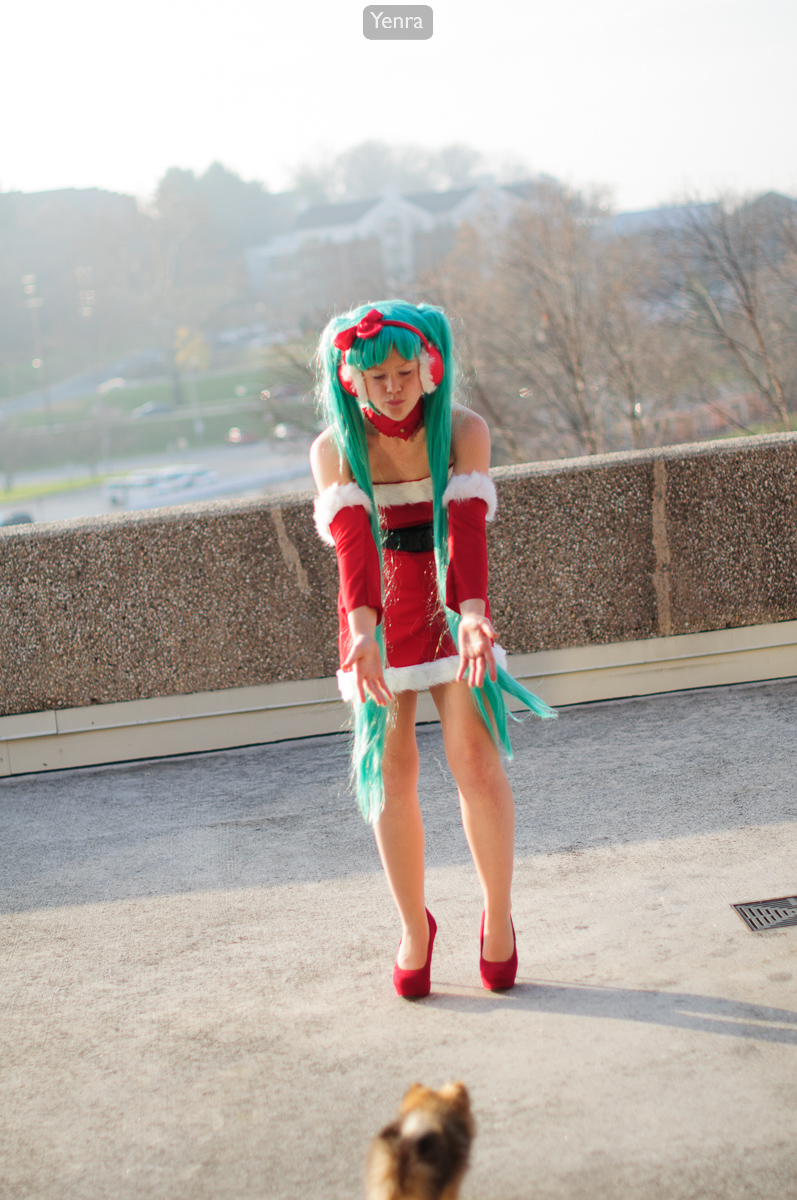
Explore the direction and shape of cast shadows, and try giving them room in your photographs.

Explore lines that spread from a shared point, and discover what changes when that point moves within the frame.

Follow sloping lines and explore how they meet one another and the picture edges.
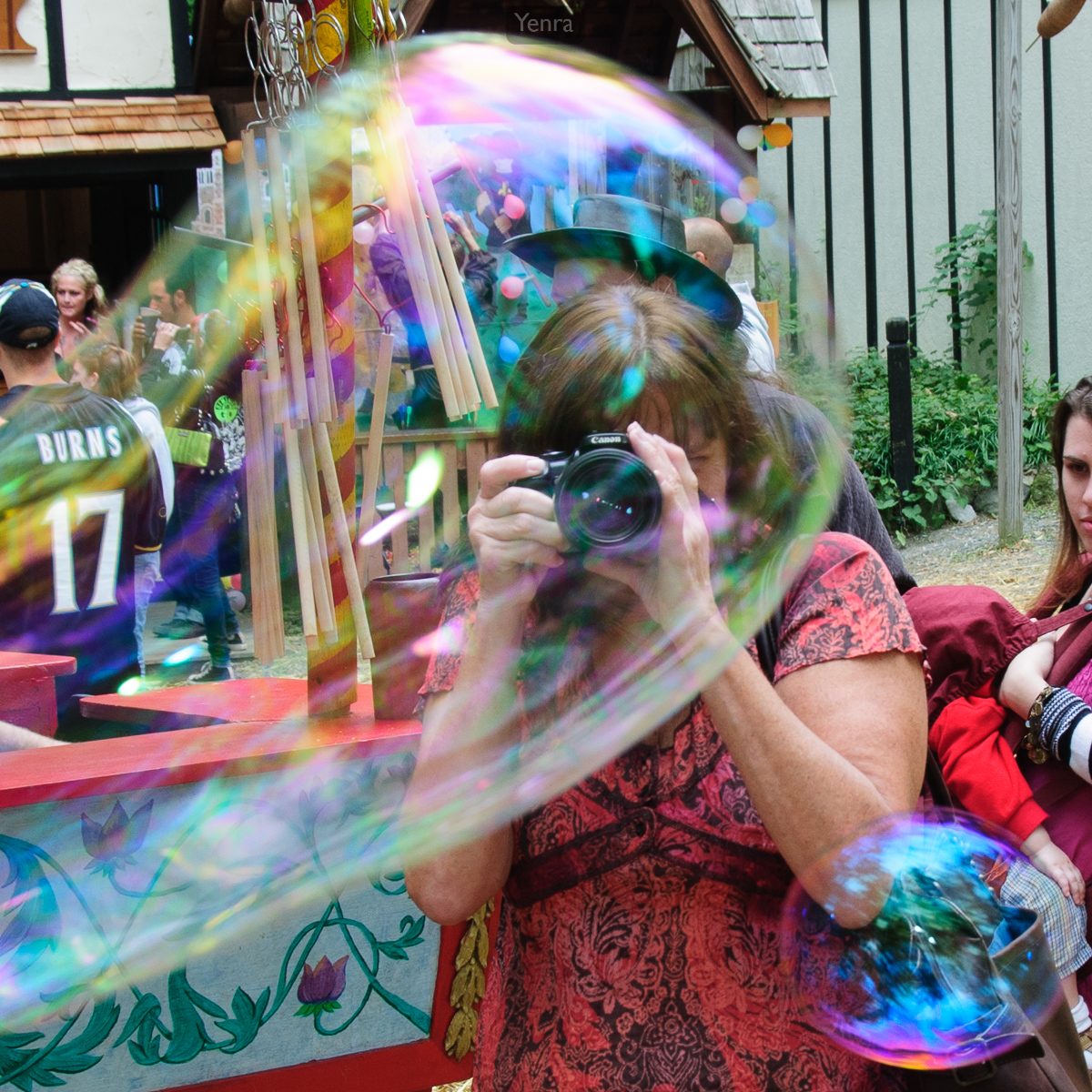
Explore what a foreground surface lets you see, from a veil to the colored edge of a bubble.

Notice small reflections in the eyes, compare their shapes, and return to the whole portrait.

Explore the reflected view, the foreground, and a small change of viewpoint.

Notice three corners, bent arms, and the spaces between shapes.

Discover sweeping edges, rounded details, and curves in everyday things.

Follow the outlines where people, objects, and surroundings meet.

Explore the space around a portrait and what a frame includes.

Explore the middle of a frame and the differences on either side.
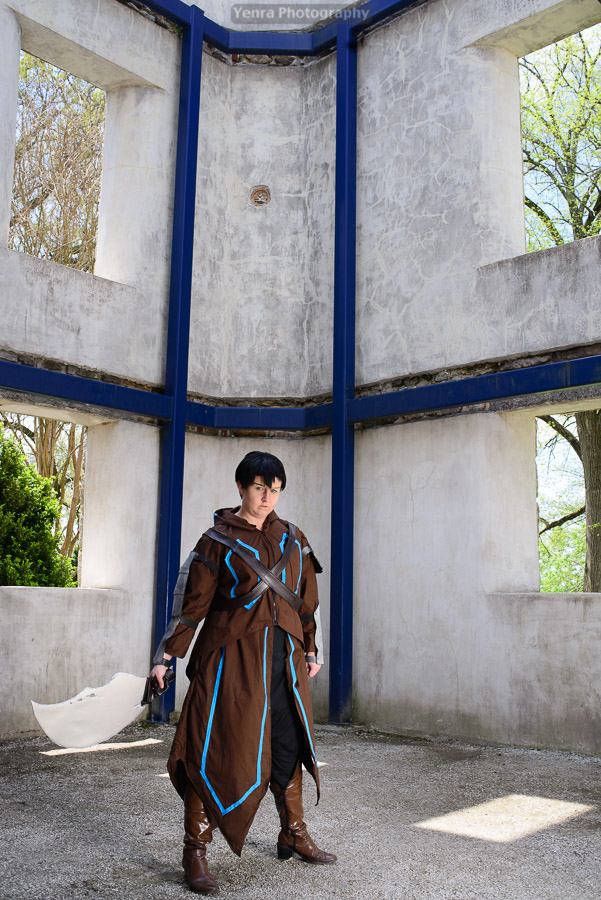
Explore how a subject and its surroundings share the picture.

Notice where detail and softer areas guide your attention.

Explore how warmer and cooler color areas share a picture.

Notice the outlines, folds, and shapes a garment brings to a picture.

Explore how a small area of color invites attention.

Explore how shapes and spaces bring a frame together.
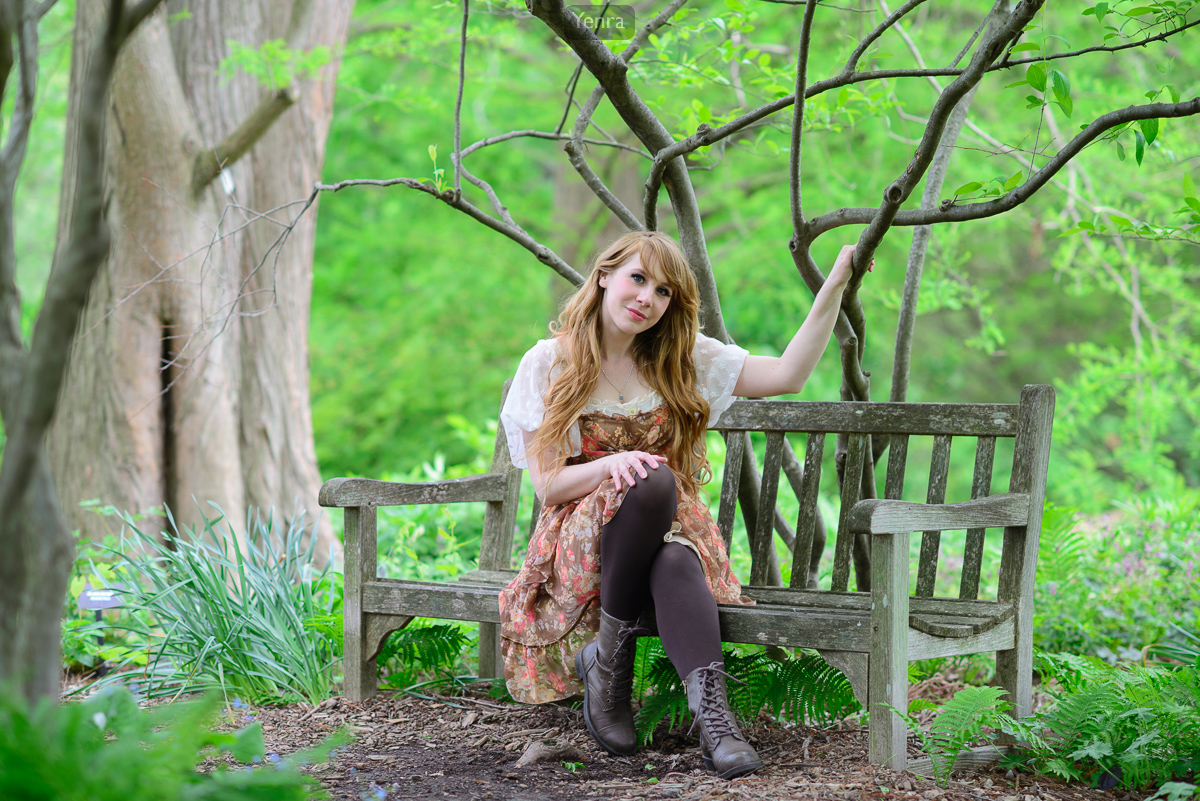
Look into a photograph through near, middle, and distant elements.
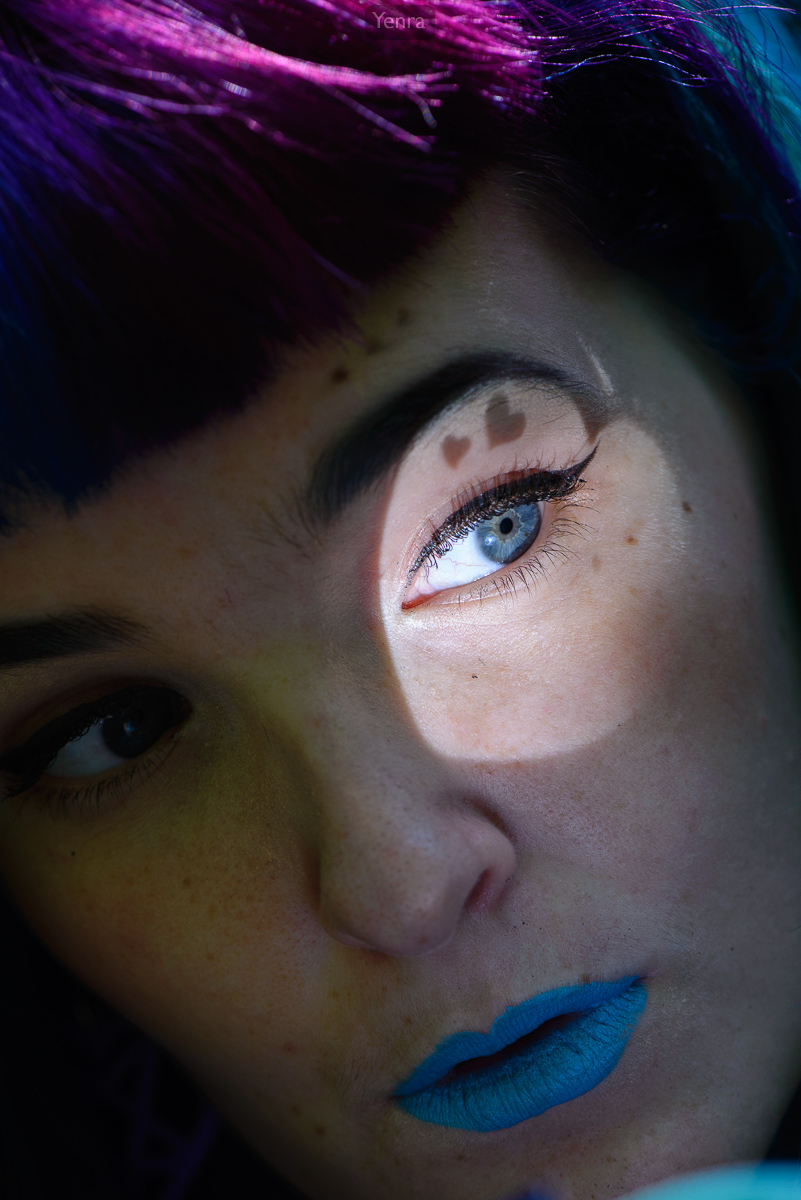
Notice broad brightness relationships and where your eye pauses.
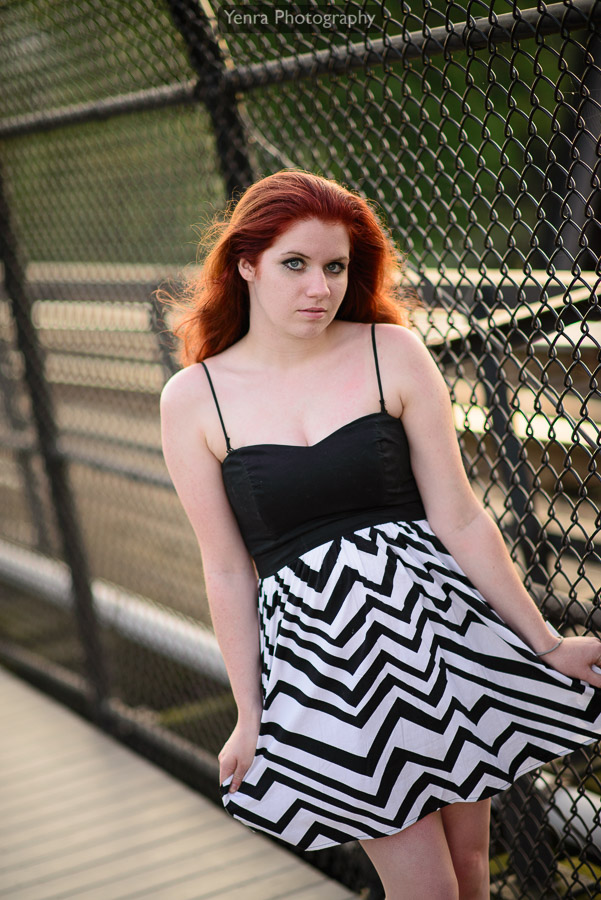
Notice repetition, spacing, and variations in a pattern.
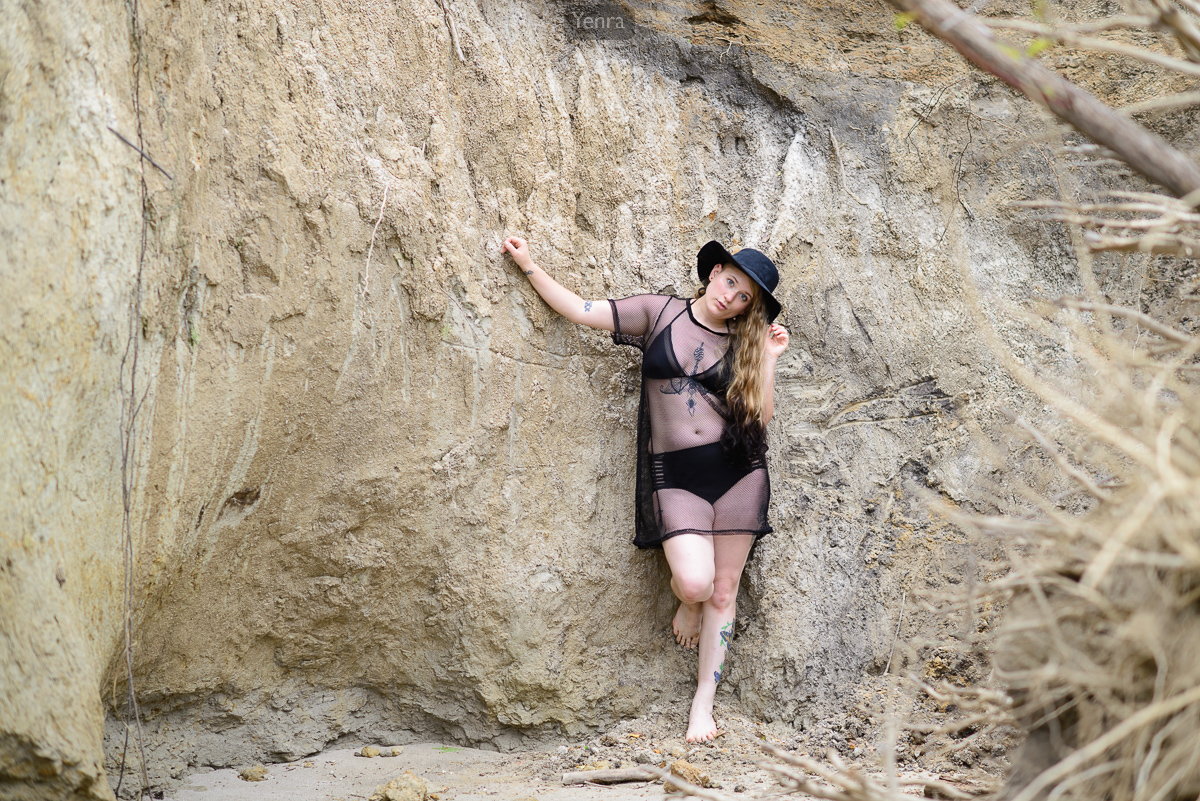
Explore the space around and between the main shapes.
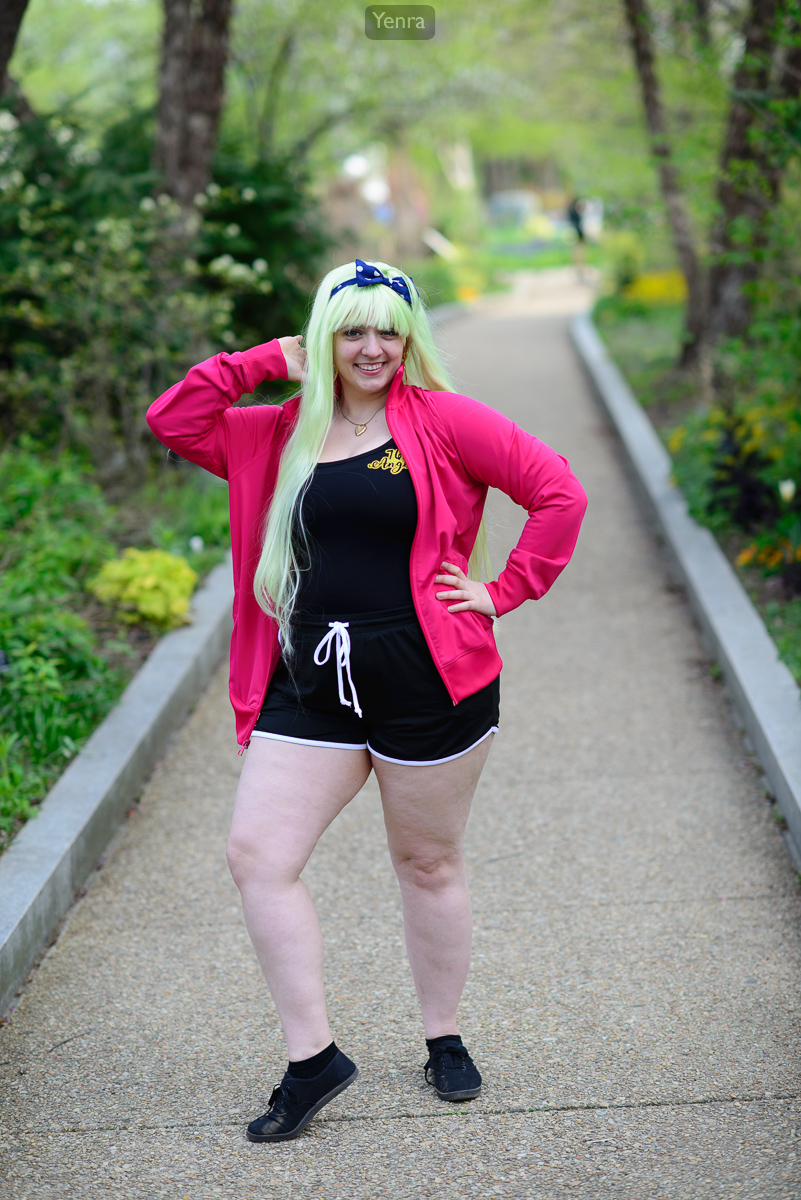
Follow paths, curves, and repeated shapes through the picture.
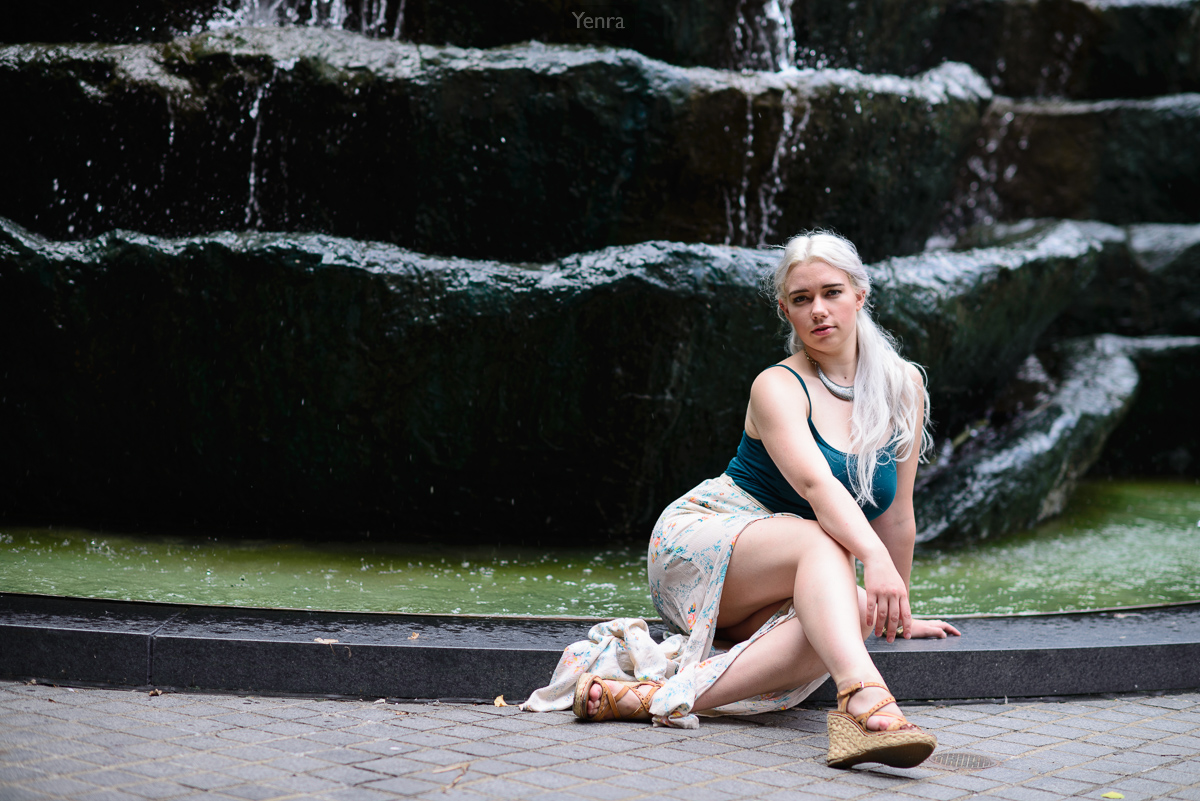
Look closely at surfaces and the details they bring together.
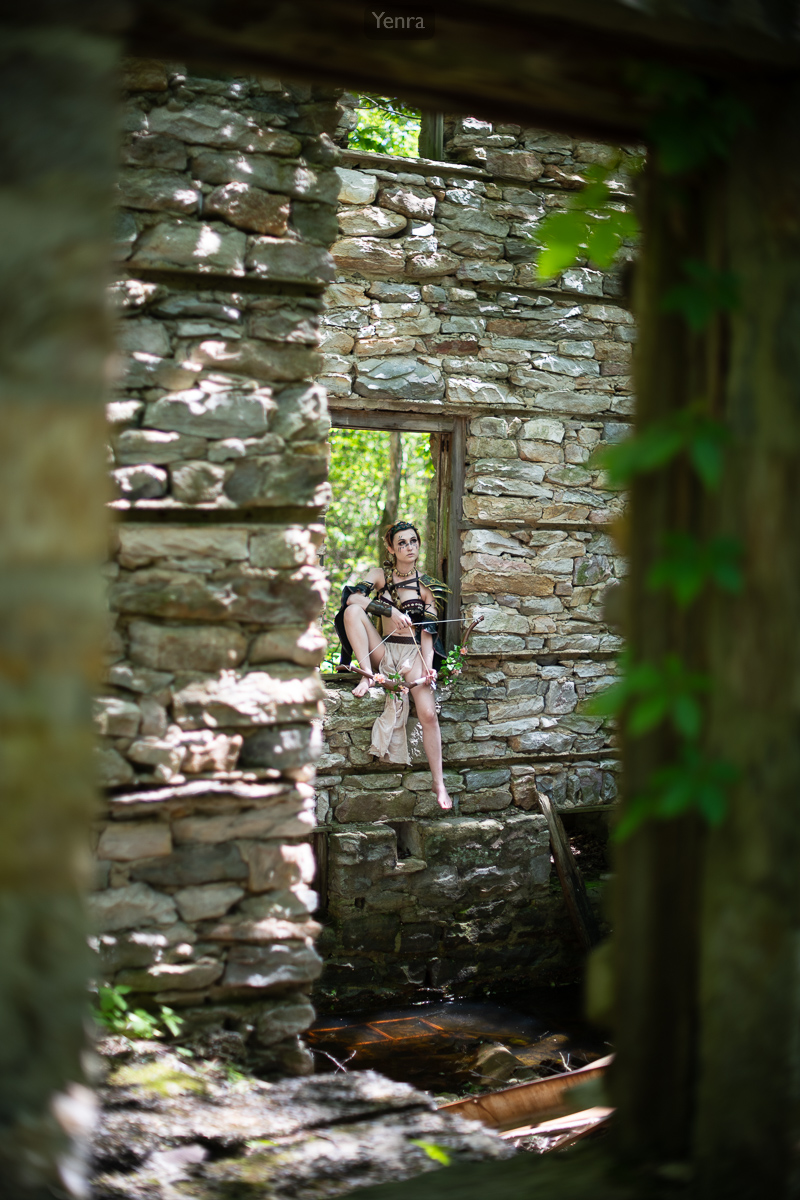
Explore openings, nearby edges, and the layers around a subject.
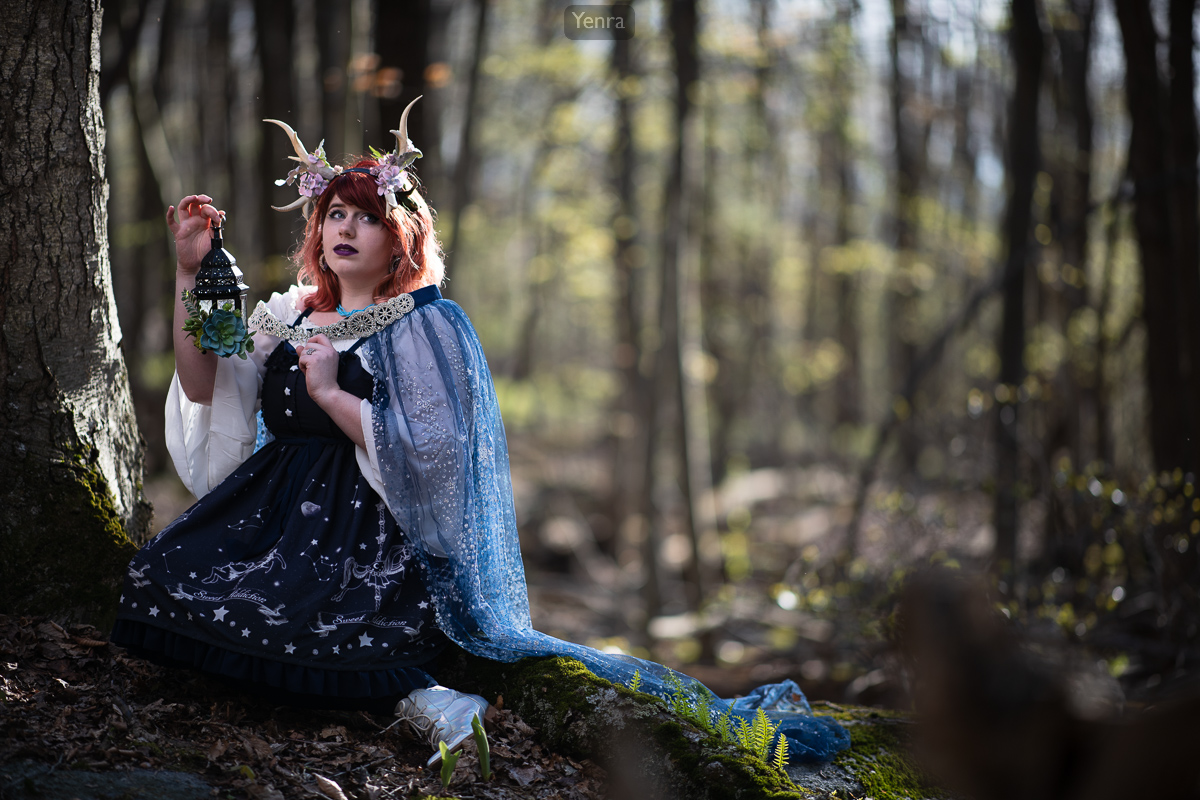
Explore highlights, shadows, and the light around a person.
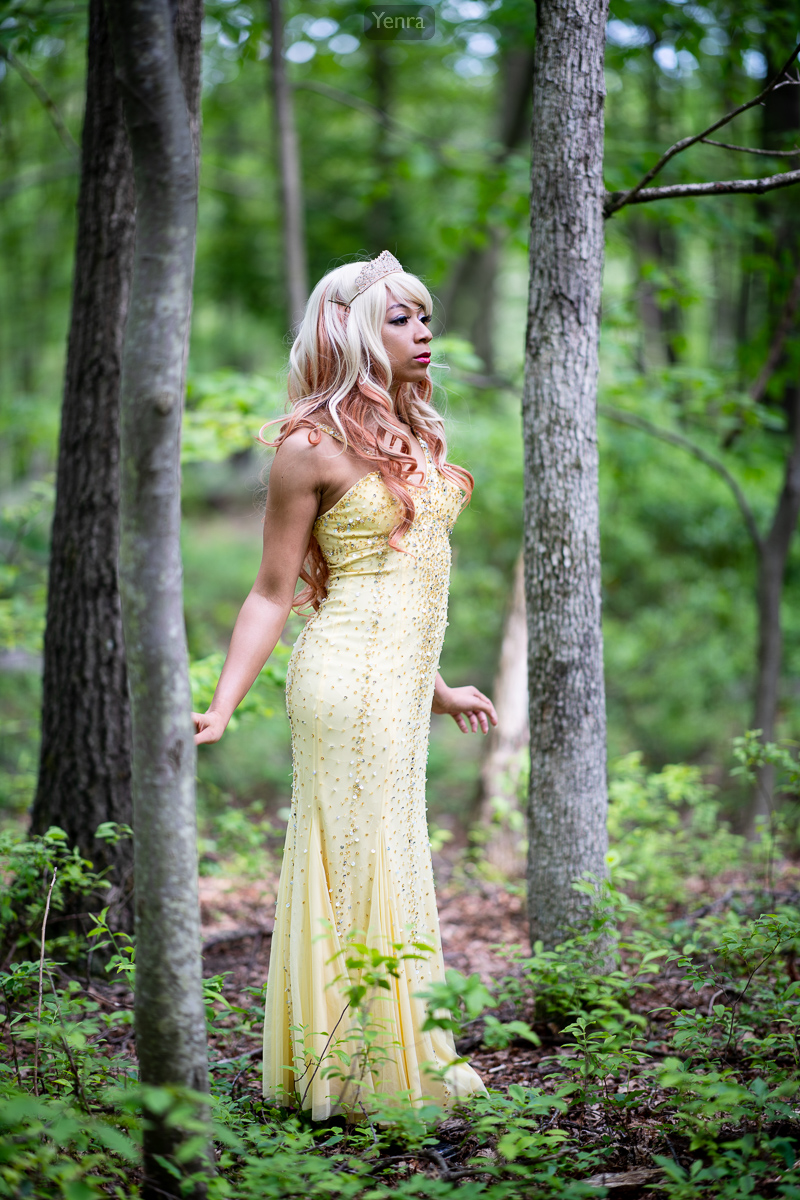
Look for depth, useful shapes, and room around a figure.
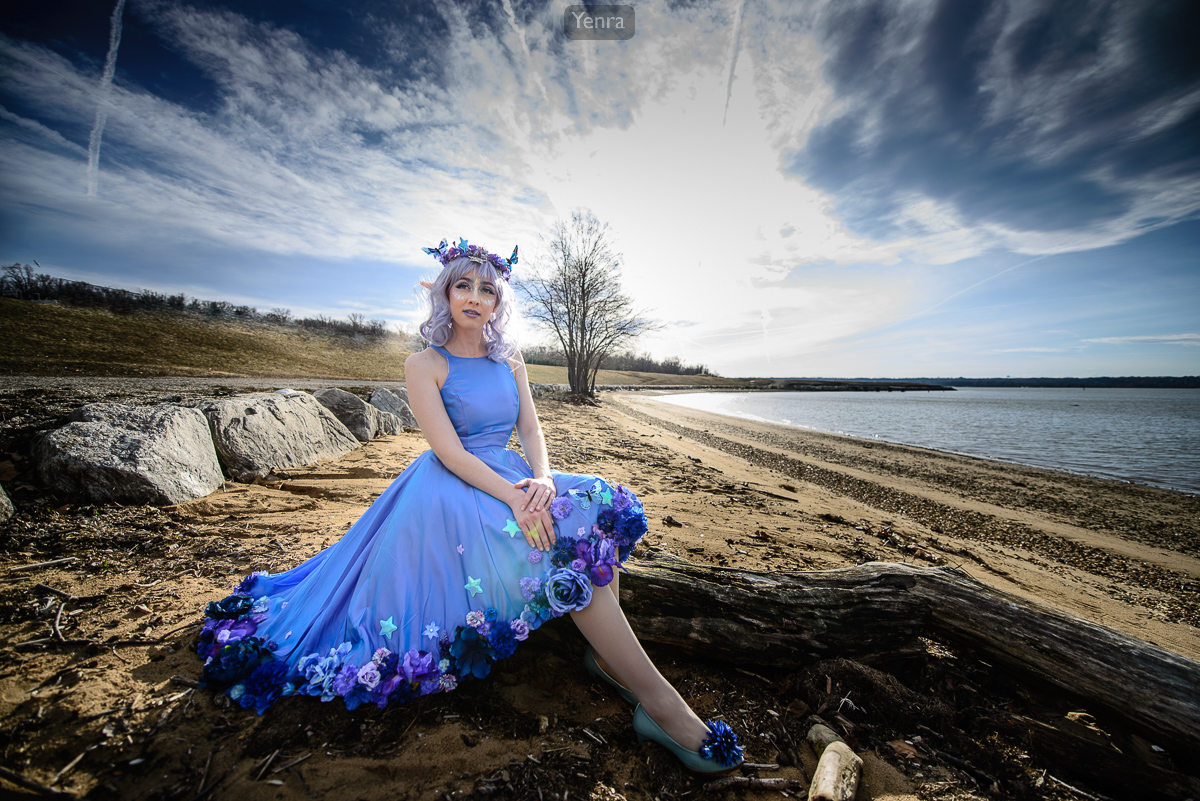
Explore how viewpoint gives the setting a part to play.
Make a small change and compare what it contributes.
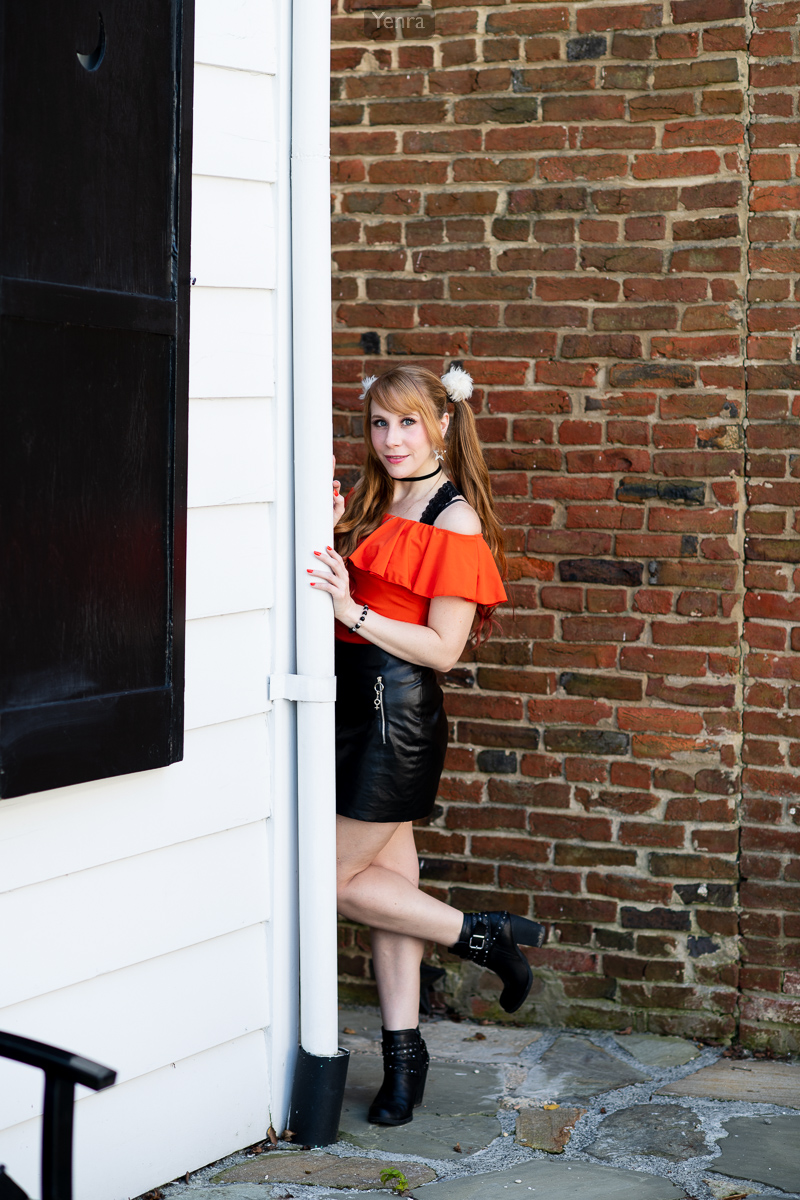
Choose a few shared framing cues while making room for each person’s comfortable portrait.
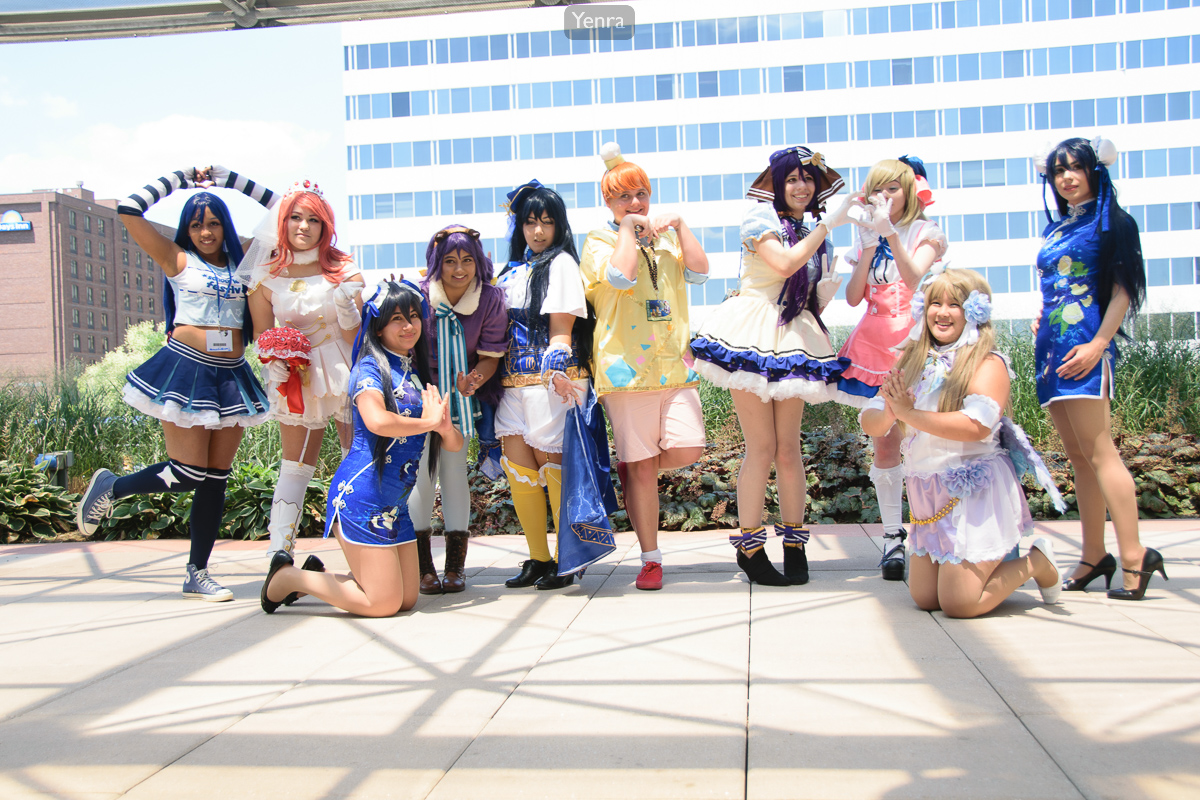
Check each person’s chosen face, mask or costume detail from the camera position, then explore one small change.
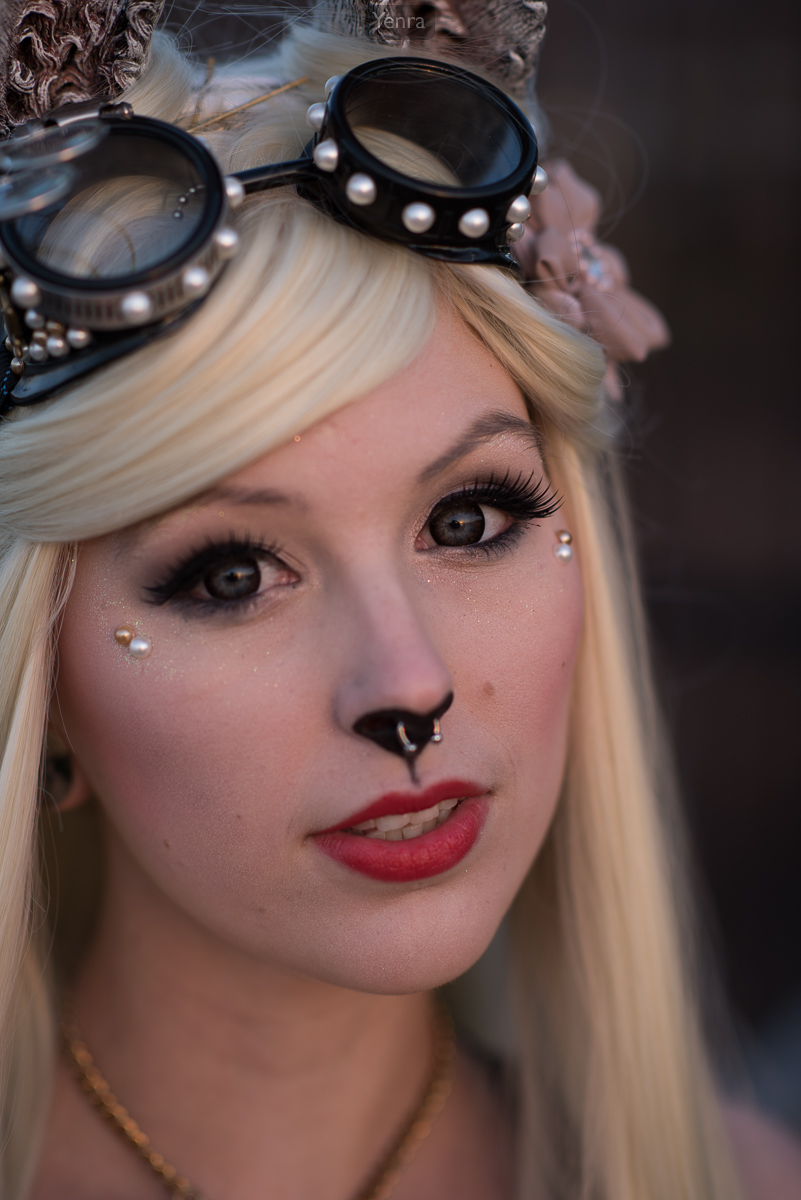
Choose which eyes, costume details and props need useful sharpness in a portrait.

Choose a focal length according to what you want a portrait to include: costume, gesture or expression.

Give a familiar carried object room in a portrait and compare small changes together.

Compare a held circular prop with an optional movement and choose the picture together.

Notice how a held phone connects a group, then explore a shared moment with willing participants.

Use a comfortable arm position as a starting point while exploring small changes in expression.

Explore how small changes in arm position alter the sleeves and front of a familiar clothing layer.
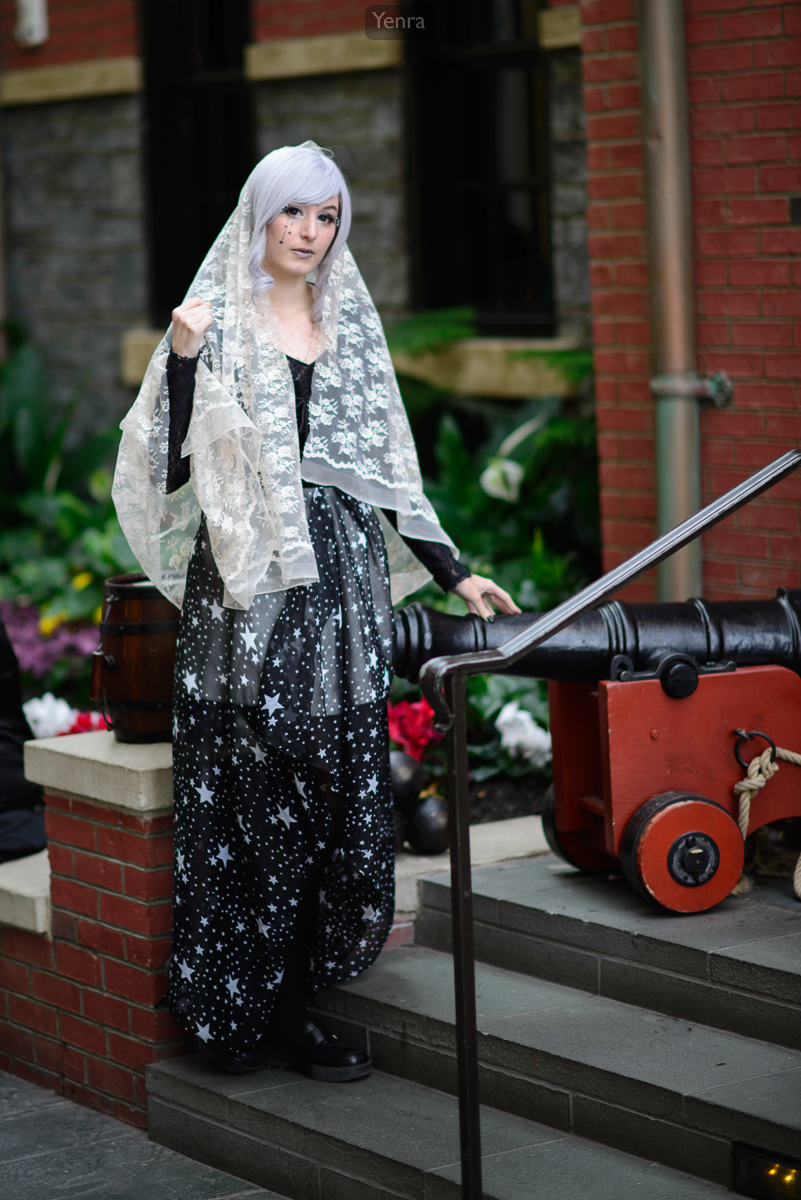
Explore how a veil frames a face, falls over an outfit and changes against different backgrounds.

Give a large costume prop room in the frame while keeping the person at the center of the portrait.
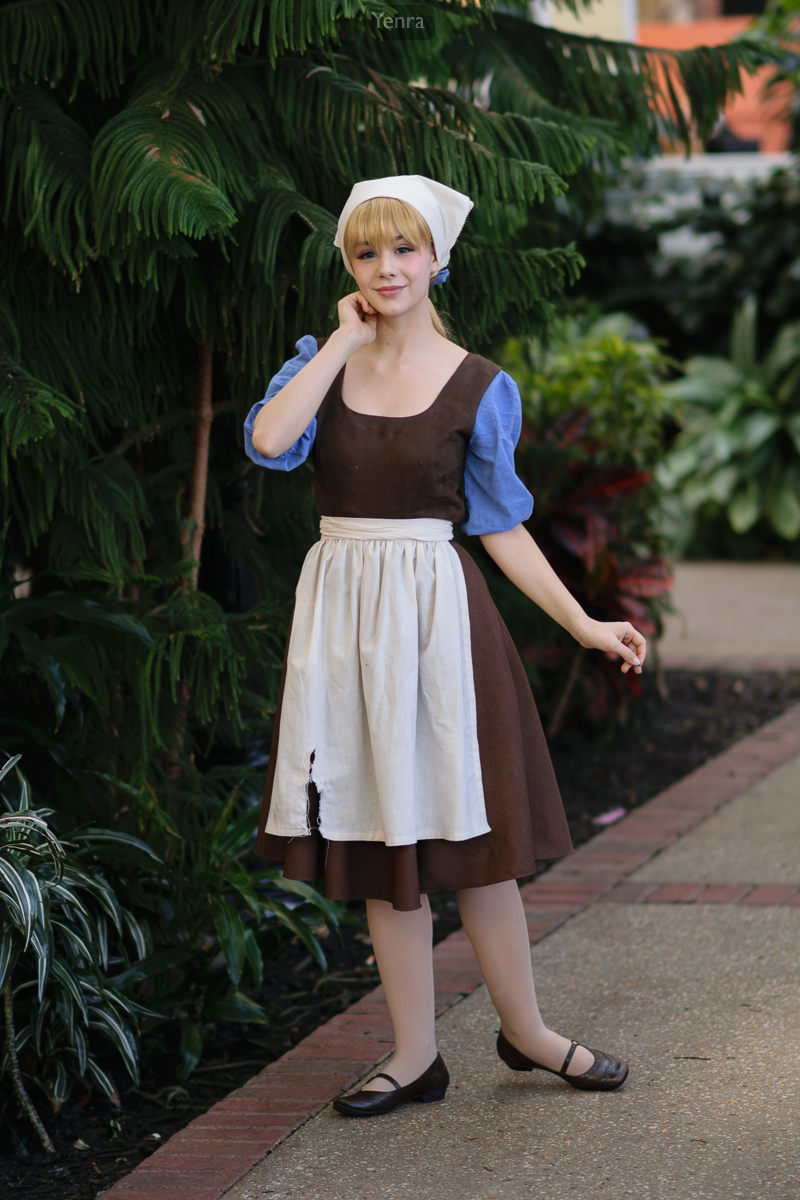
Let a familiar garment contribute shape, contrast and movement to a portrait.
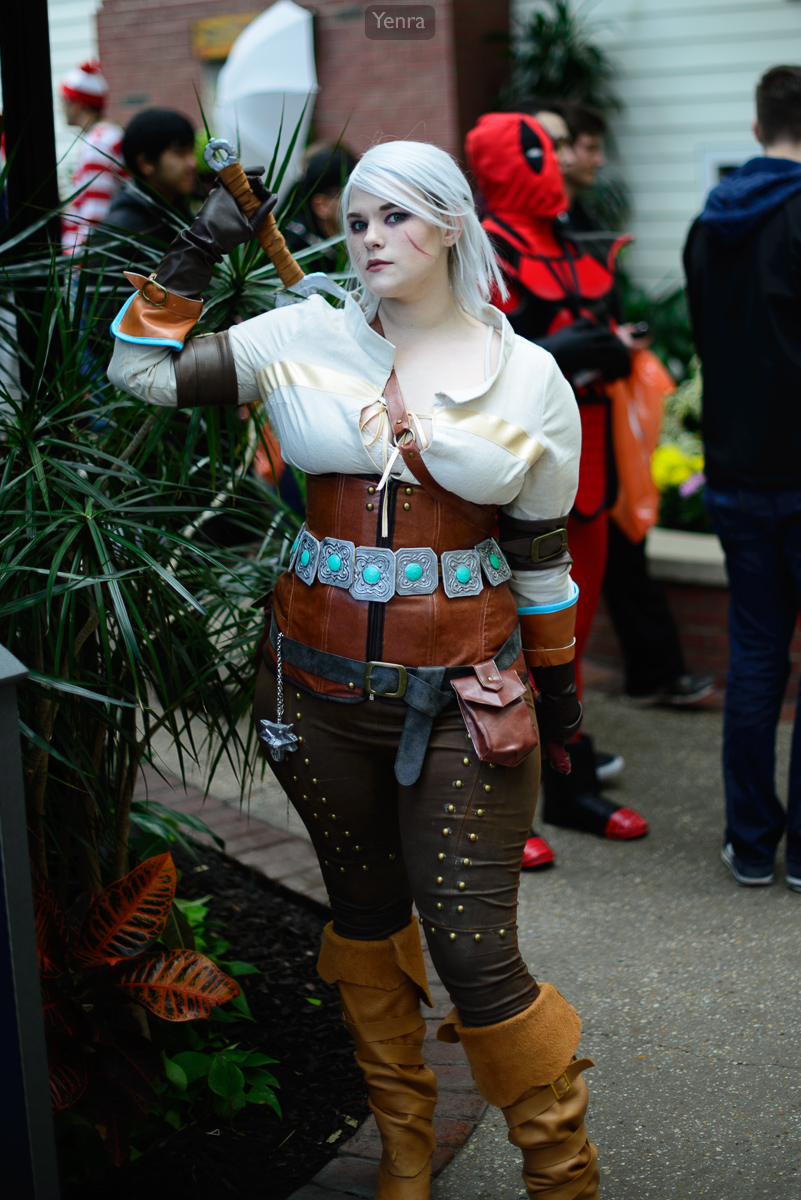
Explore how a prop can remain part of a portrait as attention moves from the whole costume toward the face.

Explore how the angle of a racket, a comfortable hand position and space around the face can change a portrait.

Explore how a small card, a hand gesture and a tabletop can give a portrait a playful focus.

Explore how a portrait can include the colors, edges and shapes of an arcade setting.

Explore how sleeves, lapels and a draped jacket change the shapes around a person.
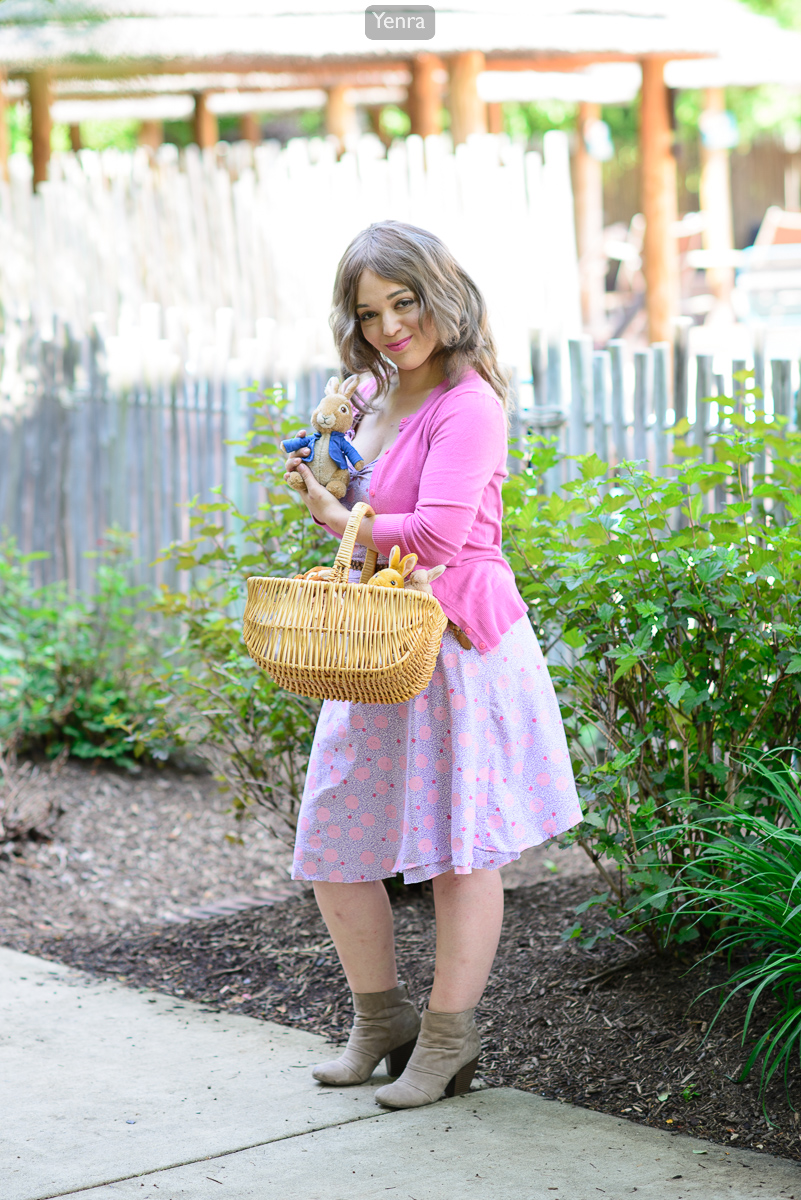
Explore how carrying a basket, setting it beside a person and arranging its contents change a portrait.

Explore how a sculptural form can become a large shape beside a person or a smaller landmark within a wider portrait.

Explore comfortable spacing, visible faces and small shared gestures with two willing portrait partners.

Explore how a colorful round prop can share the frame with a face, hands and a playful gesture.
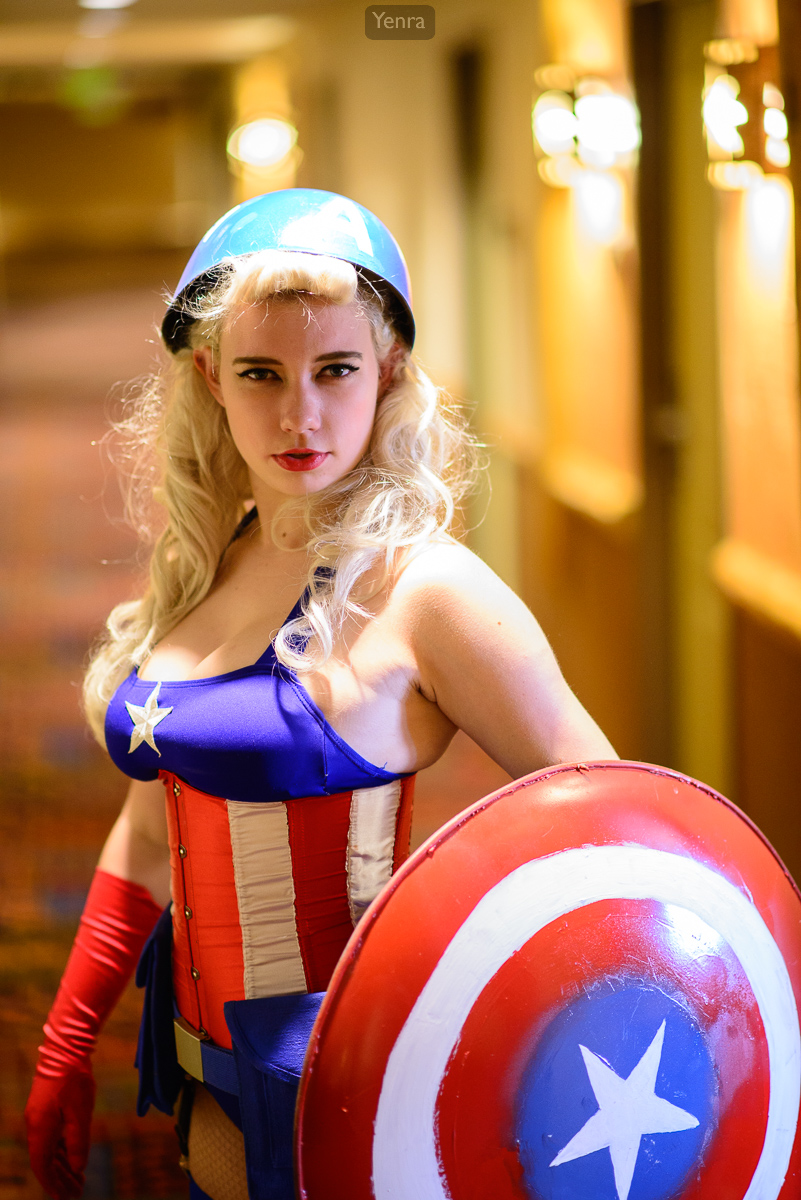
Explore how a shield prop can share a portrait with a face, a gesture and a comfortable pose.

Use a microphone prop as an invitation to play with hand placement, expression and a portrait made together.

Include goggles as a visible costume detail, then explore a comfortable hand gesture and a different framing with your portrait partner.

Give a crown or chosen headpiece room in a portrait, then explore a closer view and a comfortable change of angle.
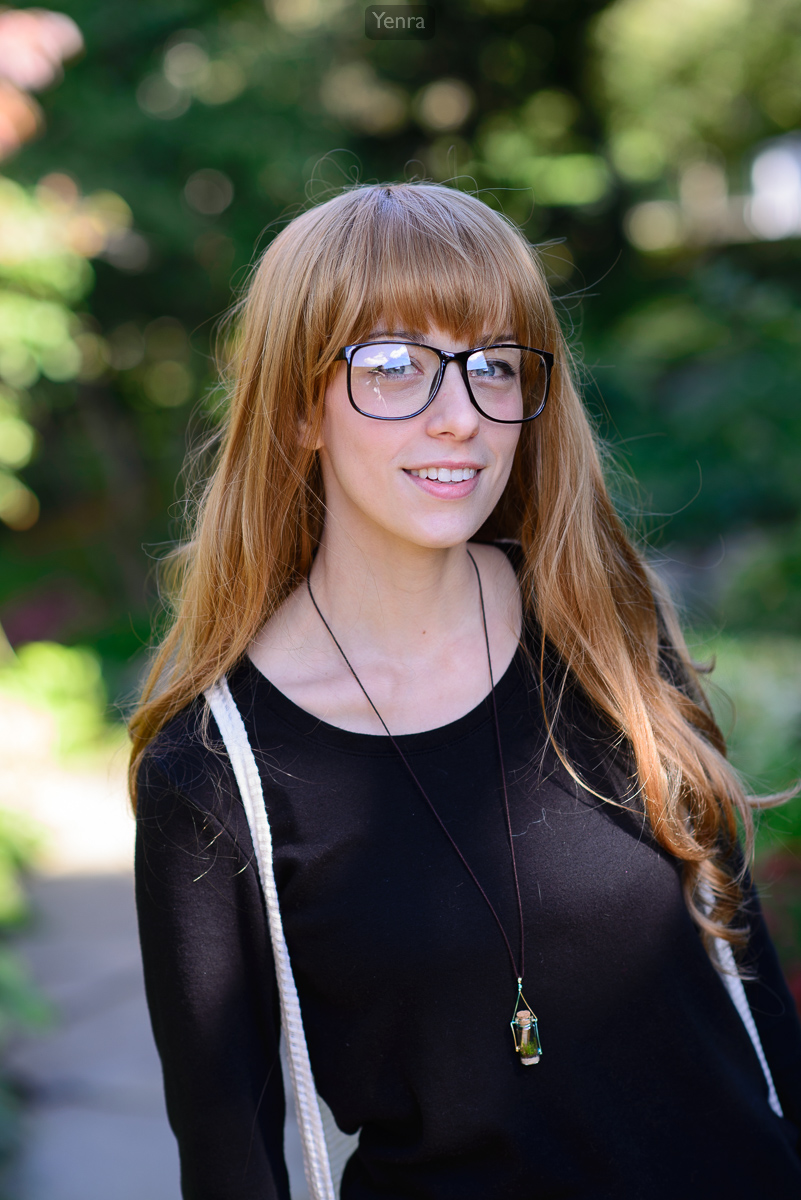
Give a small worn object room in a portrait, then make a closer photograph that shows what interested you and your portrait partner.

Explore how a garden arch surrounds a person, changes with the background and leaves space for a comfortable pose.

Let nearby walls and a receding passage give a portrait a setting, then explore how much of that setting to include.

Use a familiar object to begin a gesture, then explore the portrait with and without it.
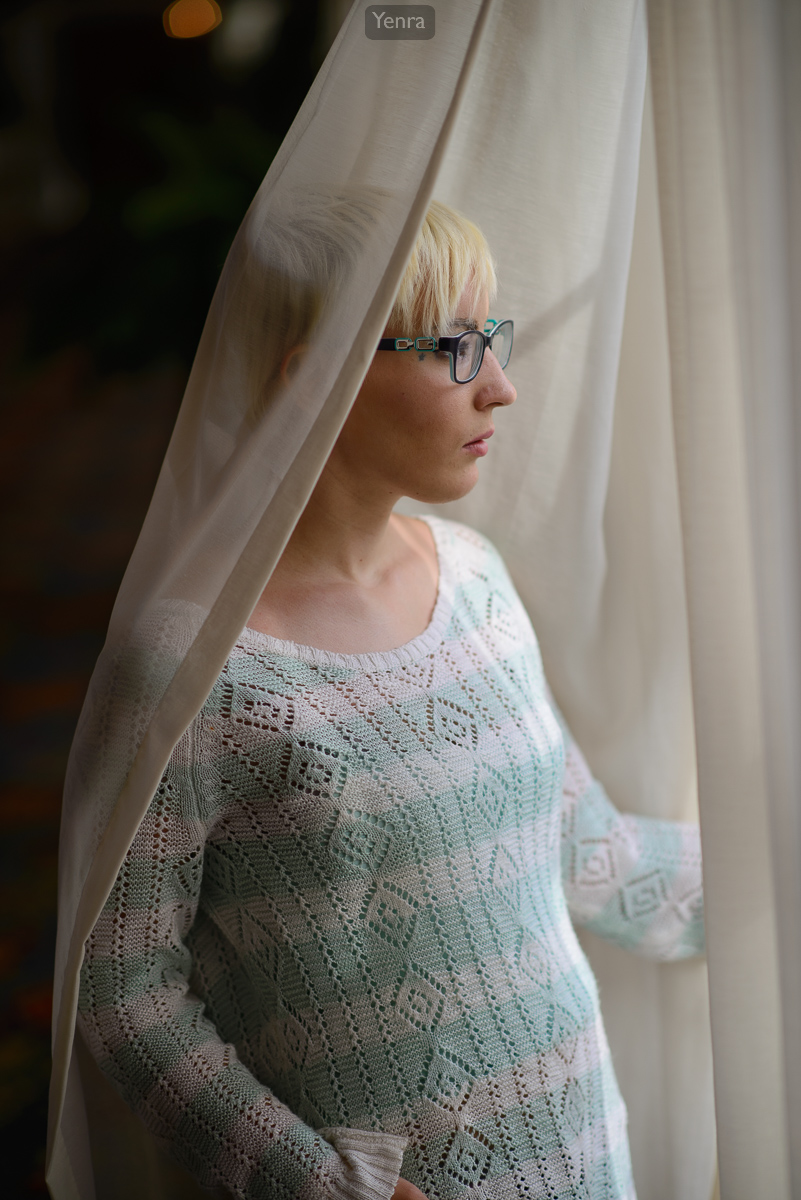
Use a curtain edge, an open gap and a gentle hand gesture to explore a portrait together.
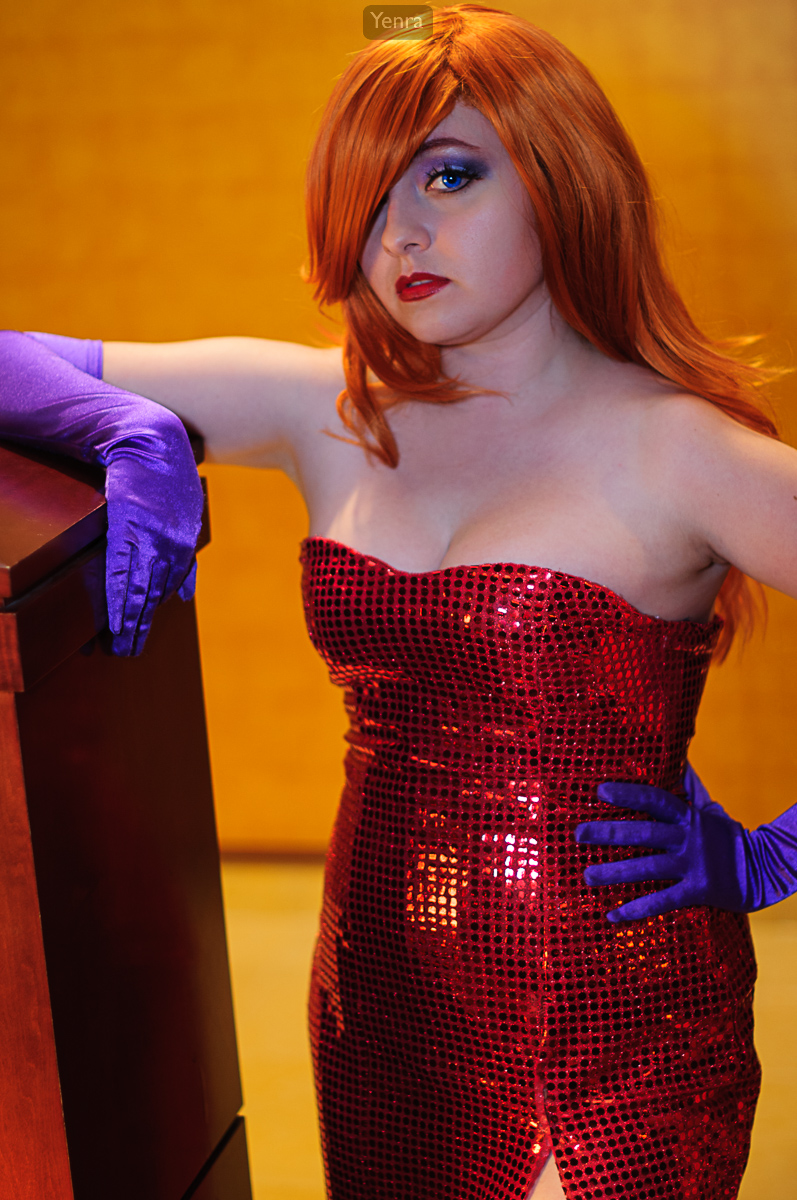
Explore how a gloved hand brings color, shape and a comfortable gesture into a portrait.

Explore how holding, raising and briefly releasing a familiar object change the hands, gaze and space in a portrait.
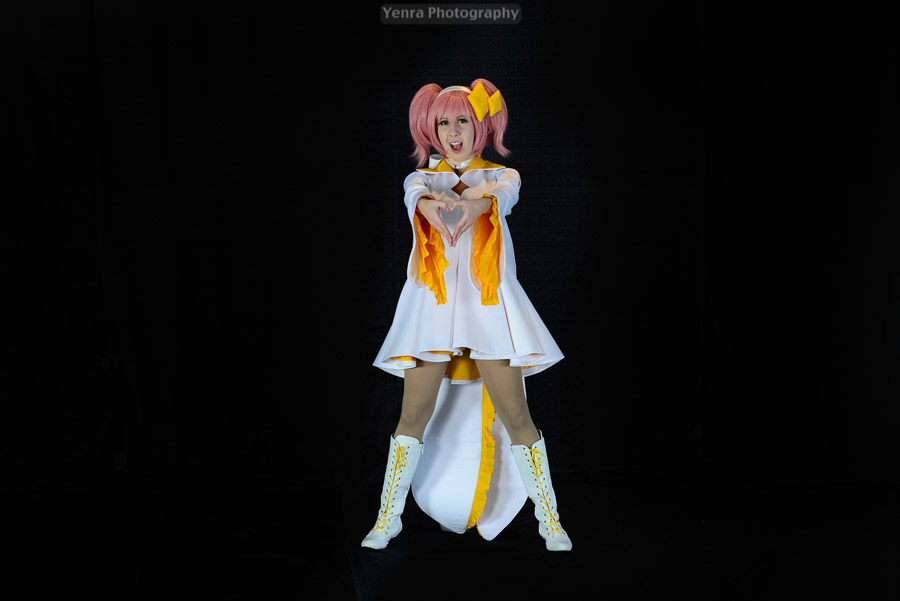
Practice shared timing and framing around a brief movement, then enjoy the differences between the resulting gestures.
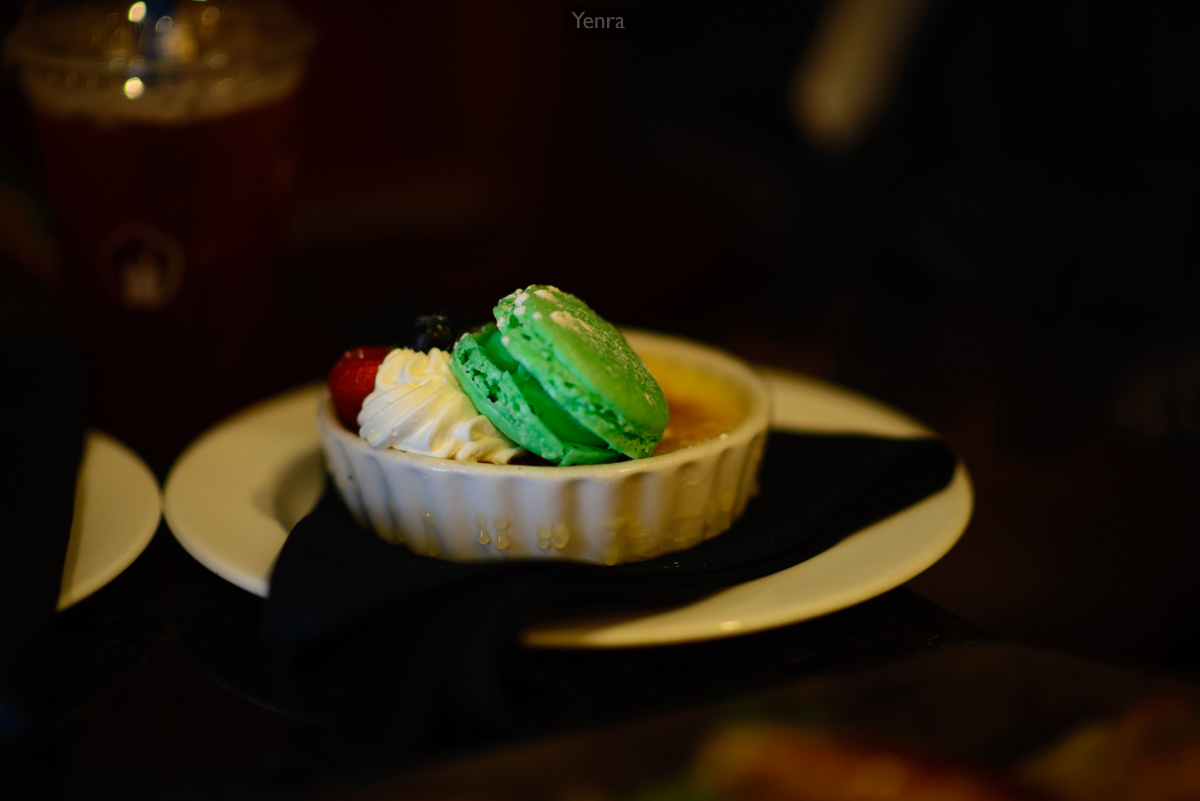
Explore a familiar tabletop subject through viewpoint, surrounding objects and a chosen point of focus.

Try leaves behind and around a portrait, using the plants and comfortable space already available.

Explore a bag as part of a portrait through shape, placement and a comfortable way to hold it.
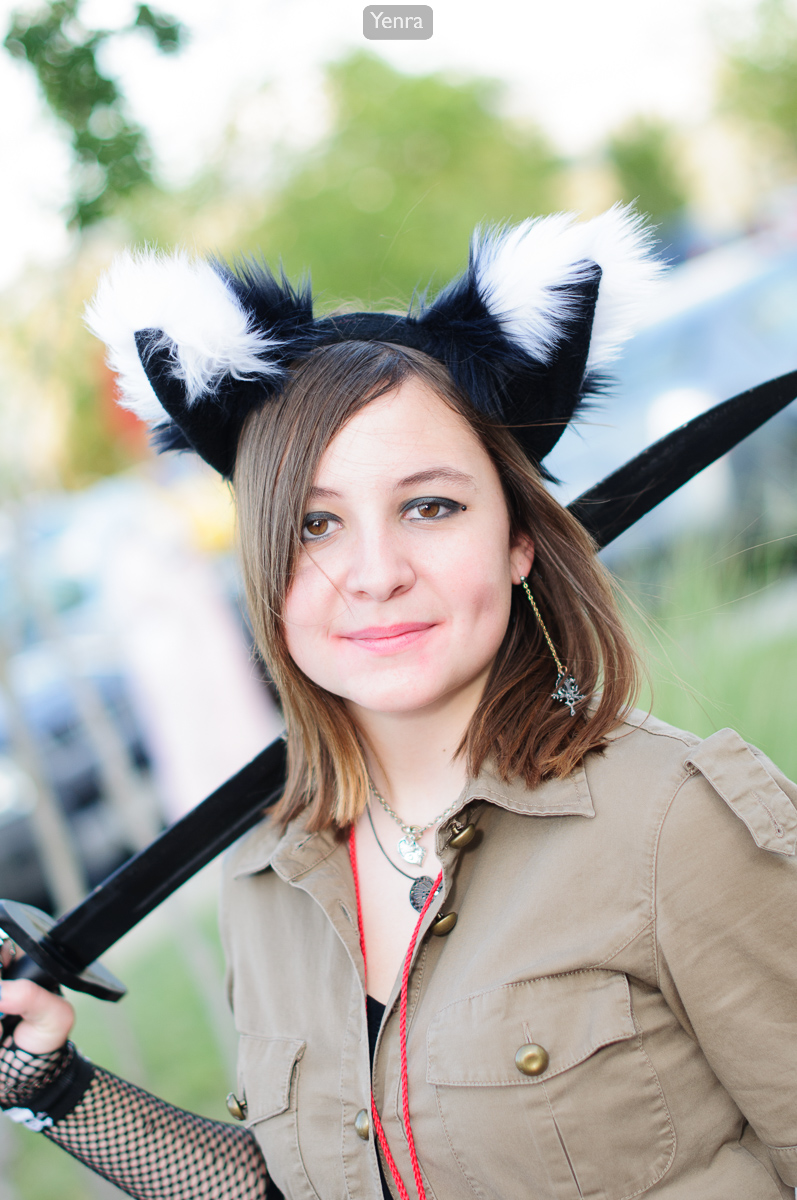
Explore costume-ear outlines, the face, and the space around them.

Explore overlap, framing and comfortable positions beside a column.

Explore comfortable positions and framing for two bright, textured props.

Explore comfortable placements and framing for a long costume prop.
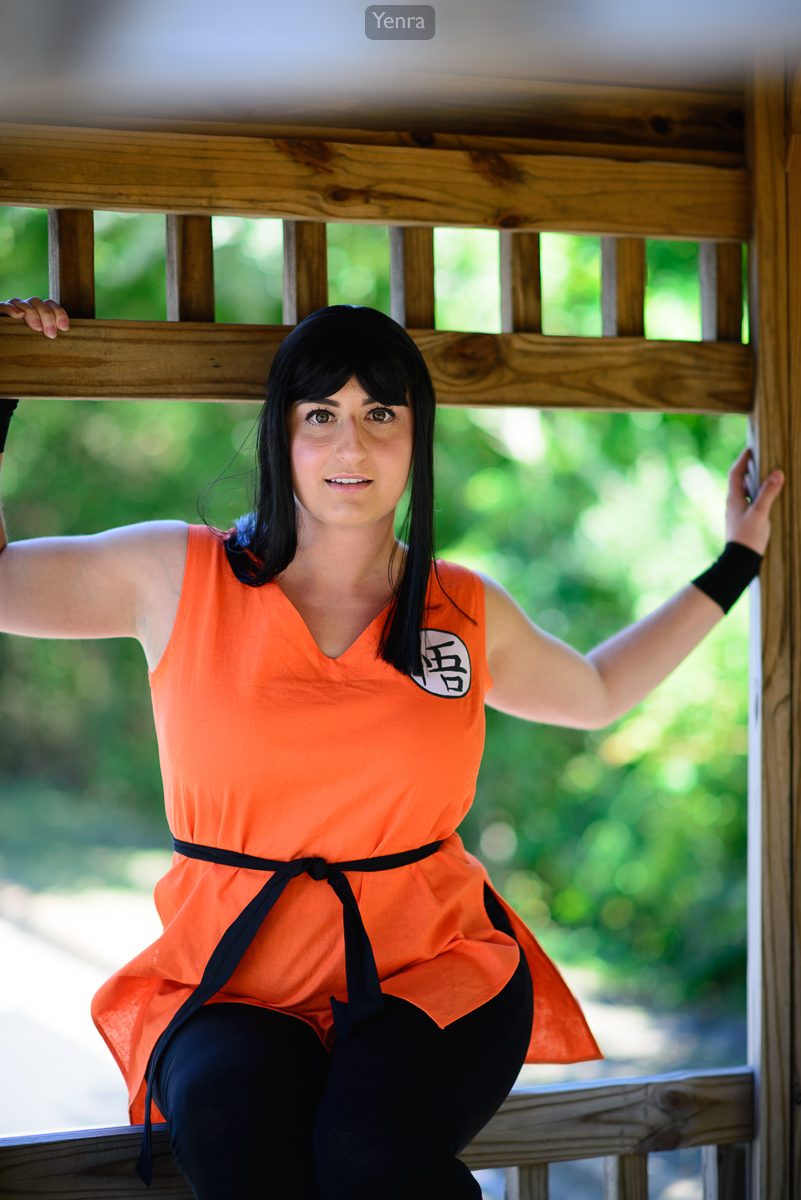
Explore framing, foreground rails and the view beyond an open shelter.

Let a pattern, a few soft points or one lamp become part of a portrait.

Explore comfortable portrait variations with the model, using the shape and setting of a bench.
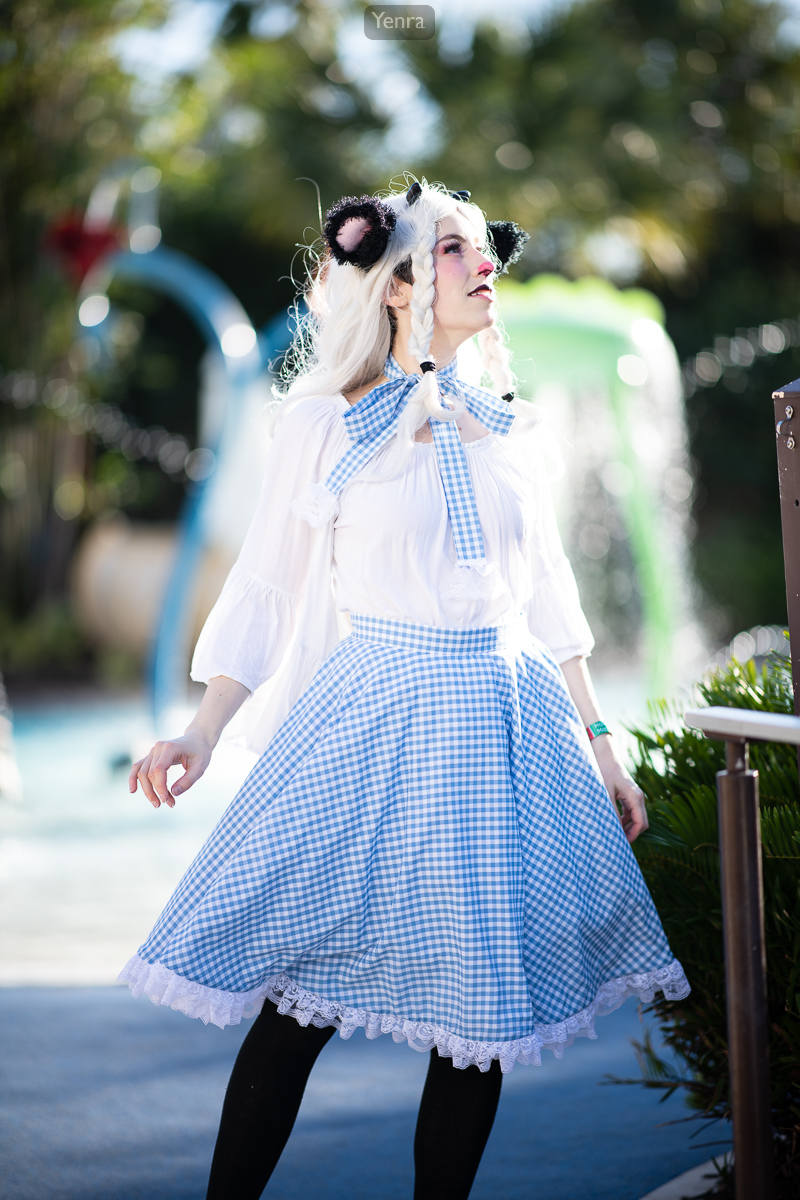
Explore a skirt’s outline with the model, from a relaxed shape to a wider sweep of fabric.
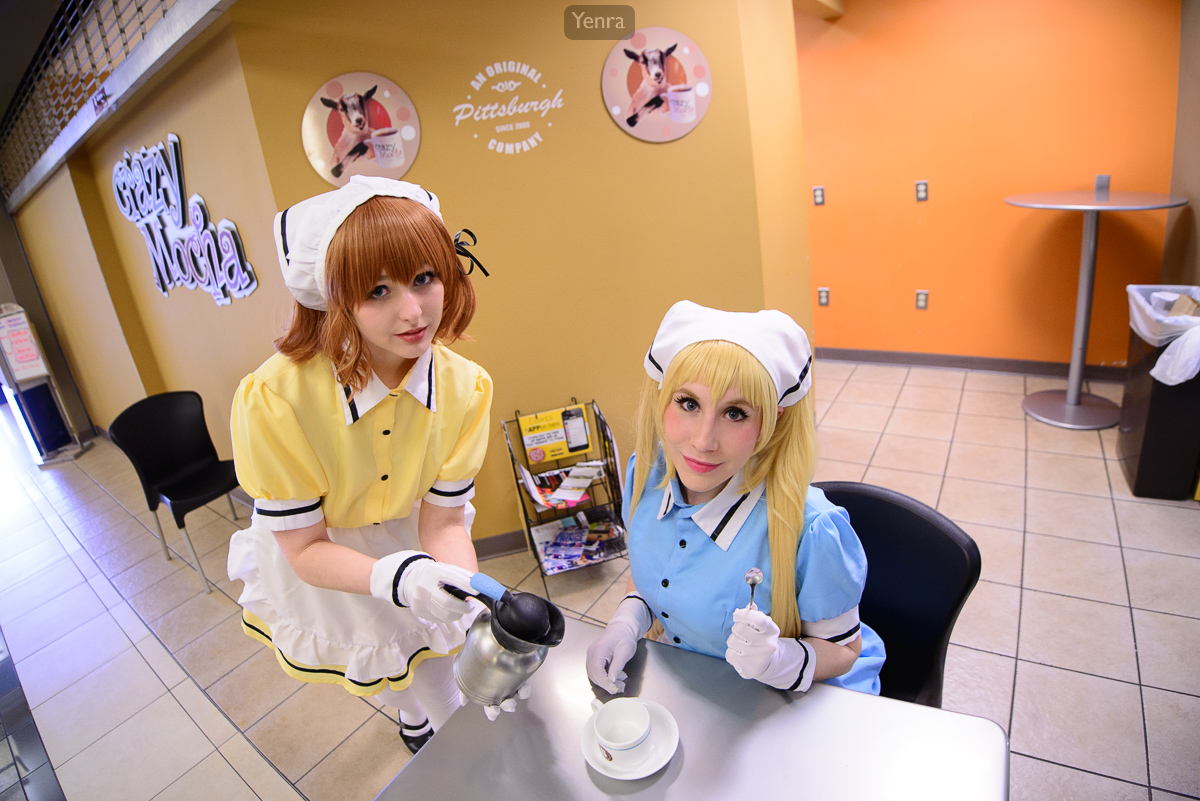
Explore how a table, familiar objects and comfortable gestures can contribute to a portrait.

Find room for a model and painted surroundings to share the frame.
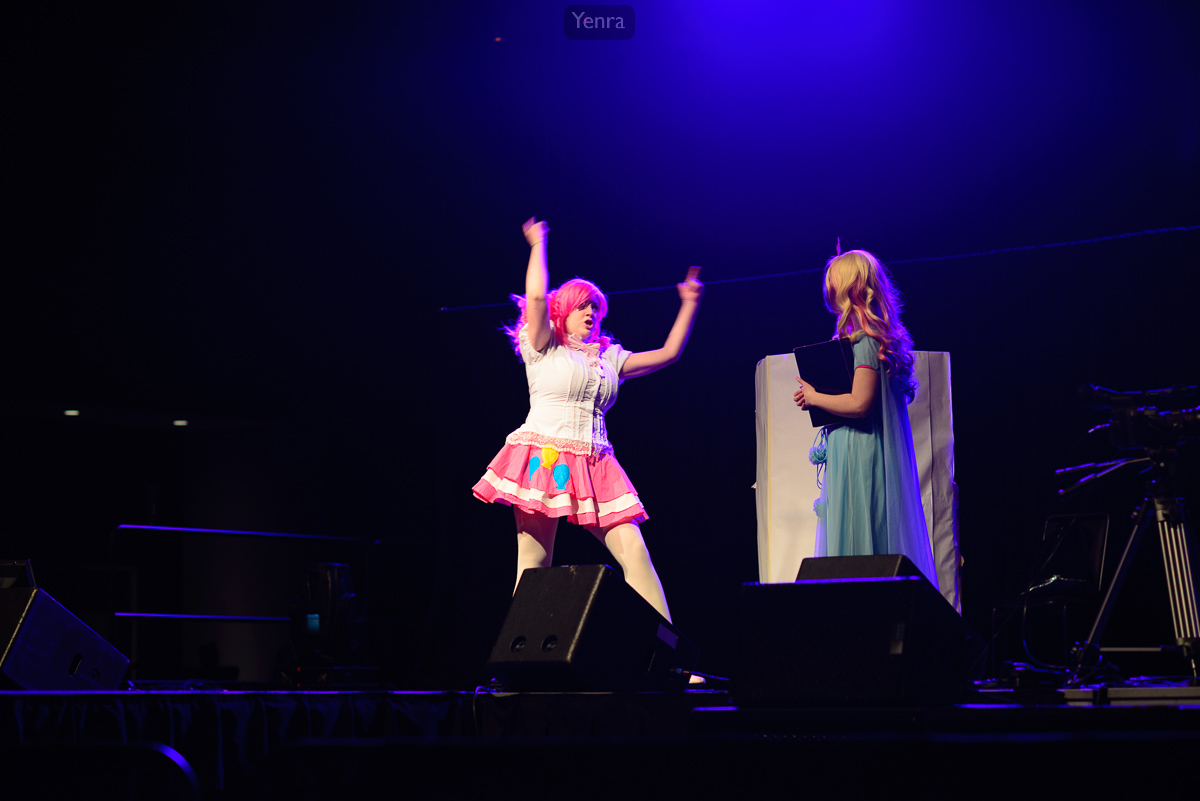
Leave room for movement and discover what a quieter exchange contributes.
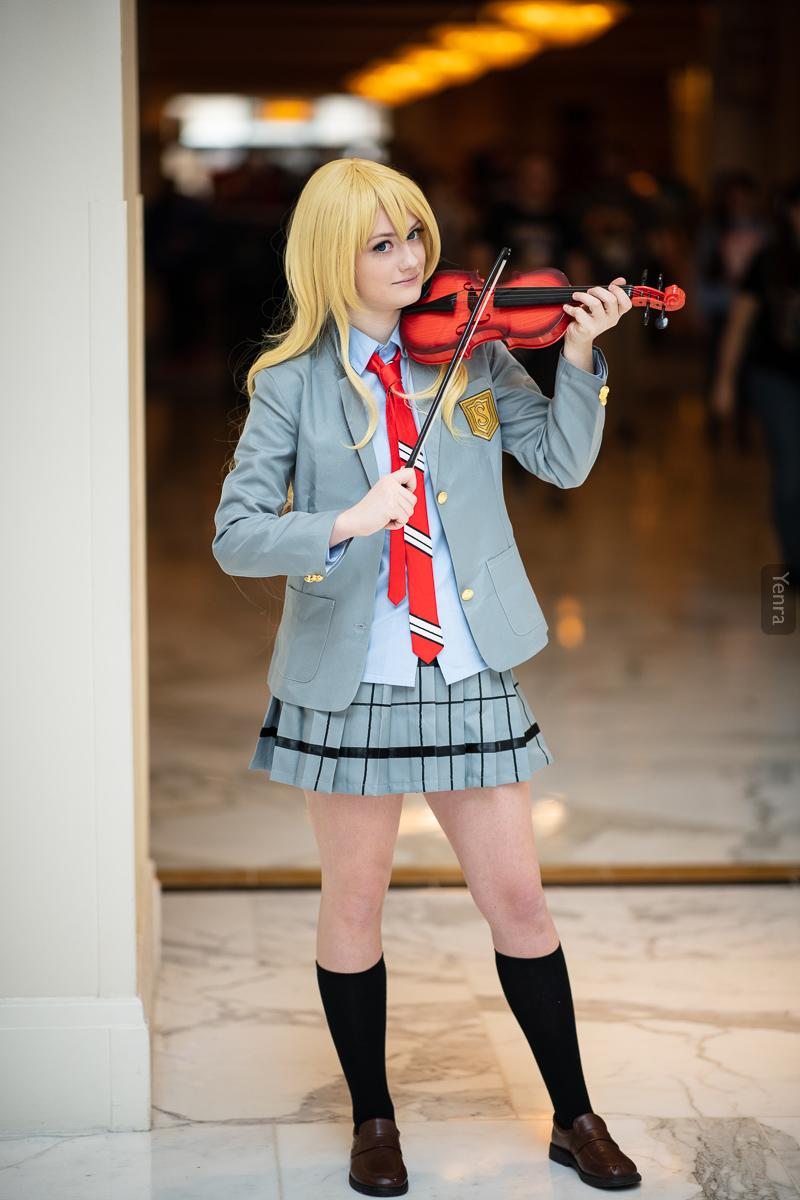
Explore the connection between a face, hands, and an instrument or prop.
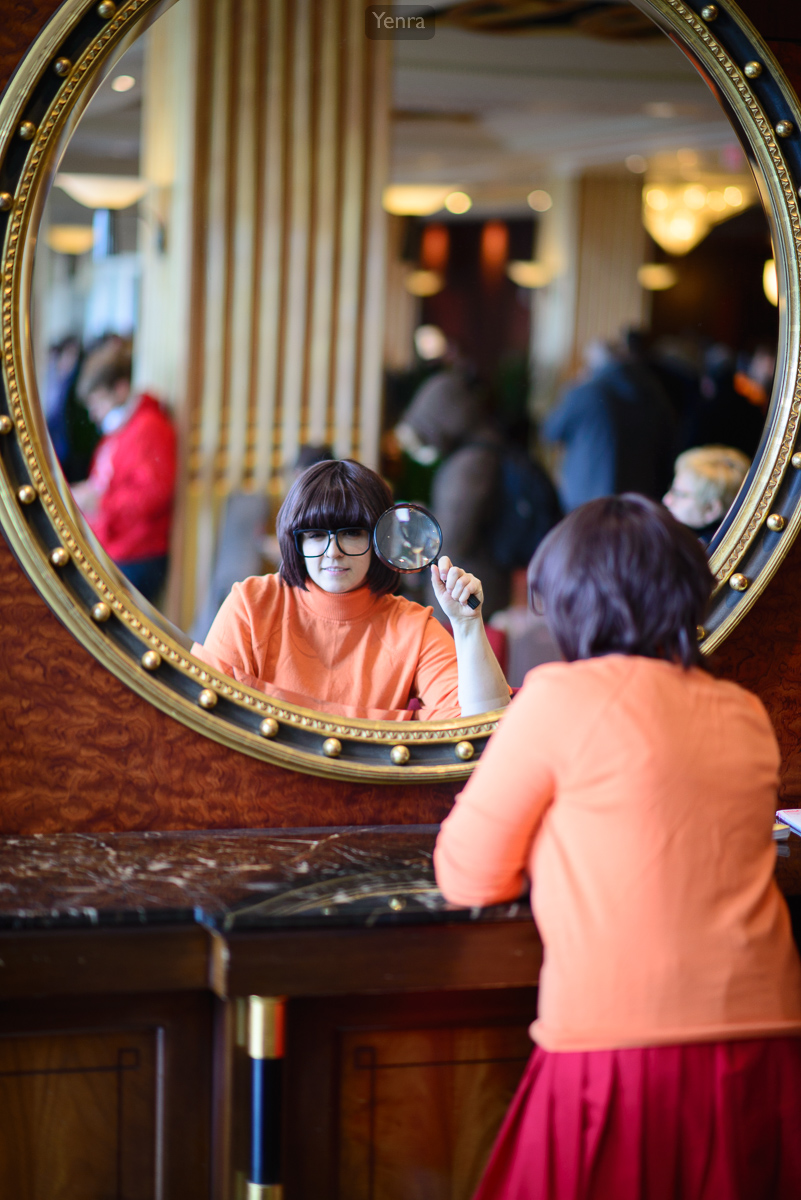
Choose the reflected or directly seen face as your focus, then compare.
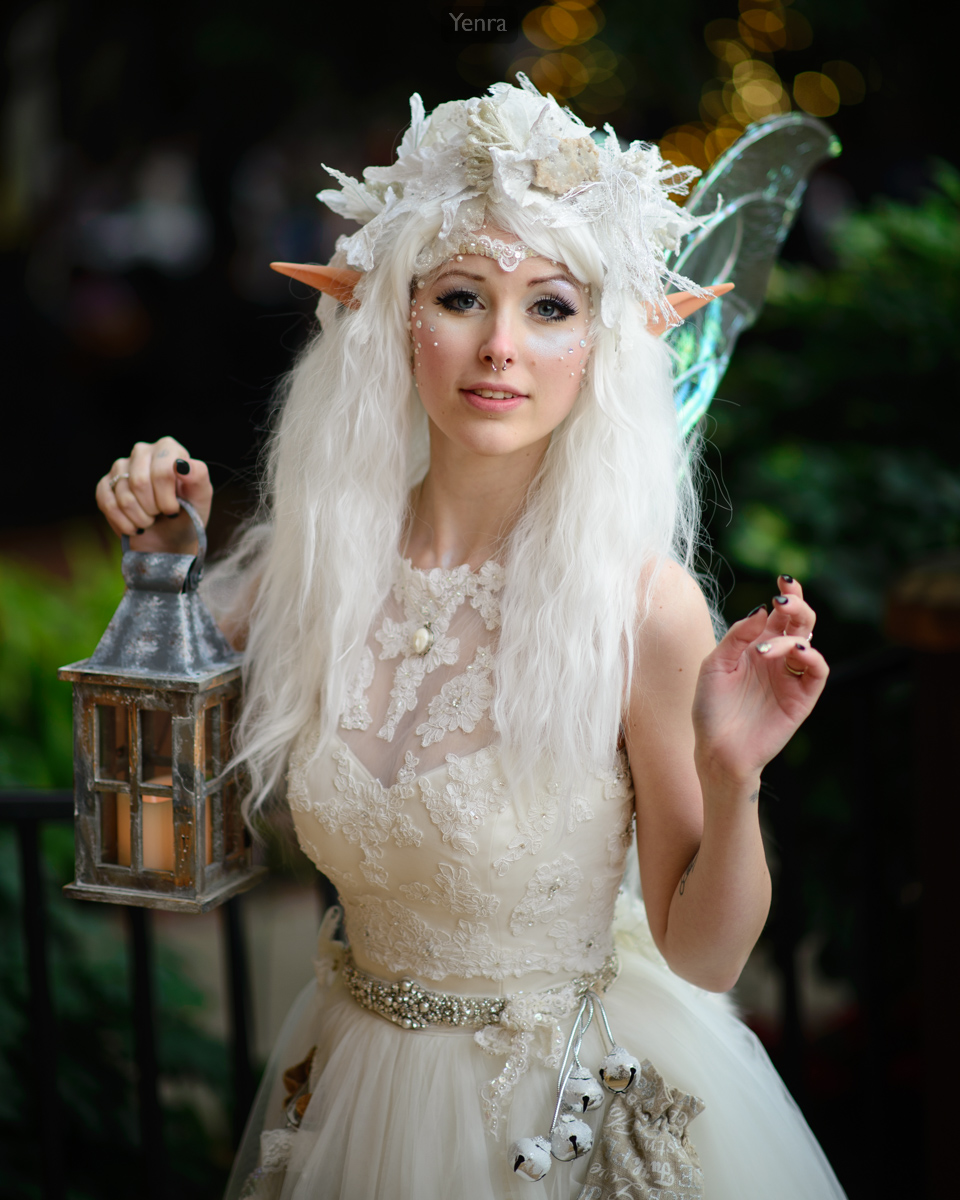
Let a held lantern suggest small changes of gesture, gaze, and framing.
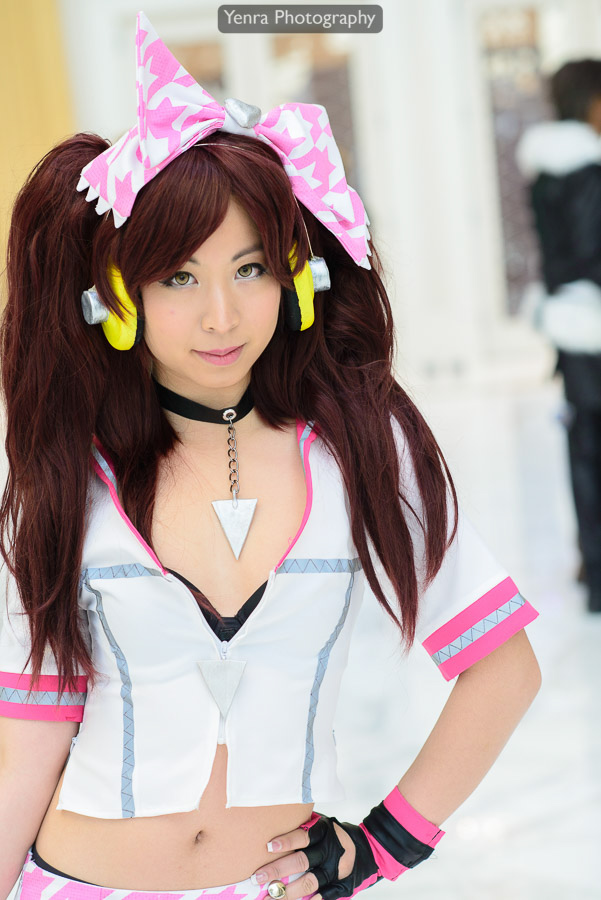
Explore the shapes beside a face, a wider gesture, and the surroundings with familiar headphones.
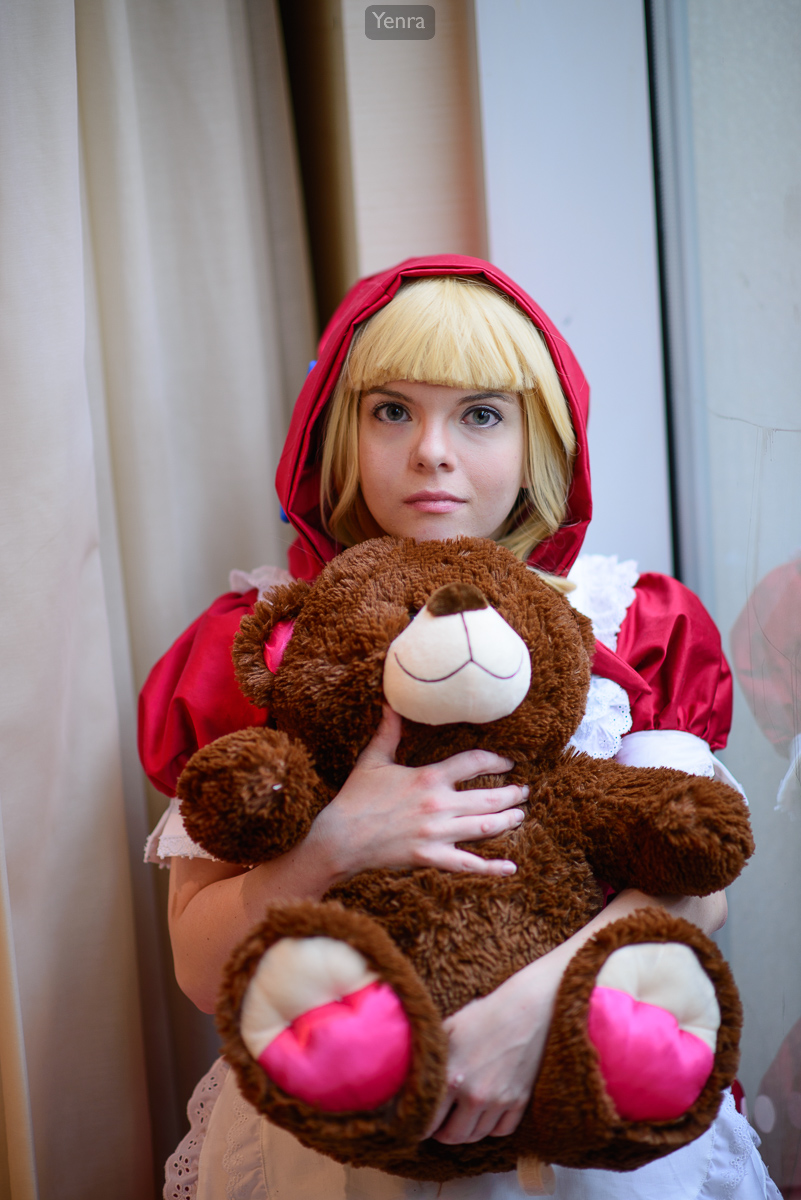
Explore a comfortable hold, a shared portrait, and a playful companion picture with a familiar soft toy.

Explore a comfortable hold, an offering gesture, and a closer view with a familiar cup.
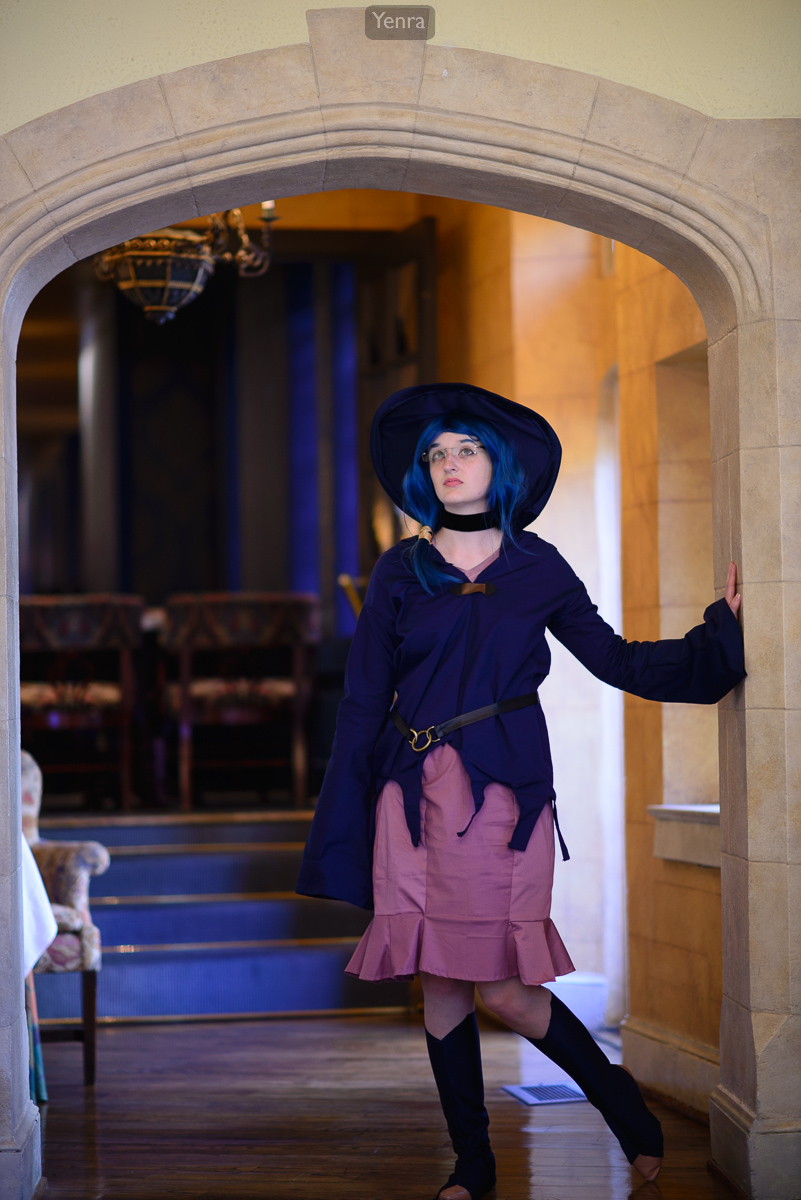
Explore a comfortable position, the doorway around it, and a little of the surrounding room.
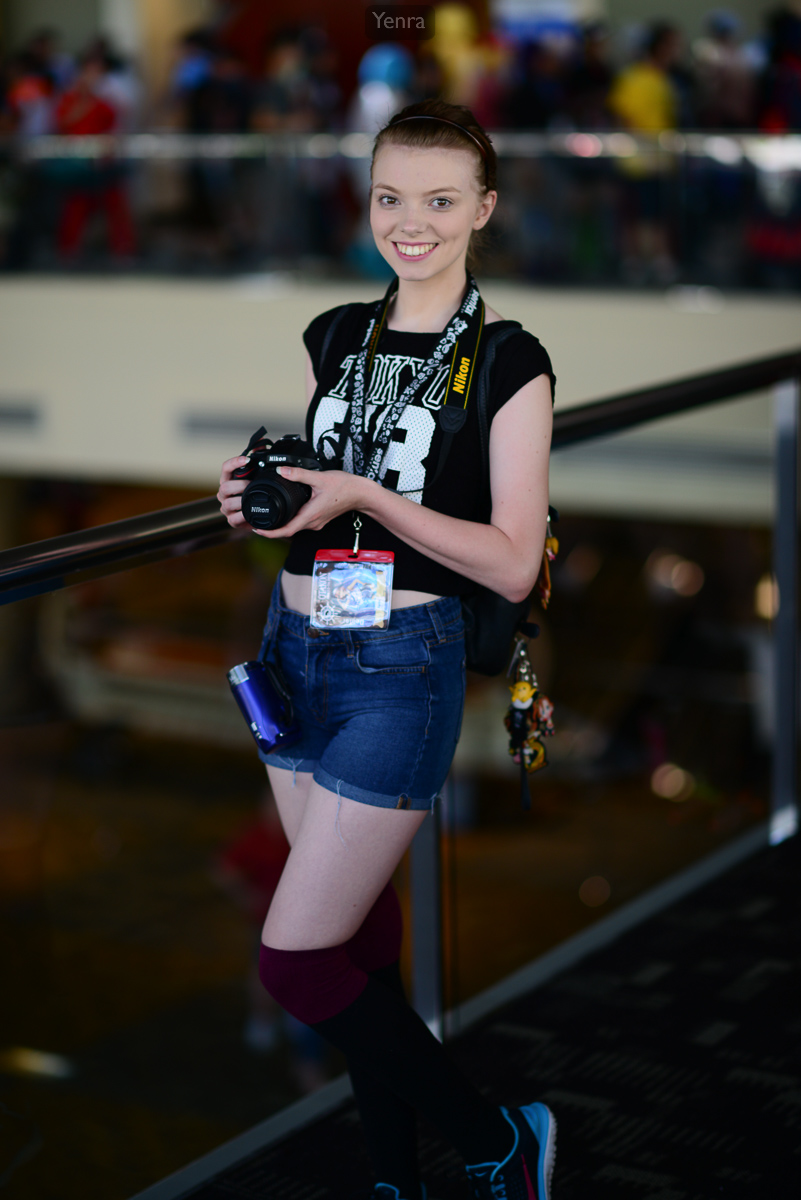
Explore the connection between a person, their hands, and a camera in the frame.

Explore the connection between hands, pages, gaze, and the surrounding setting.
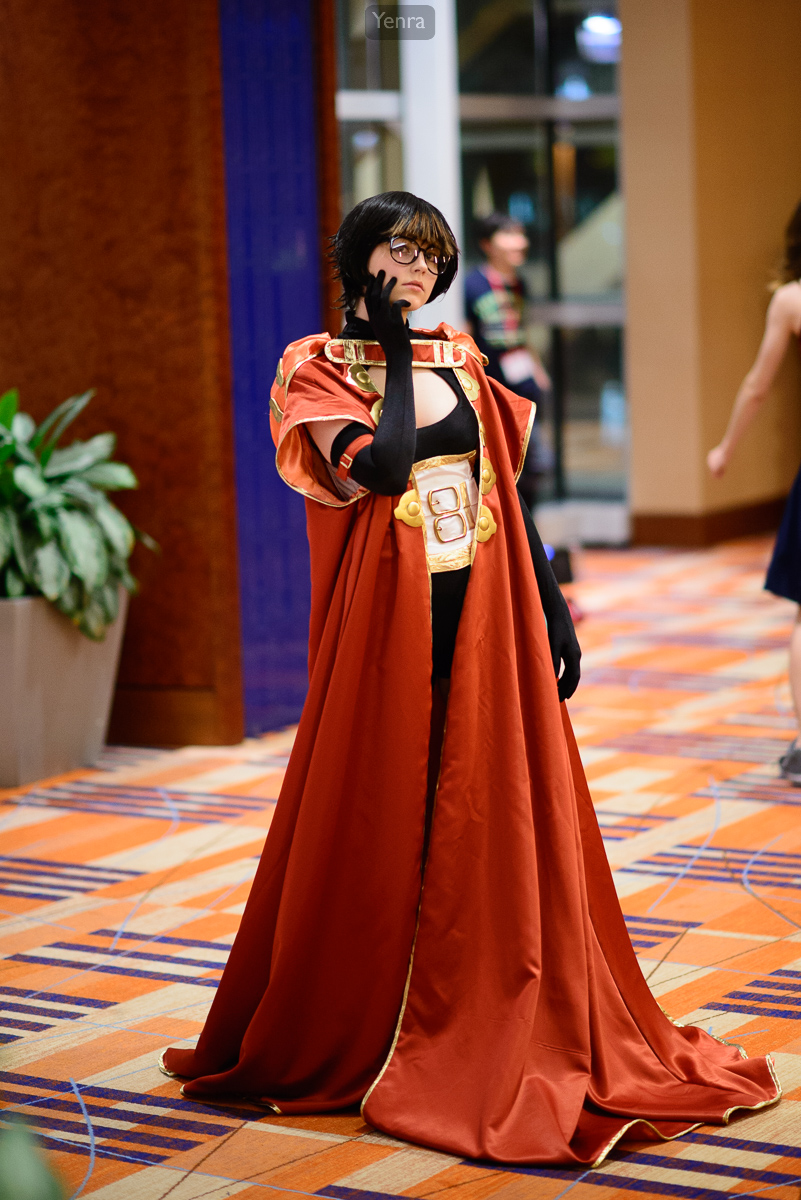
Explore a cape's drape, a wider shape, and a comfortable turn.

Explore the face, hands, and curved shape of a folding fan.
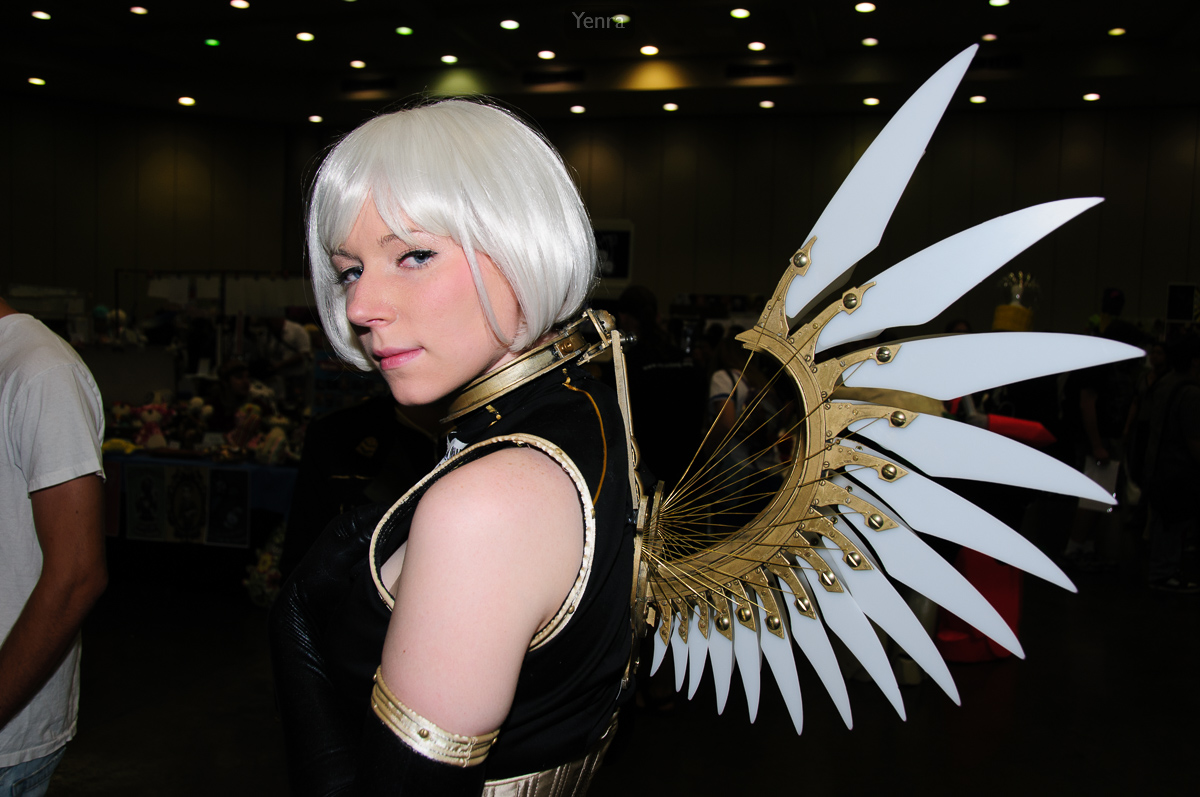
Give the face and wing shapes room to work together.
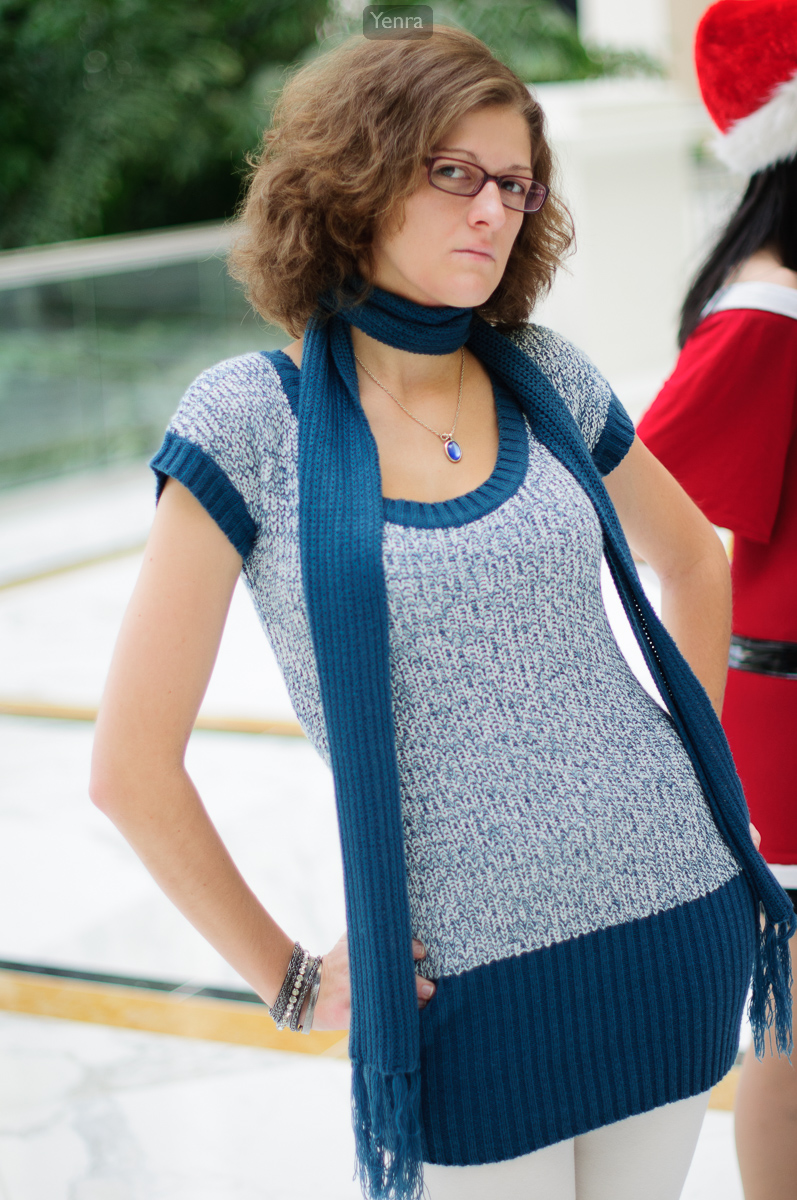
Follow long shapes, folds, and texture with a willing portrait partner.
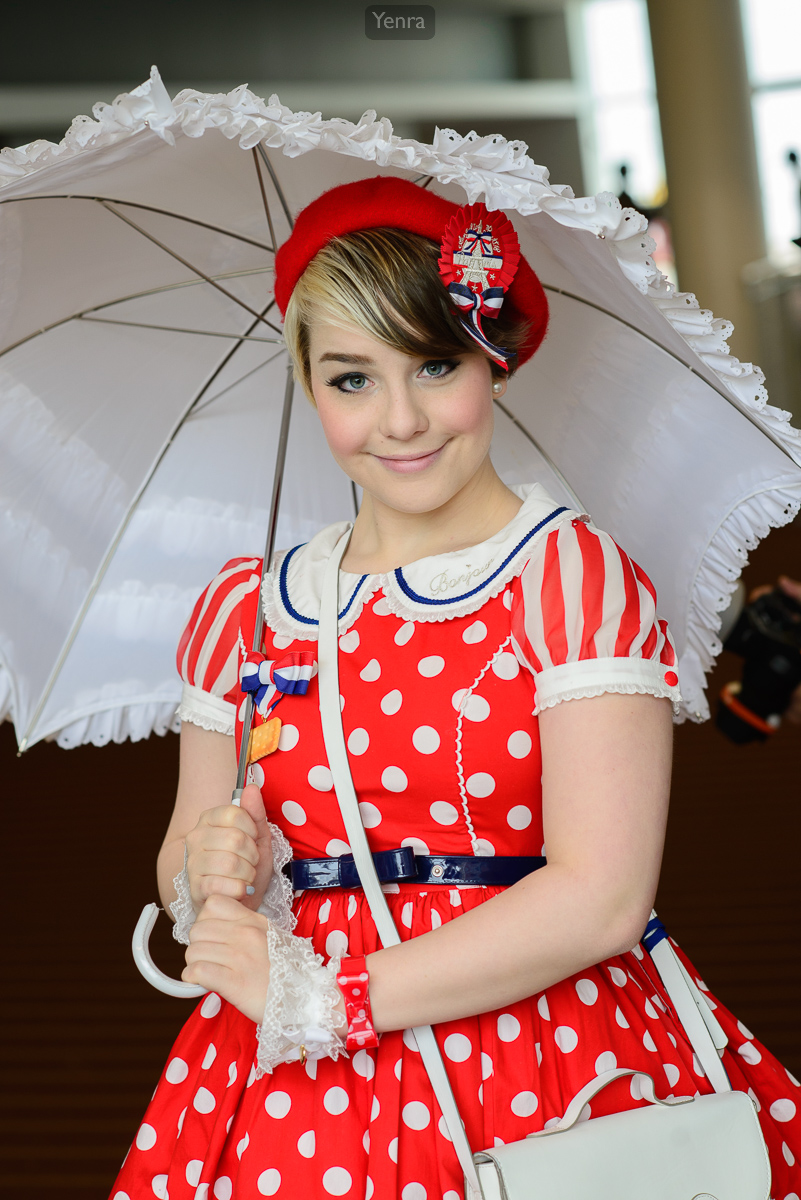
Explore an open canopy, a folded shape, and a comfortable turn together.
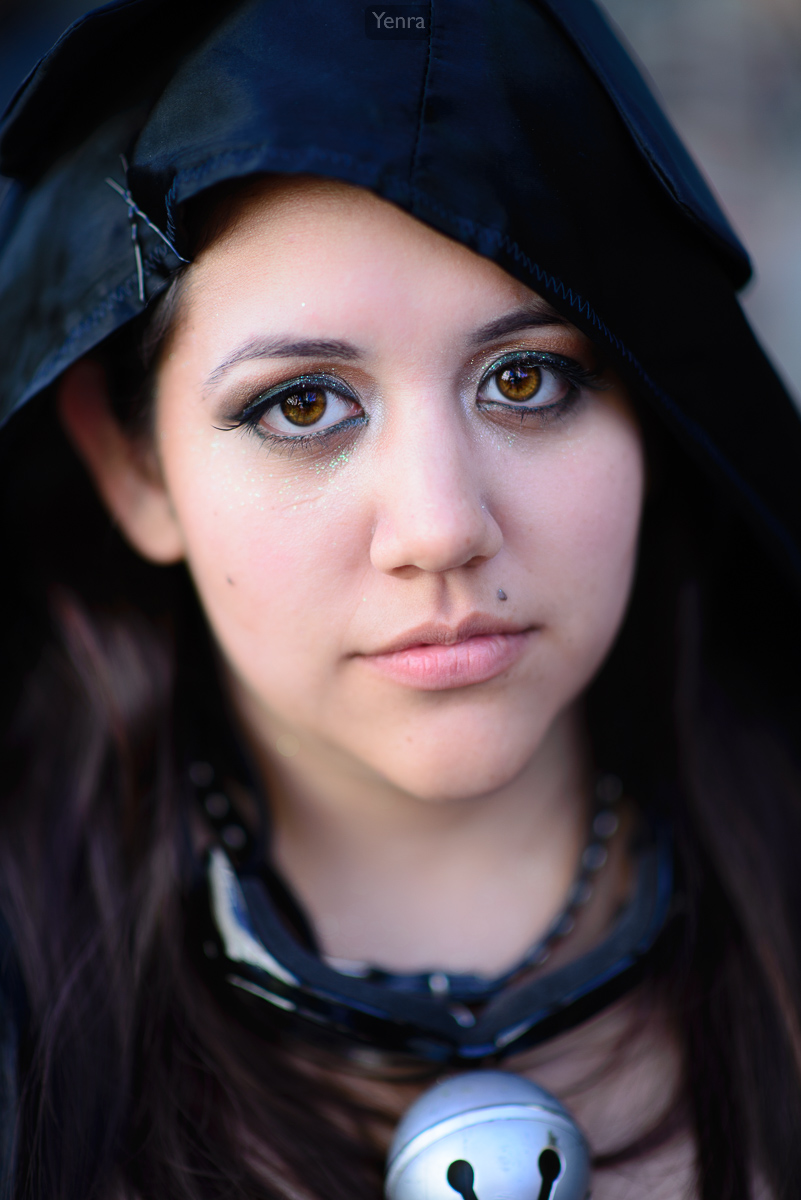
Explore the opening, folds, and color of a hood together.
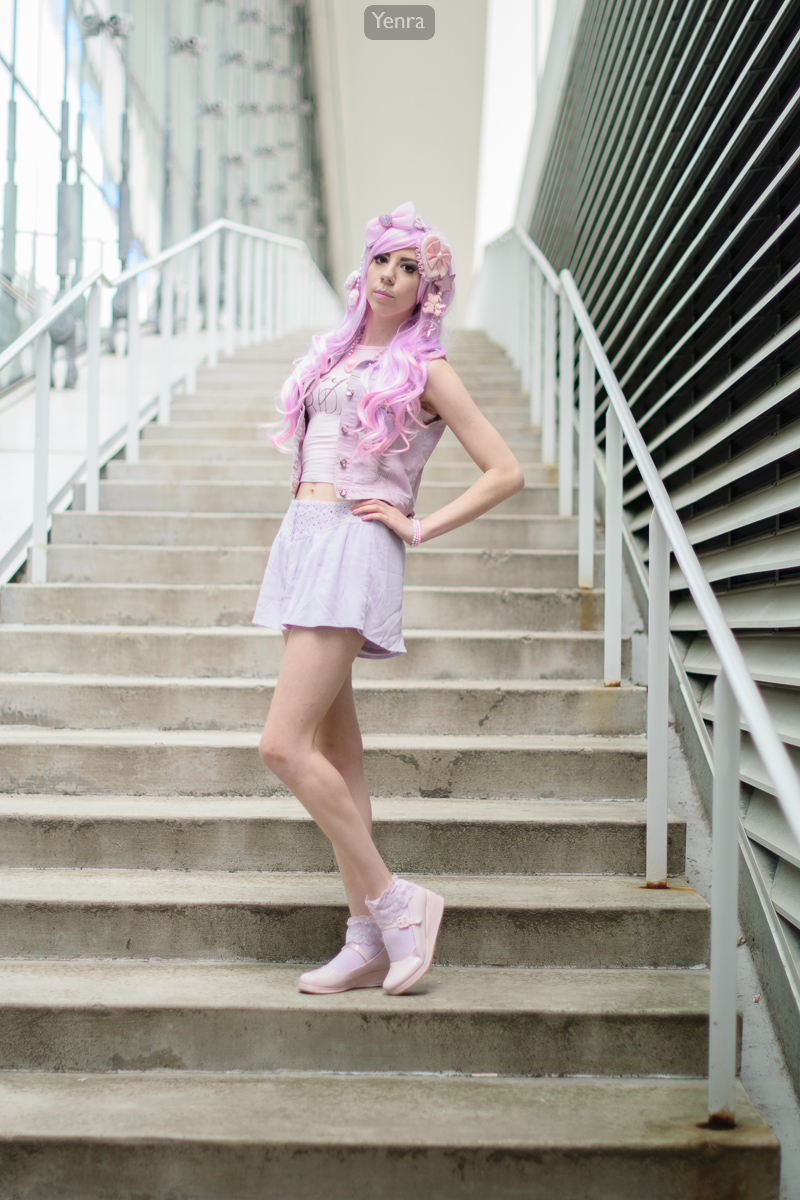
Explore repeated step edges and comfortable variations together.

Let water, shoreline, and sky contribute to a comfortable portrait.
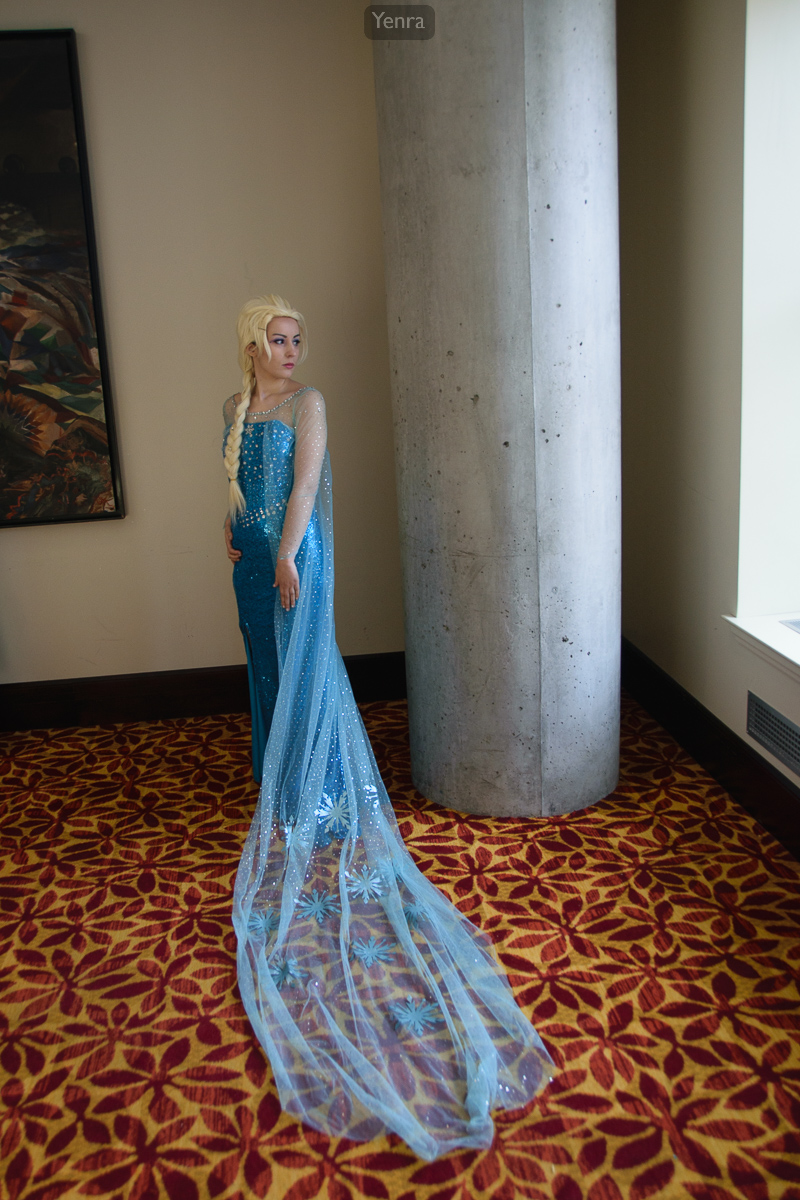
Try comfortable variations in gaze, position, and framing beside a window.

Explore texture, gesture, and comfortable shared choices beside a wall.

Explore frames, reflections, and small shared choices with a portrait partner who wears glasses.

Enjoy the surroundings in a portrait and try small choices together amid everyday activity.

Explore how flowers, faces, hands, and surrounding space can share a portrait.

Discover how ground, clothing, and gesture enter a portrait viewed from above.
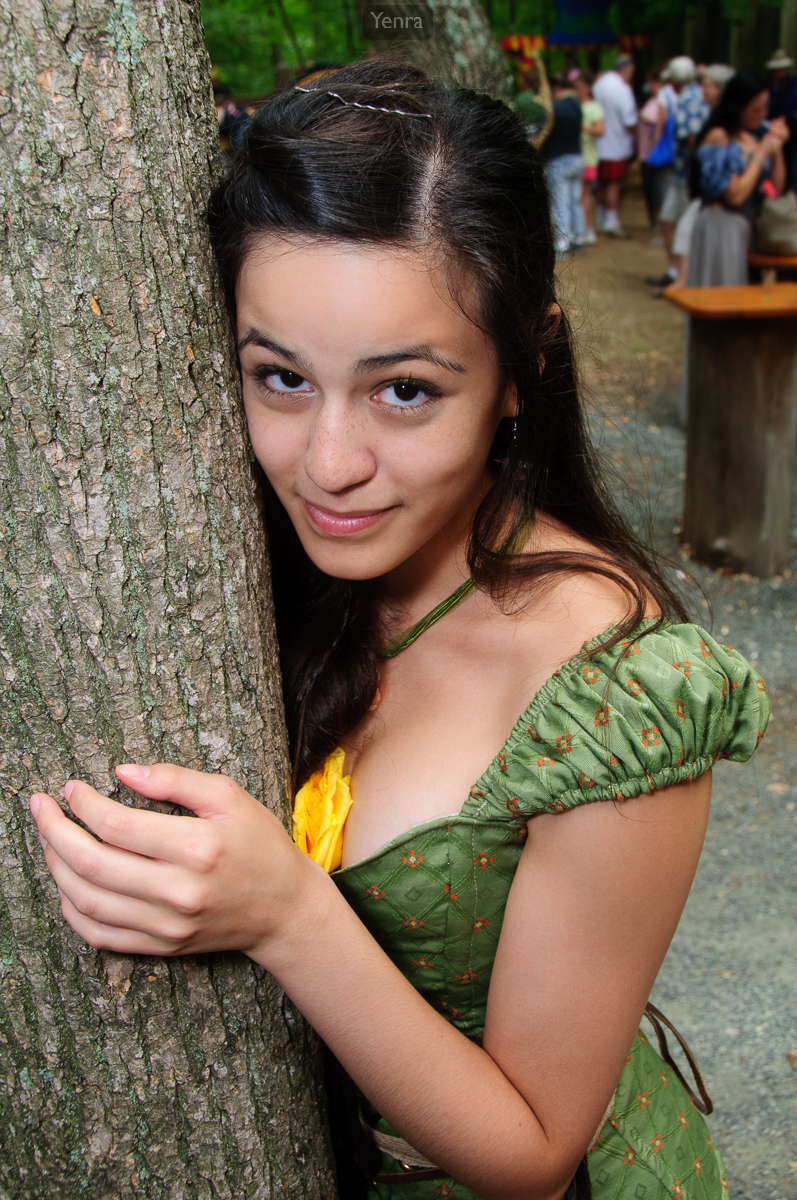
Explore bark, the edge of a trunk, and comfortable choices for a portrait in a familiar place.

Discover what a mask, its outline, and its decoration bring to a portrait.
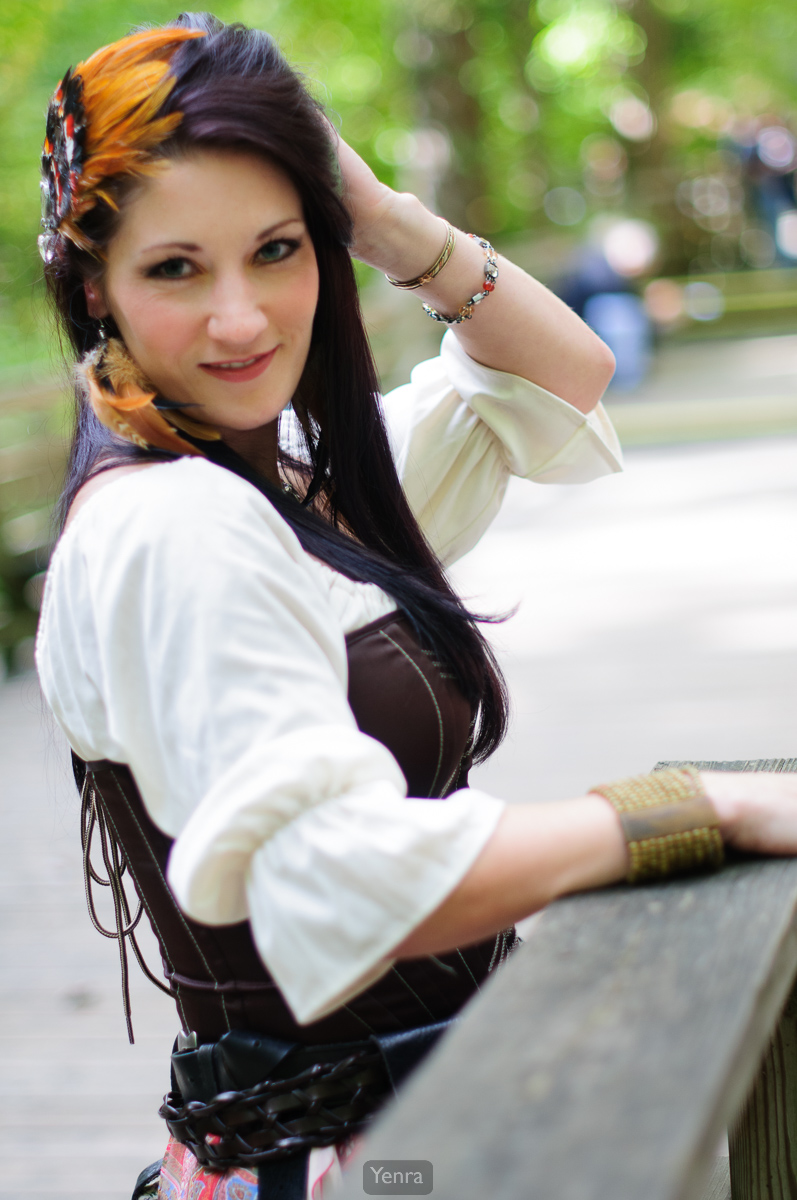
Explore resting hands, a line through the picture, and wider or closer views.

Explore how a brim, a small tilt, and framing change a portrait.

Explore a face from the front and the side.
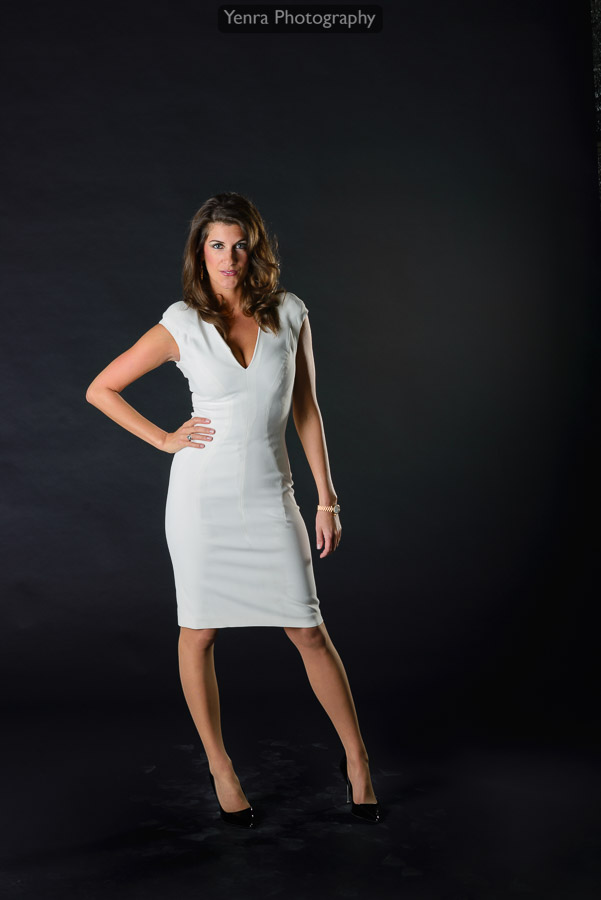
Compare the outlines and details that lighter and darker surroundings reveal.
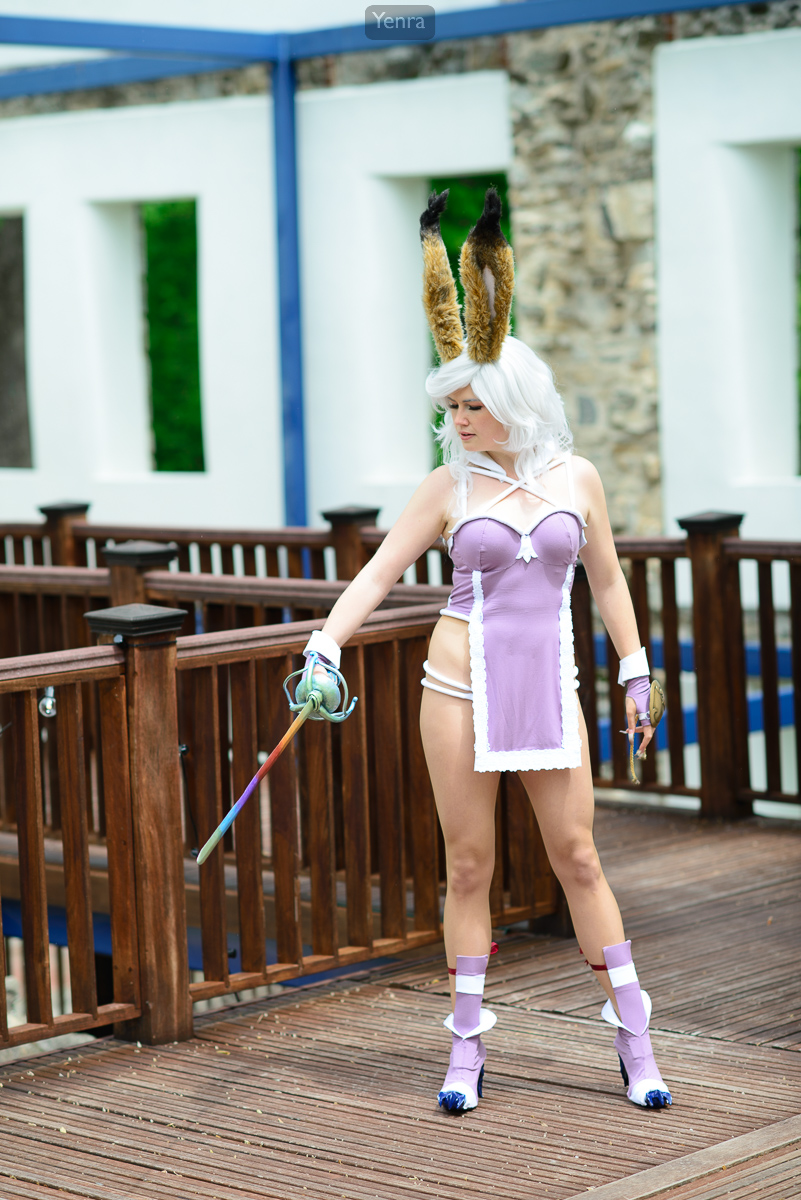
Try small variations from a comfortable standing position.
Credit: whatthehaps

Discover small variations from a comfortable seat.

Try a small turn and explore the face, shoulders, and setting.

Notice what enters, leaves, or meets the picture boundary.

Try resting hands, a small gesture, or another comfortable choice.

Try a closer portrait and one with more of the setting.

Try comfortable directions of gaze with a portrait partner or yourself.

Explore what an ordinary object adds to gesture, shape, and context.
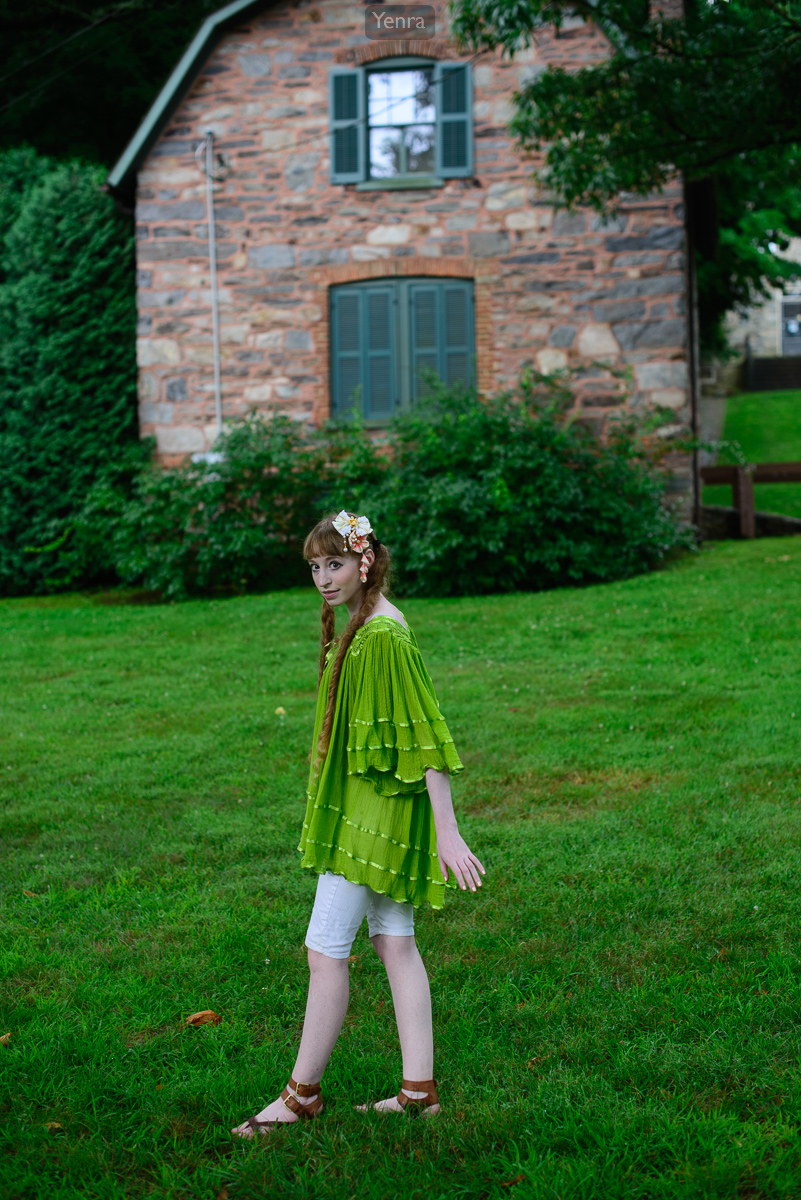
Explore what vertical and horizontal picture shapes make room for.

Give a favorite detail a photograph of its own.
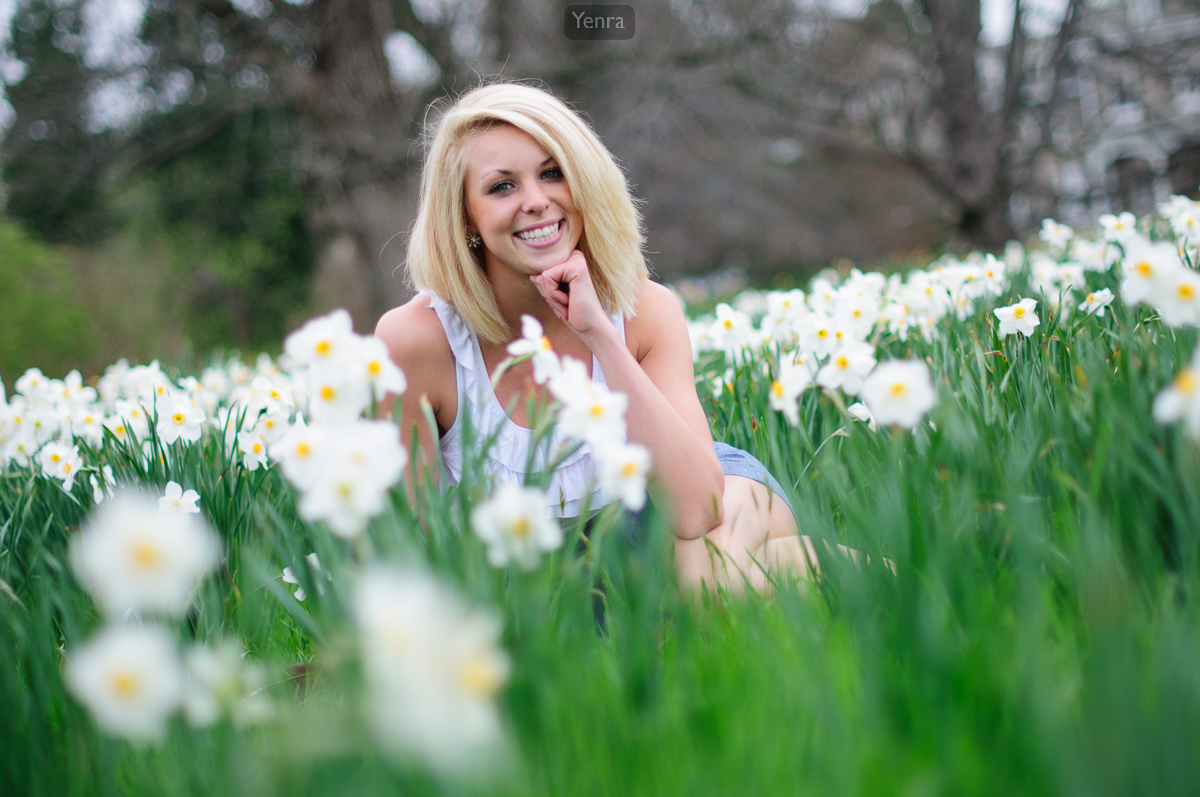
Change an overlap with a small shift in camera position.
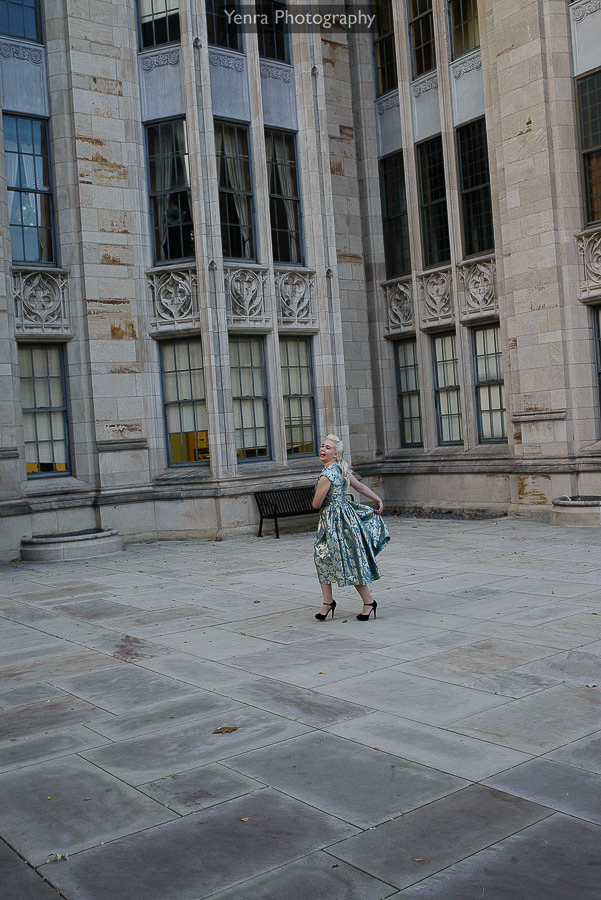
Choose a moment within a comfortable small action.
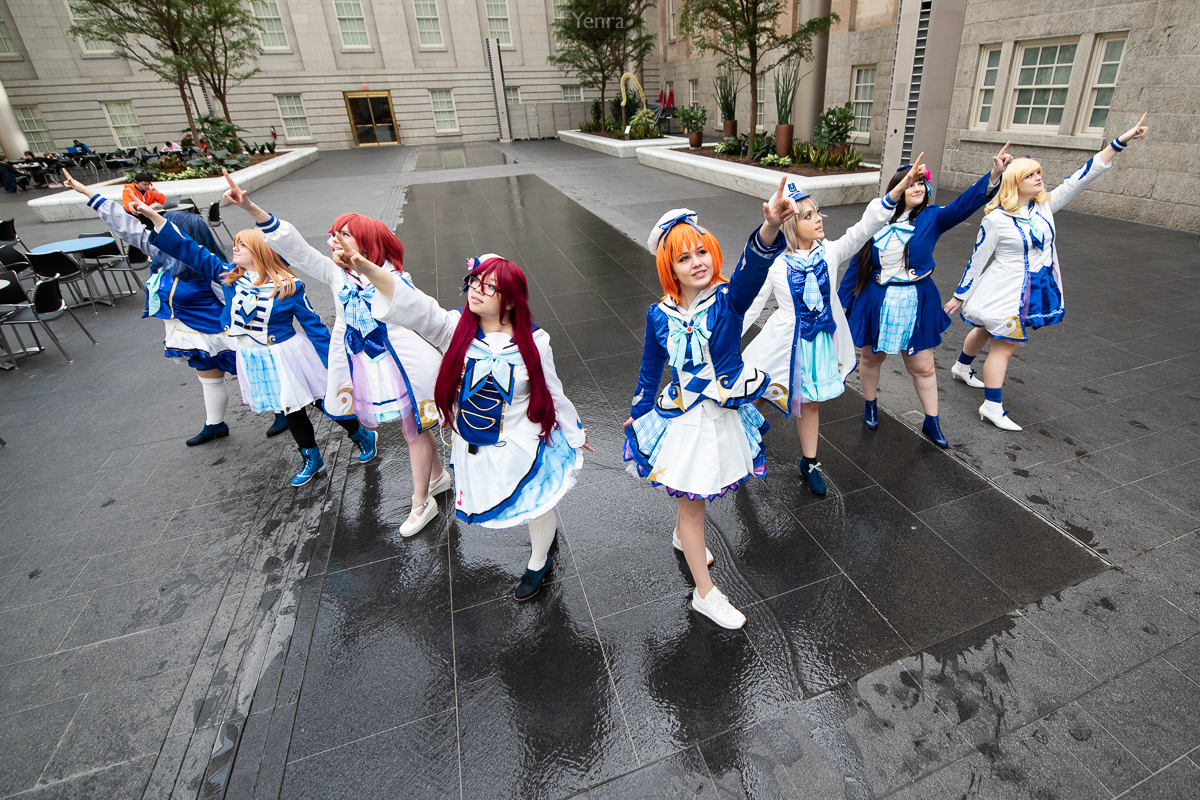
Explore spacing and shared gestures with willing collaborators.
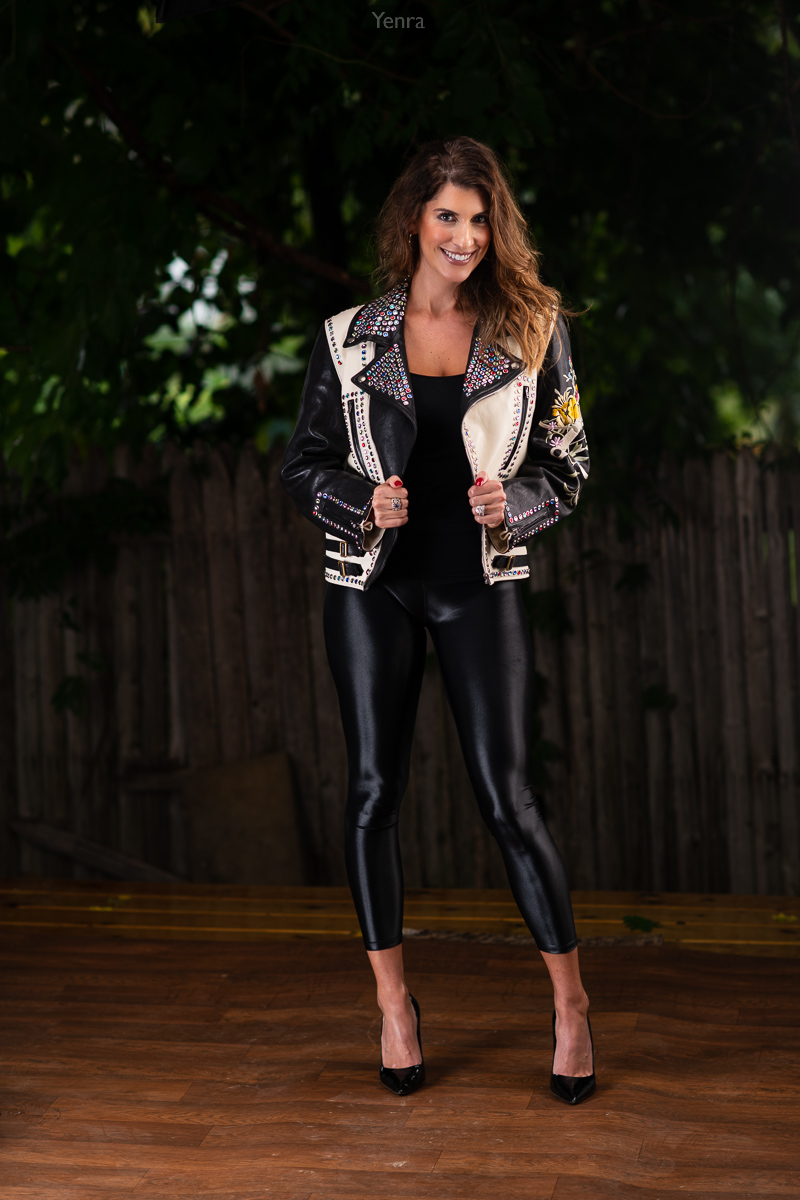
Choose what setting, clothing, hands, and expression contribute.
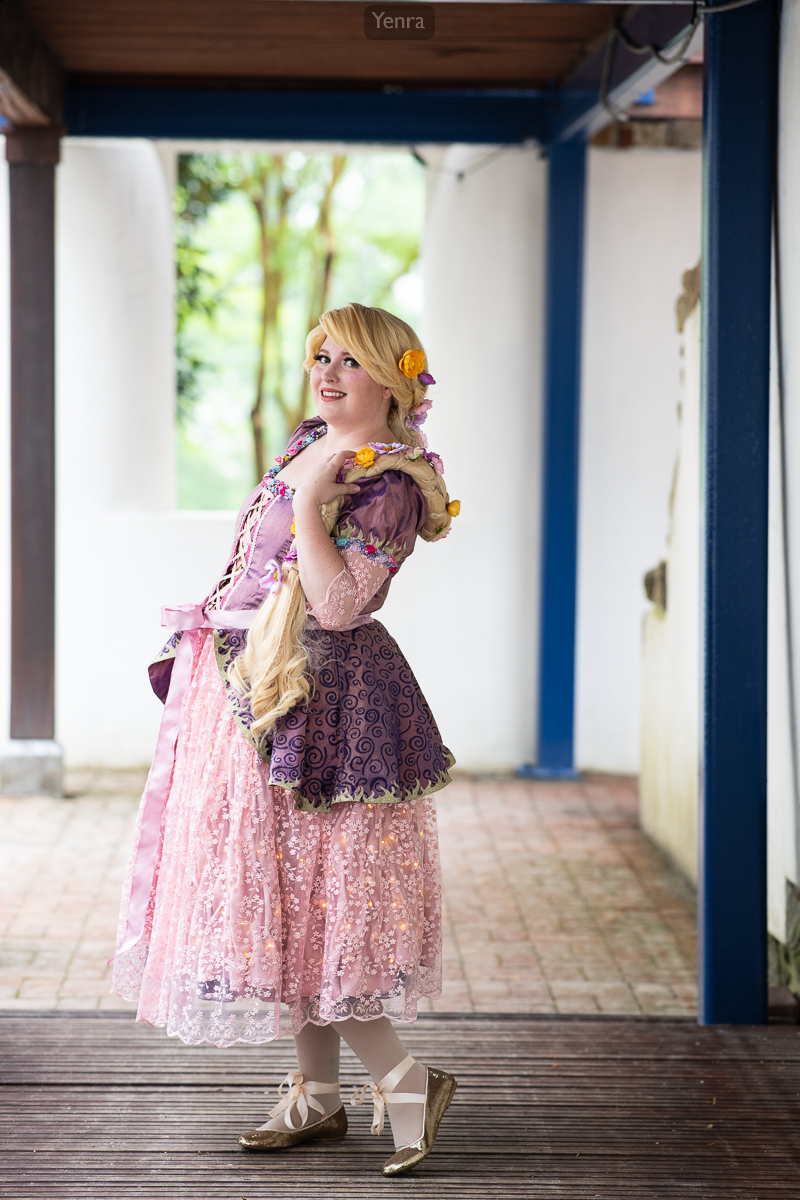
Follow hands, gaze, and changes between nearby frames.

Compose with the color and shape of out-of-focus areas.
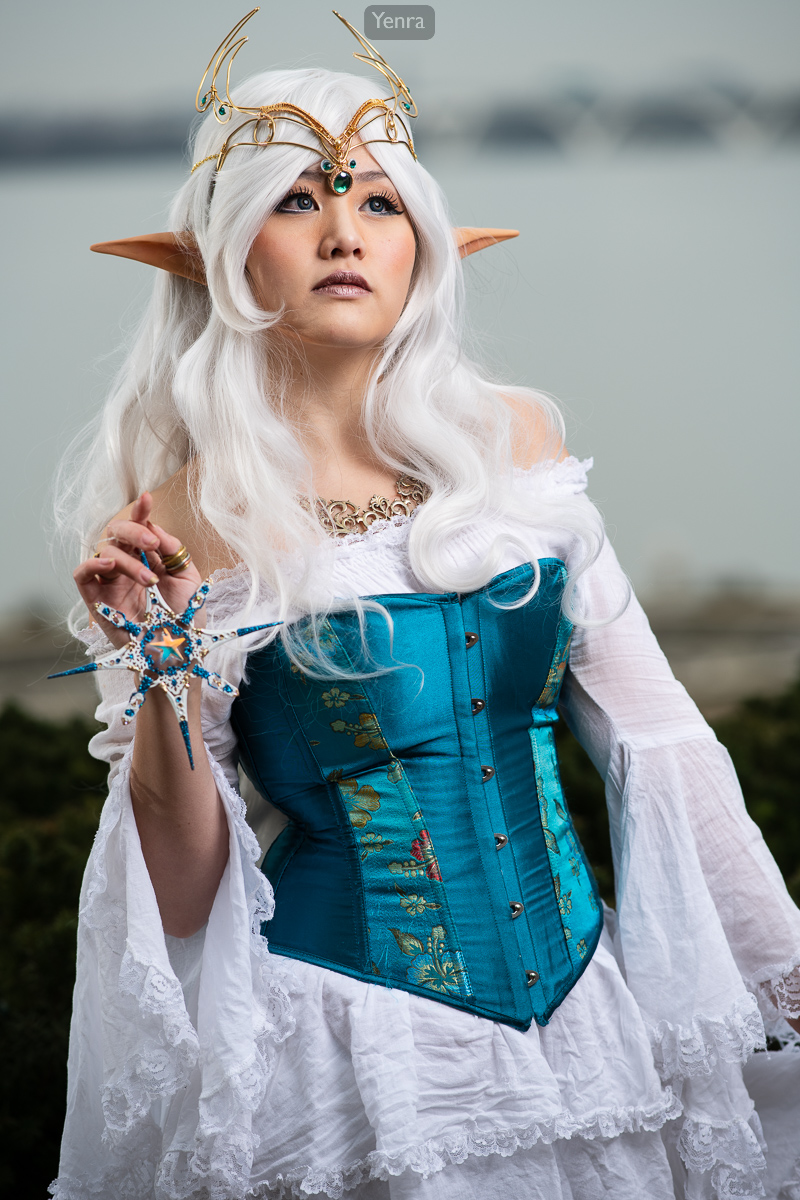
Make a study of a dominant color, an accent, and an echo.

Explore framing and viewpoint alongside the original lens notebook.
Connect a few photographs and keep a record of your discoveries.
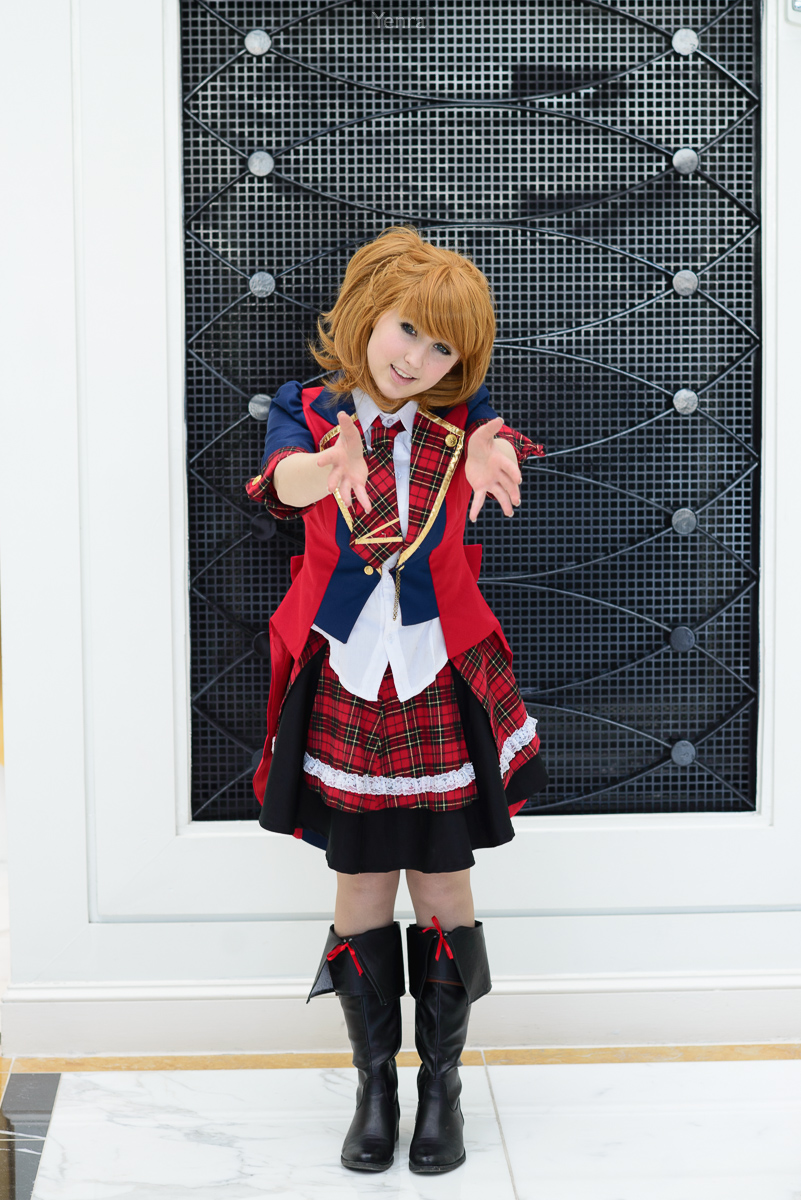
Arrange two standing variations and a seated view so a change in body level gives the sequence a different ending.

Arrange three portraits so a changing background color becomes the thread that carries a viewer through the set.
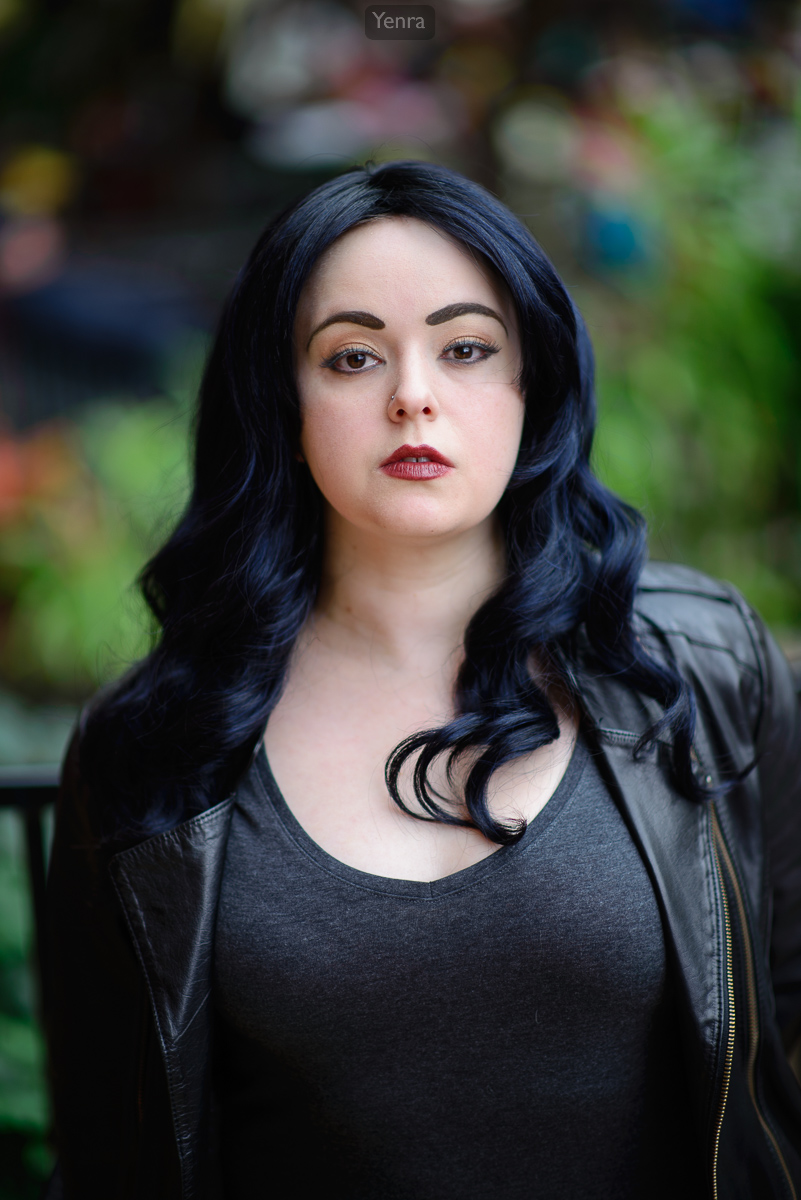
Begin close to a face, reveal a gesture, then finish by giving the person more space and context.

Find a visual echo across different portraits, using a familiar pose to connect varied costumes and settings.
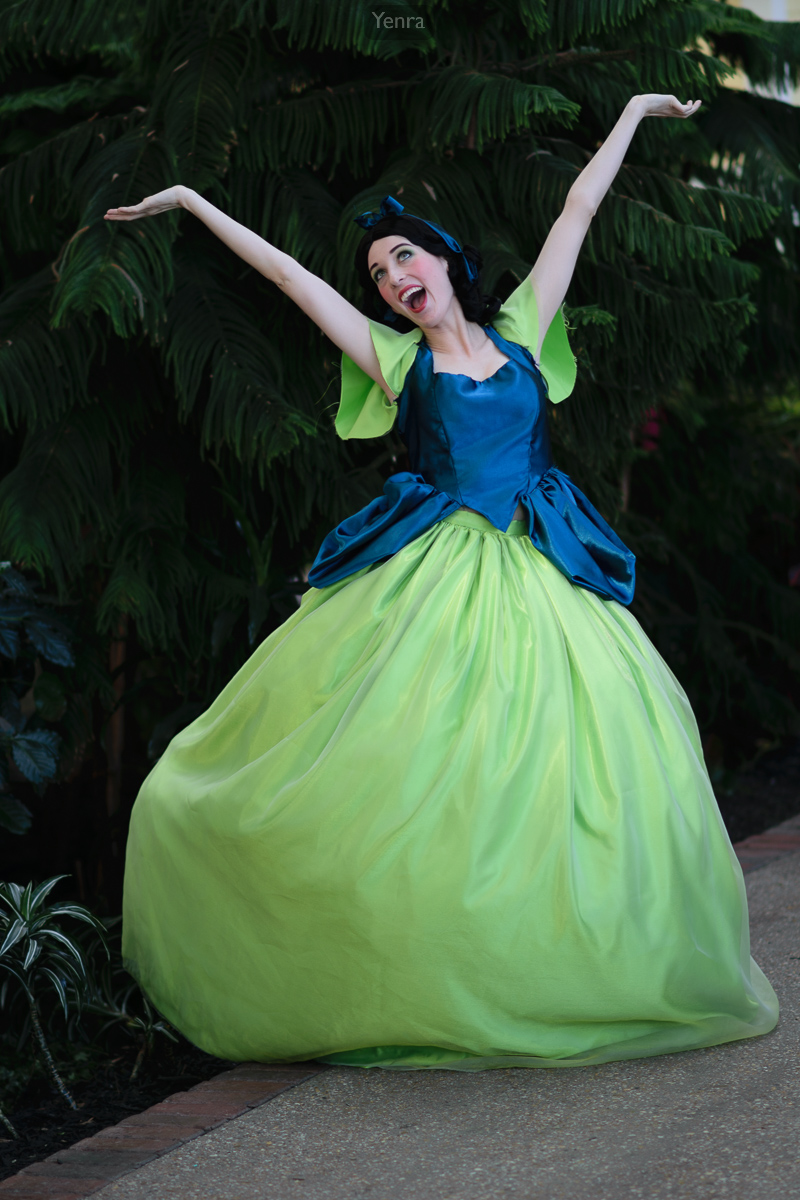
Introduce two portraits separately, then let a shared gesture give the sequence a playful ending.

Connect a green setting, a warm waterfront portrait and evening lights through one recognizable costume.
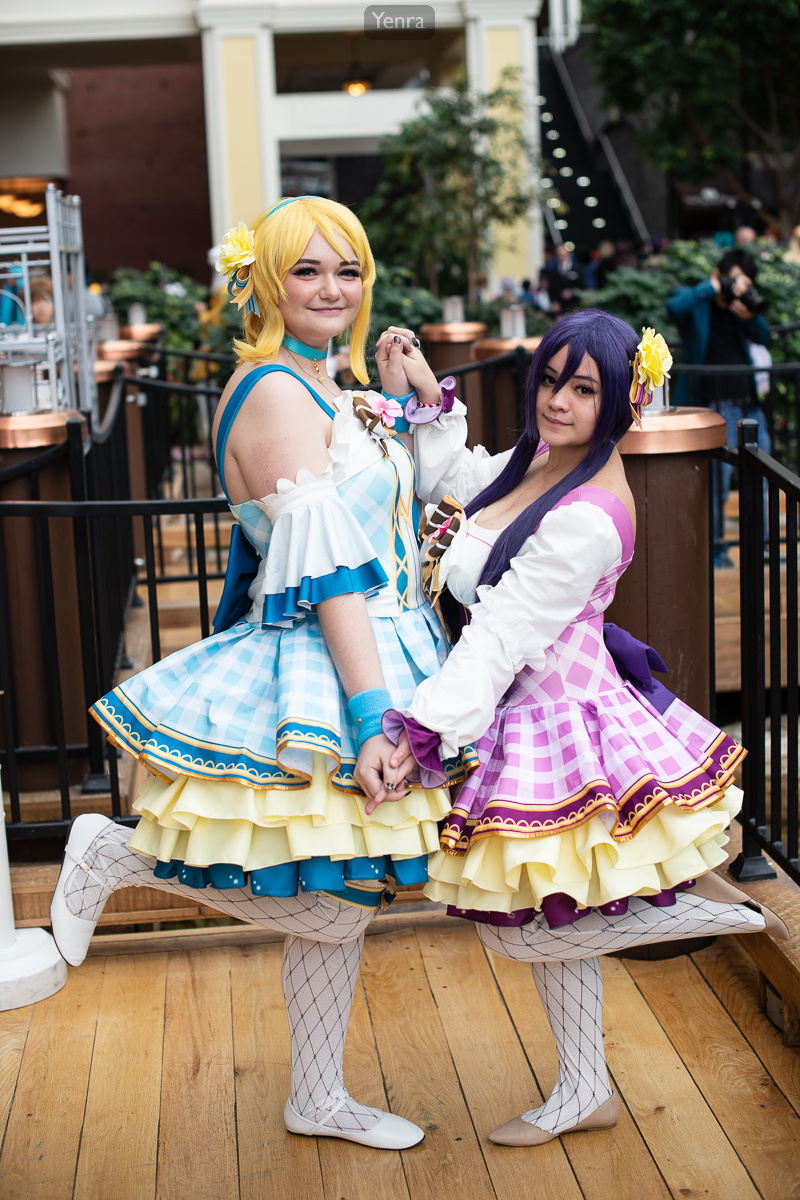
Use a larger group photograph as a bridge between two portraits of pairs.

Keep one opening photograph and compare what two alternative closing portraits add.

Connect a detail, an individual portrait and a group through a repeated visible design.

Give three similar portraits different roles by noticing small changes in head angle, hands and expression.
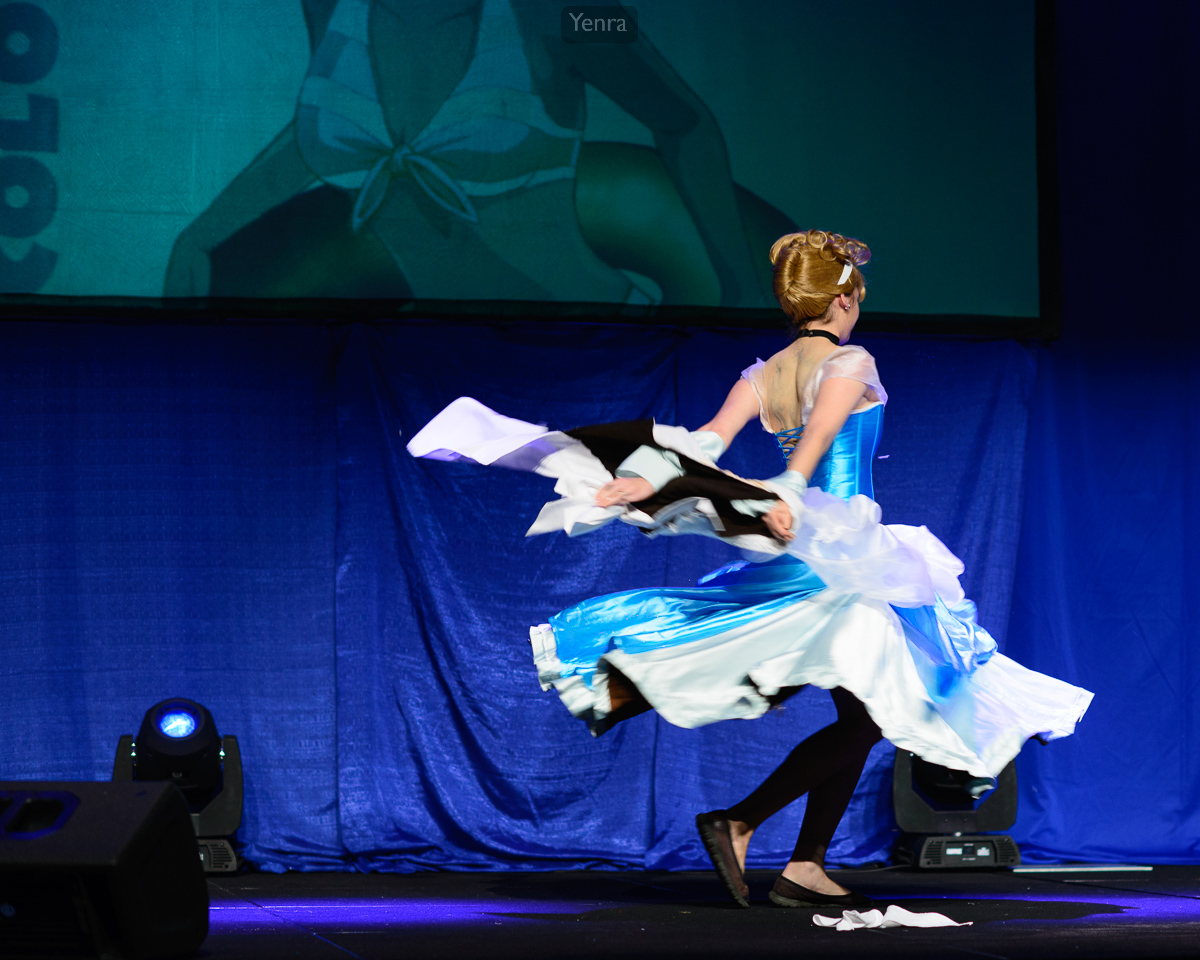
Give a short movement a readable shape by choosing a sweeping frame, a changing view and a quieter closing gesture.

Combine an establishing portrait with two distinct views of one small accessory, giving each picture a different job.
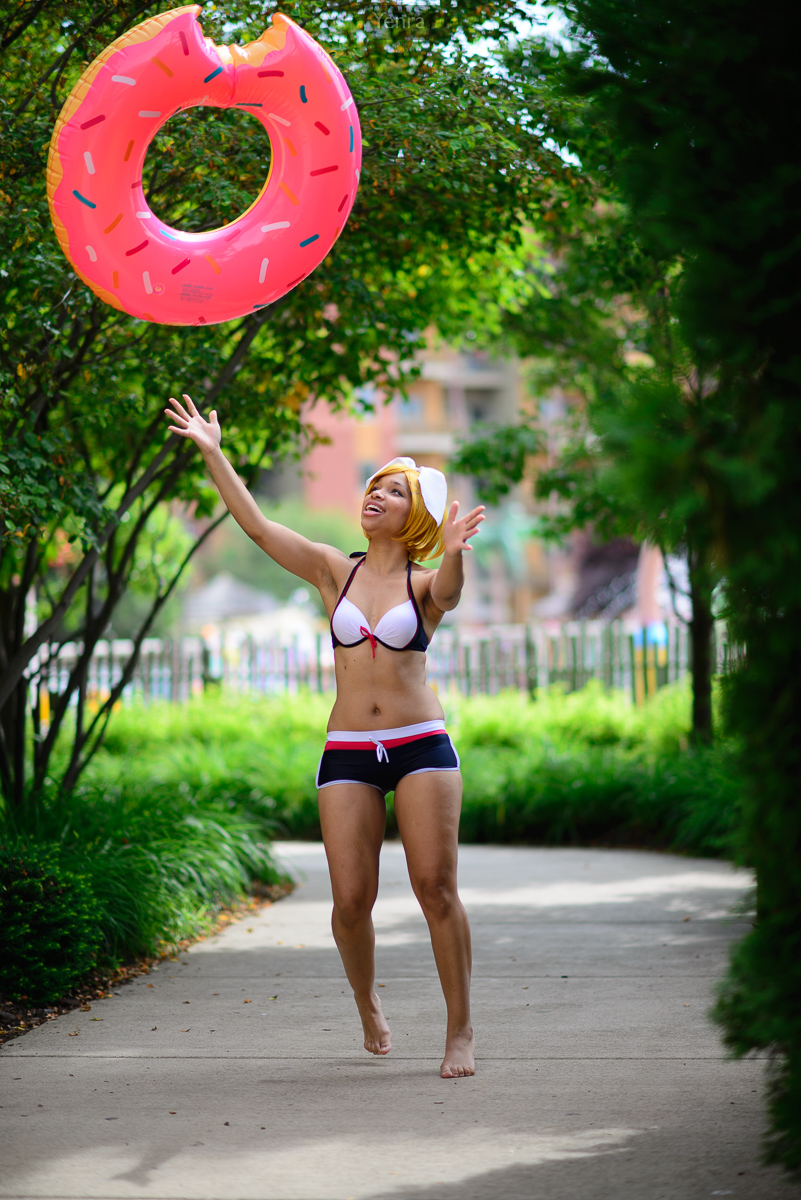
Use a recurring object to connect three portraits while its position changes the shape and pace of the sequence.

Try moving from a portrait that meets the camera to a wider view looking outward, and compare what that ending leaves you noticing.
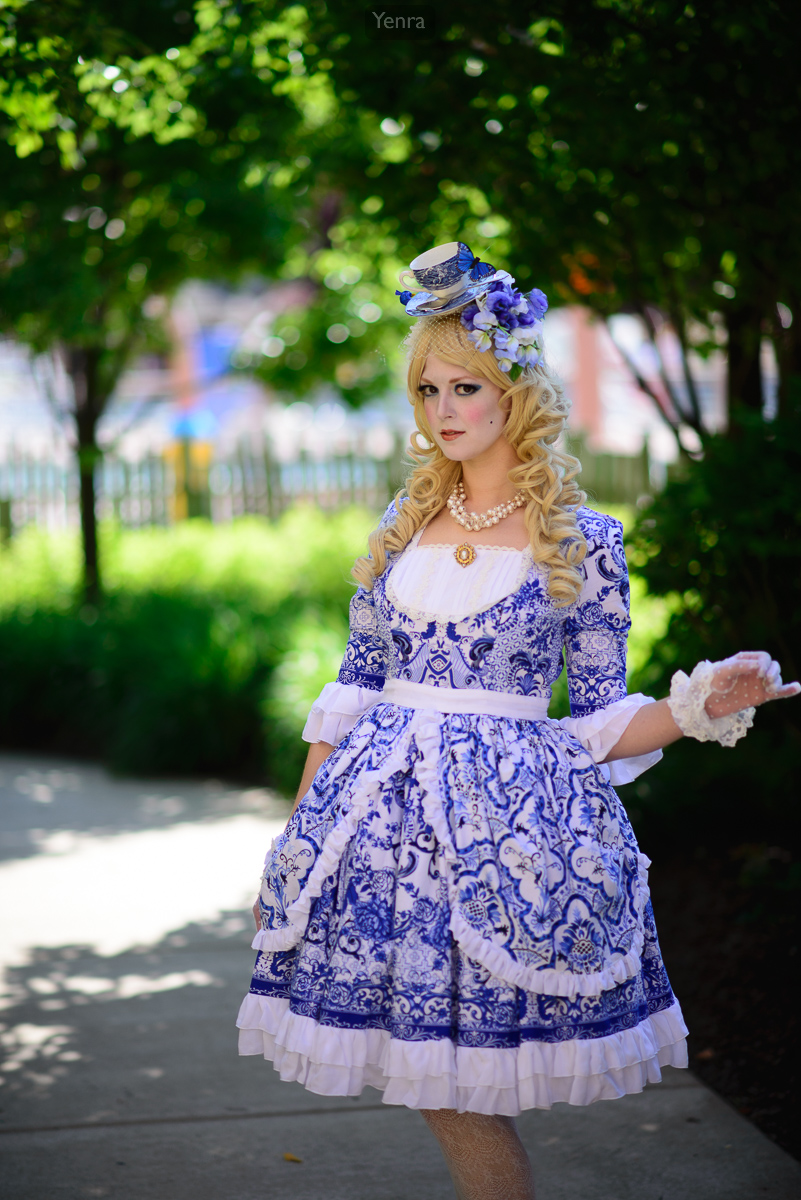
Try a nature photograph between two portraits and explore how a change of subject alters the pace of a small collection.
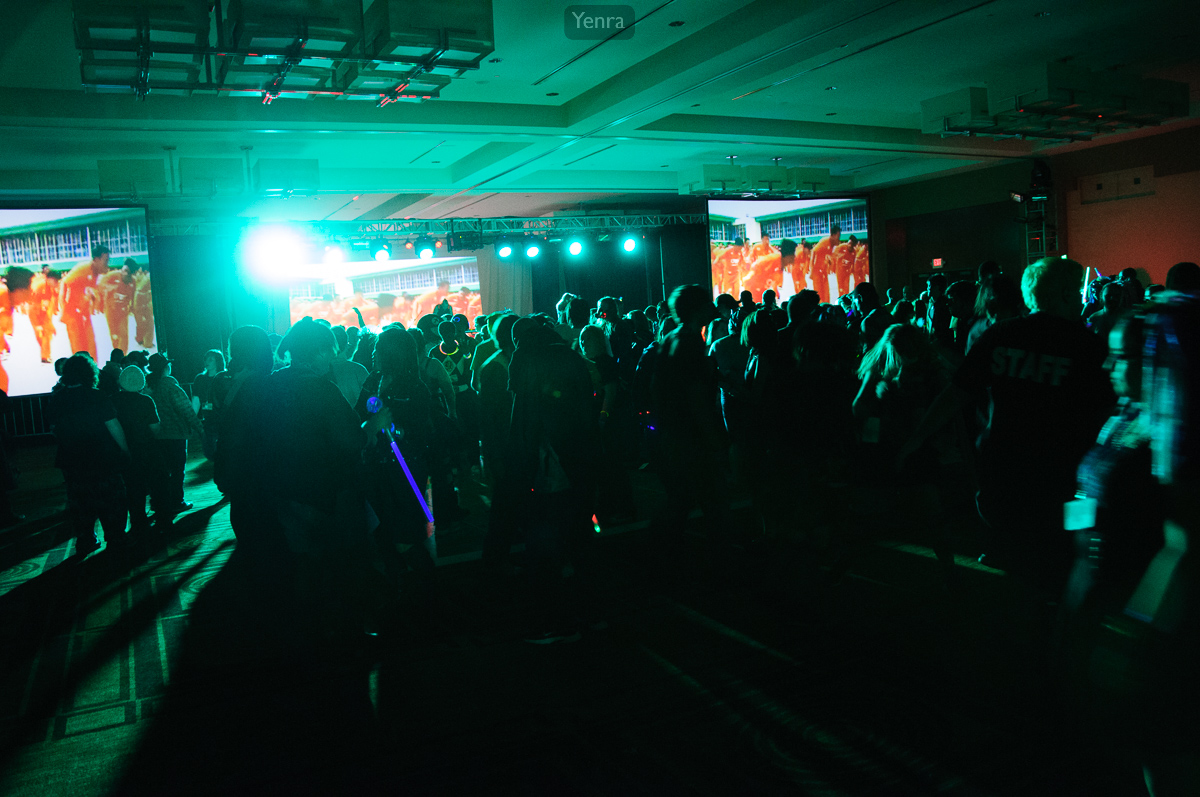
Arrange a wide crowd view, a closer group scene and an individual portrait so each photograph contributes a different scale of attention.

Build a small collection around the repeated relationship between a person and a reflection, while giving each portrait something different to contribute.

Arrange three portraits by the direction the person looks, then compare another order to discover which reading you enjoy.

Begin with a small visual clue, introduce the person, then let a wider photograph show where the detail belongs.

Introduce a subject, spend a moment with another portrait, then return to familiar details in a fresh view.

Use a recurring color family to connect separate portraits while giving each subject and photograph its own place.

Let different picture shapes contribute to a small collection while keeping every original frame intact.

Give a small portrait set variety by placing a moving moment between two more settled poses.
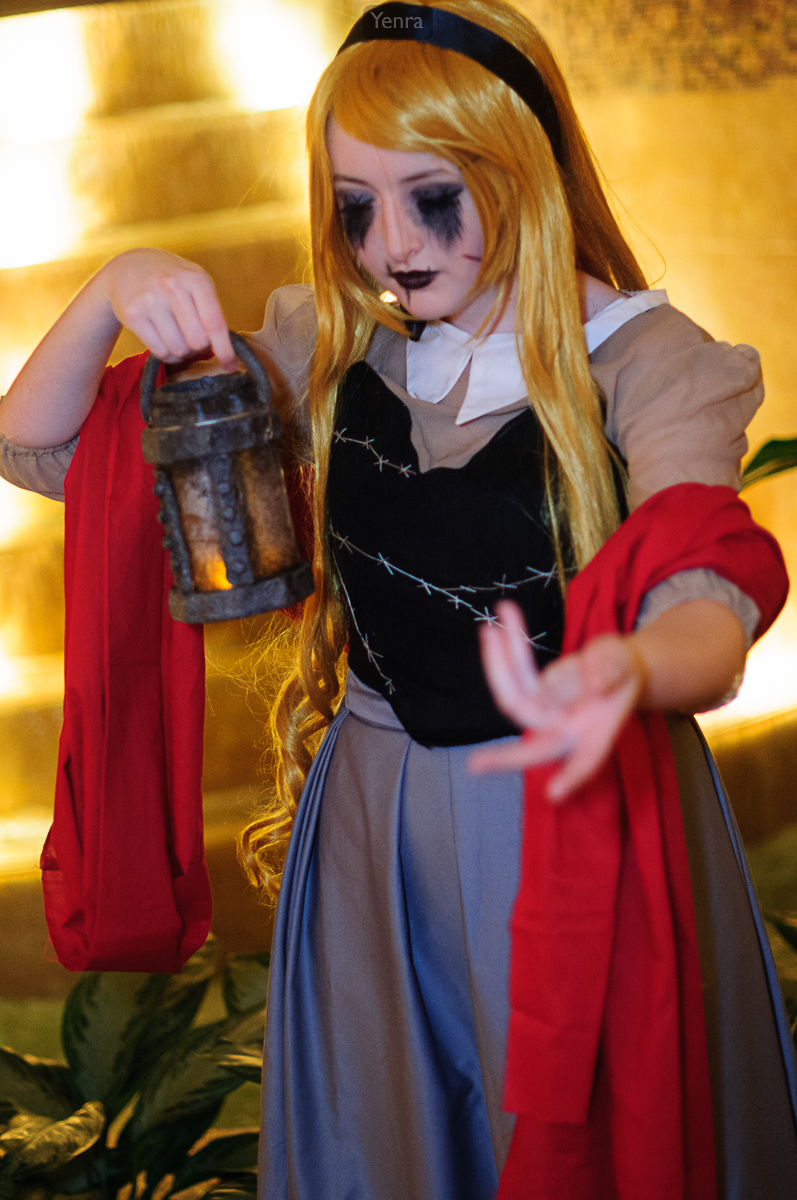
Choose a small set of different portraits connected by a recognizable setting, and give each its own clear caption.

Make a compact two-picture comparison that connects a front view with a useful rear view and explains what each contributes.
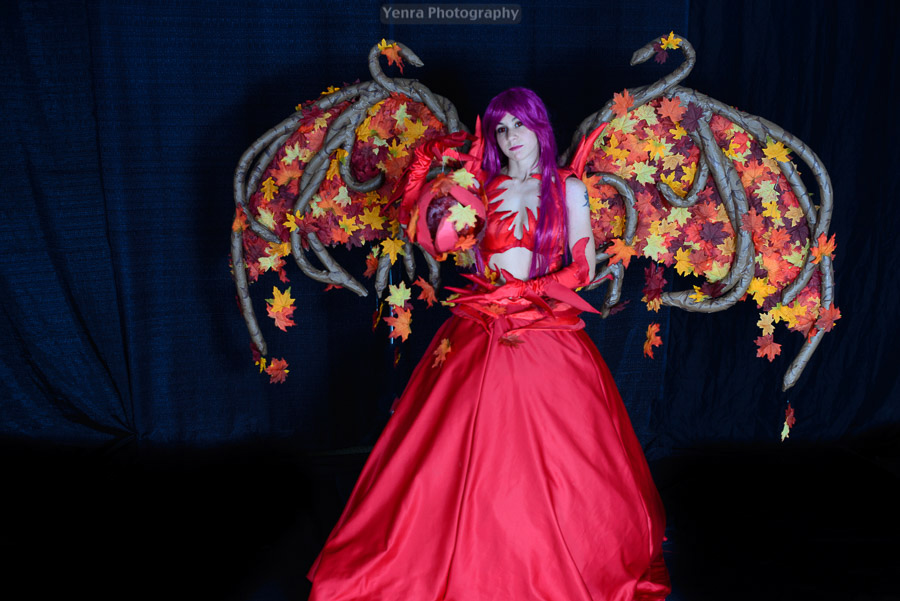
Give a posed portrait, a wider stage view and a closer performance frame distinct jobs in a small event selection.

Give a small non-portrait photograph its own place between portraits, and explore how it broadens a short view of an event.
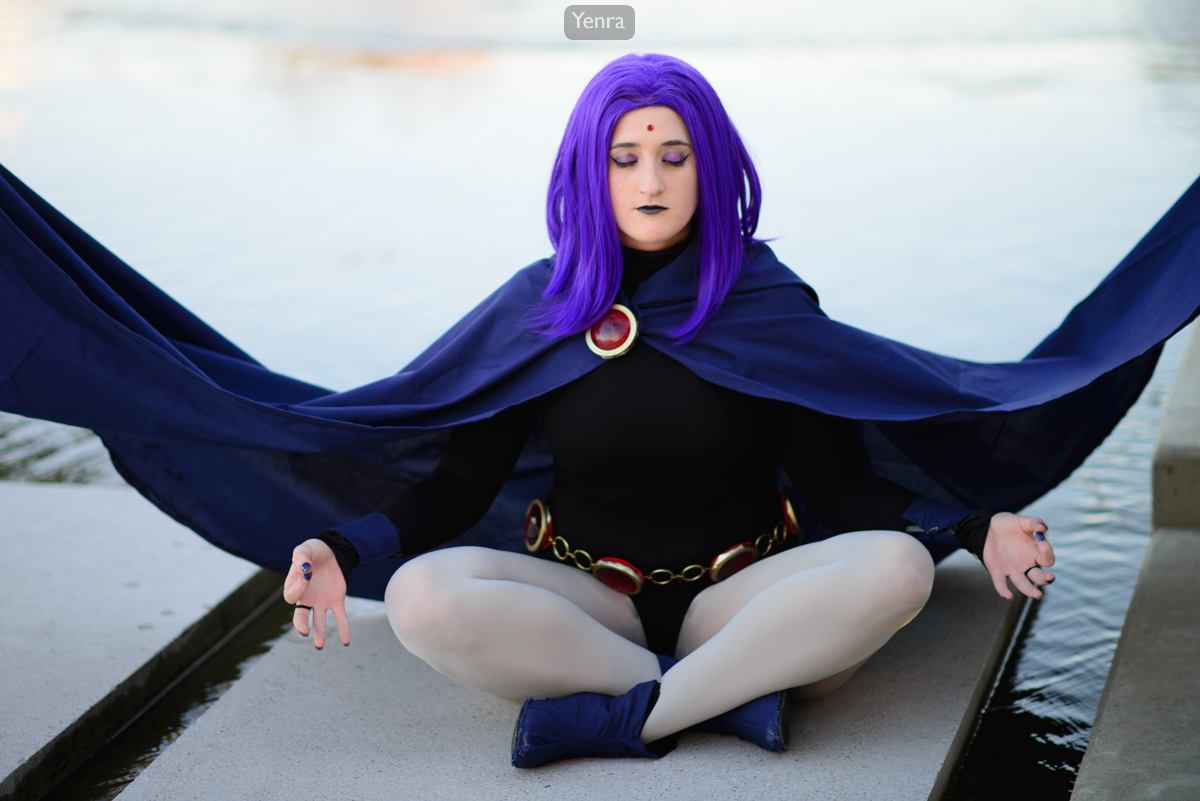
Pair a portrait with a wider view of its making, then decide what that context contributes to a small collection.

Give each person an individual introduction, then connect the portraits with a shared photograph.

Arrange three group photographs through recurring details and changing compositions.
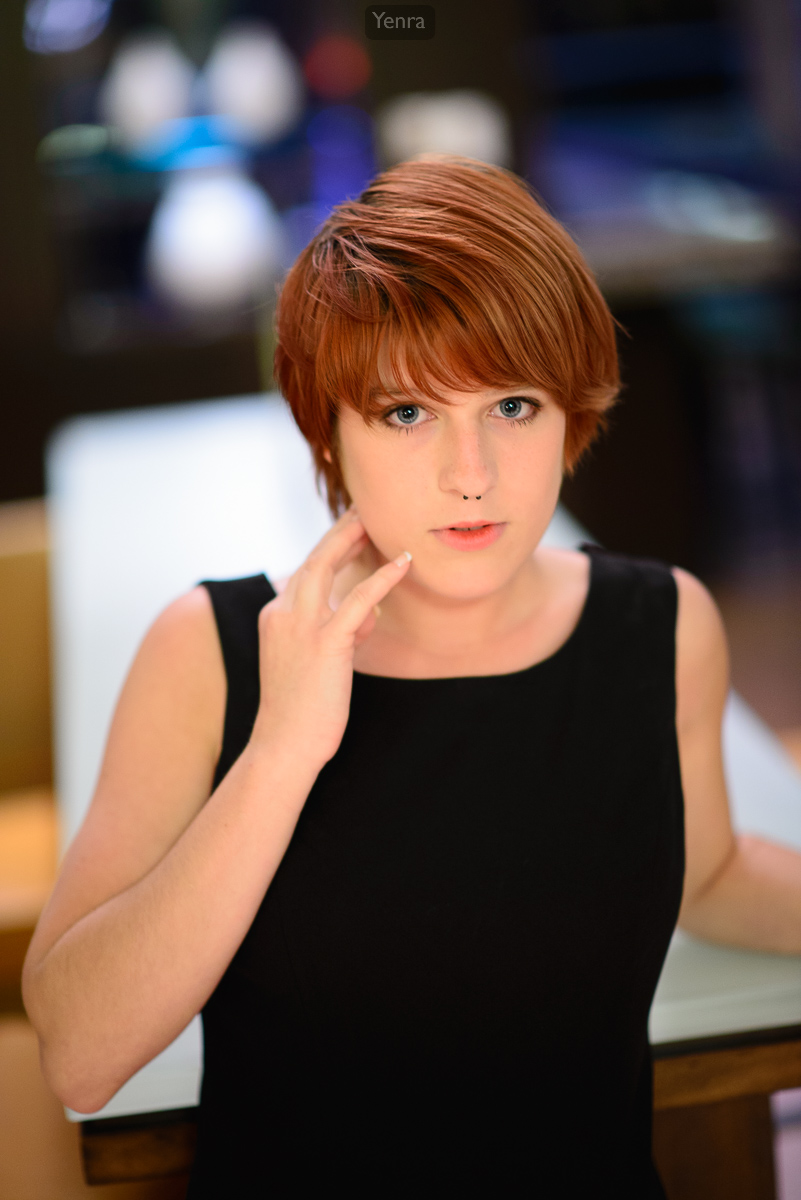
Compare color, tones and gestures while keeping each photograph's context.
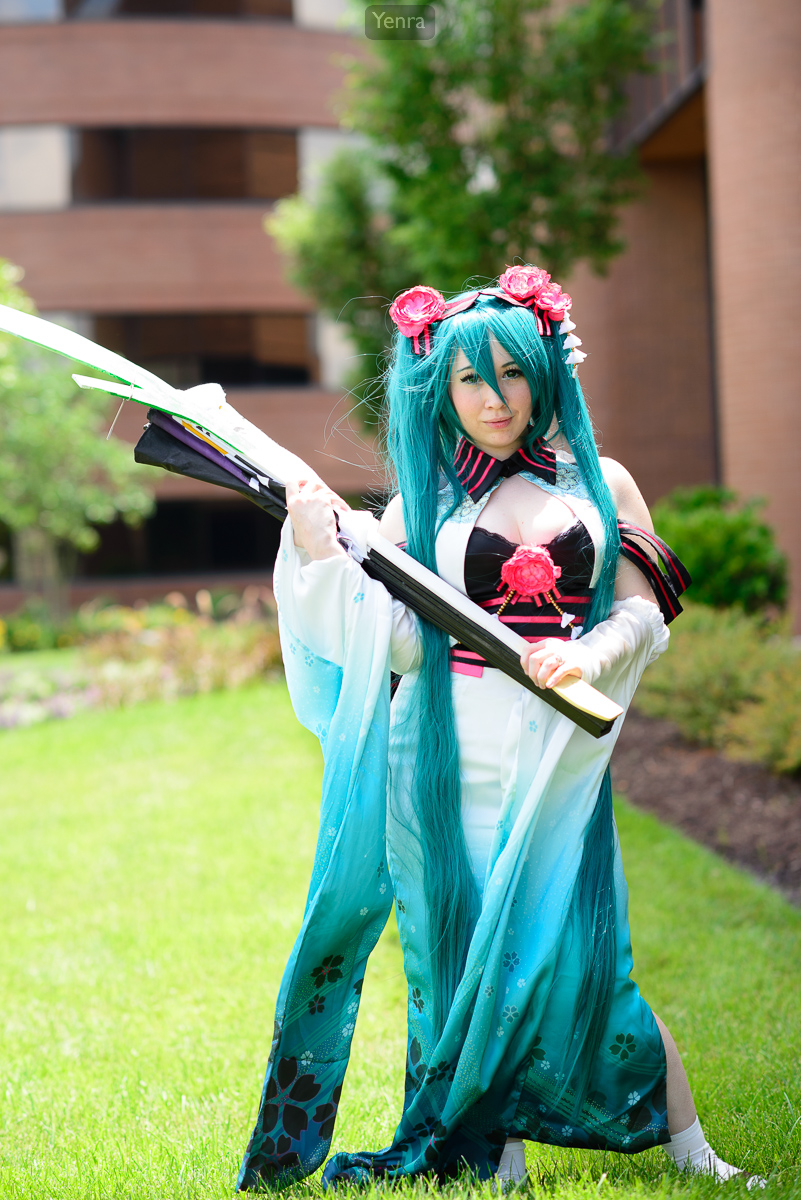
Connect a wider portrait, a closer view and a small detail in a new reading order.

Give each view a useful role in a small record of an outfit and its details.

Let broad pale areas lead through middle tones toward a darker frame.
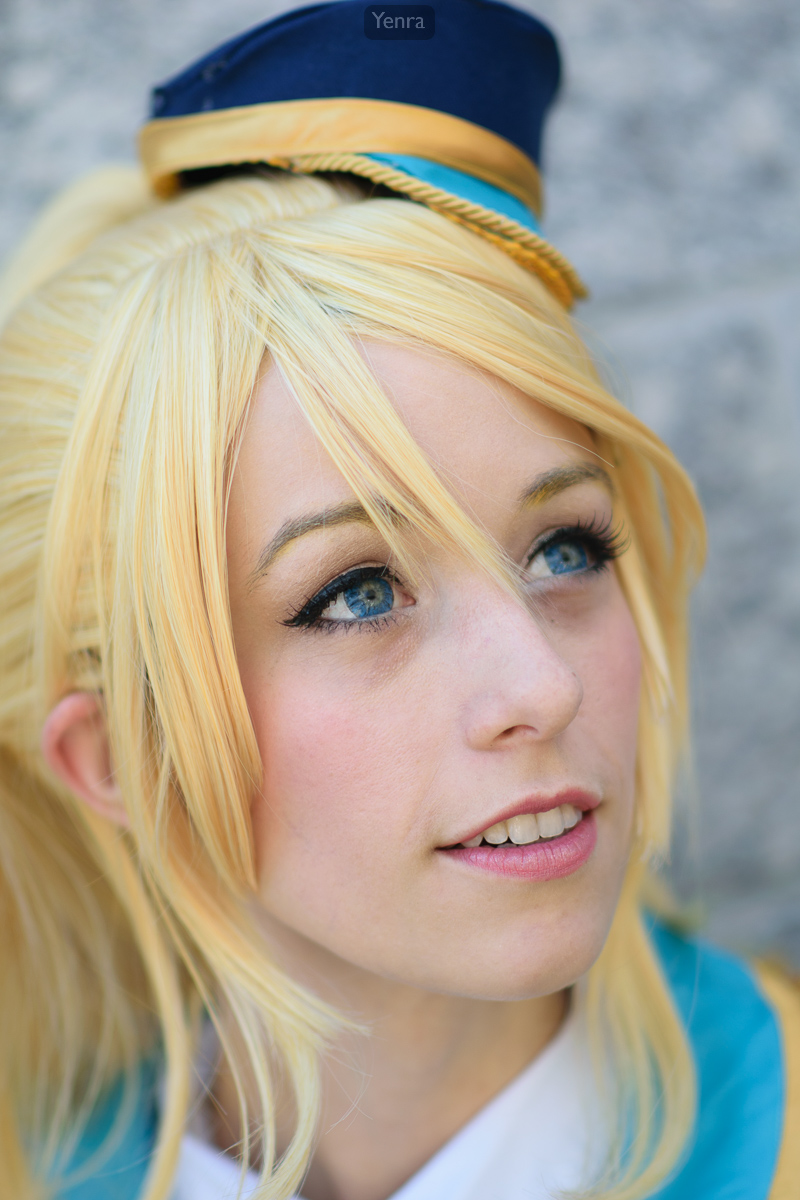
Choose two photographs whose differences invite a closer look at both.
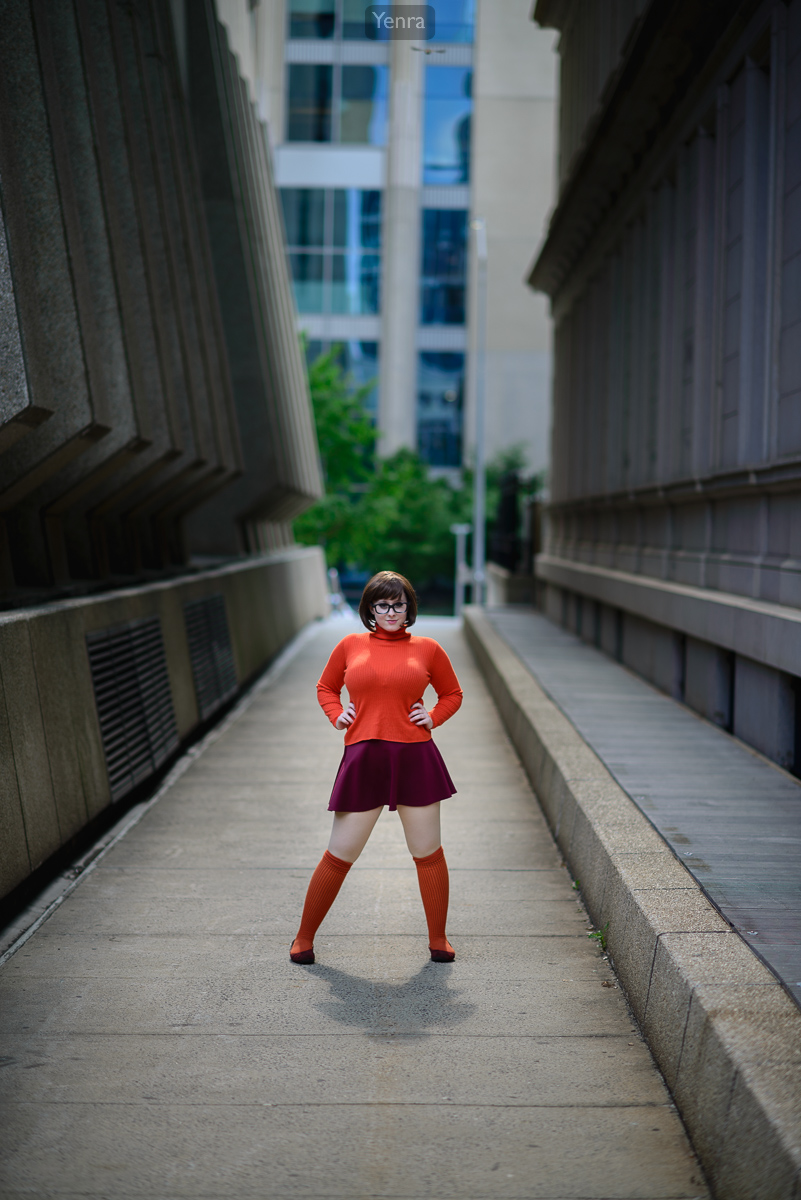
Keep a useful visual note with a frame, a few broad shapes and one observation.

Keep a simple three-color note beside a photograph and discover another way to look.
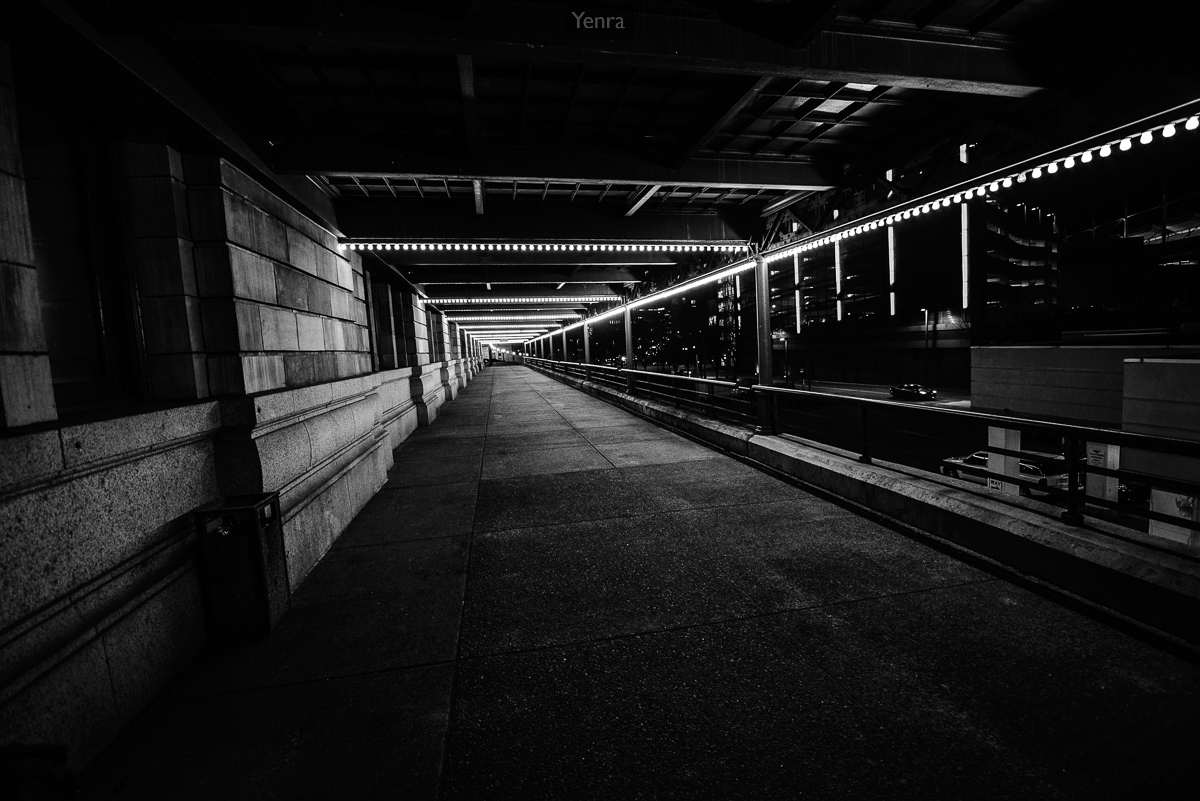
Help readers find photographs through simple subject words and links.
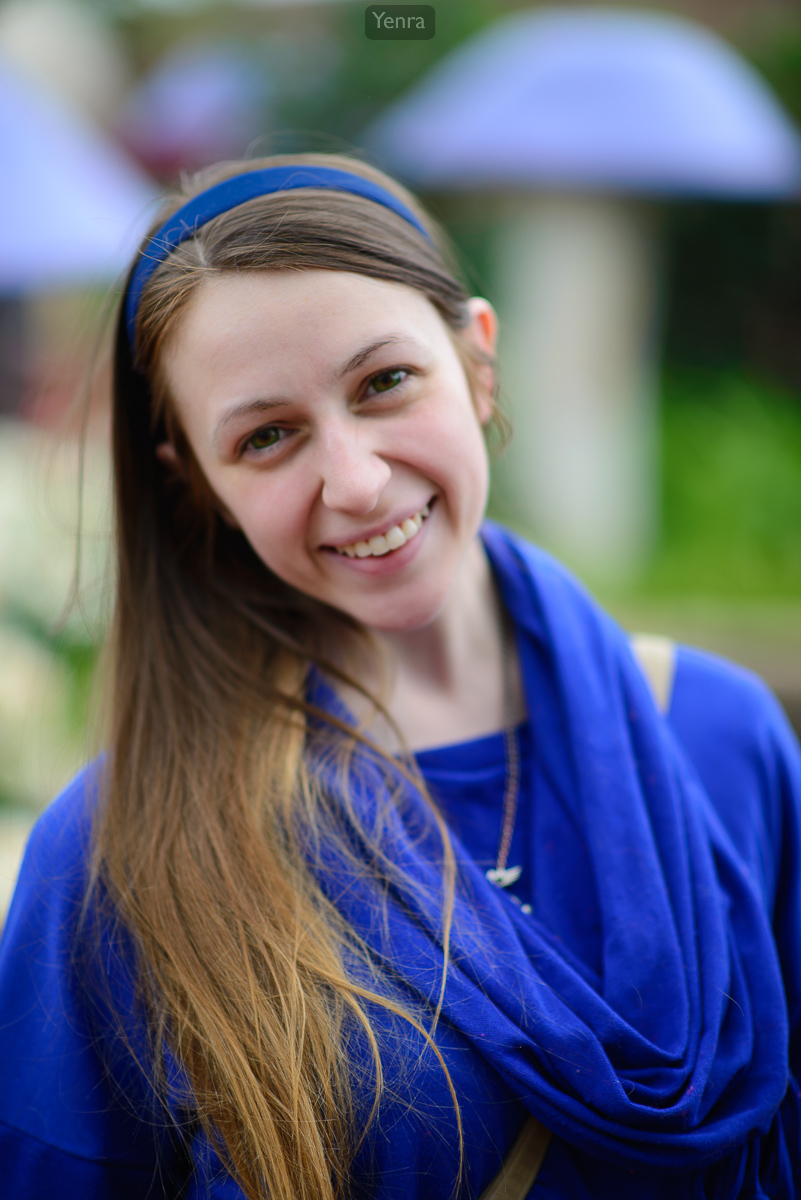
Give a small selection a path through time with recorded dates and brief observations.
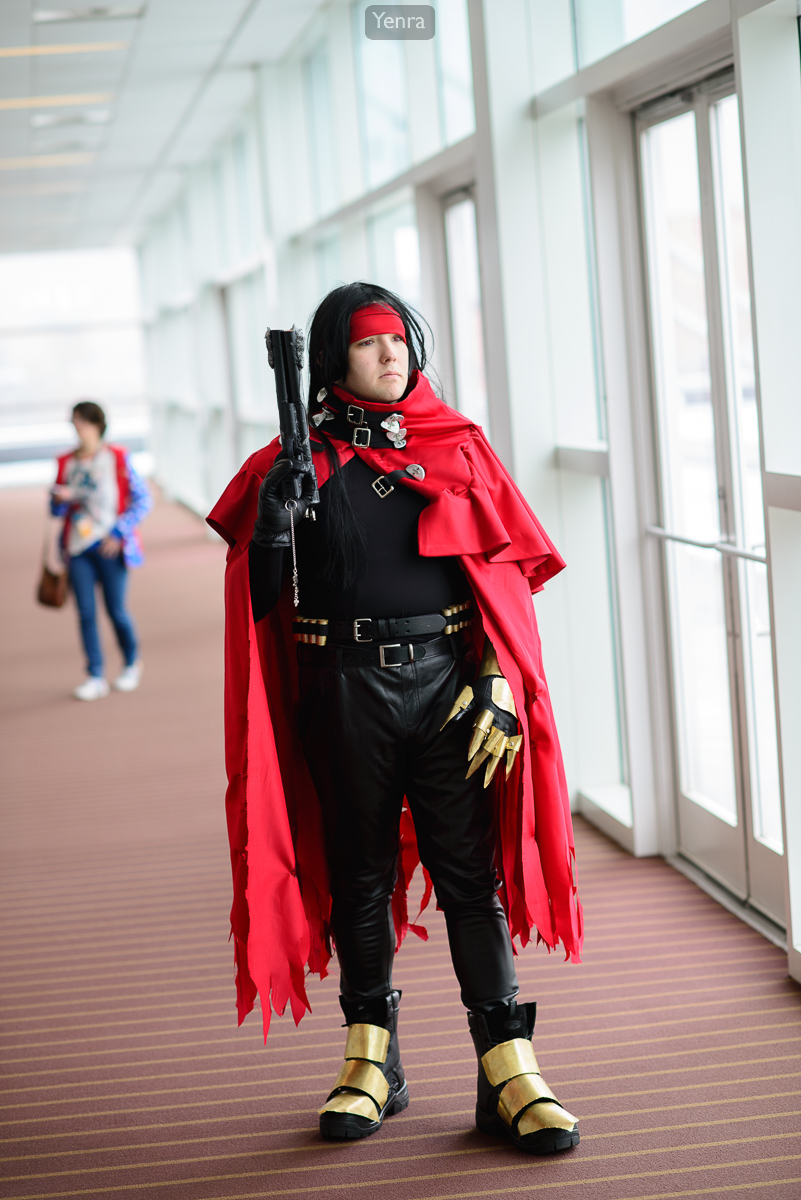
Invite a closer look with open questions and room for different observations.

Try three different invitations into the same small collection.
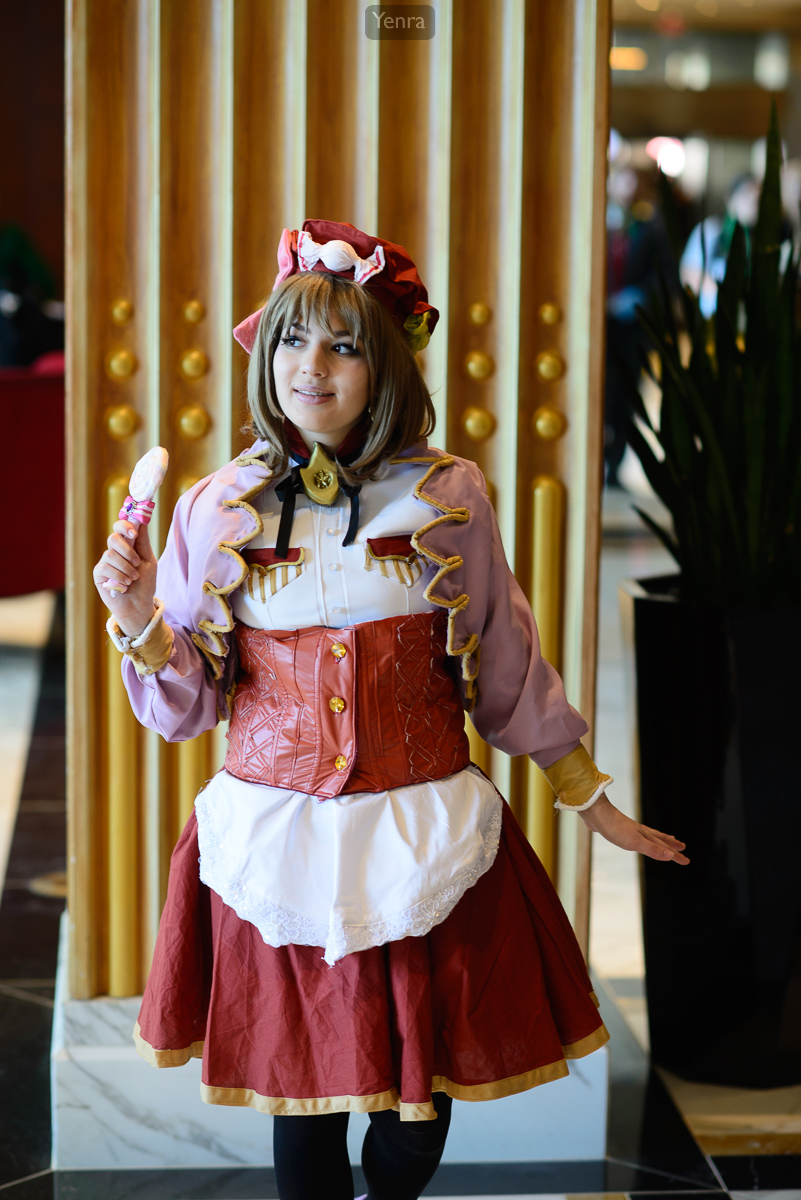
Give photographs room across two facing pages and an imagined page turn.

Give a small display a title, verified context, and one invitation to look.
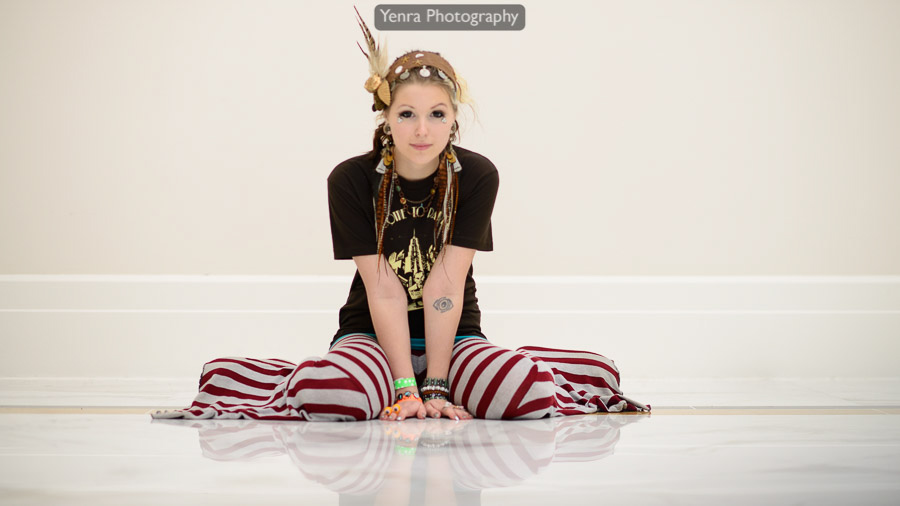
Try spacing and alignment with three photographs and a simple paper sketch.
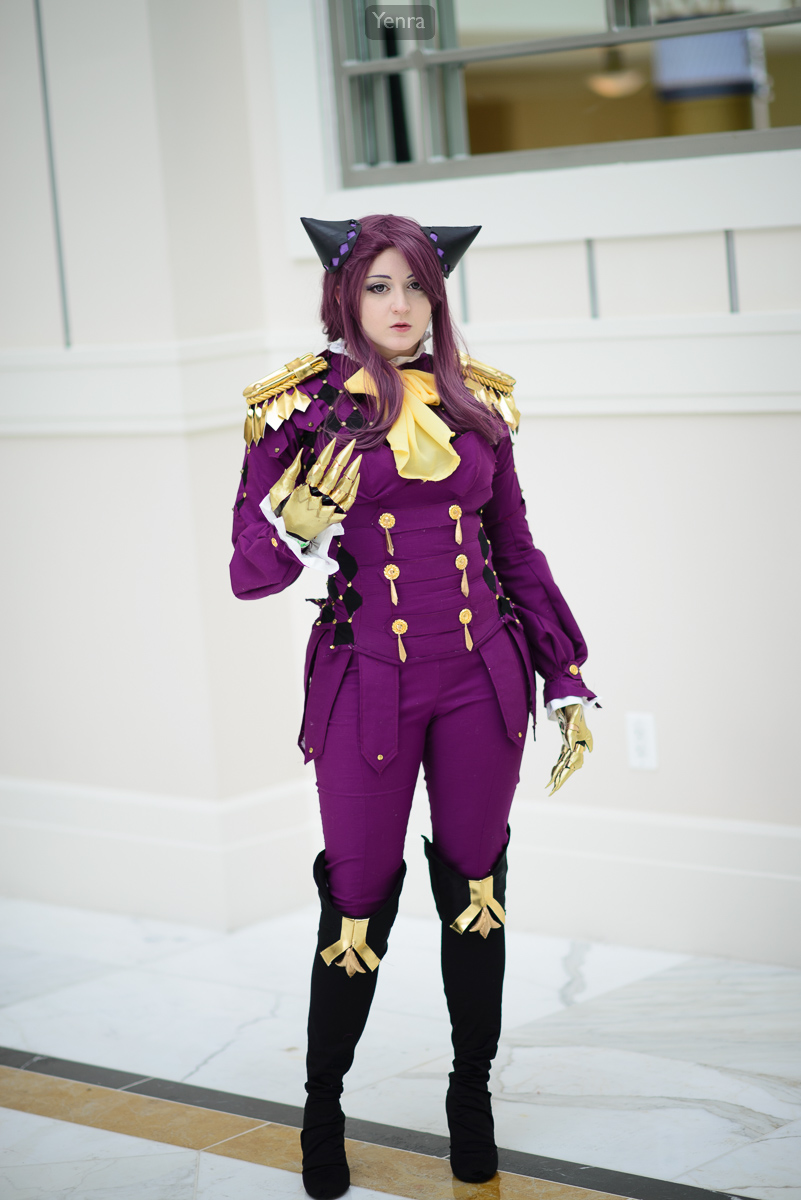
Try two selections with one shared photograph and keep both as useful possibilities.

Keep contributors connected to their photographs with clear, current, and useful credits.
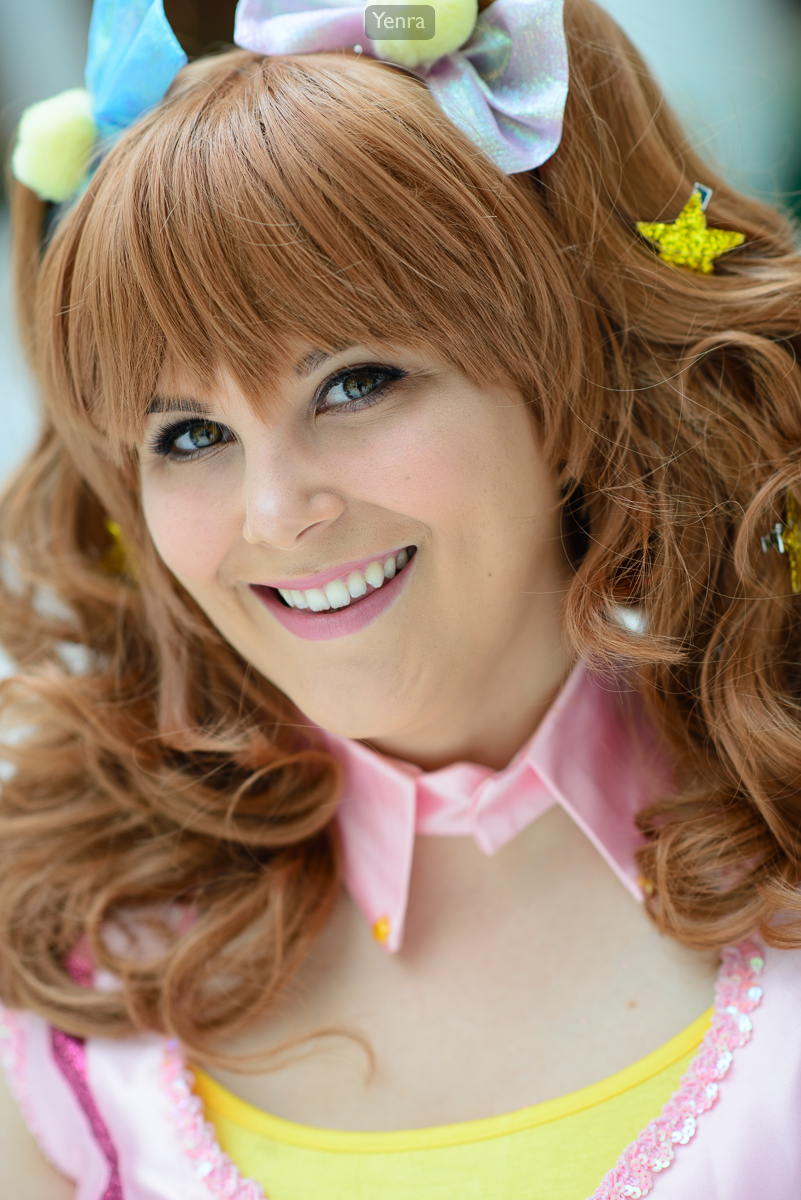
Give readers a welcoming choice of previews, labels, and places to explore.

Offer one observation, one connection, and an invitation to look again.

Give a collection a few welcoming sections, each with a thread and an opening photograph.
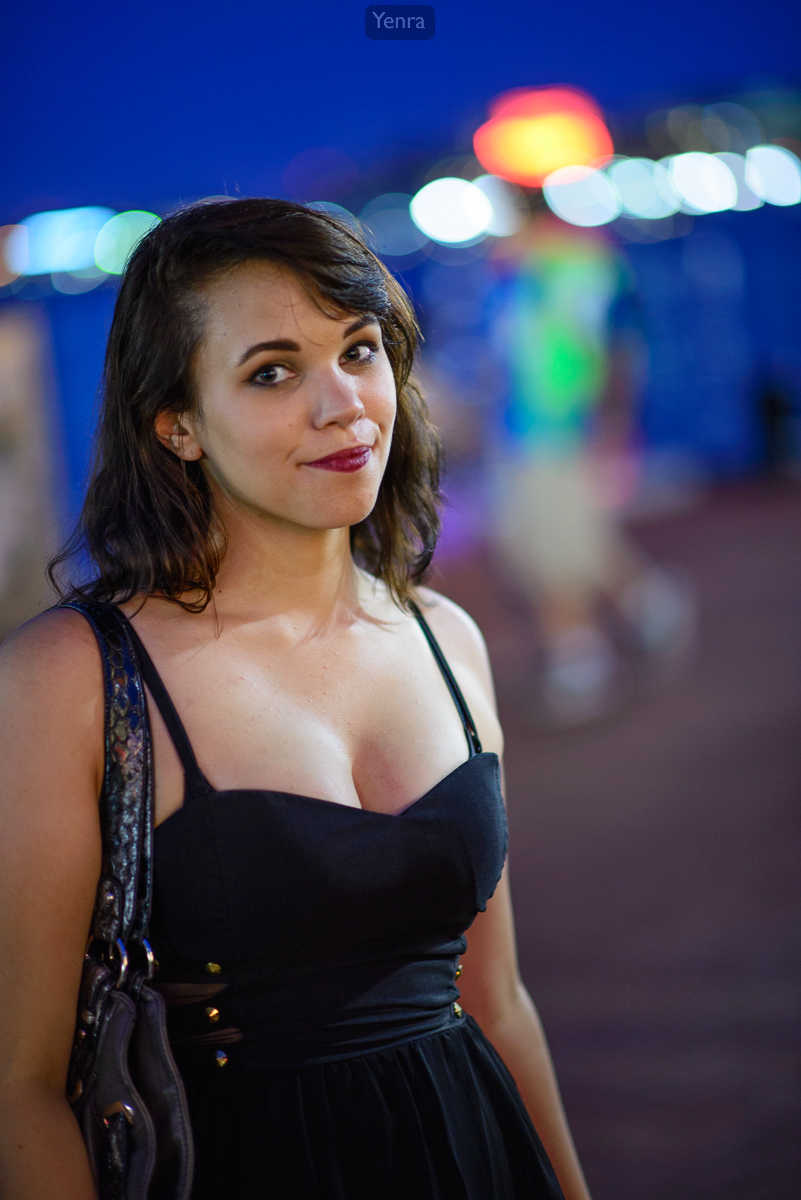
Notice a first impression, revisit a detail, and consider how a photograph will be seen.
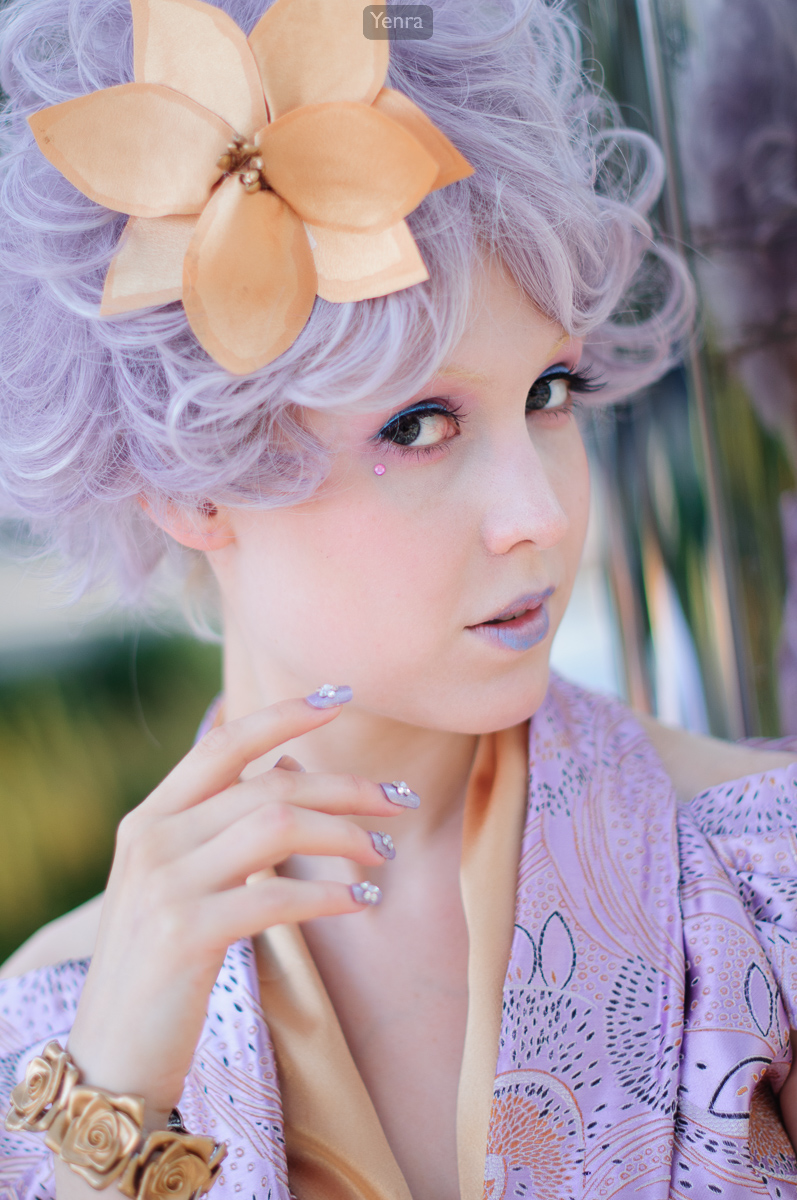
Begin with a shared idea, a comfortable view, and one variation to try.
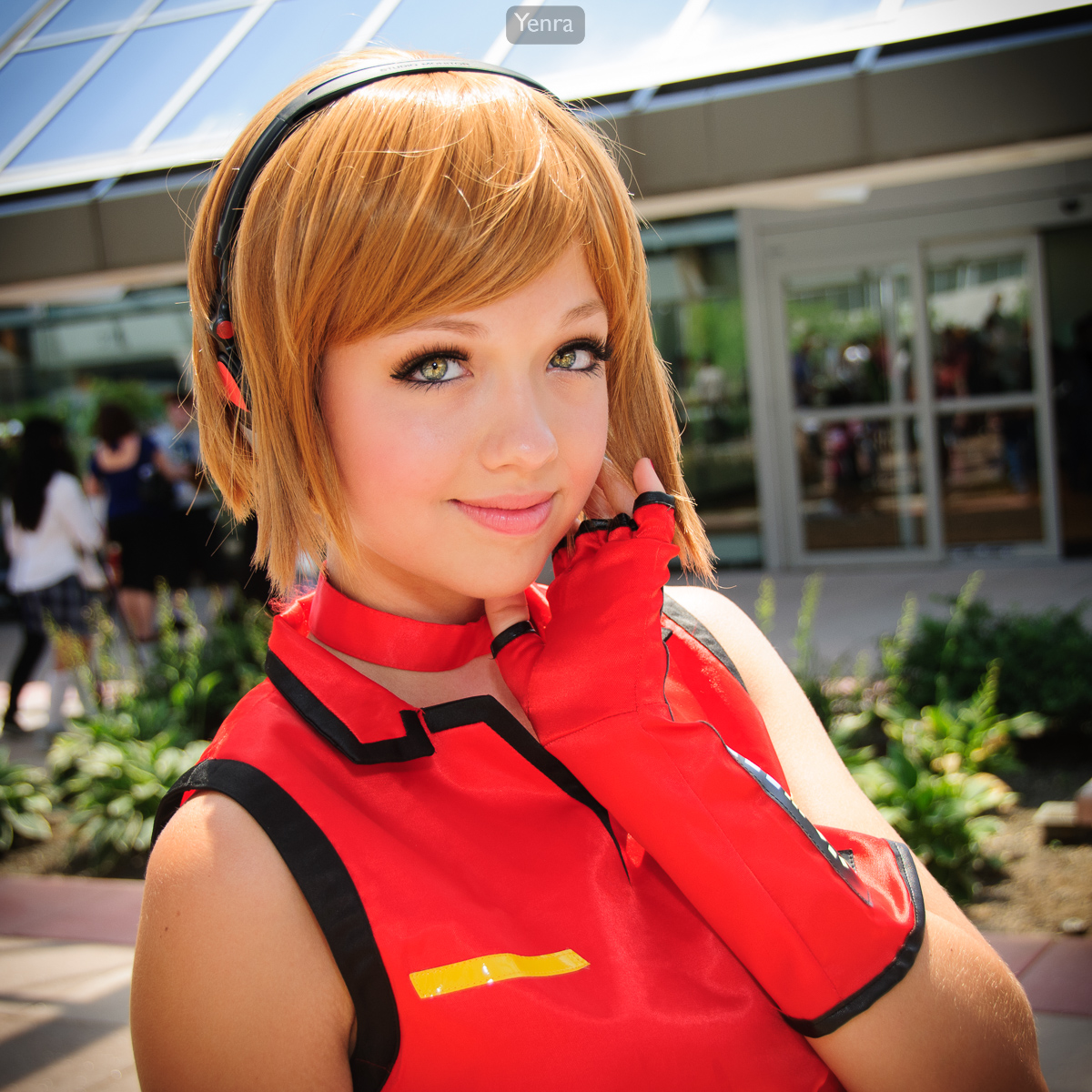
Choose a portrait for a purpose and keep a useful alternative.

Bring a wider view, a portrait, and a specific detail together.
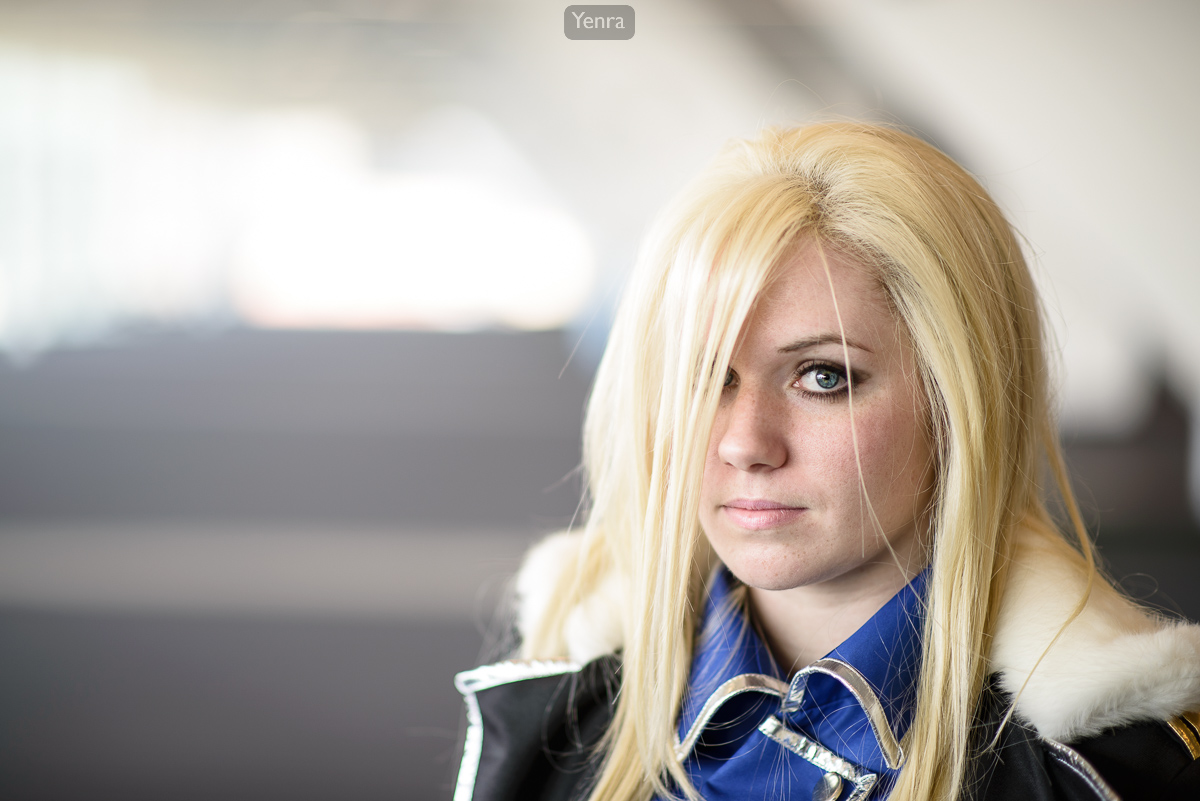
Ask a focused question and turn an observation into a small experiment.
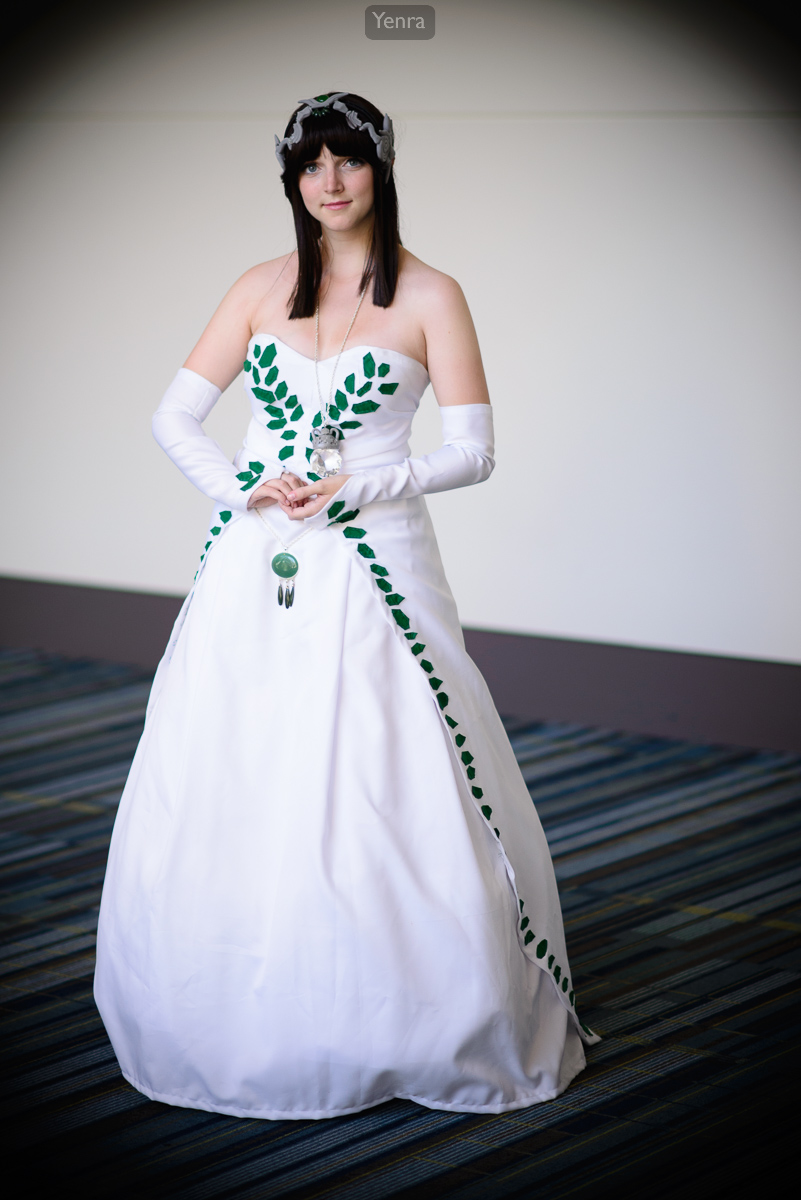
Keep a useful observation and a small question for next time.

Choose three starting ideas and leave room for surprises.
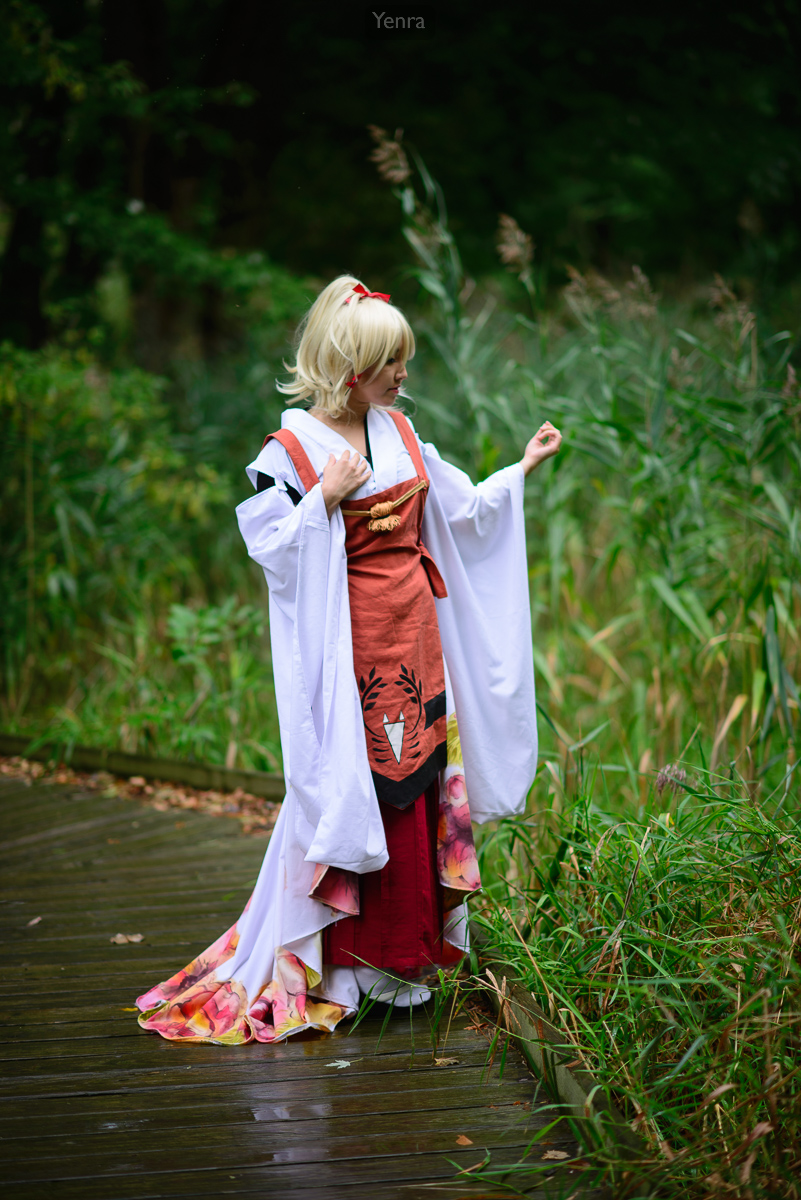
Connect woodland and waterside portraits through color, clothing, and gesture.

Share what matters in a photograph through clear, useful alternative text.

Give a small selection a welcoming introduction with useful context and a connection to explore.
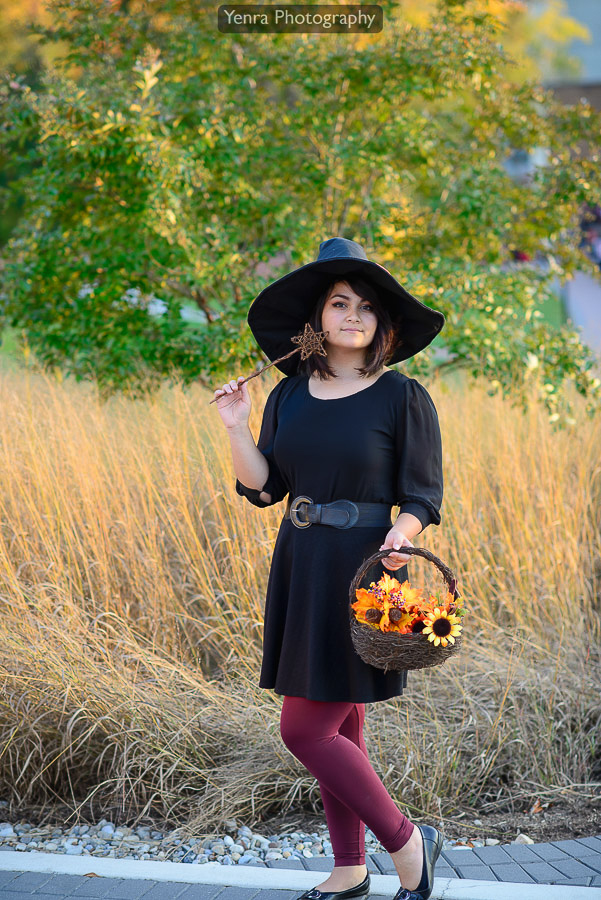
Keep three photographs together and discover how a different reading order changes their invitation.

Turn one visible detail into a question and a small experiment you can make your own.

Find a visible connection across dates and make a small collection with its context intact.

Try a few inviting words beside a small selection and see what they help you notice.

Give an older gallery a fresh question and discover a small selection worth returning to.

Follow a visible theme and discover what each small detail adds to a collection.

Connect a portrait with a telling detail and try the pictures in a different order.

Choose successive moments, notice what changes, and try another ending.

Choose a few pictures that contribute different views of a day.
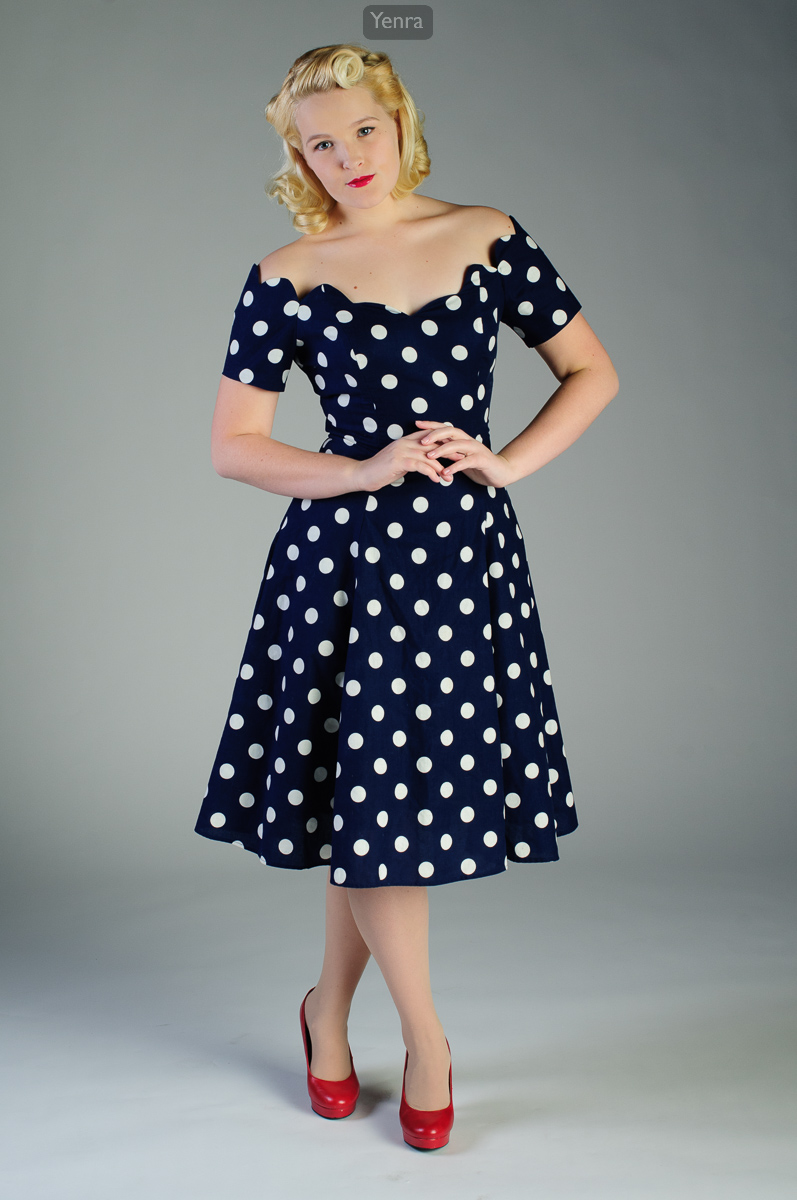
Bring three related portraits together and explore one change.

Bring a new question to a place you already know.
Credit: Cosplay Kat

Compare related pictures and find your next experiment.
Credit: Gearstation Cosplay

Compare favorites and discover what each person values.
Credit: Rue the Day Cosplay

Try different arrangements of the middle photographs.

Explore what a final photograph leaves with the viewer.

Try different beginnings for a small set of photographs.

Connect two pictures through a color, shape, or gesture.

Return to a question through a few short sessions.

Pair your photographs with observations, context, and thoughtful credits.
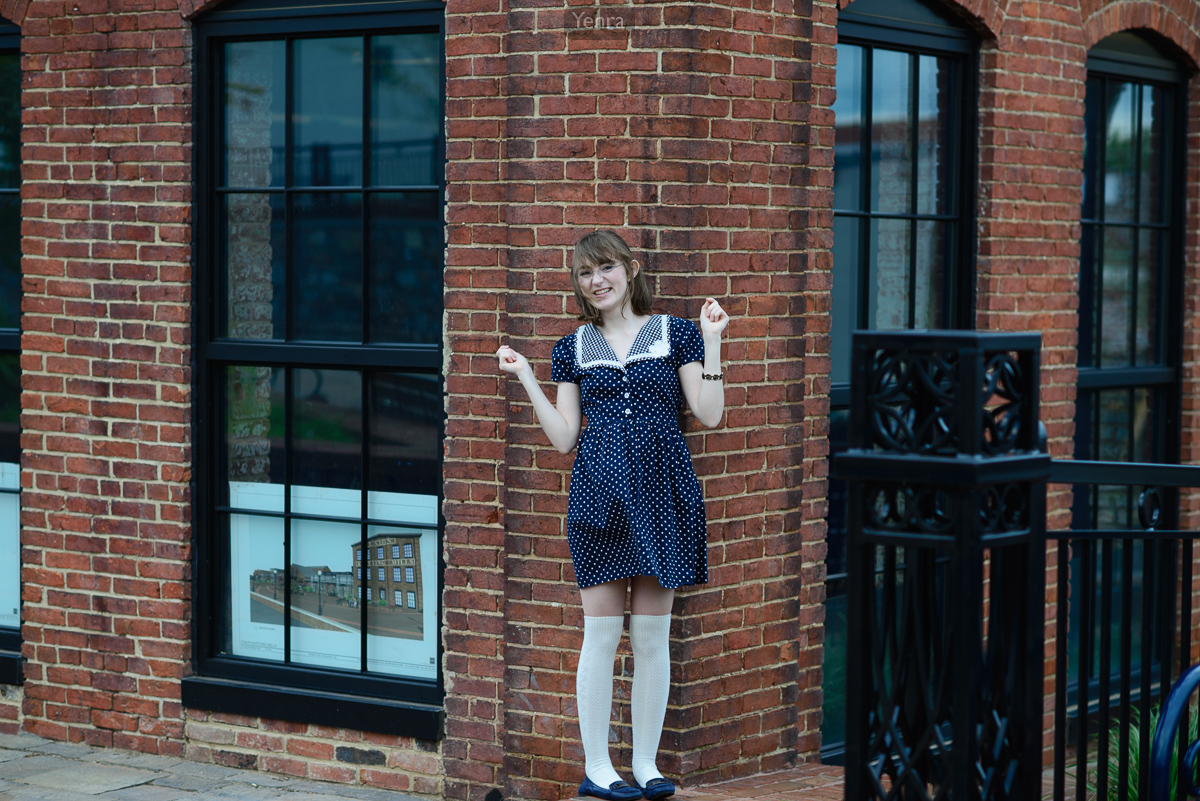
Choose a comfortable area and a few flexible prompts.
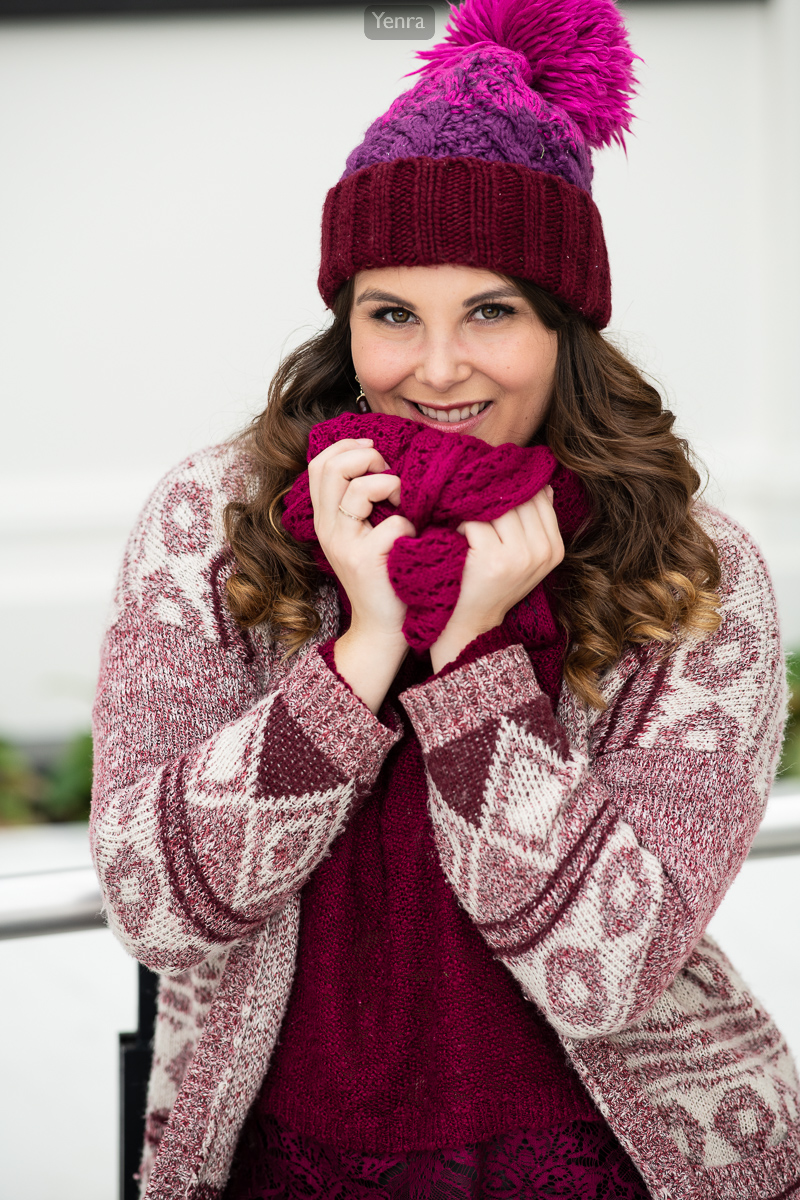
Compare related frames and choose complementary qualities.
Arrange a wider view, a detail, and a visual echo.
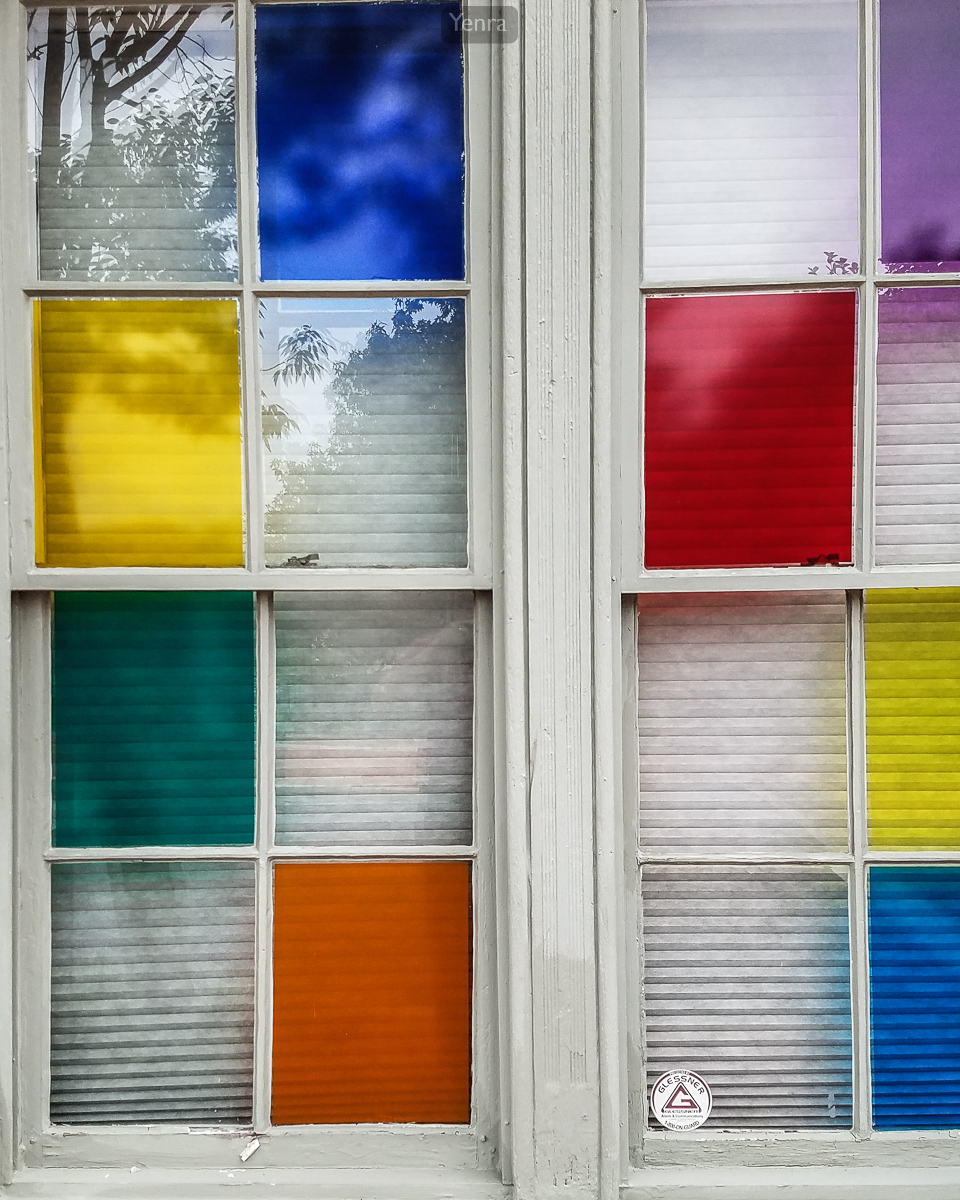
Take an experiment with you and print a sheet for your notes.
The Bokeh collection · Color across the archive · Katsucon 2018 · Find your photographs