Field notes · Look · Try · Compare
Planning a small photo walk
Choose a comfortable area, one theme, and a few flexible prompts for your next photographs.
A small photo walk begins with a little curiosity and a place you can comfortably explore. Choose one idea to look for, bring a few flexible prompts, and leave room for something unexpected. Ten or twenty minutes can be useful; a shorter pause can offer plenty to notice too.
The same approach works in a yard, around one room, or through several views from a seated position. Work with the space, energy, and equipment available to you. The aim is to make a few photographs that help you discover what catches your eye.
Gather ideas from different surroundings.
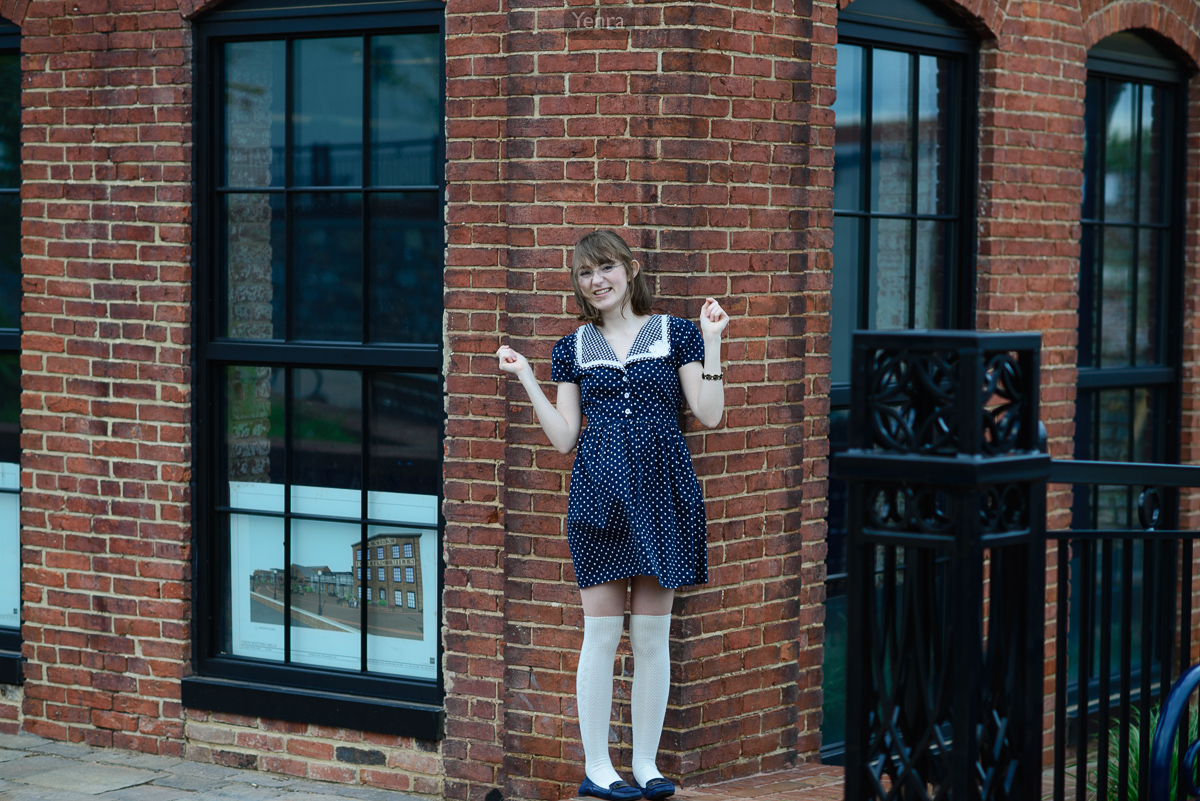
Portrait among brickwork and windows · Photograph: Yenra · Credit: Gearstation Cosplay
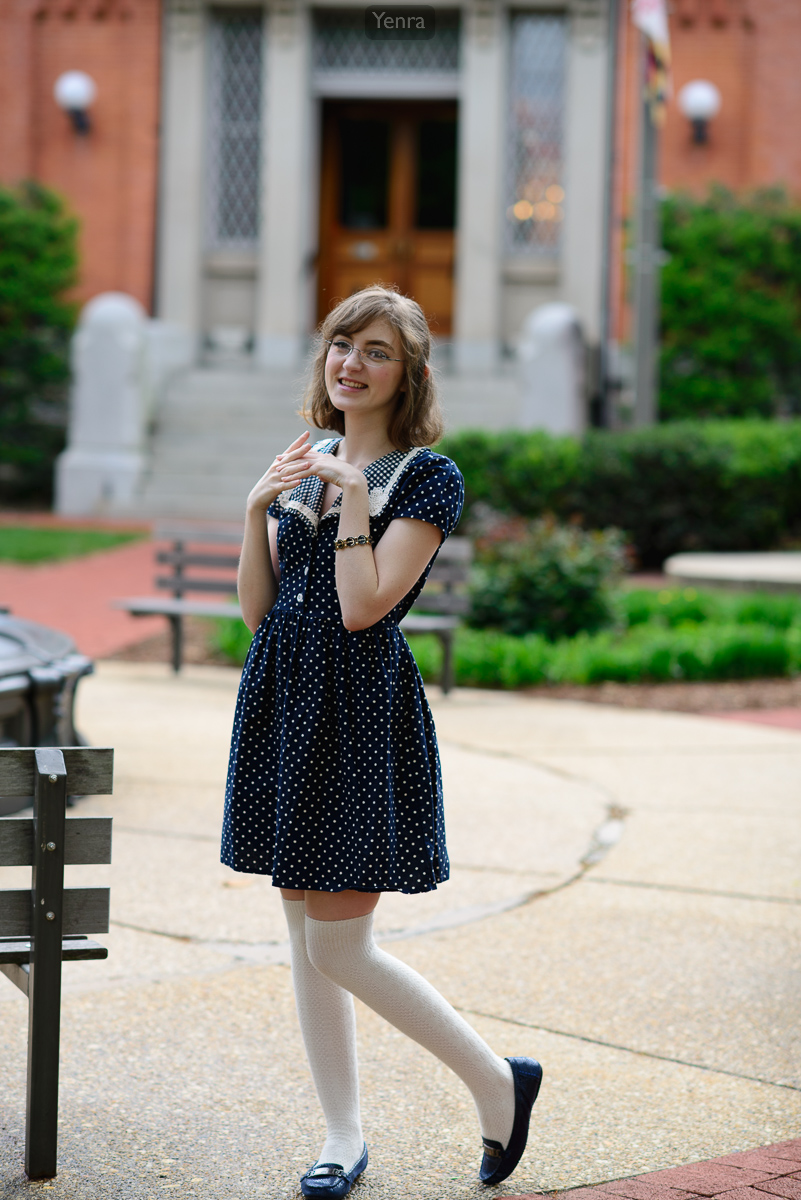
Portrait in a paved setting · Photograph: Yenra · Credit: Gearstation Cosplay
In the brickwork portrait, repeated windows and rows of bricks give the person a structured setting. The other photograph includes paving, benches, and a building beyond the figure. Each suggests a different prompt: notice a repeated shape, or make a view that introduces a person and their surroundings.
These photographs are examples of possibilities to notice. Use them to imagine your own comfortable area and a few places to pause. You can choose a familiar setting and discover a new relationship within it.
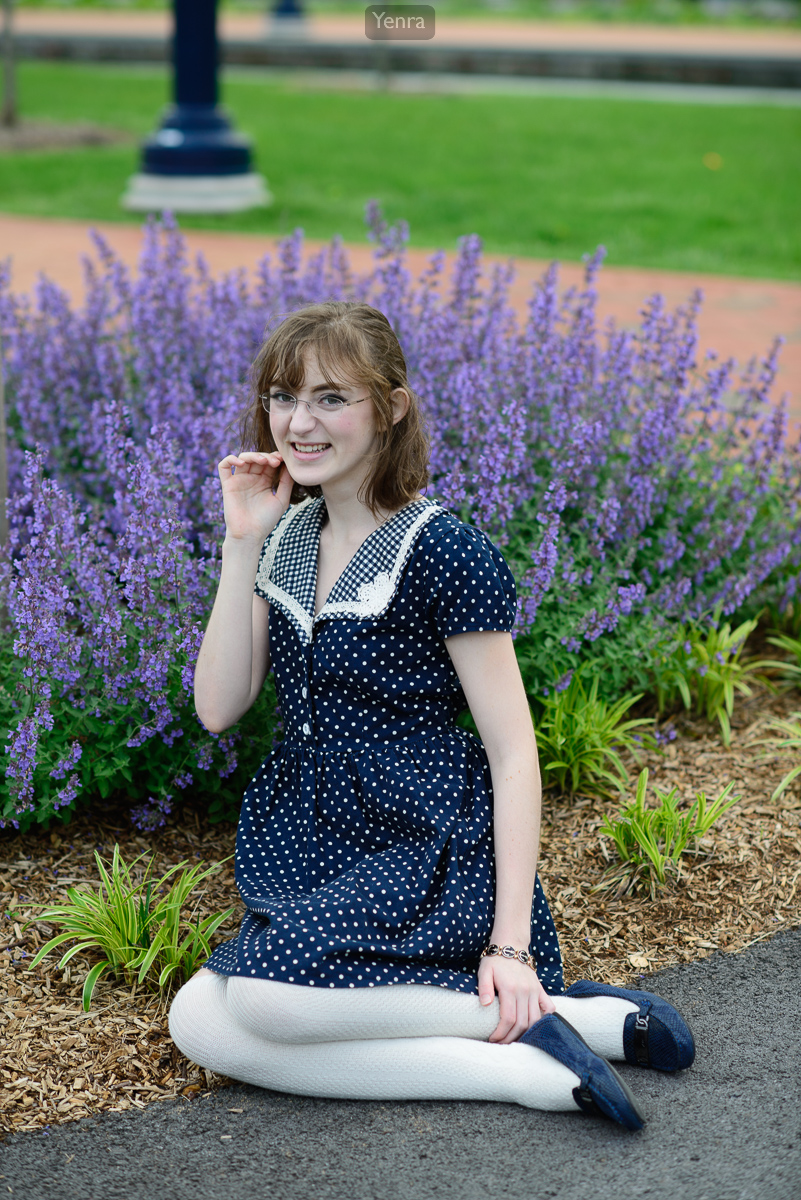
Portrait beside purple flowers · Photograph: Yenra · Credit: Gearstation Cosplay
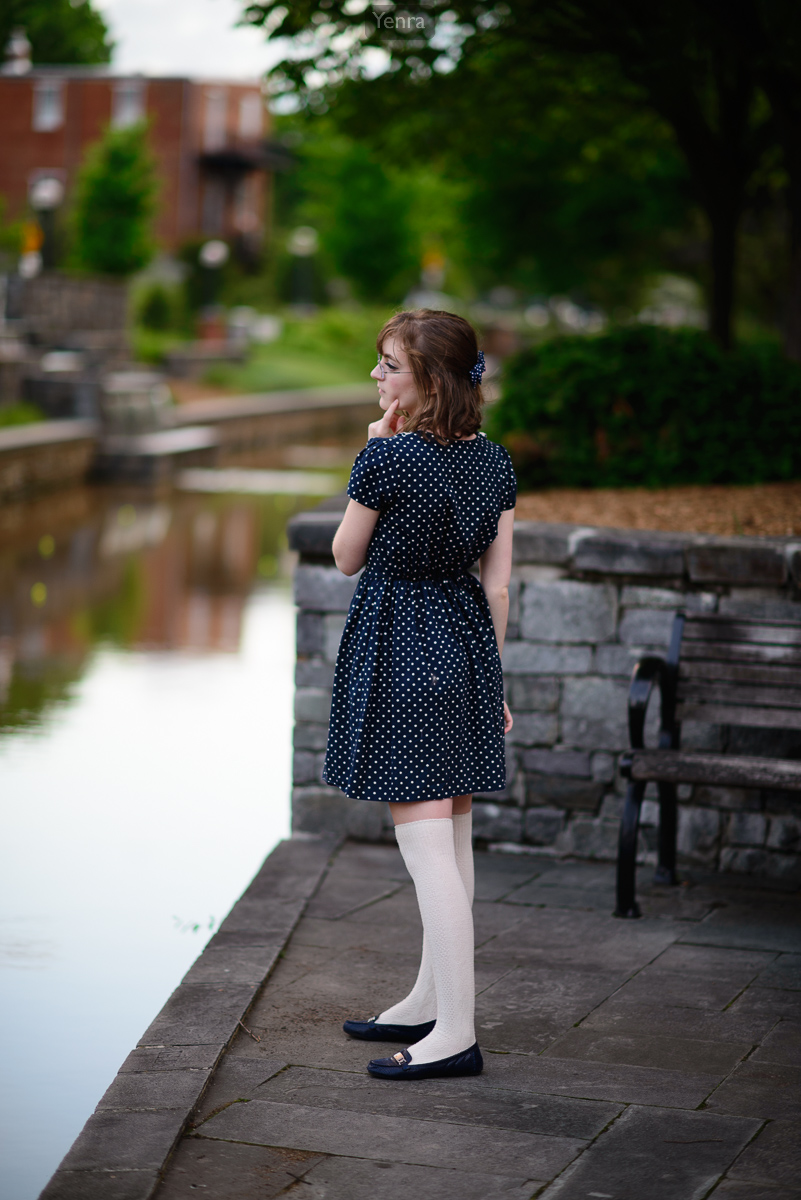
Portrait beside water and a bench · Photograph: Yenra · Credit: Gearstation Cosplay
Purple flowers create a broad patch of color behind the seated portrait. In the waterside view, a bench, stone edges, and the pale surface of the water contribute different shapes. Try borrowing an idea from either photograph: look for a color patch, a curved edge, or space that opens beside a subject.
One place may offer several of these possibilities. Stay with a view for a moment and see what else appears when you turn your attention toward a smaller feature or a different part of the background.
Give your outing a light structure.
Choose one theme that feels inviting: repeated shapes, small details, a color, or the relationship between a person and a setting. Allow up to three pauses, with enough flexibility to stay longer somewhere interesting or finish when you feel ready.
Keep the prompts as invitations. One photograph might answer two of them, and an unexpected subject may become the most interesting part of the outing. You can leave a prompt for another day and still bring home an observation worth keeping.
Choose a pace together.
If you are making portraits, invite your partner to help choose the theme, places to pause, and pace. They may notice a detail or setting you would have walked past. Make room for those suggestions and for a comfortable break. With objects or places, let your own curiosity set the pace.
The Vintage Spring photographs offer visual inspiration for this exercise. Plan your own route around places you know and can comfortably use. You can find patterns and details without visiting the locations pictured here.
Try your own small photo walk.
- Choose a comfortable area. Pick somewhere familiar, including one room or a seated viewpoint if that suits you.
- Choose one theme. Try a repeated shape, a detail, a color, or an idea suggested by a portrait partner.
- Bring a few prompts. Consider an introducing view, a pattern, a detail, a variation, and a surprise.
- Explore at your own pace. Pause where something interests you and adapt the plan as you go.
- Keep one discovery. Look back through the photographs and write one thing you noticed and one idea to revisit.
Reflect on the experience.
- Which prompt helped you notice something new?
- What unexpected detail or relationship caught your attention?
- What would make your next outing enjoyable?
Take the Photo walk experiment with you, browse the complete Vintage Spring gallery, or explore a wooded portrait setting from Colossalcon East. When you want to work further with your photographs, continue to choosing a small set and building a small photo story.