Field notes · Look · Try · Compare
Choosing photographs for a small set
Compare related portraits and choose three photographs with qualities you enjoy together.
Choosing a few photographs is another way of learning to see. Spend time with related frames and notice what you enjoy in each one. A hand changes position, a face turns, or the surrounding space takes on another shape. Those small differences can help you decide which photographs you would like to bring together.
Begin with six related photographs.
These six portraits from Maryland Winter share clothing, color, and a setting. They appear below in their original source order. Each number is simply a reference for the comparison, and every photograph links to its original archive page.
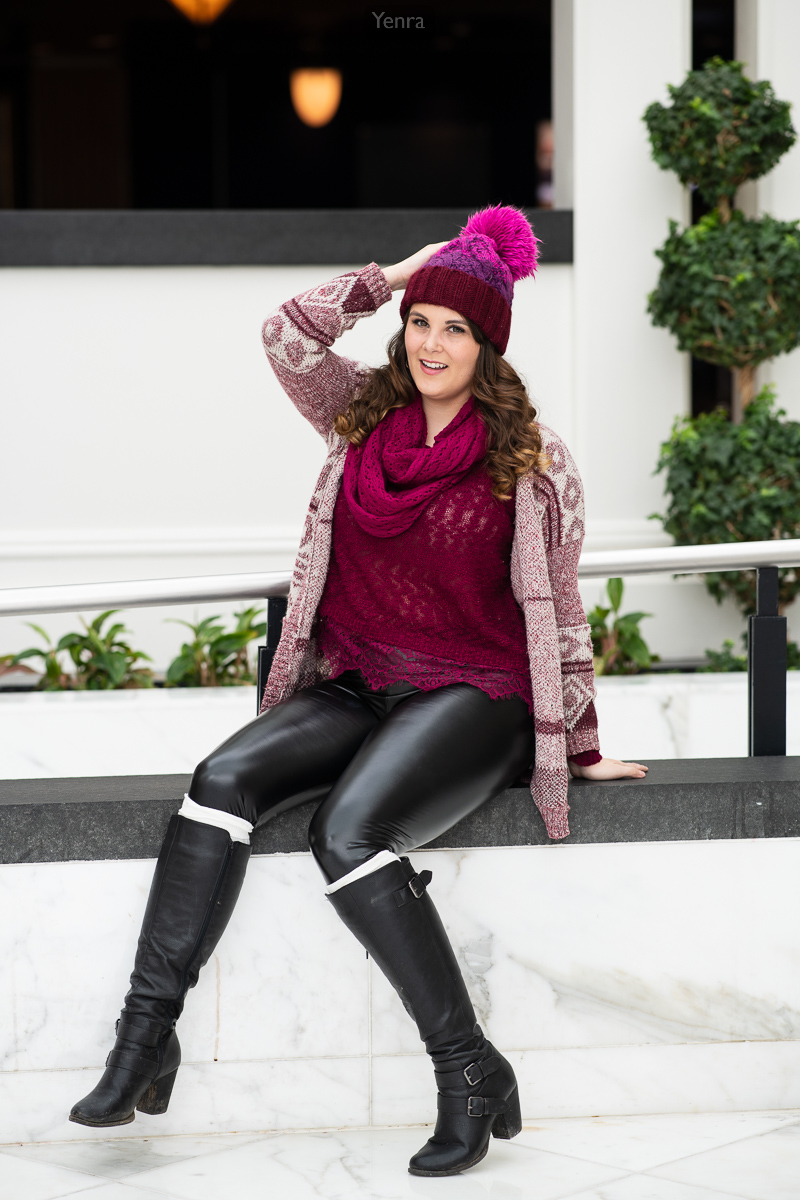
Cozy Colorful · Photograph: Yenra · Credit: Valley Bunny
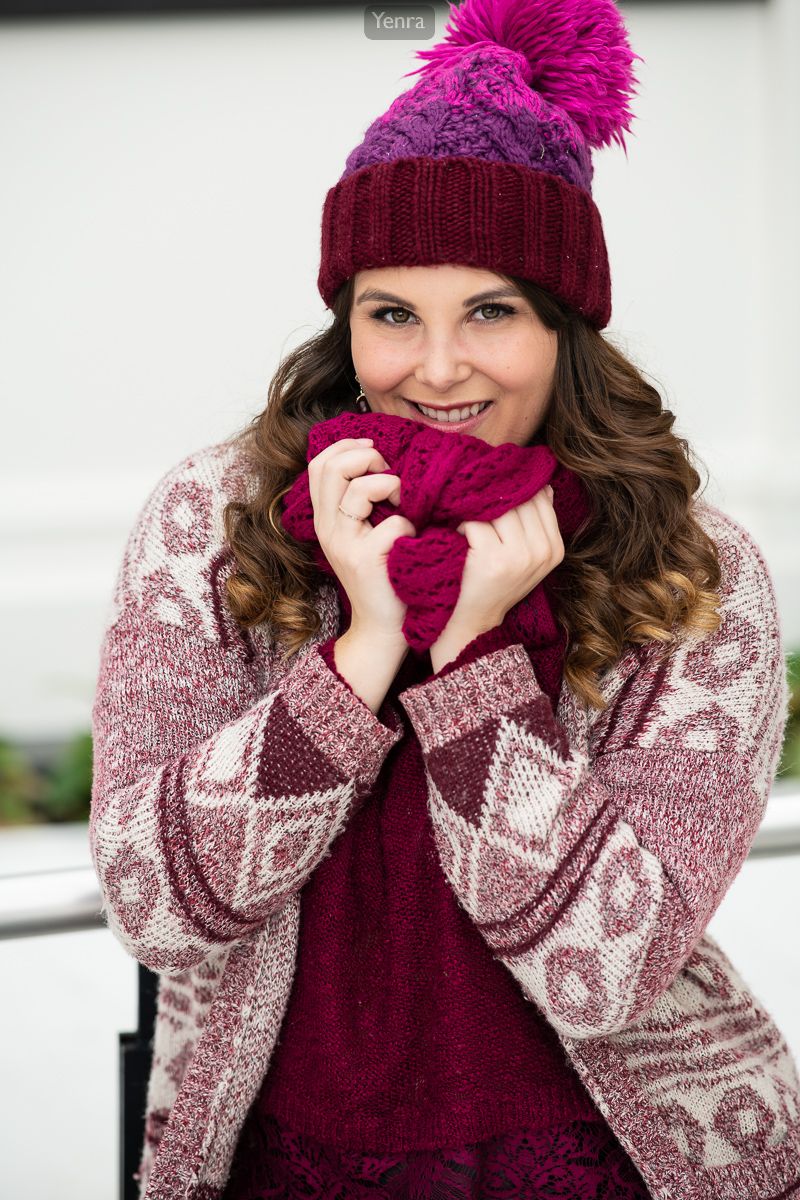
Cozy Colorful · Photograph: Yenra · Credit: Valley Bunny
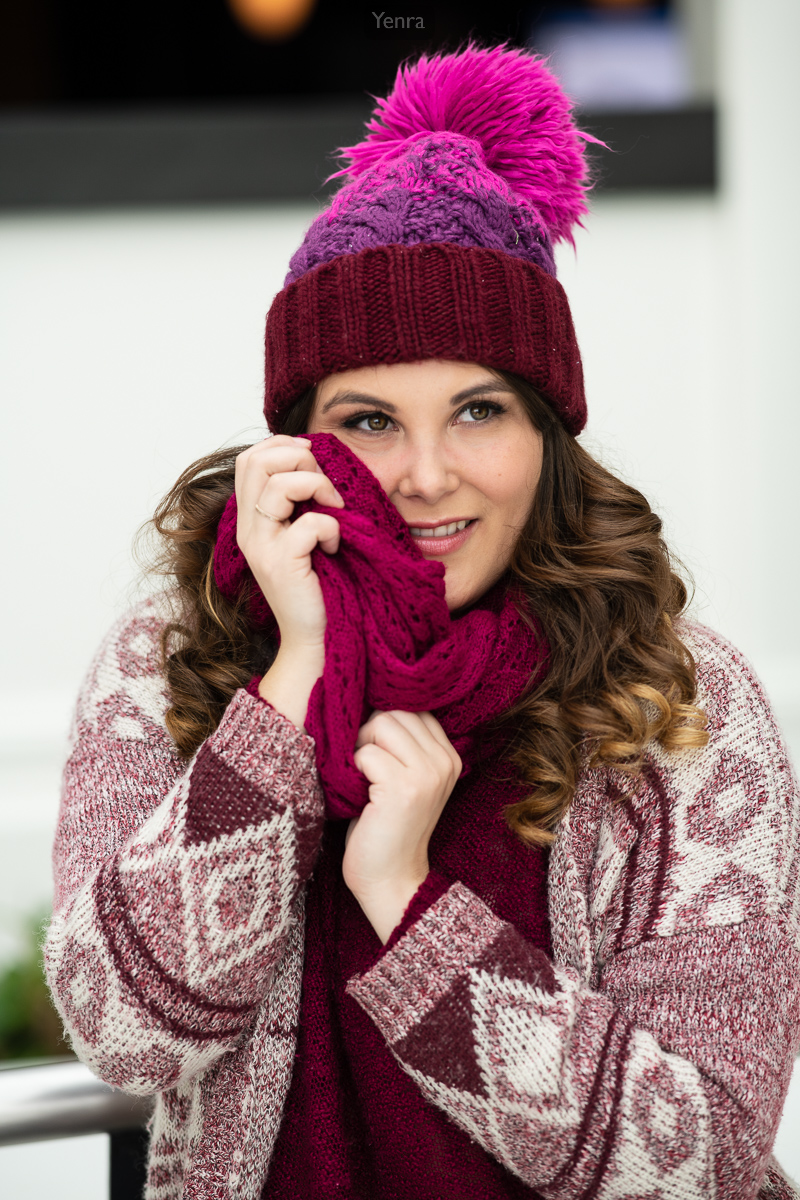
Cozy Colorful · Photograph: Yenra · Credit: Valley Bunny

Cozy Colorful · Photograph: Yenra · Credit: Valley Bunny
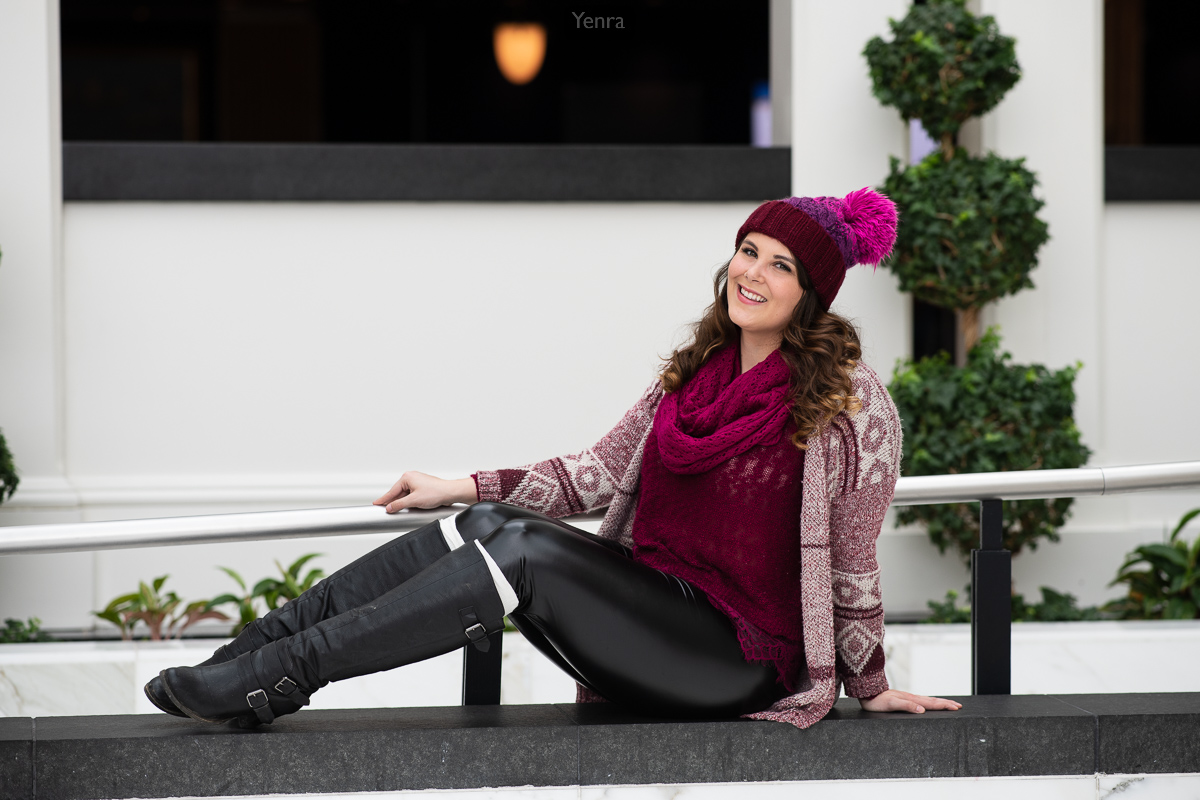
Cozy Colorful · Photograph: Yenra · Credit: Valley Bunny
Cozy Colorful · Photograph: Yenra · Credit: Valley Bunny
First, let yourself look without deciding. Follow the burgundy and pink through the set. Notice the hands near the hat, scarf, hair, and railing. Compare the closer views with the photographs that include more of the clothing and setting. You may find several different reasons to enjoy these frames.
The source records place these selected moments between 13:10:02 and 13:11:28 on January 27, 2019. They share the original title Cozy Colorful and credit Valley Bunny. The complete gallery holds the rest of the photographs, so you can continue looking beyond this small selection.
Give your preferences a few words.
Compare photographs 2 and 3. Both are close portraits with hands holding the scarf, but the scarf, hands, and face make different arrangements. You might enjoy the smile above the scarf in one, or the way the fabric rises beside the face in the other. Try describing the particular relationship that interests you.
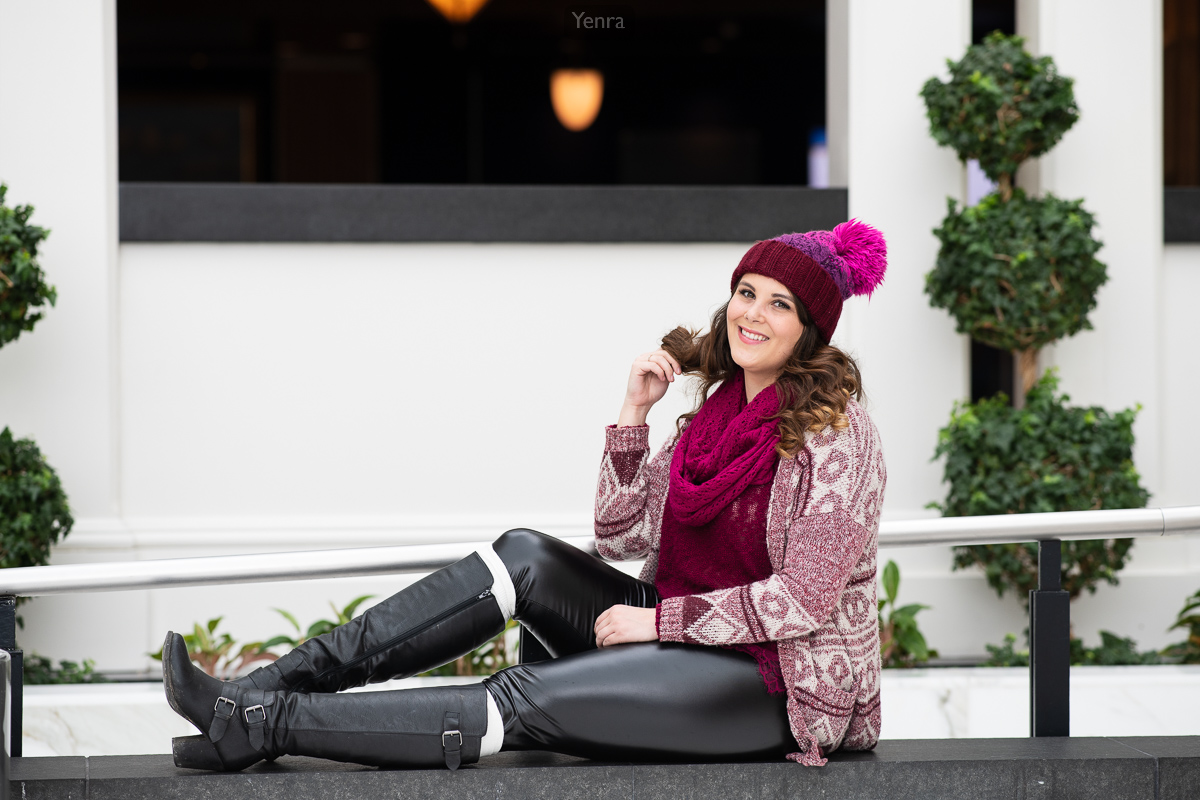
Then compare photographs 5 and 6. Both use a horizontal view with the legs extending across the picture. One hand rests on the railing in photograph 5; a hand rises toward the hair in photograph 6. Look at those gestures alongside the surrounding space. Your choice can depend on what you would like this frame to contribute to the set.
A short sentence can be enough: “I like the hands gathered around the scarf,” or “This wider view gives the setting more room.” Describing a preference helps you understand it and gives you something to explore the next time you make photographs.
Try one possible set of three.
Here is one way to choose complementary views. Treat it as an invitation to make your own selection.
- Photograph 1 introduces the clothing, seated figure, and setting in a vertical view. The raised hand gives the pose a clear shape.
- Photograph 2 brings the face and hands closer, carrying the same colors into a more concentrated arrangement.
- Photograph 5 adds a horizontal composition, with the extended legs and railing taking the eye across the picture.
Another set might use 3, 4, and 6 to explore different gestures. You may prefer a pair, or want to keep all six together. A small selection gives photographs a particular role for a particular occasion; the other frames remain available for another idea.
When you are choosing portraits made with someone else, invite their preferences too. Ask what they enjoy about a frame and share what you noticed. You can build a set that reflects both perspectives.
Choose three from a small group.
- Gather six related photographs. Use pictures you already have of an object, place, or willing portrait partner.
- Look through the whole group. Notice recurring shapes, colors, gestures, and spaces before choosing.
- Name what you enjoy. Write a short observation about two or three frames that hold your attention.
- Choose a set of three. Look for photographs that share something and also offer a difference. Invite a collaborator's choices when appropriate.
- Describe each contribution. Write one sentence per photograph, then try swapping one frame and see how the set feels.
Keep room for another selection.
- What makes your chosen photographs feel connected?
- What does each photograph add?
- Which different selection would you like to try?
Use the field practice notebook to record your choices, or explore the complete Maryland Winter gallery. When you are ready to think about order and a sense of progression, continue with building a small photo story.