Field notes · Look · Try · Compare
Adding a sense of place to a photo collection
Bring a wider view, a portrait, and a specific detail together.
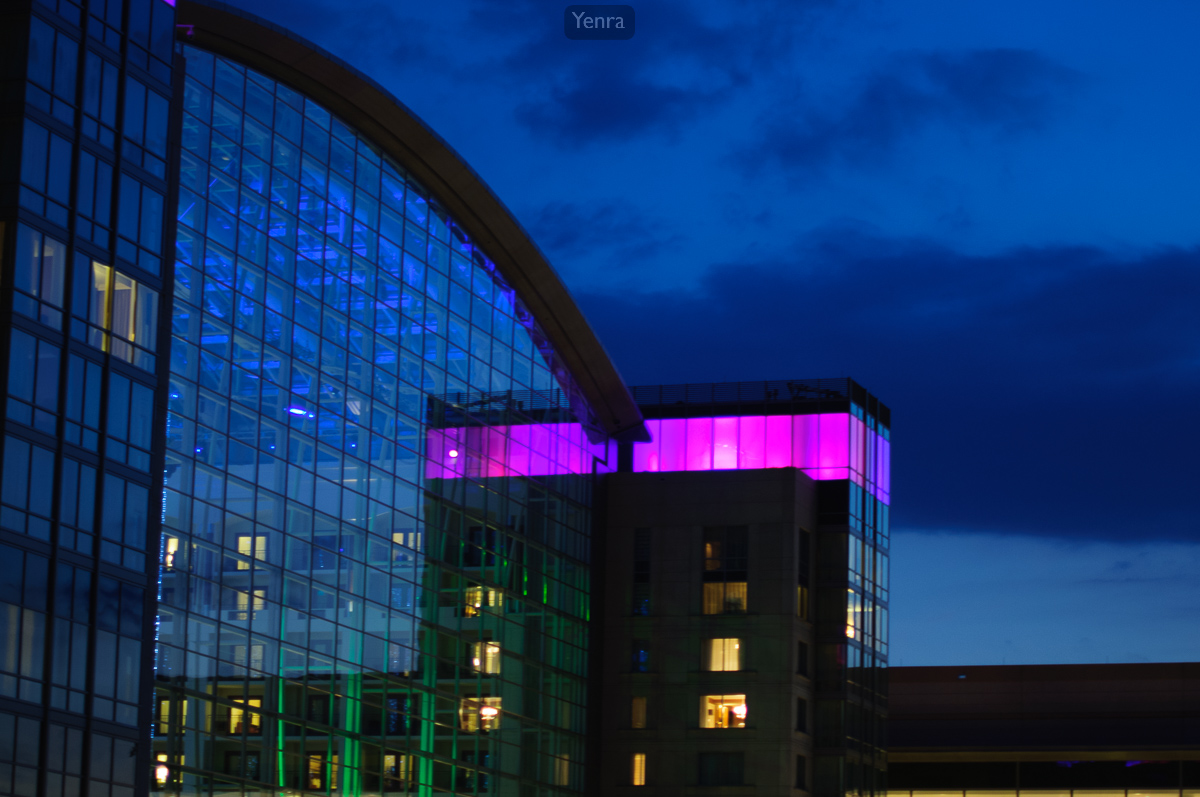
Gaylord Hotel · Photograph: Yenra
Captured: 2012:01:07 18:37:36
A photograph of the surroundings can give a portrait more context. Across a small collection, a wider view, a person, and a specific detail each contribute something different. Together they help a reader imagine the place around the people, while leaving each photograph room to be enjoyed on its own.
Give the reader a place to begin
The glass-fronted building stands beneath a blue evening sky. Its curving roof and green, blue, and magenta lights offer broad shapes and colors to explore. This wider view gives the collection a setting before the next picture brings attention closer to a person.
A wider photograph can answer a simple question: what surrounds this visit? It might show a building, a room, a stretch of path, or a familiar corner. Choose a view that contributes something you want a reader to see, such as the scale of the architecture or the relationship between a gathering place and its surroundings.
You may already have that picture in an older gallery. Browse with the portrait in mind, and notice which wider view belongs with the same visit. Keep names and dates accurate as you make the connection. The relationship can be clear even when the photographs were made hours apart.
Connect a person with the surroundings
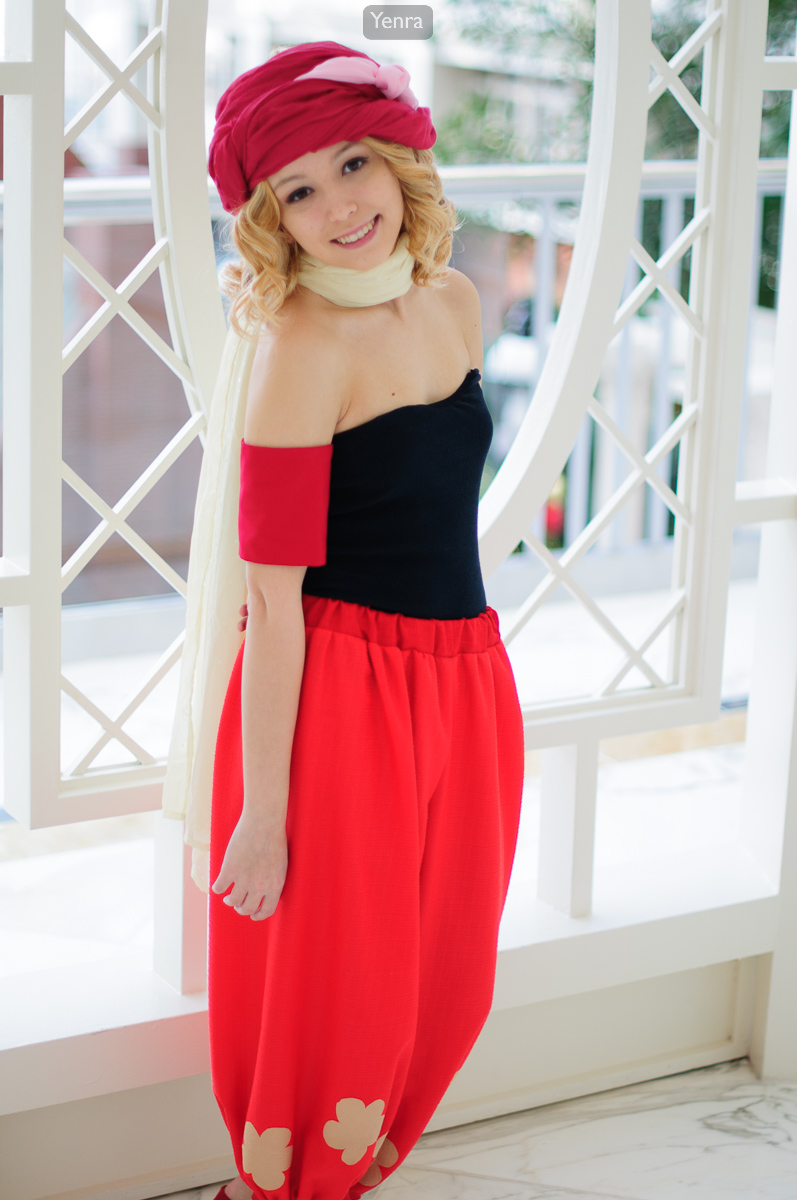
Relm Arrowny, Final Fantasy VI · Photograph: Yenra
Captured: 2012:01:07 12:36:47
The portrait's red headwrap and trousers, dark top, and pale long scarf bring clothing and gesture into the collection. White architectural latticework remains visible around the figure. The surroundings become something close enough to see beside a person.
Look at what this photograph adds after the exterior. The first view describes a building; the portrait gives attention to a person within the visit's setting. The latticework contributes a particular texture and shape without needing to explain the whole venue in one frame.
When choosing your own portrait, consider the amount of surrounding detail you want to include. A close photograph can offer an expression, while a wider one may connect a person with nearby architecture or objects. Select the contribution that interests you and fits the collection you are making.
Keep a detail that makes the place specific

Gaylord National Resort & Convention Center · Photograph: Yenra
Captured: 2012:01:07 12:08:44
The brown sign names Gaylord National Resort & Convention Center. Shrubs, bare branches, and part of the building surround it. That readable name contributes a specific detail alongside the broader exterior and portrait.
A sign is one possibility. A distinctive doorway, decoration, or other recognizable feature can also help describe a place. Choose a detail you actually photographed during the visit, and write only what you can support from the picture and its record.
Arrange your wider view, portrait, and detail, then read them as a small collection. What does each picture add? Try another order if you want to begin with the person or the smaller detail. Presentation order can follow a reader's needs while the dates preserve when the photographs were made.
Write one short connecting sentence. For this grouping, “Three views from MAGFest 2012 connect the venue, a portrait, and the venue's sign” describes the selection without inventing a story about arrival or departure. Your own sentence can be just as simple. Keep a connection that makes you curious to return to the photographs.
Look back with curiosity.
- What does the wider view help a reader imagine?
- Which detail makes the place feel specific?
- What does the portrait contribute that the surrounding views do not?
Keep exploring
Giving a portrait a sense of place · Choosing variety for an event gallery · Writing captions that invite a closer look
Browse the complete MAGFest 2012 and MAGFest 2013 galleries.