Field notes · Look · Try · Compare
Connecting standing and seated portraits
Arrange two standing variations and a seated view so a change in body level gives the sequence a different ending.
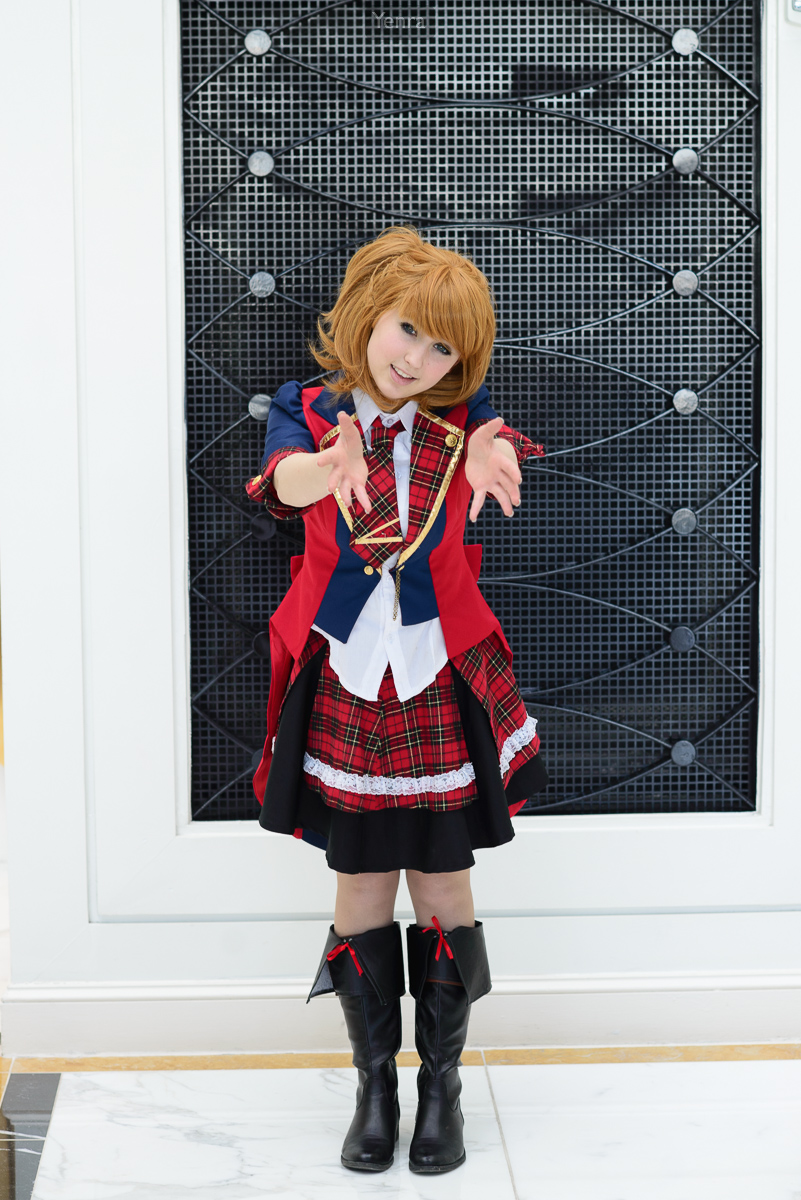
Yuko Oshima, AKB0048 · Photograph: Yenra · Credit: Gillian Foxglove · Archive tags: AKB0048, Yuko Oshima
Captured: 2015:02:13 10:09:58
A portrait sequence can connect different body positions through familiar clothing and a shared setting. A standing view establishes one outline; a seated view can bring a different shape and level into the same small collection.
This new editorial sequence uses two standing portraits followed by a seated side view from Katsucon 2015. The supplied title is Yuko Oshima, AKB0048, and the current display credit is Gillian Foxglove. The photographs retain their original frames and capture times; this order makes no claim about how the session was directed.
Open with an outward gesture
Both hands reach forward in the opening portrait. The standing figure, checked costume and dark patterned panel establish details that can carry through the sequence. Follow the hands back toward the body, then take in the complete outline.
An opening can introduce a person through a clear gesture without explaining everything about the photograph. For your own sequence, choose an existing frame with something recognizable to carry forward: clothing, setting, color or a shape you enjoy.
Continue with a second standing shape
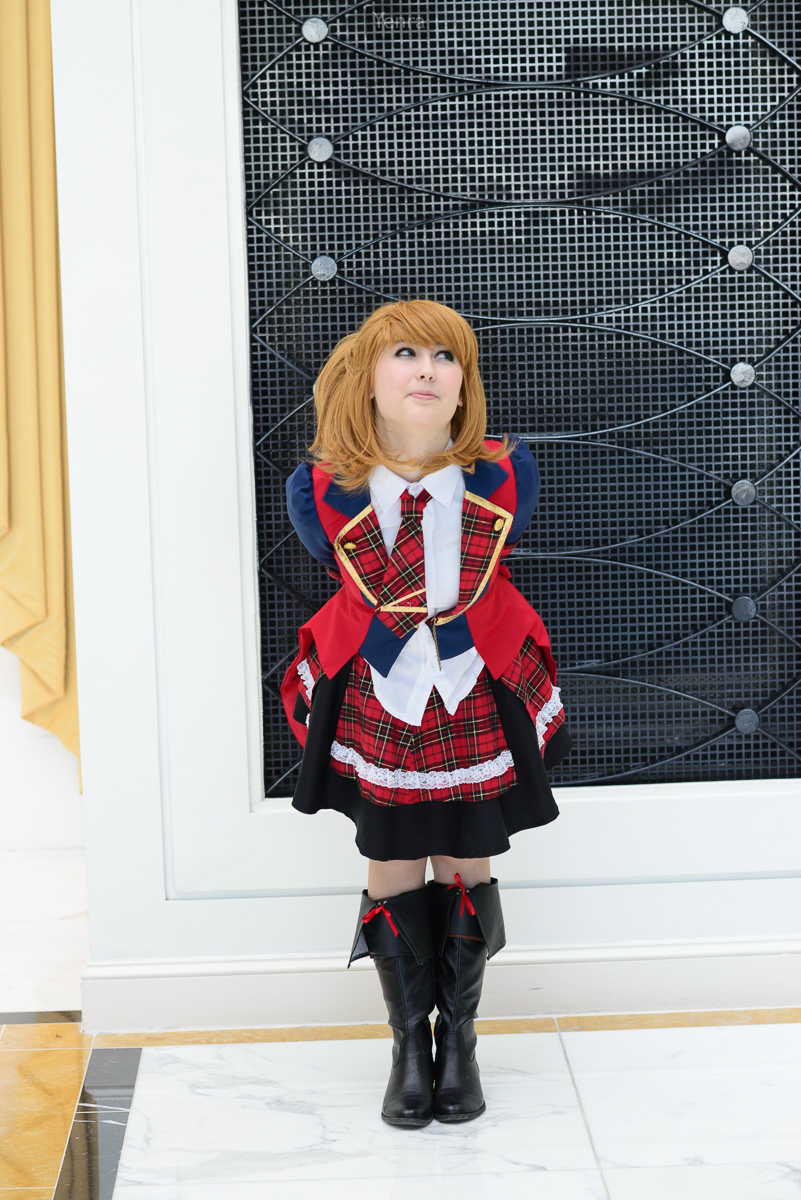
Yuko Oshima, AKB0048 · Photograph: Yenra · Credit: Gillian Foxglove · Archive tags: AKB0048, Gillian Foxglove, Yuko Oshima
Captured: 2015:02:13 10:10:14
The hands move behind the body in the second standing view, and the gaze turns upward. The same costume and panel make the connection easy to follow, while the narrower arm arrangement offers a different outline from the reaching hands.
A middle photograph can provide a variation before the larger change at the end. Compare how much space the arms occupy in the two standing pictures. Neither needs to be the better pose; each contributes something different to the order you are trying.
Finish with a seated view
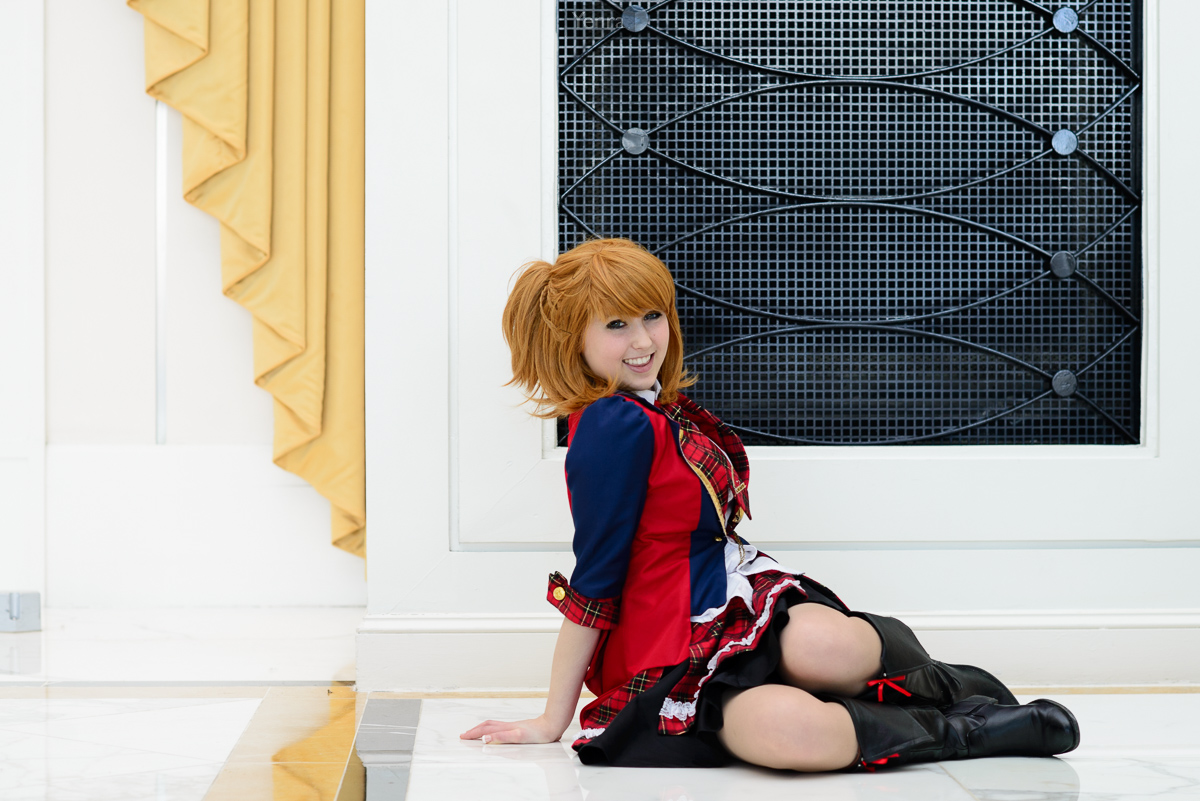
Yuko Oshima, AKB0048 · Photograph: Yenra · Credit: Gillian Foxglove · Archive tags: AKB0048, Gillian Foxglove, Yuko Oshima, ycard
Captured: 2015:02:13 10:10:38
The final photograph shows the subject seated sideways on the floor. The lower body position spreads the outline across a horizontal frame, while the costume and patterned panel keep the setting recognizable. Both posture and framing change, so consider the whole transition.
Try this photograph first instead and compare the sequence again. Which order gives you an ending you enjoy? Use pictures you already have, or portraits made in positions your partner chooses comfortably. A chair or another seated view can support the same idea; no floor pose is required.
Connect two body levels
- Standing, hands forward: introduce an outward gesture.
- Standing, hands behind: compare a narrower outline.
- Seated side view: try a lower position as the ending.
This is a new editorial sequence of existing photographs. Reverse the order and notice what a different ending adds.
Look back with curiosity.
- What connects the photographs despite the posture change?
- How does the final body level change the outline?
- What changes when the seated photograph comes first?
Keep exploring
Exploring seated portraits · Mixing horizontal and vertical photographs in a collection · Choosing a closing photograph
Browse the complete Katsucon 2015 gallery. Follow a photograph into its original neighbors and see which small detail or portrait variation catches your attention next.