Field notes · Look · Try · Compare
Noticing dappled light in a photograph
Explore the patterns that patches of light and shade bring to a portrait.
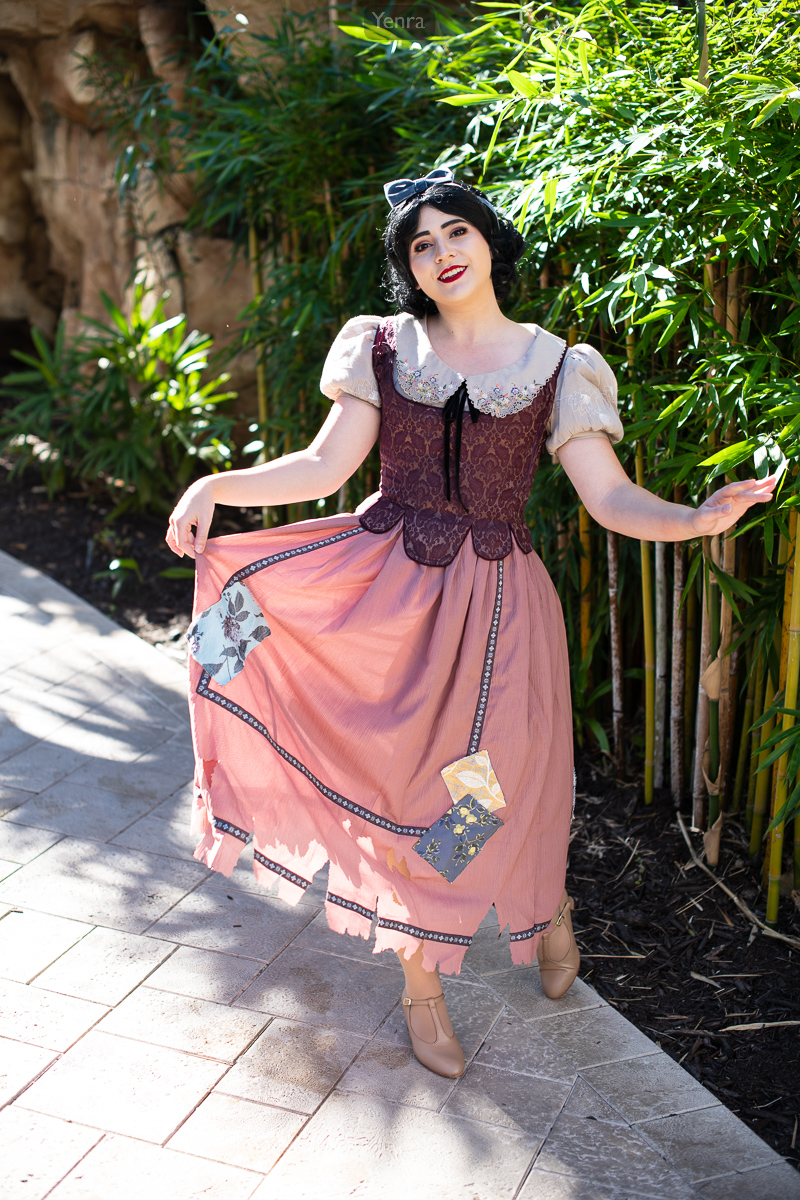
Woman in Pink Dress Poses Outdoors · Photograph: Yenra
Captured: 2019:12:15 14:11:00
Light and shade can make a pattern of their own. Small bright patches, leaf-like shadows and changes across a sleeve or hand give your eye something to explore alongside the portrait.
These three Holiday Matsuri 2019 photographs invite a closer look at that broken pattern. Begin with what is visible in each finished picture, then keep one observation you could explore in your own photographs. A picture you already have is a good place to start.
Look for the pattern around the model
The wider portrait gives the pink skirt, green bamboo and paved ground room within the same frame. Bright leaves stand beside darker ones, while irregular patches cross the paving near the model’s feet.
Follow those shapes across the picture. The light areas on the ground make a different pattern from the narrow leaves above. The skirt creates a larger, more continuous shape between them. Each offers a different pace for your eye.
Try looking around the model before returning to the face. A pattern on the ground or in the background can help give a portrait its setting. You may enjoy including more of it, or you may prefer a quieter arrangement with fewer patches.
For a new photograph, a small change of viewpoint can give you another version to compare. You and the model can also choose a comfortable place to pause while you decide how much of the surrounding pattern to include.
Look closer at light across hands and clothing

Snow White: A Timeless Fairy Tale Character · Photograph: Yenra
Captured: 2019:12:15 14:11:28
The closer portrait brings the hands, sleeves, collar and hair forward. Bright areas on the hands and clothing sit beside shaded parts, while leaves and softer bright shapes remain in the background.
Look at one boundary between light and shade. Does it make a small detail easier to notice? Does it divide a larger shape into several pieces? Describe the visible result in your own words before deciding whether you would like a similar effect.
The wider and closer photographs offer different things to study. One gives more room to the ground and whole outfit. The other lets small changes across a hand or sleeve occupy more of your attention.
You can make that comparison with existing photographs. Keep the complete frames and move your attention between the overall pattern and one small area. A useful observation might be as simple as “the bright sleeve connects with the leaves.”
Let the ground carry the pattern
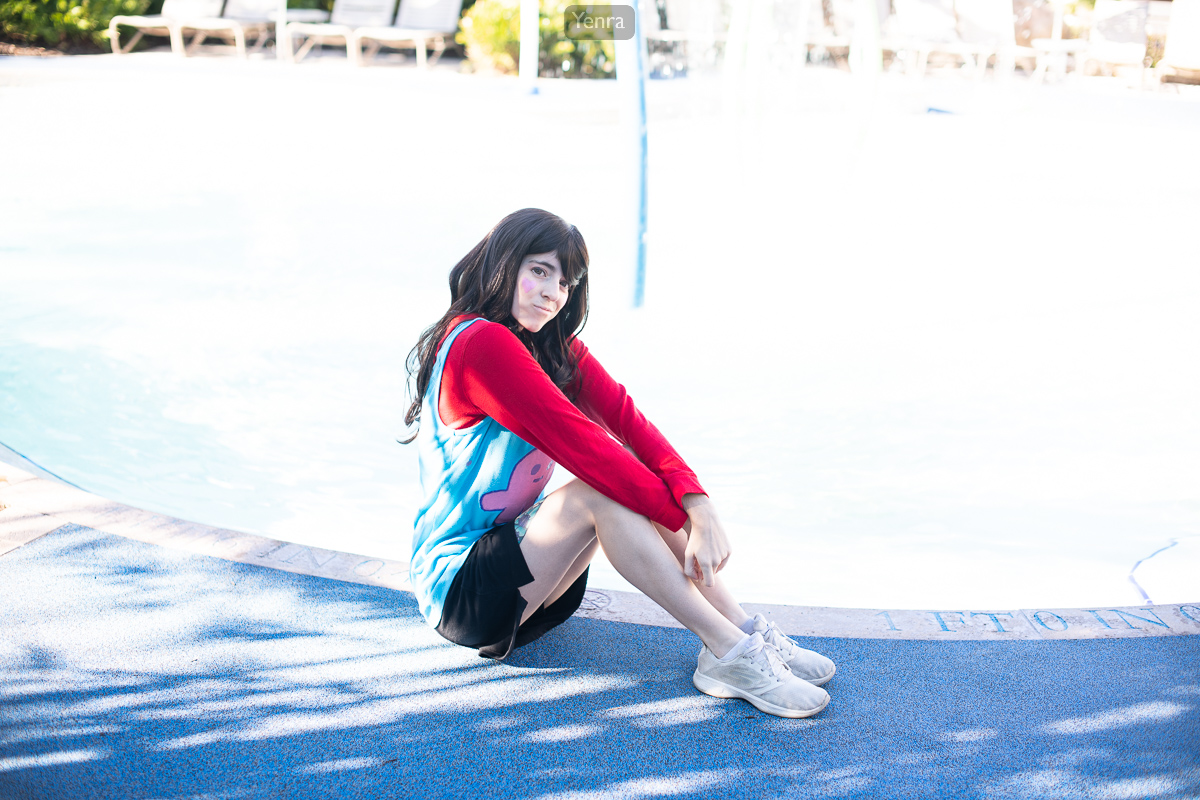
Girl by the Pool · Photograph: Yenra
Captured: 2019:12:15 14:22:15
Branching shadows spread across the blue ground beside the seated model. The pale pool area provides a broad light background, while red sleeves and blue clothing create distinct shapes within the portrait.
Here, much of the pattern lives around the model. Follow a shadow toward the edge of the frame and notice how much ground is included. That surrounding space has an active part in the composition.
These photographs show finished arrangements of light, shade and people. They give us material to observe without needing to reconstruct the original lighting setup. Your own experiment can begin with a pattern already present in an everyday place.
Choose one patch you enjoy and make a small variation in framing. If you are working with a model, compare the results together. Keep a note about where the pattern feels useful: across the setting, within the portrait, or in both places.
Look back with curiosity.
- Where does the pattern appear most clearly?
- How do the patches change between the wider and closer views?
- What would a small change of viewpoint let you include?
Keep exploring
Noticing shadows in a photograph · Seeing light in a portrait
Browse the complete Holiday Matsuri 2019 gallery.