Field notes · Look · Try · Compare
Making space around a subject
Explore open and textured surroundings, then try three arrangements of space around an everyday subject.
The space around a subject is part of the photograph. It can offer a place for your eye to pause, show the character of a setting, or make a small gesture easier to notice. Begin with something you enjoy looking at, then explore how much of its surroundings you would like to include.
Notice two kinds of surrounding space.
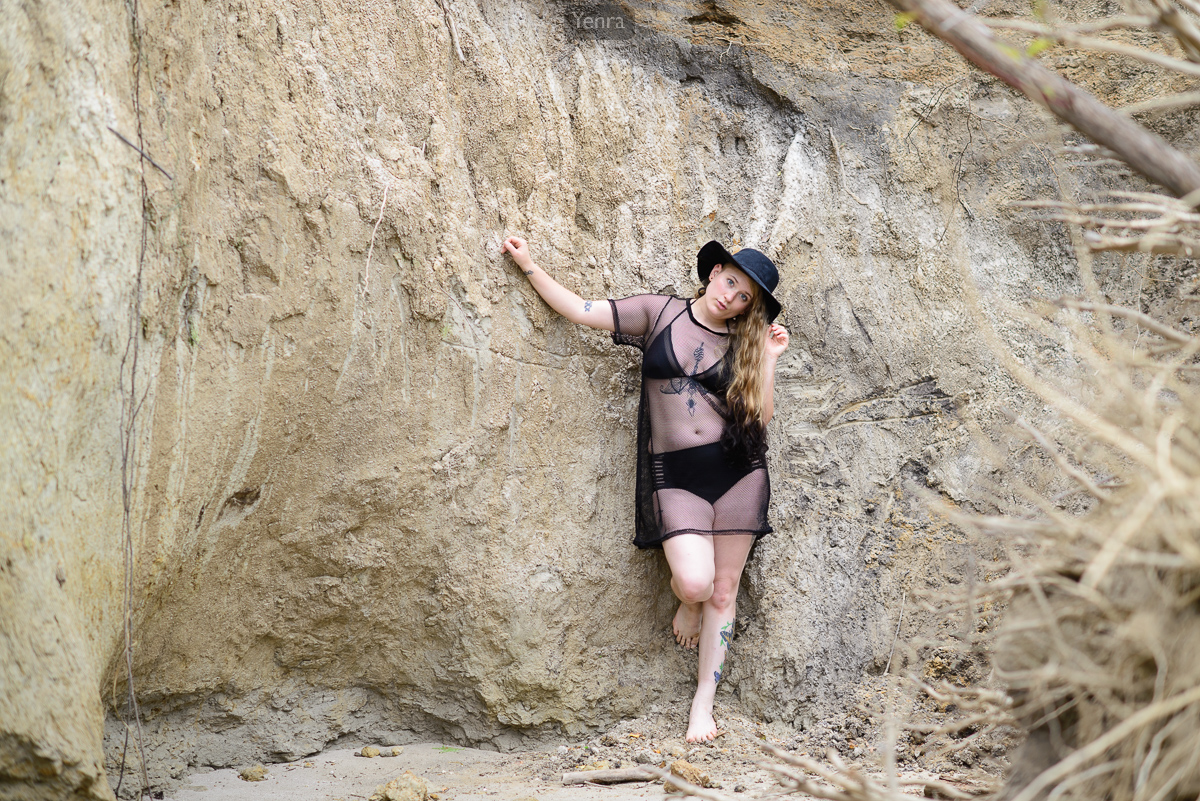
Portrait beside a textured bank · Photograph: Yenra · Credit: Vixen
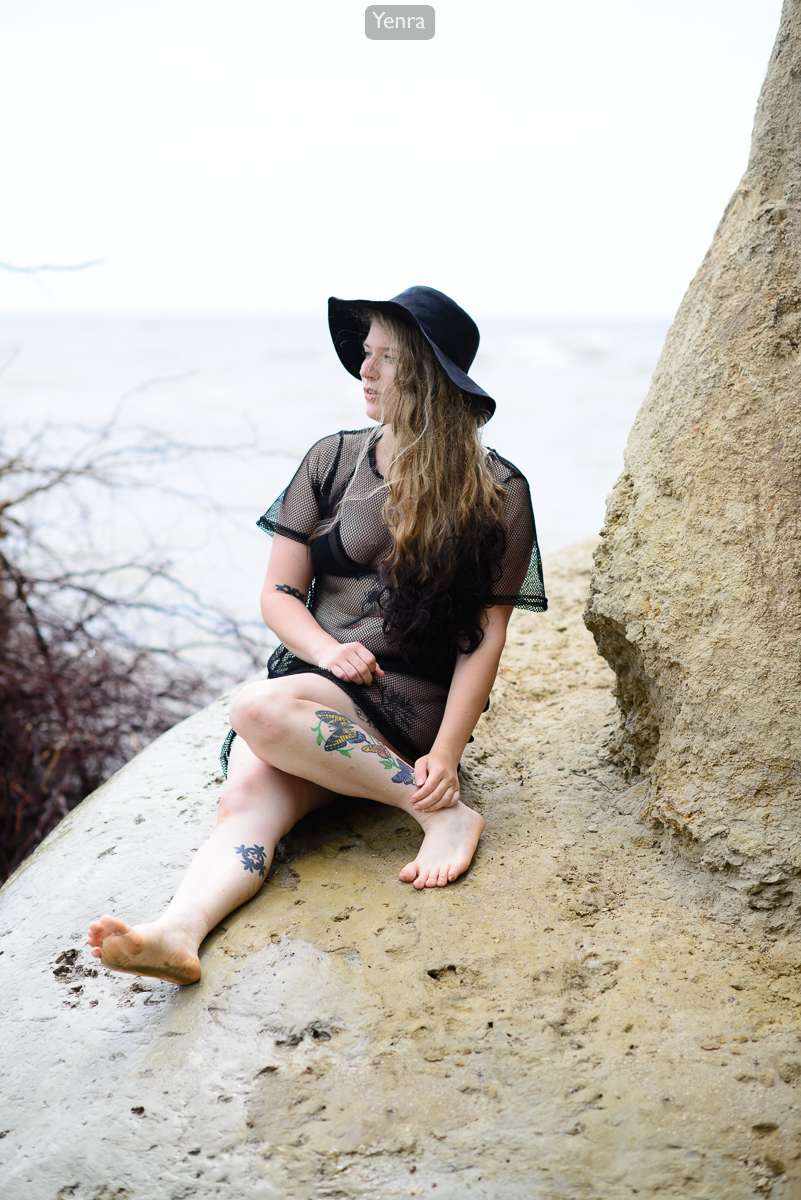
Seated portrait beside pale water · Photograph: Yenra · Credit: Vixen
In the wider portrait, a broad area of textured earth extends to the left of the figure. Its small ridges and changes of tone remain visible, while the dark clothing gives your eye a distinct shape to return to. Space around a subject can have plenty of detail. Here, that detail also gives the place a part in the photograph.
In the seated portrait, pale water opens above and beside the person. The textured bank occupies the right edge, and the figure looks across the lighter area. Follow that direction for a moment, then return to the hands, hat, and face. The broad pale area and the nearby textured surface contribute different qualities to the same picture.
You may hear the surrounding area described as negative space: the space around and between the main shapes. Think of it as something you can arrange and explore. It can be smooth or textured, bright or dark, narrow or generous. What matters for your photograph is the relationship you enjoy between that space and the subject.
Compare a setting with a closer view.
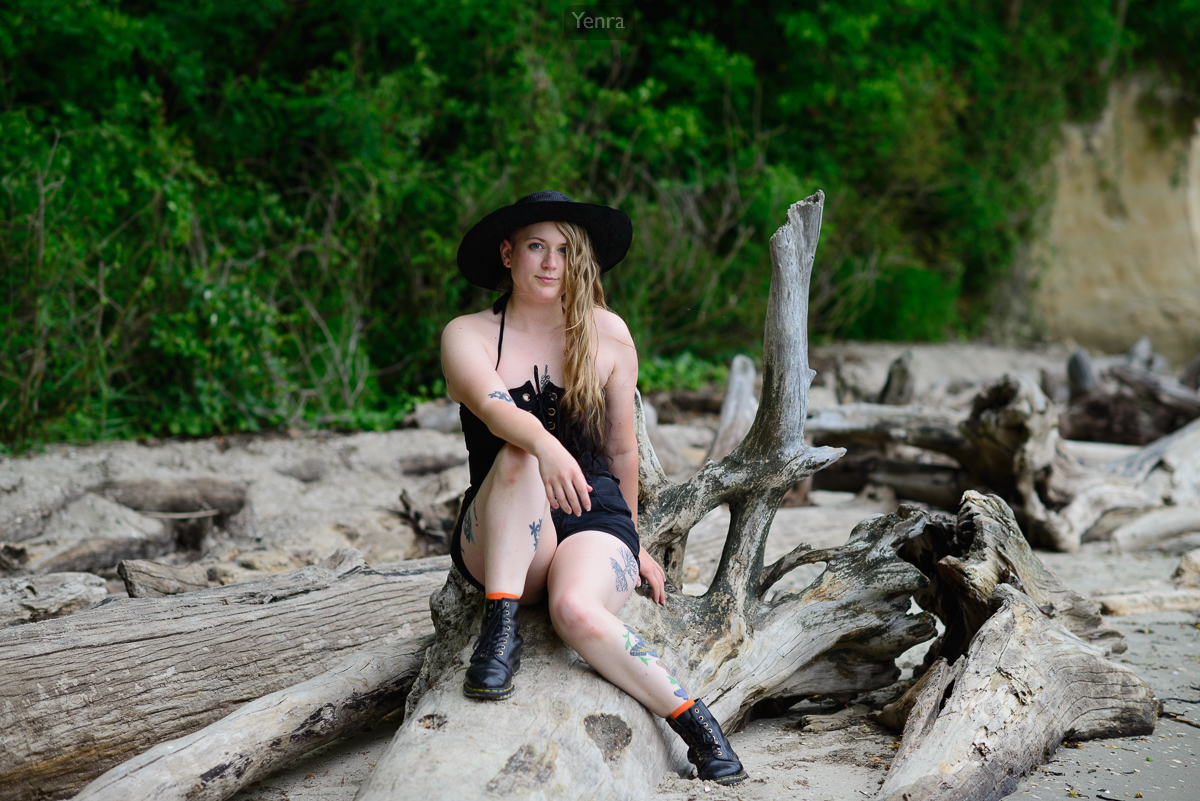
Portrait among driftwood · Photograph: Yenra · Credit: Vixen
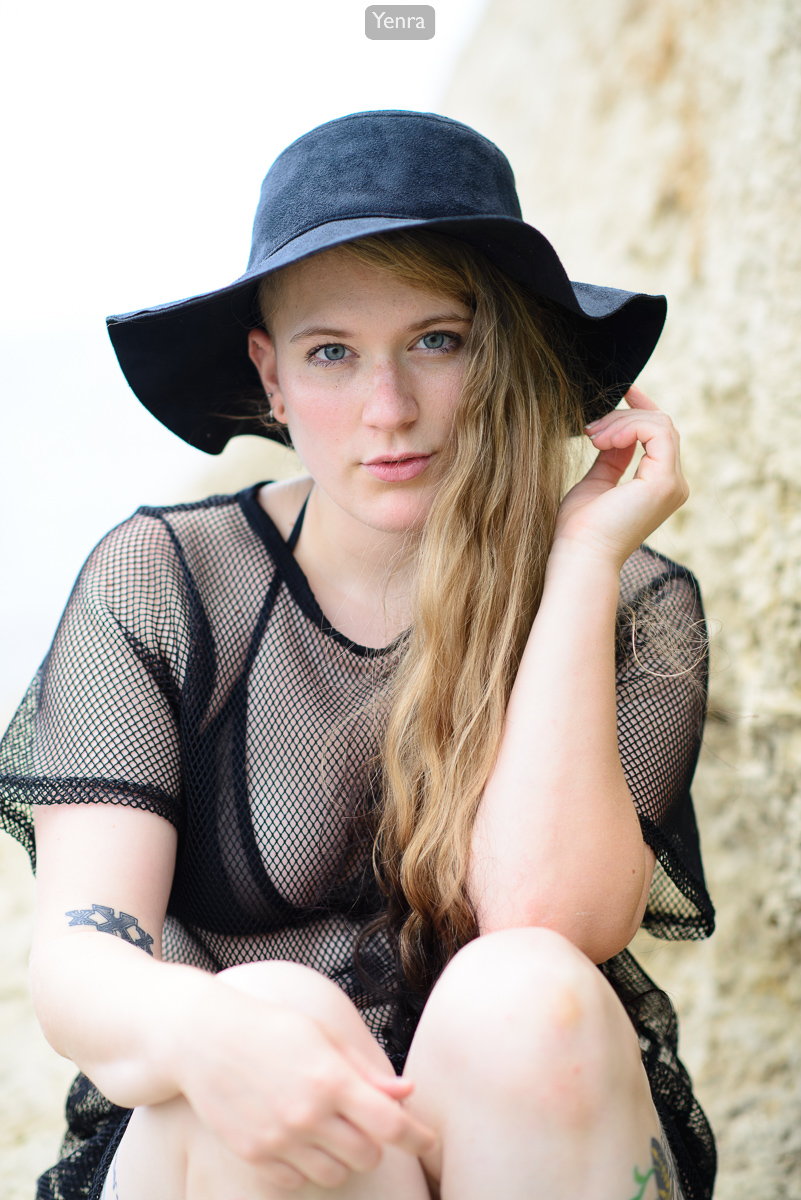
Close portrait with a black hat · Photograph: Yenra · Credit: Vixen
The driftwood portrait gives the branching wood, sand, and greenery room alongside the seated person. Look at how the wood extends toward the edges. Its shapes help connect the figure to the setting, and there are several places for your attention to travel.
The closer portrait brings the face, hat, and raised hand forward. A smaller amount of the pale surroundings remains. You can still notice the contrast between the dark hat and the light area beside it, but the balance has shifted toward expression and gesture.
These photographs offer different experiences. You might enjoy the wider view for its setting and the closer one for the relationship between hand and face. Keep both possibilities available as you work. A subject can support more than one composition worth making.
Give an everyday subject a little room.
A cup, a leaf, or a small object on a table is a useful starting point. Look at the surface beside it and the spaces between its outline and the edges of the picture. Move the object or the camera a little, and notice which relationship changes. You can make one view with more room on a side, another with more room above, and a third that comes closer.
For a portrait, choose a comfortable setting with a willing partner. Let them help choose where to sit or stand, then explore the space around them. The photographs here can inspire an experiment in an ordinary room or familiar outdoor place; you can work with the surroundings already available to you.
Try three arrangements of space.
- Choose a subject. Pick an everyday object, or work with a willing portrait partner.
- Notice the surroundings. Find a broad shape, a quiet area, or a texture you enjoy beside the subject.
- Make a spacious view. Include enough of that area to see what it contributes.
- Try two variations. Change where the space falls in the picture, then make a closer view.
- Compare your choices. Look at the subject and the spaces together. Choose a relationship you would like to explore again.
Keep a note about what you notice.
- Where does your eye pause in each photograph?
- What does the surrounding space contribute?
- Which arrangement would you like to try with another subject?
Take this experiment to the field practice notebook, explore the complete May Beach gallery, or continue with portrait framing and noticing texture.