Field notes · Look · Try · Compare
Making a portrait in a gazebo
Explore framing, foreground rails and the view beyond an open shelter.
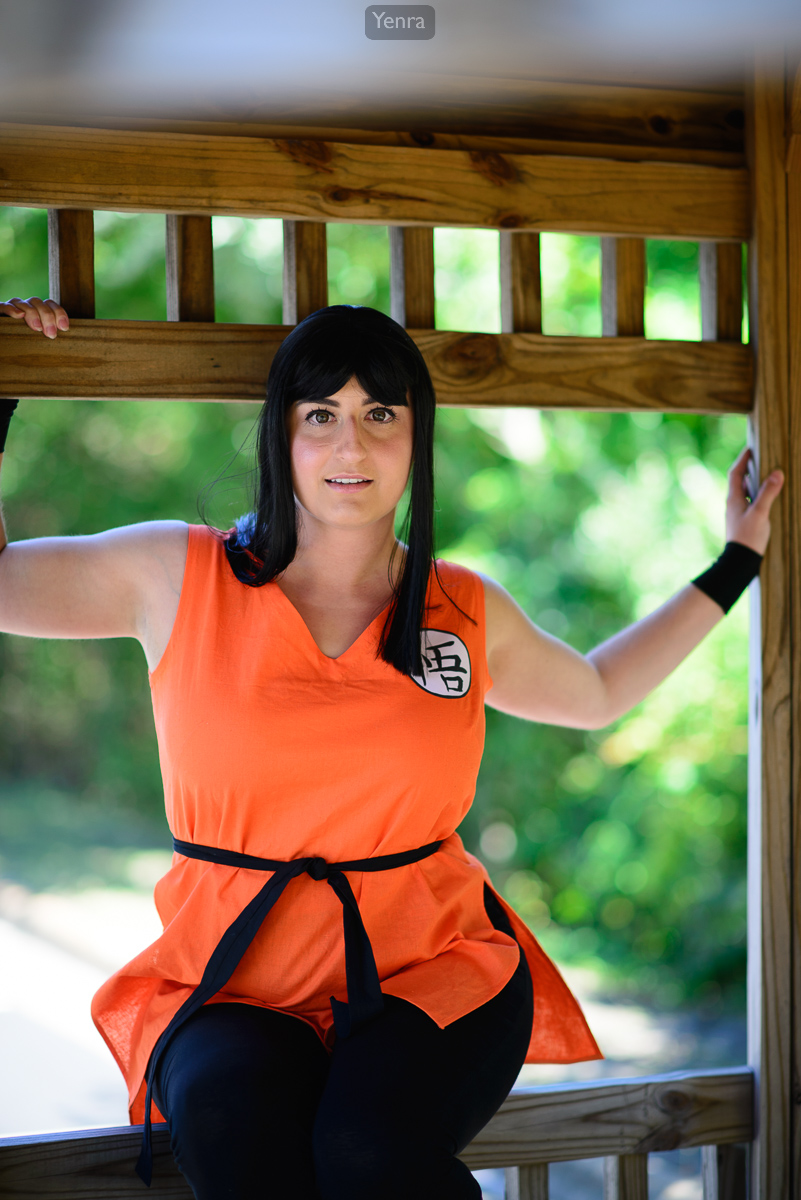
Woman Posing in Front of Wooden Fence · Photograph: Yenra
Captured: 2016:06:18 14:55:28
An open shelter gives a portrait several things to work with at once: a structure around the person, a view beyond it and nearby rails that can become part of the foreground. A gazebo, pavilion or similar familiar place can offer many arrangements within a small area. Start with a comfortable position for your portrait partner and explore from there.
Keep part of the structure around a closer portrait
The wooden posts and crosspieces remain visible around this closer portrait. Green foliage fills the openings beyond them, while the orange top gives the person a strong area of color within the frame.
Look at the space above the head and beside the shoulders. Enough of the structure is included to describe the setting, even though much of the wider shelter is outside the picture. A closer portrait can still carry a clear sense of place.
For your own version, try a comfortable standing position or an ordinary seat. Make one frame that includes a post or crosspiece, then move the camera a little closer or farther away. Compare how much of the shelter you need to keep the relationship you enjoy.
Explore the view through nearby rails
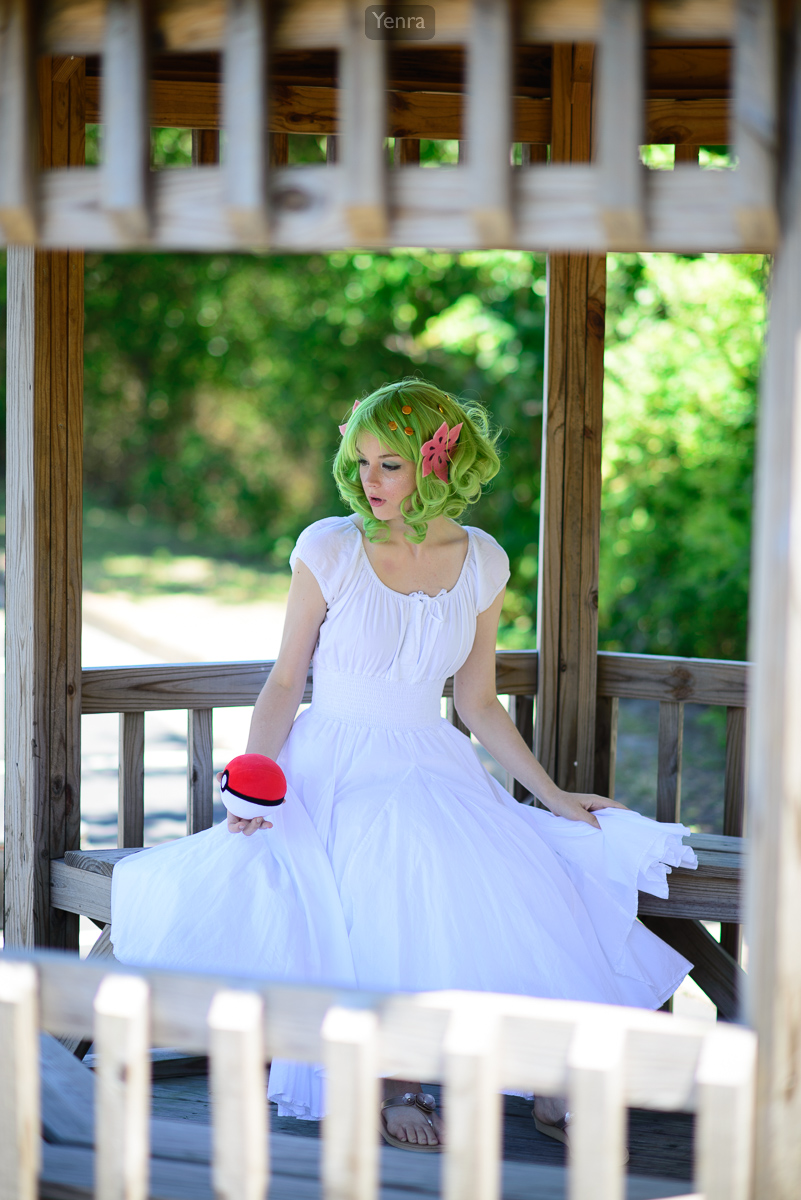
Shaymin, Gijinka, Pokemon · Photograph: Yenra · Credit: Nekolita's Costume Party
Captured: 2016:06:18 14:51:09
Nearby rails cross the upper and lower parts of this frame. The model sits beyond them, with another layer of wooden structure and green surroundings farther back. These distances give the portrait several overlapping shapes to explore.
Follow a foreground rail toward the white dress, then return to the face. Which parts of the figure remain clearly visible? How much space is left between the face and the nearby wood? Small changes in camera position can give those relationships a different arrangement.
You can try this without changing your partner’s position. Move a little to one side or adjust the camera height, then compare where the rail falls within the frame. Let the amount of foreground become a choice you make together: a hint of the structure, or a more noticeable layer.
Leave room for two people
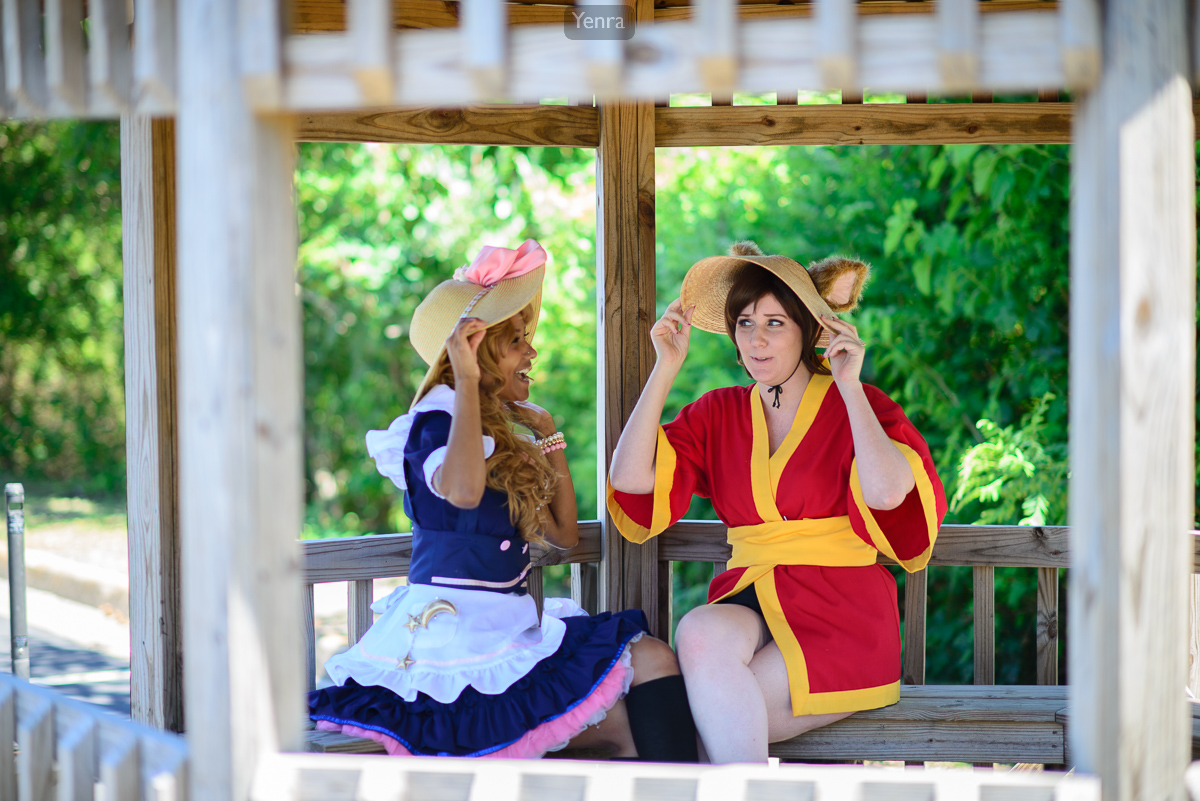
Women in Colorful Costumes Pose Inside Gazebo · Photograph: Yenra
Captured: 2016:06:18 14:59:40
The wider photograph gives two people room within the shelter. Their hats and hand gestures offer details to compare, while the central post and surrounding rails divide the view into smaller spaces. The green background remains a shared part of the setting.
Notice how the two figures relate to the openings around them. One person turns toward the other, giving your eye a route between faces. A wide frame can hold both a shared moment and the structure that surrounds it.
With two willing portrait partners, begin with positions they find comfortable and make room for their own gestures. Try a small framing change while keeping both people included. Review the versions together and ask which one gives the setting and their interaction the balance they enjoy.
These examples offer ideas about framing, foreground and background. In your own shelter, take time to look at the light on the face and the brightness of the view beyond, then choose settings for the picture you want. A familiar place and a few small variations can provide plenty to learn from.
Look back with curiosity.
- Which part of the structure helps organize the portrait?
- Where do foreground rails sit in relation to the face?
- How much of the surrounding place would you like to include?
Keep exploring
Finding frames within a photograph · Looking through a foreground layer · Photographing people together
Browse the complete Anime Mid-Atlantic 2016 gallery.