Field notes · Look · Try · Compare
Reviewing photographs at different sizes
Notice a first impression, revisit a detail, and consider how a photograph will be seen.
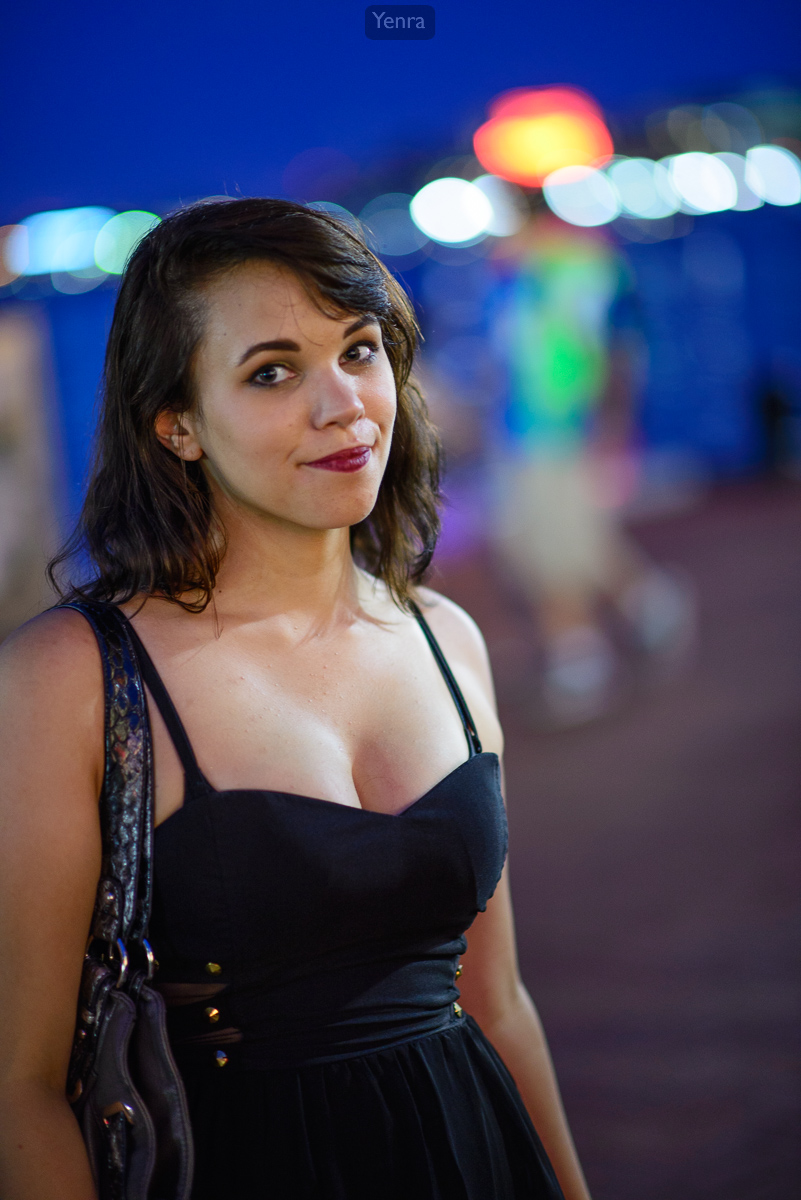
Glamour Portrait · Photograph: Yenra
Captured: 2013:08:09 20:39:27
A photograph can offer something different each time you look at it. A small view may introduce a face, a color, or an arrangement quickly. A larger view gives smaller details more room. Try both with the same whole photograph and notice how your attention develops.
Begin with the first impression
The face, dark hair, black dress, and blue evening background provide broad areas to notice in this portrait. Colored lights appear as blurred shapes behind the person. Begin by naming what catches your attention first, then spend a little more time with the face and clothing.
At a smaller display size, broad relationships may be easy to take in together. A larger view can make a detail easier to attend to. The display, your viewing distance, and your own vision also affect what you see. Choose a comfortable size that lets you enjoy the complete picture.
For your own experiment, select one photograph you would like to revisit. Keep its original file unchanged. Use an existing viewer to show the whole image at a small, comfortable size, or begin with its gallery thumbnail. Write a few words about the first thing you notice.
Give the smaller details time
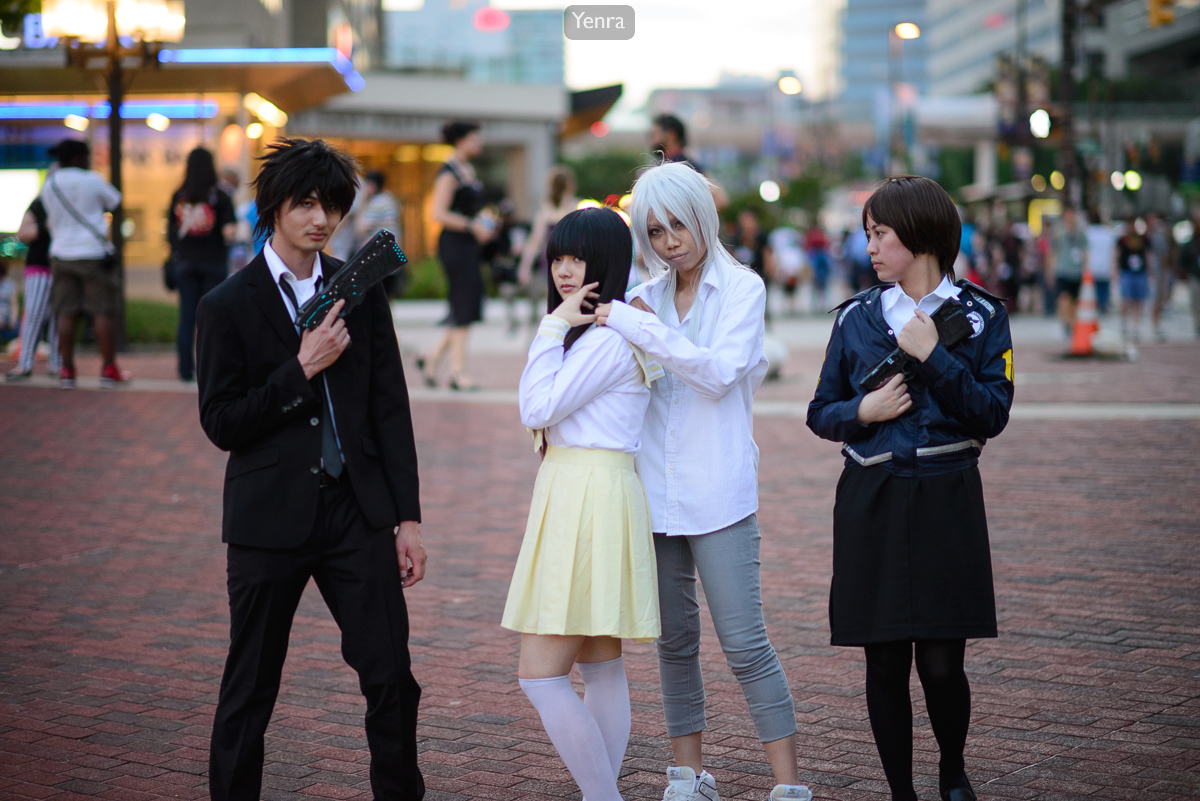
Psycho-Pass Cosplay · Photograph: Yenra
Captured: 2013:08:09 20:14:02
Four Psycho-Pass cosplayers form the foreground group in this photograph. People, buildings, and evening lights continue behind them. The group arrangement offers an immediate shape to recognize, while expressions, hands, clothing, and visible costume props give you more to explore.
Open the original photograph page when you would like a closer look. Take time with one person, then return to the whole arrangement. Notice how the activity in the plaza contributes to your reading of the scene. A detail that was easy to pass over initially may become an enjoyable part of the picture.
Now view your own photograph at a larger size with its complete frame still visible. Name one detail you did not attend to at first. Return to the smaller view and see whether knowing about that detail changes where you look. Both views can contribute to your understanding.
Review for the way a photograph will be seen

Microphone · Photograph: Yenra
Captured: 2013:08:09 16:53:06
The microphone and gloved hand form a recognizable shape against blurred people and pale green and blue colors. A closer view also gives room to the microphone's mesh and the glove's texture. The broad outline and the smaller surfaces each offer something to enjoy.
Think about where you would like your own photograph to appear. A small collection overview might introduce its shape quickly; an individual photograph page can invite a longer look. Consider what you hope someone will notice and whether a caption would help them explore further.
Keep a short note about the first impression, a detail to revisit, and the use you have in mind. These observations can guide a later choice of presentation. You can return to the picture at another size or on another day and discover a different detail worth keeping.
Look back with curiosity.
- What remains easy to recognize in the smaller view?
- What becomes interesting when you look more closely?
- How would you like someone else to see this photograph?
Keep exploring
Learning from a contact sheet · Choosing between similar portraits · Noticing where a photograph is sharp
Browse the complete Otakon 2013 gallery.