Field notes · Look · Try · Compare
Choosing between similar portraits
Choose a portrait for a purpose and keep a useful alternative.
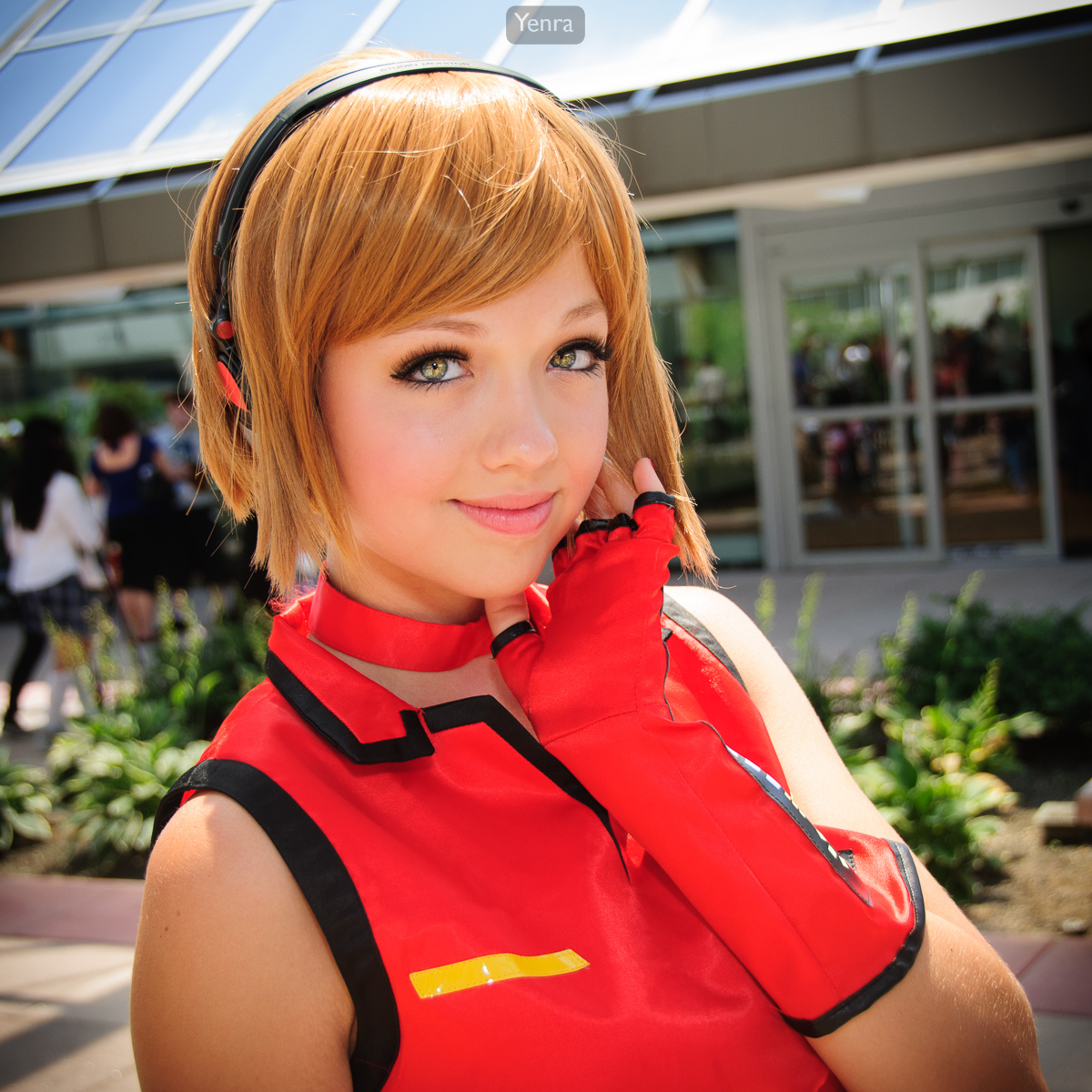
Sakine Meiko from Vocaloid · Photograph: Yenra
Captured: 2011:07:30 12:26:51
Similar portraits give you a chance to slow down and notice small differences. A little more room around the face, a change in the hand, or another background shape can make a picture useful for a different purpose. Begin by naming what you want a photograph to contribute, then compare the details that matter to that purpose.
Begin with what you want the portrait to do
The first square portrait includes the face, headphones, red clothing, and a red-gloved hand beside the cheek. More of the torso and surrounding setting remain visible than in the next two photographs. Those details give you several possible reasons to return to this view.
Choose a simple purpose before deciding between photographs. You might want to show an expression, include a hand gesture, or connect the person with their surroundings. A purpose gives your comparison a direction while leaving room for another picture to serve a different use.
For example, a photograph that includes more clothing and setting may contribute useful context to a small collection. A closer view may suit a page where you want attention to rest on the face. Neither purpose needs to settle which photograph is best for every situation.
Name a visible difference
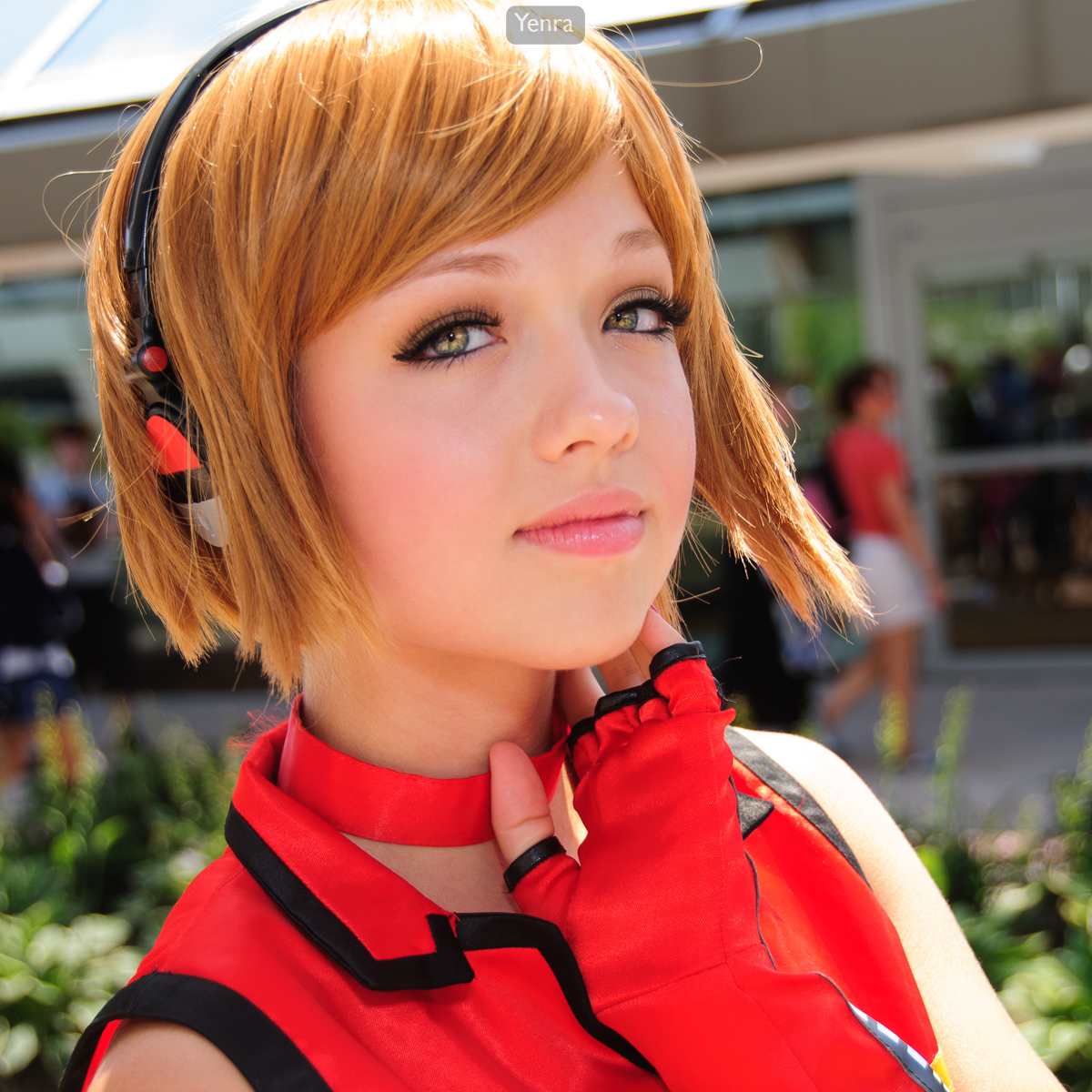
Sakine Meiko from Vocaloid · Photograph: Yenra
Captured: 2011:07:30 12:26:53
The second square photograph brings the face closer. The gloved hand rests beneath the chin, and the lips meet in a slightly different expression. Parts of the building remain visible behind the person. Compare the space around the head and the amount of clothing included with the first view.
Describe something you can point to in the picture. “The hand is under the chin” or “there is less room around the face” gives you a clear observation to discuss. A visible expression can matter to your choice without telling you how the person felt at that moment.
Choose for a purpose and keep an alternative
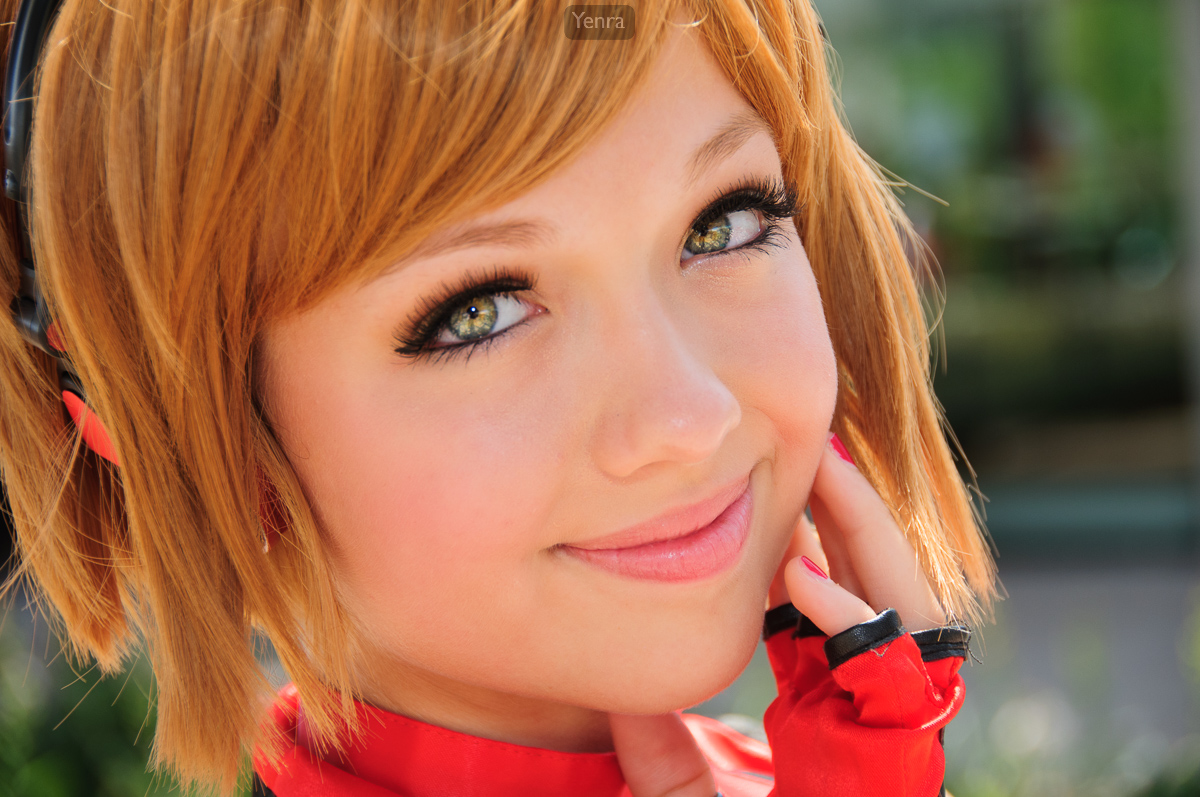
Sakine Meiko from Vocaloid · Photograph: Yenra
Captured: 2011:07:30 12:27:03
The horizontal portrait brings the face and gloved hand still closer, with green blur in part of the background. The head angle and small smile differ from the square views. Its wider frame offers another relationship between the face, hand, and surrounding space.
Compare your own two or three portraits in the same way. If the person photographed is available, ask which version they enjoy and what they notice. Their preference may bring your attention to a detail you had passed over. Use that conversation alongside your intended purpose.
Choose one photograph and keep an alternative, with a brief reason for each. “More setting for the opening of the collection” and “closer expression for a later page” are possible notes. Keep the originals so another use or a fresh look can lead you back to them.
You can make a thoughtful choice without making it permanent. The useful result is a photograph that serves the purpose you have now, plus a clear observation that helps you understand your own looking. Another selection may become interesting when the purpose changes.
Look back with curiosity.
- What do you want this portrait to contribute?
- Which visible difference matters for that purpose?
- When might the alternative be useful?
Keep exploring
Learning from a contact sheet · Choosing portraits together · Choosing photographs for a small set
Browse the complete Otakon 2010 and Otakon 2011 galleries.