Field notes · Look · Try · Compare
Following a prop through a portrait sequence
Use a recurring object to connect three portraits while its position changes the shape and pace of the sequence.
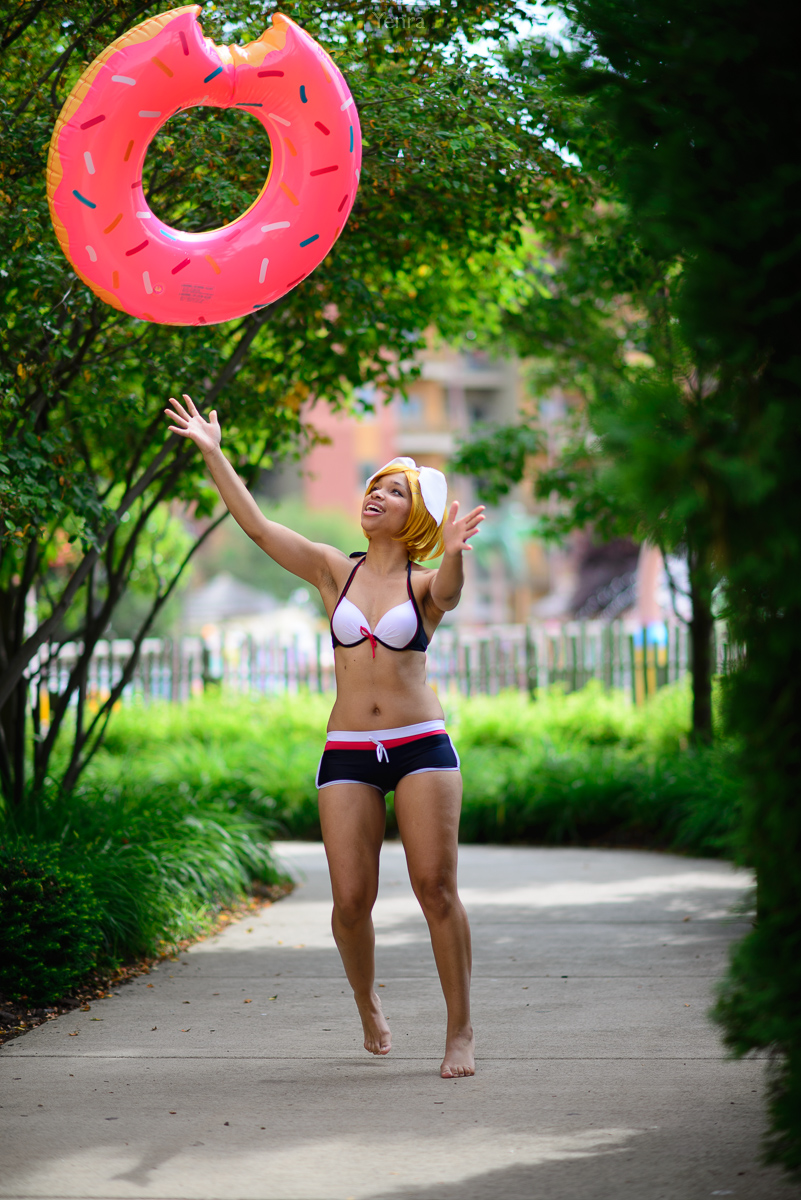
Portrait with a pink inflatable ring overhead · Photograph: Yenra
Captured: 2016:06:03 10:33:27
One recognizable prop can give a portrait sequence a thread to follow. As the object moves within the frame, its relationship to the face, hands and surrounding space changes. Three photographs can invite a reader to notice both the recurring shape and the differences around it.
This new editorial sequence brings together three Colossalcon 2016 photographs recorded on June 3. Their capture times increase from 10:33:27 to 10:33:54, with gaps between the examples. Each remains in its original archive position; the sequence below is one arrangement to explore.
Introduce the prop above the portrait
The bright pink ring appears above the person and their raised hands. Its doughnut shape fills a large part of the upper-left area, giving the sequence an object that is easy to recognize. The original frame preserves the space between the ring, hands and face.
As an opening, this photograph introduces the circle before the following pictures bring it into different relationships with the portrait. Notice what helps you recognize it: color, outline, decoration or size within the image. Several details can carry a connection from one picture to the next.
For your own sequence, existing photographs are a good starting point. If you make new ones, comfortable held positions offer plenty to explore. The airborne ring in this example is one recorded moment; your exercise can begin with an easy hold in a dry, comfortable place.
Bring the face into its shape

Portrait framed by a pink inflatable ring · Photograph: Yenra
Captured: 2016:06:03 10:33:47
The ring is held in front of the upper body, and the face appears through its opening. The circle now acts as a frame within the portrait. Hands meet its edges while the pink outline surrounds a smaller area of face and background.
Compare this relationship with the first photograph. The prop is recognizable in both, but the face occupies a different place in relation to it. That change gives a reader something new to notice while the repeated shape keeps the pictures connected.
Look for a second image that changes how the object relates to a face or a hand. It might move nearer, sit to one side or take up a different amount of the frame. Keep the complete picture and describe the relationship you chose to emphasize.
Try a lower position as the ending

Portrait behind a lowered pink inflatable ring · Photograph: Yenra · Archive tags: Riyuski Cosplay
Captured: 2016:06:03 10:33:54
The ring sits lower in front of the person, with both hands on its upper edge and the face visible above it. Its circle anchors the lower part of the frame. The repeated pink shape remains a clear connection, while the space around the face changes again.
Try this image as the closing photograph, then place it first and compare the two orders. One arrangement may draw your attention downward through the sequence; another may begin with the face above the prop. Your response is useful evidence for choosing an order you enjoy.
Keep factual captions and each photograph’s own archive links with your selection. This final record carries the Riyuski Cosplay archive tag; the other two records have no linked tag. A brief sentence about the recurring circle is enough to explain your new arrangement while keeping the source information with each picture.
One prop, three places in the frame
- Introduce the circle: make the recurring object easy to recognize.
- Frame the face: compare a new relationship between the prop and the portrait.
- Bring the circle lower: try another position as the ending.
This new editorial sequence follows increasing capture times with gaps between the examples. Compare another order and keep the recorded dates with each photograph.
Look back with curiosity.
- What helps you recognize the prop across the three pictures?
- How does its position change your attention?
- Which order would you keep, and why?
Keep exploring
Exploring props in a portrait · Building a small photo story · Trying two orders for a photo sequence
Browse the complete Colossalcon 2016 gallery. Follow a photograph into its original neighbors and see what else catches your attention. A repeated detail, an enjoyable gesture or a familiar prop can become the beginning of another experiment.