Field notes · Look · Try · Compare
Trying two orders for a photo sequence
Keep three photographs together and discover how a different reading order changes their invitation.
Three photographs can offer more than one way into a subject. Keep the pictures the same and change which comes first. You may notice a different opening, a new connection in the middle, or a different impression at the end.
Keep the photographs and change the order
These three portraits move from a wider view to hands and a flower basket, then to a closer view of the face and hat. Their permanent labels—A, B, and C—let you follow each photograph as its position changes. Every image links to its original archive page.
Reading order: A, B, C — setting toward face.
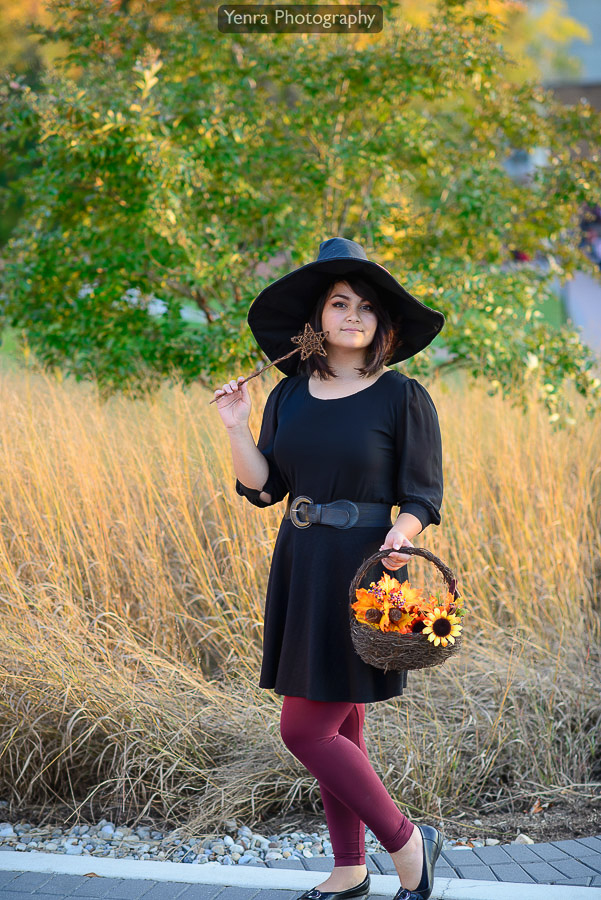
Portrait with a hat and flower basket · Photograph: Yenra
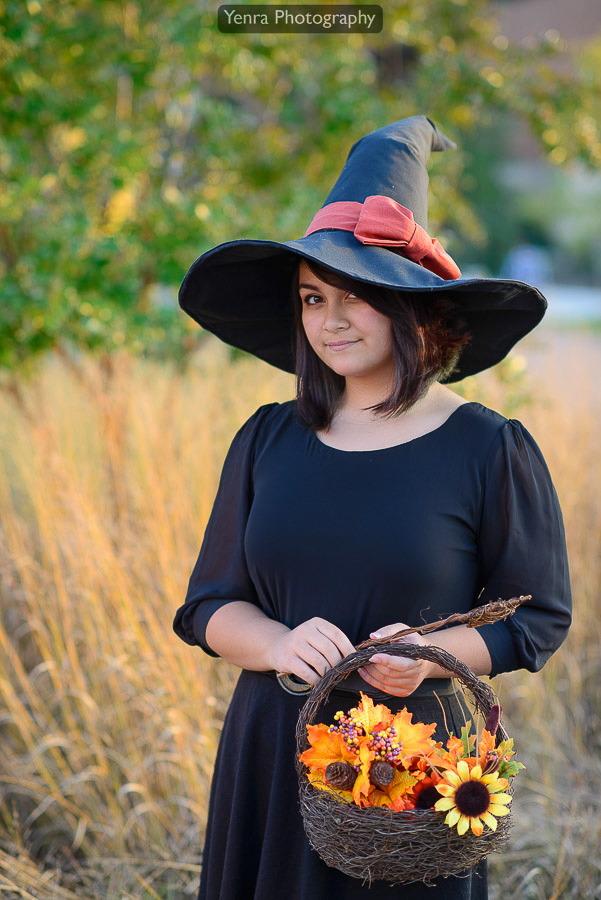
Hands resting on a flower basket · Photograph: Yenra
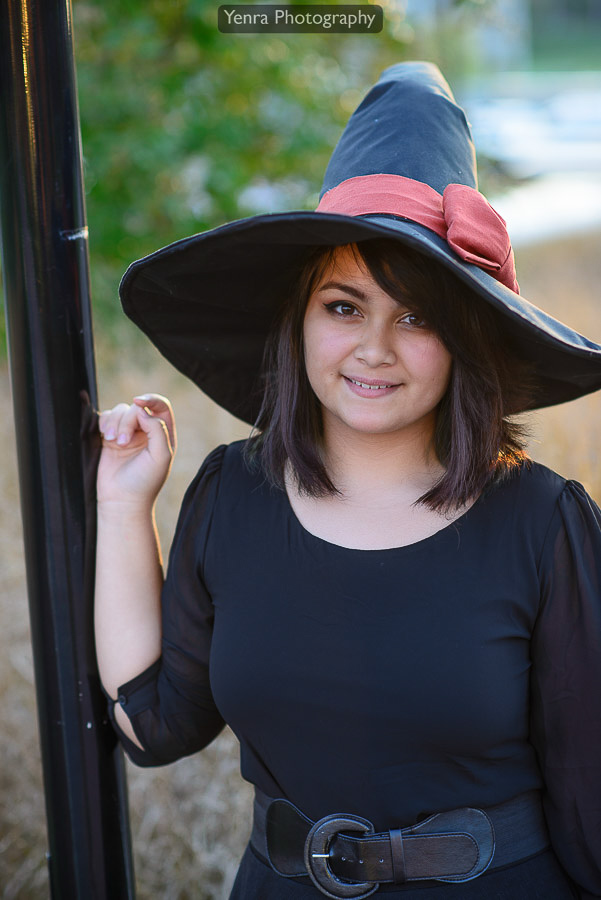
Closer portrait with a dark hat · Photograph: Yenra
Begin with the setting or the face
These are editorial reading orders for the same three photographs. Their original capture dates and places in the complete gallery stay attached to the archive records. A different reading order lets you explore an invitation without changing that history.
Choose the invitation you enjoy
Look at the first photograph of each order for a moment before continuing. What does it make you curious about? Then consider how the middle photograph connects to both its neighbors. Finally, pause on the last picture and notice what stays with you.
You can try this with three photographs already in your own folders. Use copies, a small collection, or a written list of filenames so the originals stay in place. Neither order needs to win permanently. Save the arrangement you enjoy today, along with a sentence about what it invites a viewer to notice.
Look back with curiosity.
- What changes when a different photograph comes first?
- How does the middle photograph connect its neighbors?
- Which ending would you like a viewer to carry away?
Keep exploring
Choosing an opening photograph · Choosing a closing photograph · Varying pace in a photo story · Building a three picture portrait study
Explore the complete galleries: Tigercon 2012 · Tigercon 2014 · All Tigercon years.