Field notes · Look · Try · Compare
Building a three-picture portrait study
Bring three related portraits together, then try one change and see what it contributes.
Three related portraits can make a small study of one subject. A three-panel arrangement, sometimes called a triptych, gives you room to notice both a connection and a difference. Let each picture add something you enjoy, then look at what the three contribute together.
Give each picture a contribution.
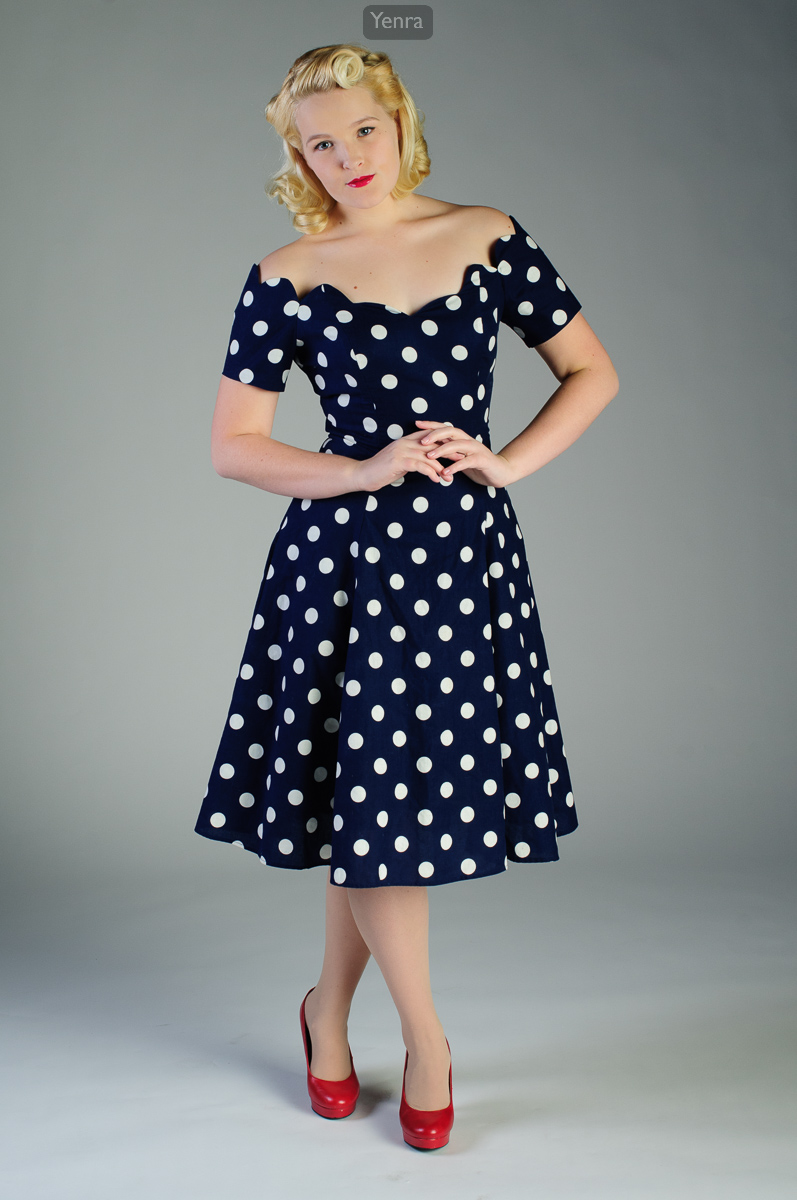
Vintage Glamour · Photograph: Yenra
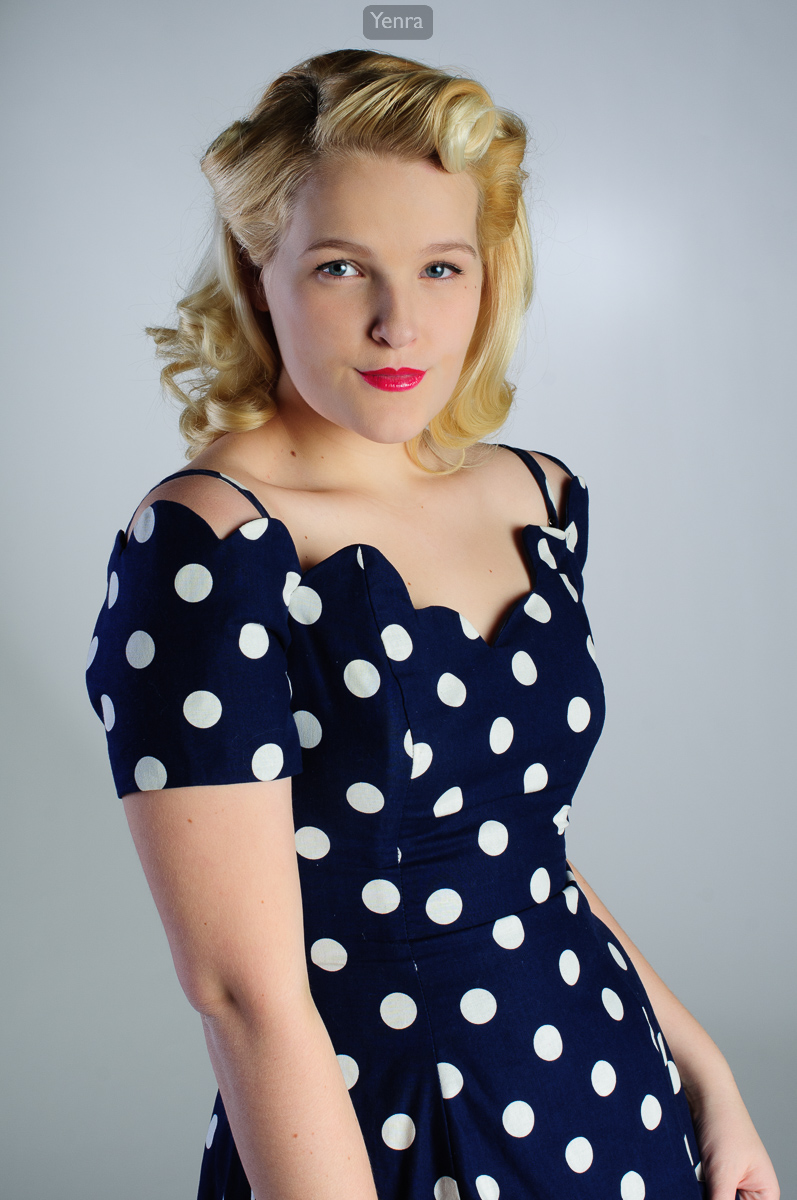
Vintage-Inspired Beauty · Photograph: Yenra
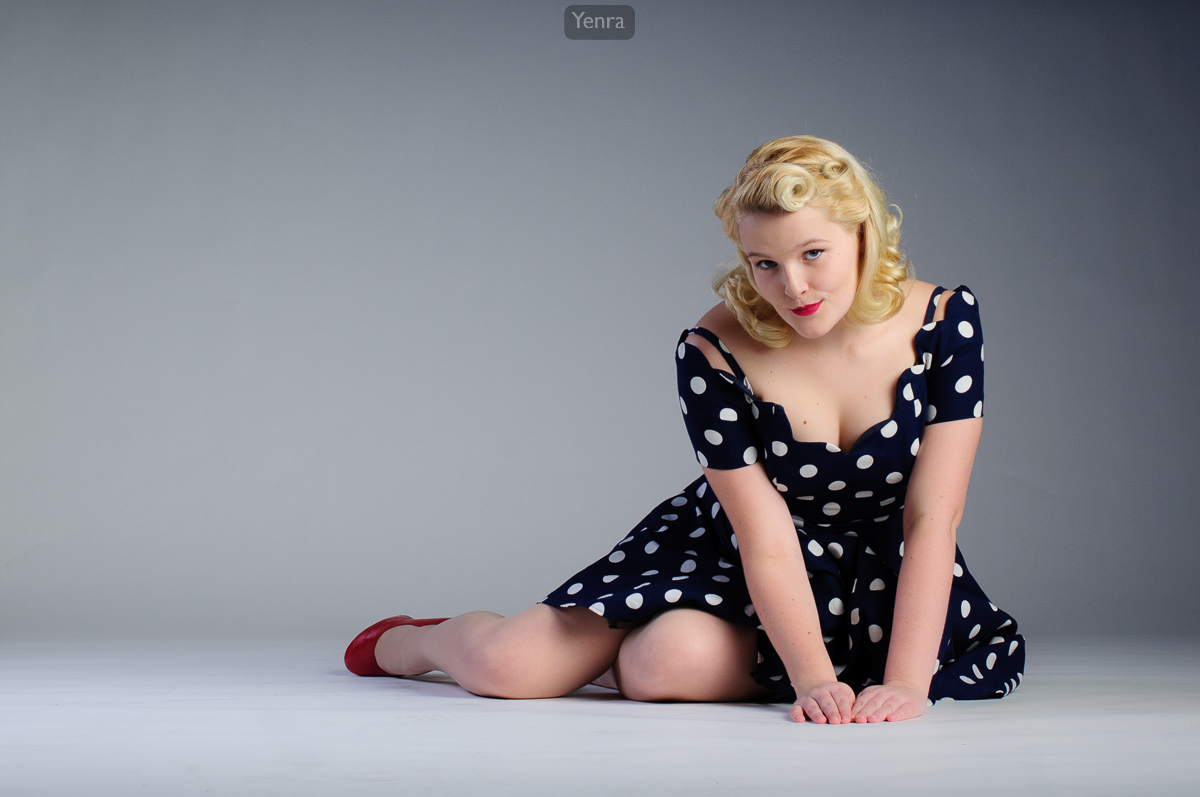
Seated portrait in a polka-dot dress · Photograph: Yenra
The blue polka-dot dress connects these three photographs. The first includes the full arrangement of the figure, hands, dress, and red shoes. The closer portrait brings the face and upper dress forward. The horizontal seated picture offers another shape, with hands on the floor and space to picture left.
These three views form a teaching arrangement you can explore. Read them from left to right, or from top to bottom on a smaller screen. Notice the change in scale, the repeated pattern, and the different gestures. Each picture remains whole, so you can follow its own framing as well as its place in the group.
Try changing one panel.
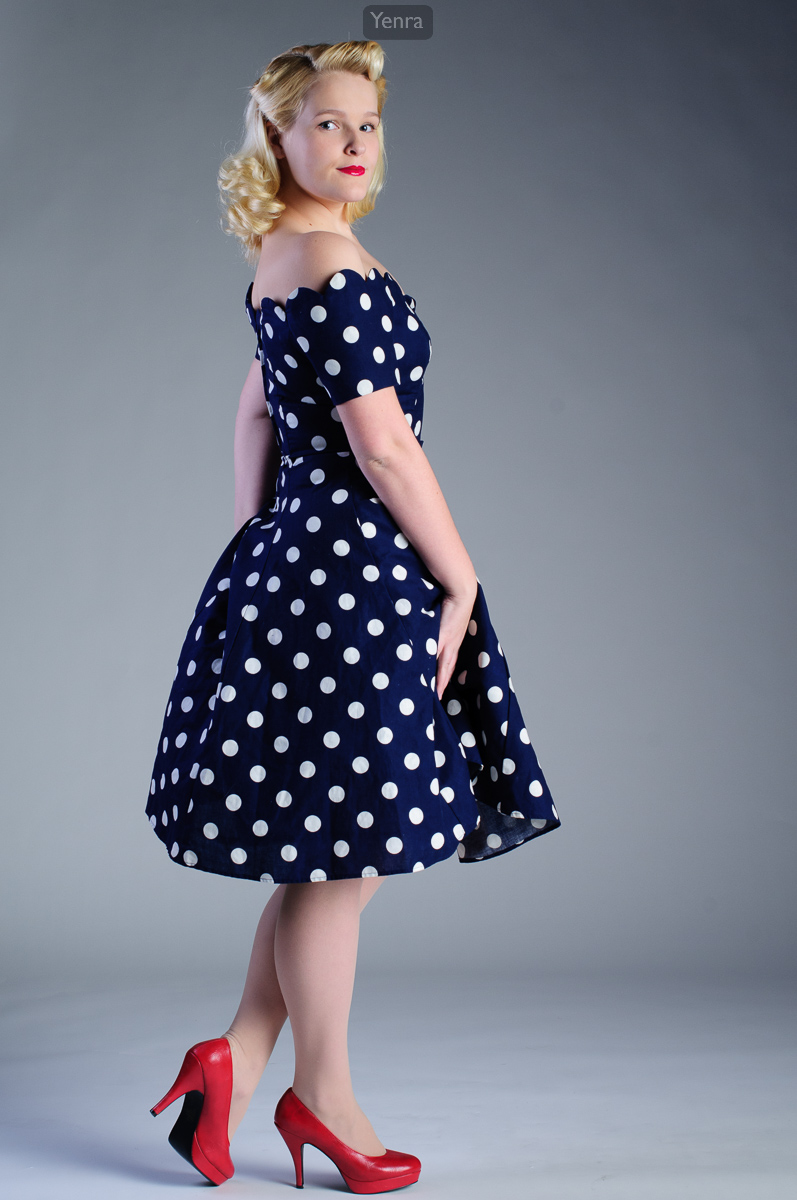
Vintage-Inspired Fashion Photo · Photograph: Yenra
Imagine this turned full-length portrait in place of the first panel. Keep the closer portrait and seated view in place. The turned figure offers a different direction and dress shape while keeping the outfit and shoes as connections. What changes in the group when you make that one substitution?
You may enjoy either arrangement, or find another possibility in the gallery. A small study gives you a manageable way to compare your choices. A sentence about each picture's contribution can help you recognize what you value.
Make a study that suits your photographs.
Choose a few related pictures from a session or from your existing collection. They might share a person, outfit, setting, or another feature. Try a wider view, a closer view, and a different gesture if those pictures interest you, or discover a combination of your own. When working with portraits, invite the person's preferences and agree which photographs you are both comfortable sharing.
Look back with curiosity.
- What connects the three pictures?
- What does each add?
- What changes when you replace one?
Continue with Choosing photographs for a small set, Pairing photographs with a visual echo, Learning from a contact sheet, or Choosing portraits together.
Explore the complete Studio November gallery → · Take the three-picture-study experiment with you →