Field notes · Look · Try · Compare
Making a portrait beside a window
Try comfortable variations in gaze, position, and framing beside a window.
A window gives you and a portrait partner a familiar place to try a few small changes. Notice the brightness around the face, the direction of the gaze, and the parts of the room you want to include. Start with a comfortable position, make a photograph, and explore the next idea together.
Find a comfortable place beside a window
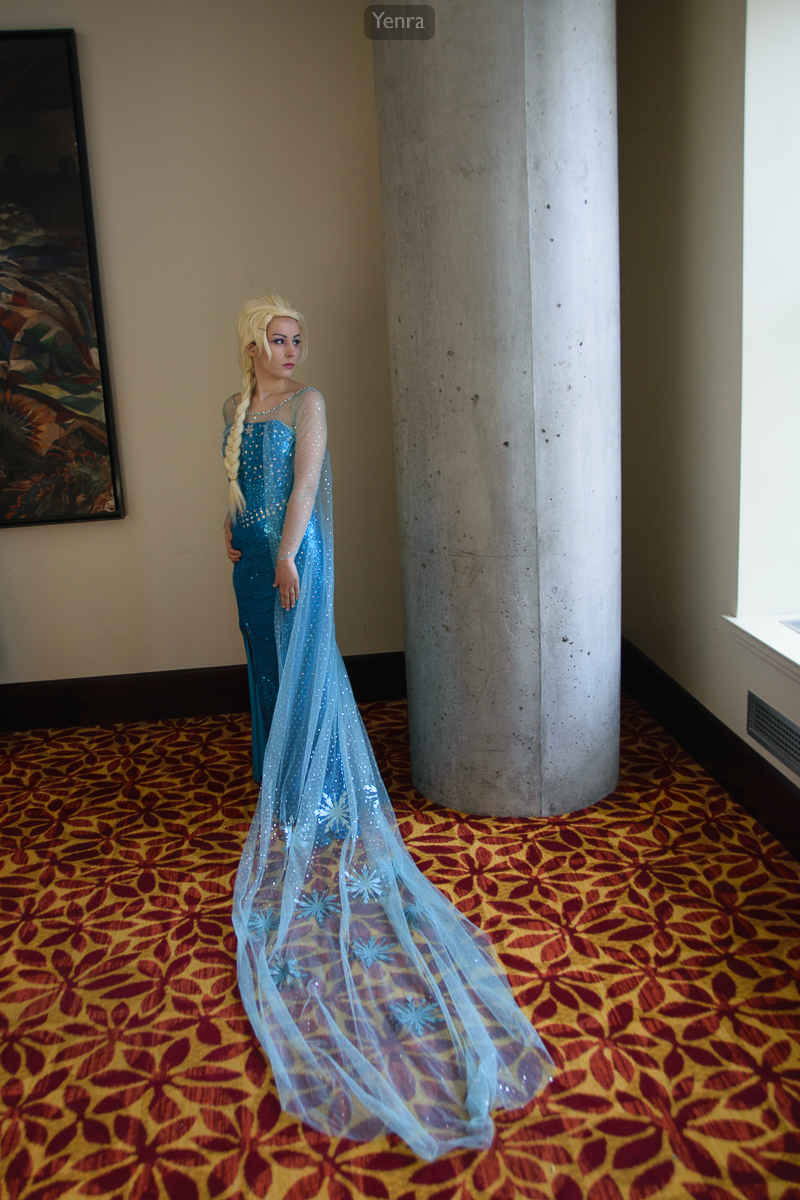
Elsa, Frozen · Photograph: Yenra
Captured: 2015:03:28 10:16:56
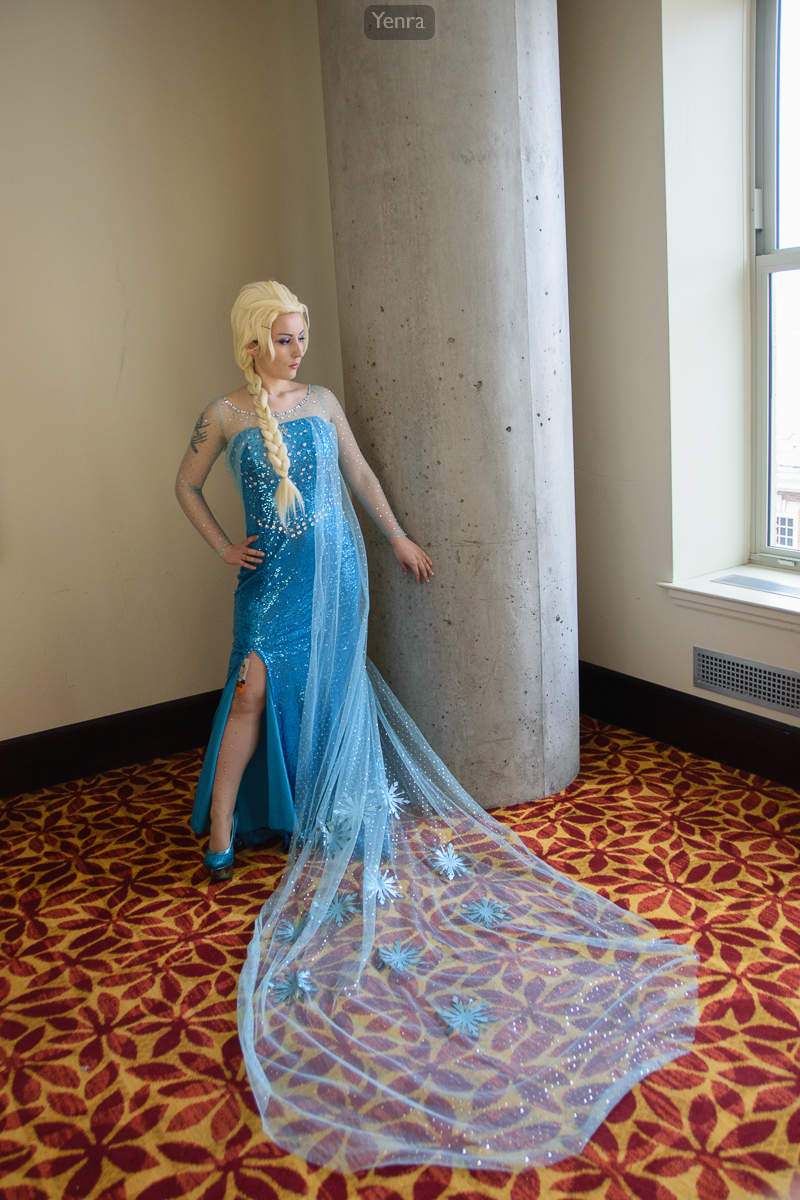
Elsa, Frozen · Photograph: Yenra
Captured: 2015:03:28 10:18:18
These two Elsa portraits include a bright window, a round column, and a long blue train across patterned carpet. In the first, the train stretches toward the camera. In the second, more of the window is visible and the train spreads toward the right. The person’s gesture and the framing vary too.
Look first at the face and then at the window. Which bright areas catch your eye? Where do you find softer transitions into shade? These visible relationships can suggest an experiment with your own window and the light available there.
Try a small turn together
Invite your partner to choose a comfortable spot where photography is welcome. They can stand or sit near the window without touching it. Begin with a gaze they enjoy, keeping strong light out of their eyes. A relaxed position gives you a useful starting photograph.
Try a small turn of the face or body, or move the camera slightly. Notice what happens to the bright and shaded areas and how much of the room enters the frame. The two archive portraits change several things together; use them as invitations to explore different relationships. For your own comparison, changing one thing at a time can make a discovery easier to describe.
Read the face and the room
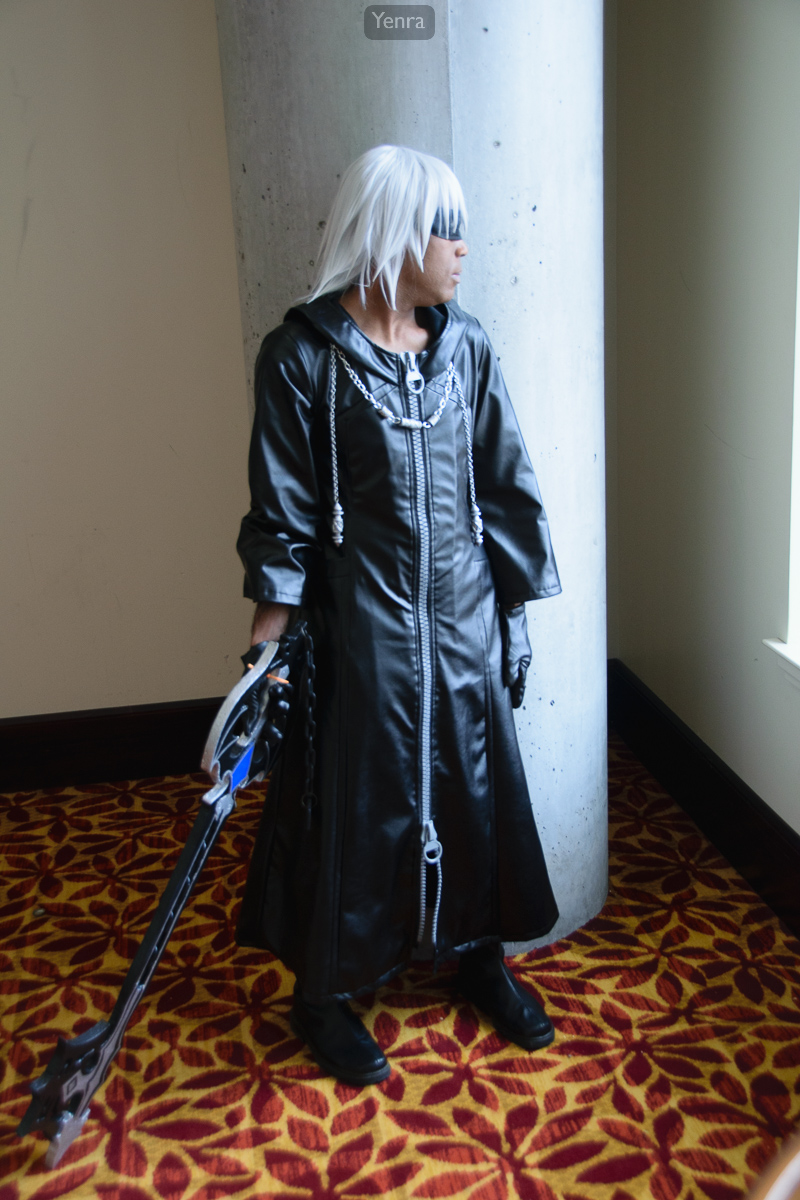
Riku, Kingdom Hearts · Photograph: Yenra · Credit: ManaKnight Cosplay
Captured: 2015:03:27 13:13:10
In this Riku portrait, ManaKnight Cosplay looks toward the bright window at the right. The dark coat carries small highlights, and the nearby column has a broad change from darker to brighter tones. The window edge remains part of the composition even though only a small portion is visible.
These photographs offer visible effects to notice; their complete lighting arrangements are not established by the finished pictures or a single recorded setting. You can begin with the light you have, check a photograph together, and adjust from there. Try including the window in one view and less of it in another, then choose the view you and your partner enjoy.
Look back with curiosity.
- Where does your eye travel between the face and the window?
- What changes when the person or camera turns a little?
- Which variation does your partner enjoy?
Keep exploring
Seeing light in a portrait · Exploring a turn in a portrait · Choosing a portrait background · Choosing portraits together
Browse the complete Zenkaikon 2015 gallery.