Field notes · Look · Try · Compare
Connecting portraits through a shared background
Choose a small set of different portraits connected by a recognizable setting, and give each its own clear caption.
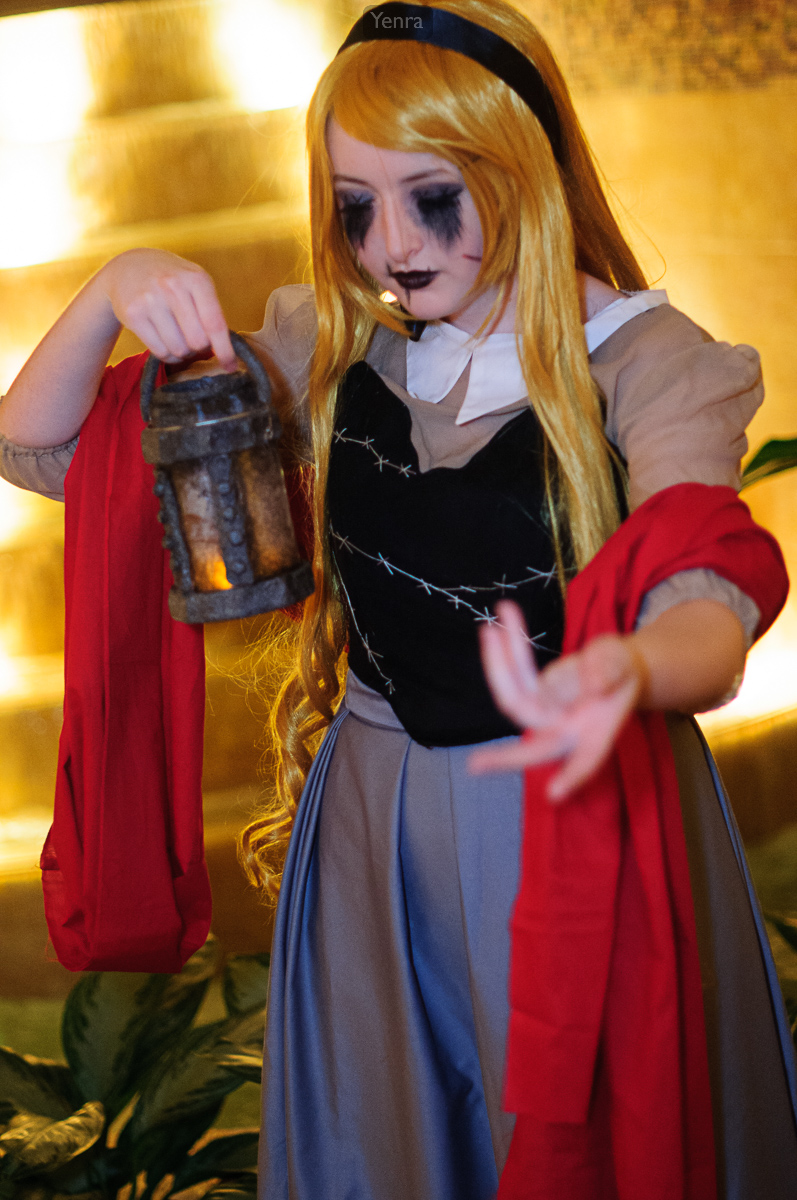
Twisted Disney · Photograph: Yenra
Captured: 2012:11:03 19:21:30
A recognizable setting can connect portraits of different people. A wall pattern, doorway or patch of plants gives viewers something familiar to return to, while each person brings a new expression, costume or gesture. That combination can make a small collection feel connected without making every photograph look the same.
This is a new editorial grouping of three existing Nekocon 2012 photographs. Golden wall panels and bright areas provide a visible connection. The grouping describes what the pictures share; it does not assume that the people were part of one planned session or a shared story.
Establish a background to recognize
The first portrait includes a lantern, red fabric and an extended hand. Behind them, golden rectangular panels and bright areas create a recognizable setting. The portrait has plenty of its own detail, and the background supplies a feature to remember.
When choosing an opening picture for your own set, look for a frame that introduces both a person and the feature connecting the collection. You do not need an empty photograph of the location first. A background can become familiar while a portrait is already engaging your attention.
A factual caption might read, “Lantern and red fabric against golden wall panels.” Keep the source title, Twisted Disney, with the photograph rather than inferring a more specific character from its appearance.
Carry the setting into another portrait
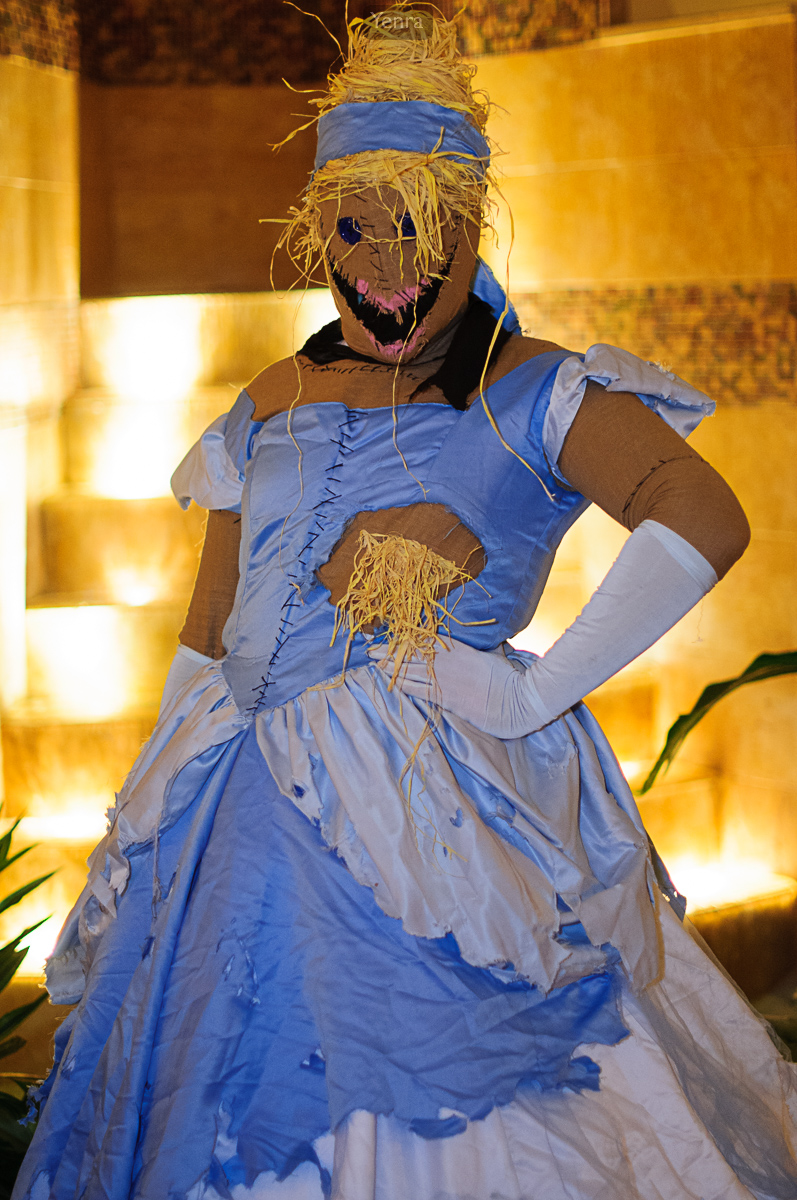
Twisted Disney · Photograph: Yenra
Captured: 2012:11:03 19:40:09
The golden wall pattern appears again behind a blue costume with straw-like strands. The outfit, gesture and shapes within the portrait differ from the first picture. The background gives your eyes something familiar while you discover those changes.
Try naming one feature that connects the two frames and one that distinguishes them. You might notice the bright rectangles behind both people, then compare the red draped fabric with the layered blue skirt. Both connection and variety help the pair remain interesting.
The second record also has the supplied title Twisted Disney. Preserve that information, and let a new caption explain the visible contribution of this particular picture. A shared title or setting need not make two captions interchangeable.
Let a new subject complete the set
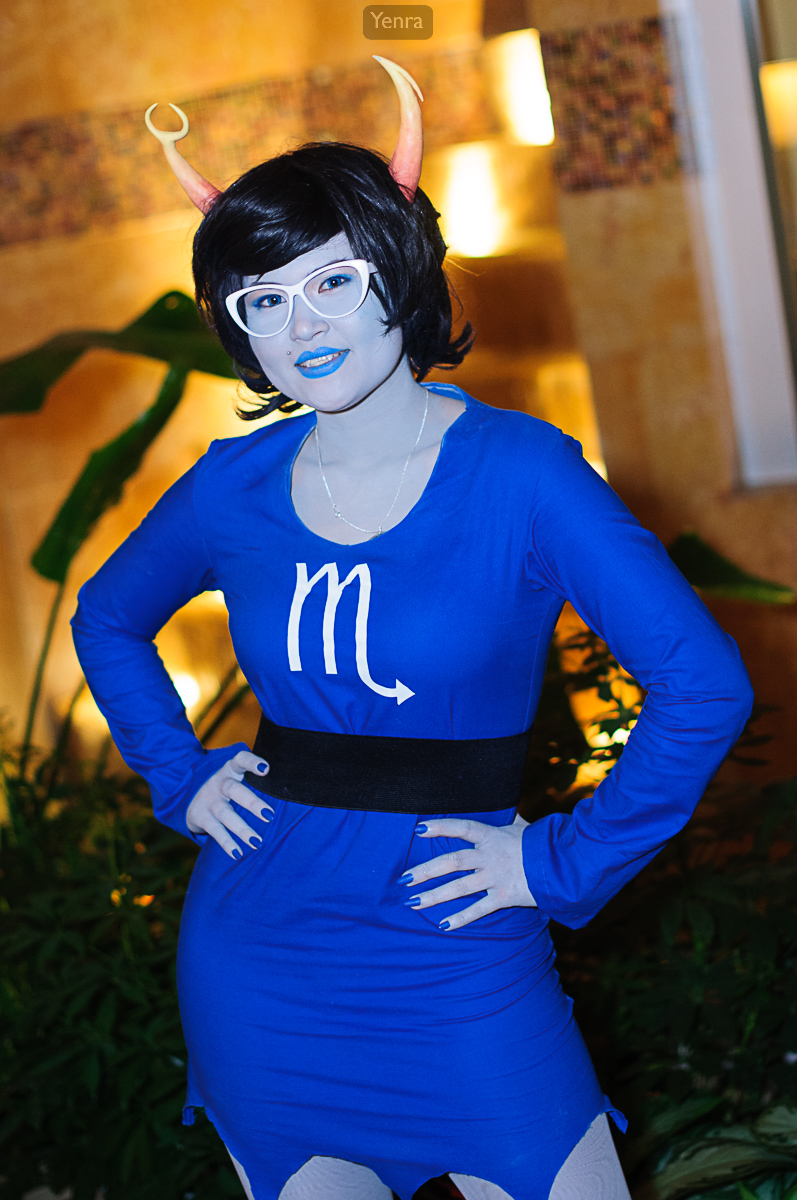
Homestuck · Photograph: Yenra
Captured: 2012:11:03 19:51:33
A blue outfit, white glasses and a different hand position introduce another arrangement. Golden panels and plants keep the setting recognizable. The supplied source title is Homestuck; the photograph retains that title and its own capture record.
Look back across the three pictures. The repeating setting can support a collection even when outfits, gestures and framing vary. Give each portrait a little time of its own, then notice what carries your attention between them.
For your own selection, choose pictures that you and the people pictured are happy to share. Use confirmed names and roles when available, and retain current credits. A short caption can stay useful by describing the person or detail you actually know about.
Give each portrait a contribution
- Introduce the setting: a lantern, red fabric and golden wall panels.
- Carry the connection forward: the familiar wall behind a different costume and gesture.
- Add another variation: blue clothing and white glasses within the recognizable setting.
Choose an order with room for differences
Try the collection in another order. Starting with the blue outfit might make color the first connection you notice, while starting with the lantern might lead with a prop and gesture. Choose an order that supports what you want to share.
Keep each complete photograph, its source link and its own caption. A shared background is enough to give this small set a clear connection. One sentence about that relationship can introduce the collection, leaving the individual portraits room to speak for themselves.
Look back with curiosity.
- Which background feature connects the portraits?
- What does each person bring to the collection?
- Which order makes the relationship easiest to follow?
Keep exploring
Giving a portrait a sense of place · Choosing variety for an event gallery · Trying two orders for a photo sequence
Browse the complete Nekocon 2012 gallery.