Field notes · Look · Try · Compare
Noticing scale in a photograph
Explore how a subject and its surroundings share the picture, and experiment with relative size.
A person can occupy a small corner of a photograph and still give you a place to begin. A close portrait can make an eyelash, a curve of hair, or a tiny change of expression prominent. Scale is one way to explore these relationships: how large something appears within the picture and beside the other things you can see.
Let the surroundings offer a reference.
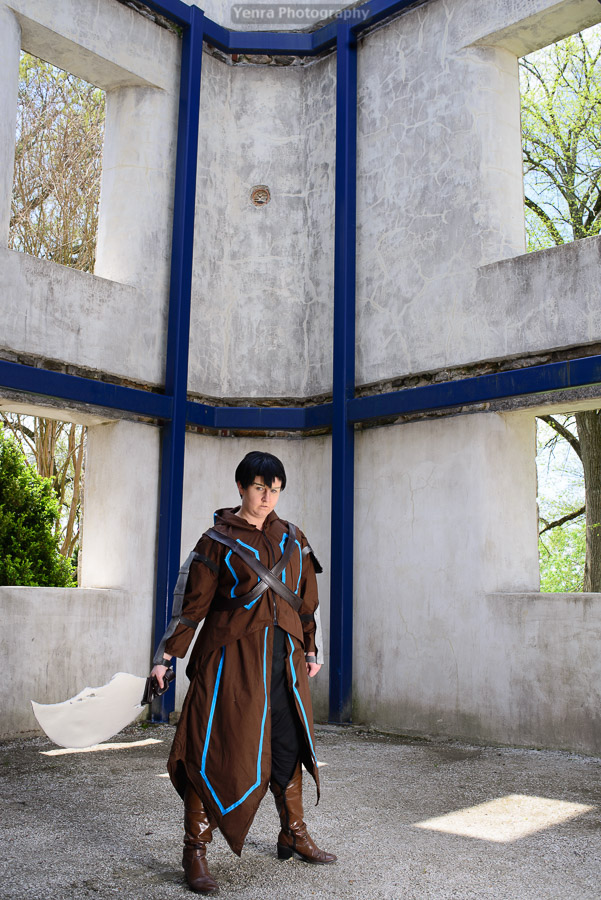
Portrait beneath tall windows · Yenra Photography archive
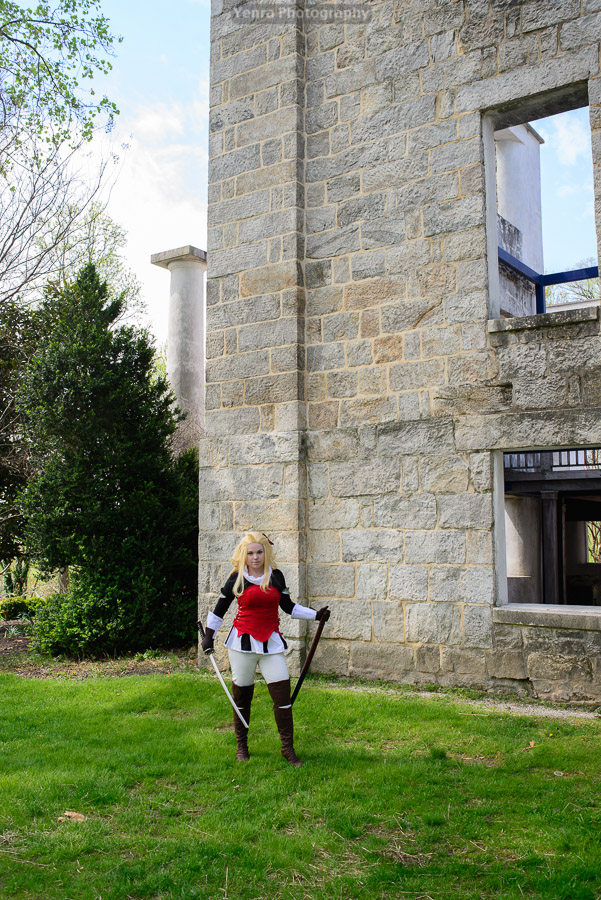
The Warrior's Standoff · Yenra Photography archive
Look from the standing figure to the tall window openings. The windows and blue beams occupy much of the first picture, giving the person a visible relationship to the interior. Try following the architecture first, then returning to the figure. Where does your attention settle?
In the exterior photograph, the stone wall stretches above the figure on the grass. You can compare the amount of picture space each occupies. A familiar feature, such as a doorway or a person, can help you imagine relative size without knowing an actual measurement.
Give a different amount of room.
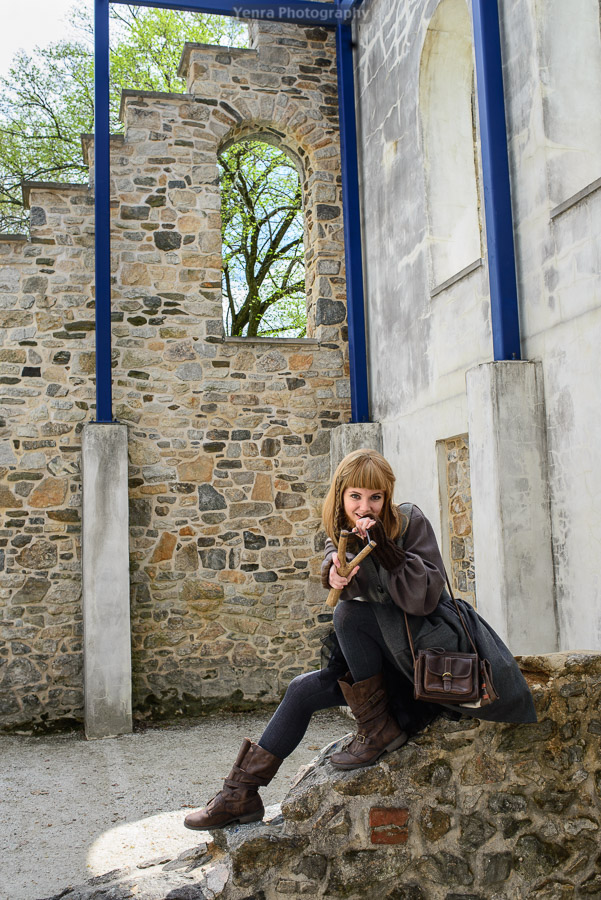
Young Woman Sitting on Stone Wall · Yenra Photography archive
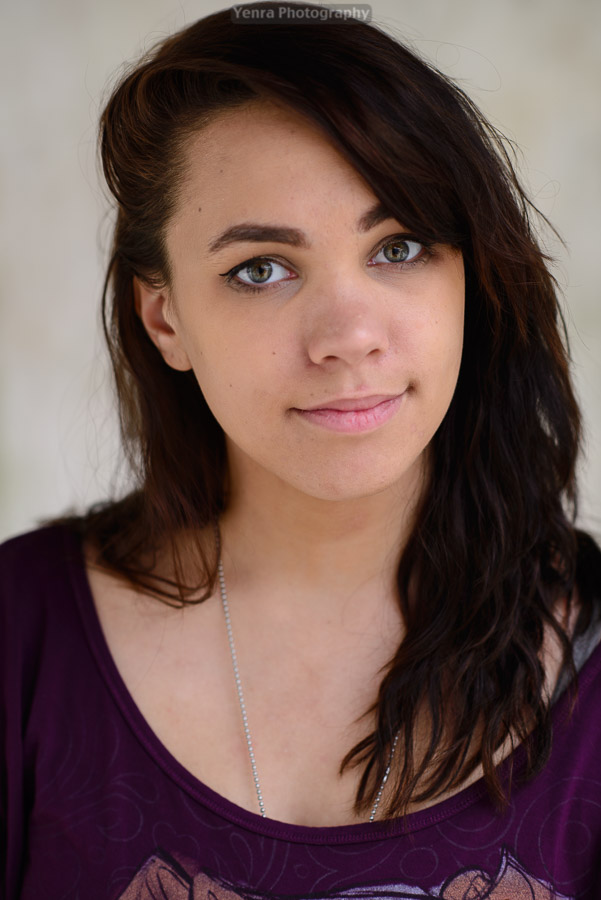
Young Woman in Purple Top · Yenra Photography archive
The seated portrait lets the figure, low stonework, arched opening, and tall walls share the frame. Notice which shapes you use as references. The figure occupies more of the picture than in the exterior view, while the architecture still has plenty of room.
The close portrait offers a different relationship. The face fills much of the picture, making small features easier to explore and leaving little architectural context. These are different people and scenes; together they offer possibilities for distributing space, rather than a controlled comparison of one camera setting.
You might enjoy a small subject surrounded by large shapes, or a close view that brings a detail forward. Neither needs to be your permanent style. Let the relationship you notice suggest another picture.
Look back with curiosity.
- What helps you judge relative size?
- How much of the picture does the main subject occupy?
- Which relationship would you like to explore again?
Continue with Seeing depth in a photograph, Giving a portrait a sense of place, or Exploring portrait framing.
Browse all 123 photographs from Ellicott City 2014 → · Take the scale experiment with you →