Field notes · Look · Try · Compare
Pairing photographs with a visual contrast
Choose two photographs whose differences invite a closer look at both.
Move between a close view and a wider scene
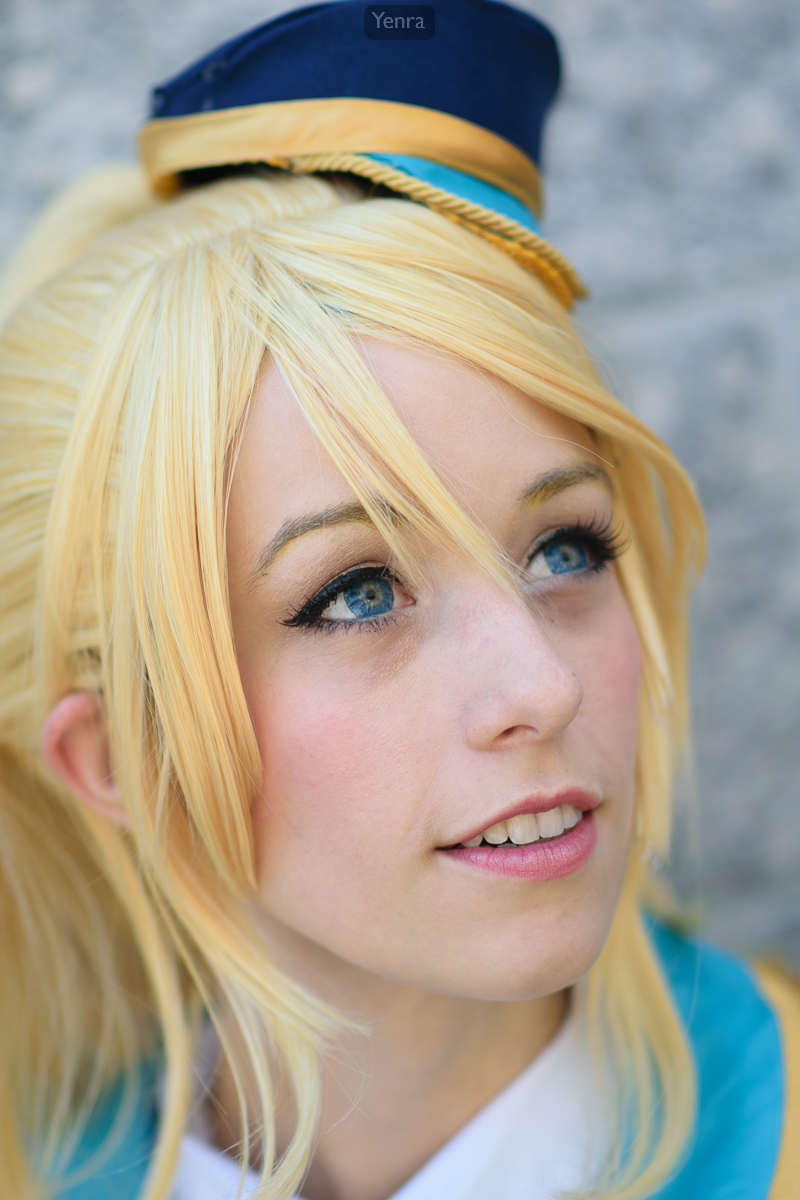
Fruits Set Detail, Love Live · Photograph: Yenra
Captured: 2015:05:23 14:46:51
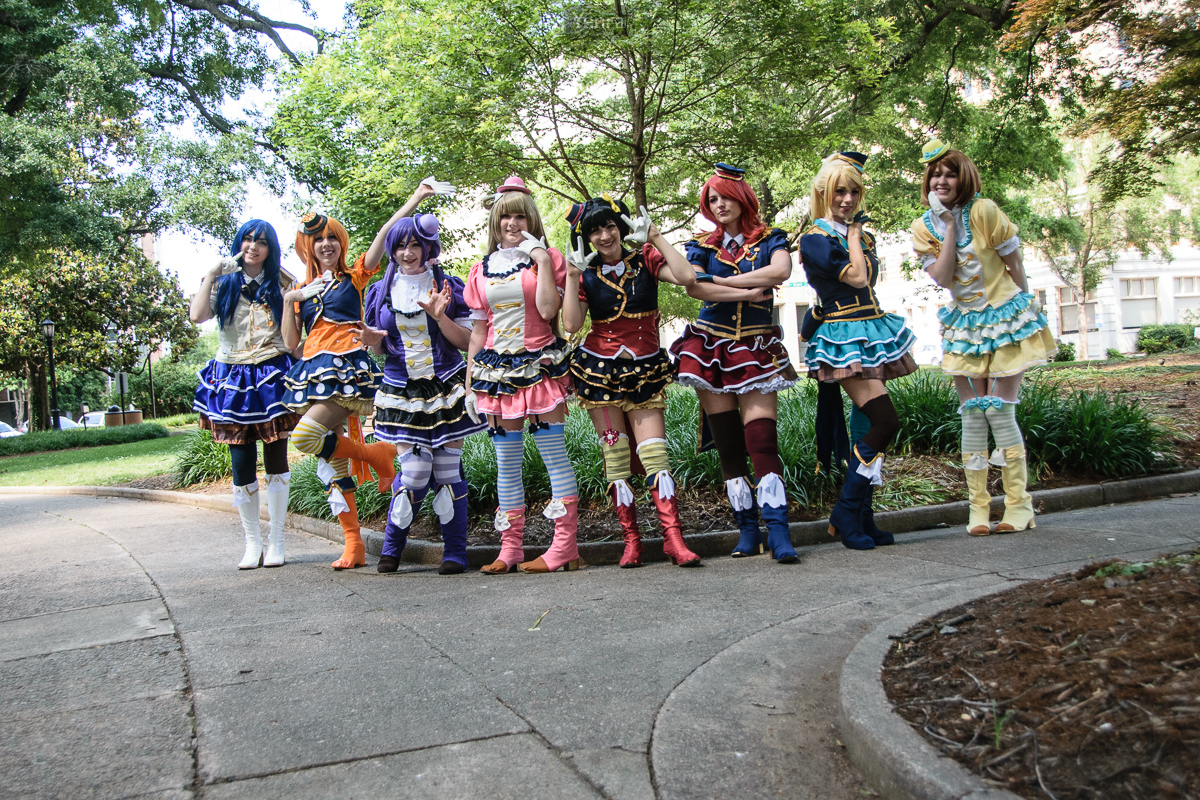
Fruits Set, Love Live · Photograph: Yenra
Captured: 2015:05:23 15:16:33
- A contrast to notice
- The close portrait concentrates on a face and a small hat; the wide frame includes eight models and the path around them.
- A connection to explore
- Decorated hats, colorful clothing and portrait gestures give the two views shared details to explore.
Let your attention move from the small hat in the first picture to the hats and gestures across the group. The second frame makes room for more people and a setting, while the first allows a longer look at one face. Each view offers something the other leaves open.
Try a close view beside a photograph with more surrounding space. You might use a flower and a garden, a hand and a workshop, or a portrait and a wider gathering. Look for a difference that adds a new way into both pictures.
Two photographs can invite a fresh look at one another through their differences. A close portrait beside a wider scene changes the scale of your attention. Broad pale areas beside a darker frame offer another rhythm. Start with two pictures you already enjoy and give them a little space together.
Compare broad light and dark areas
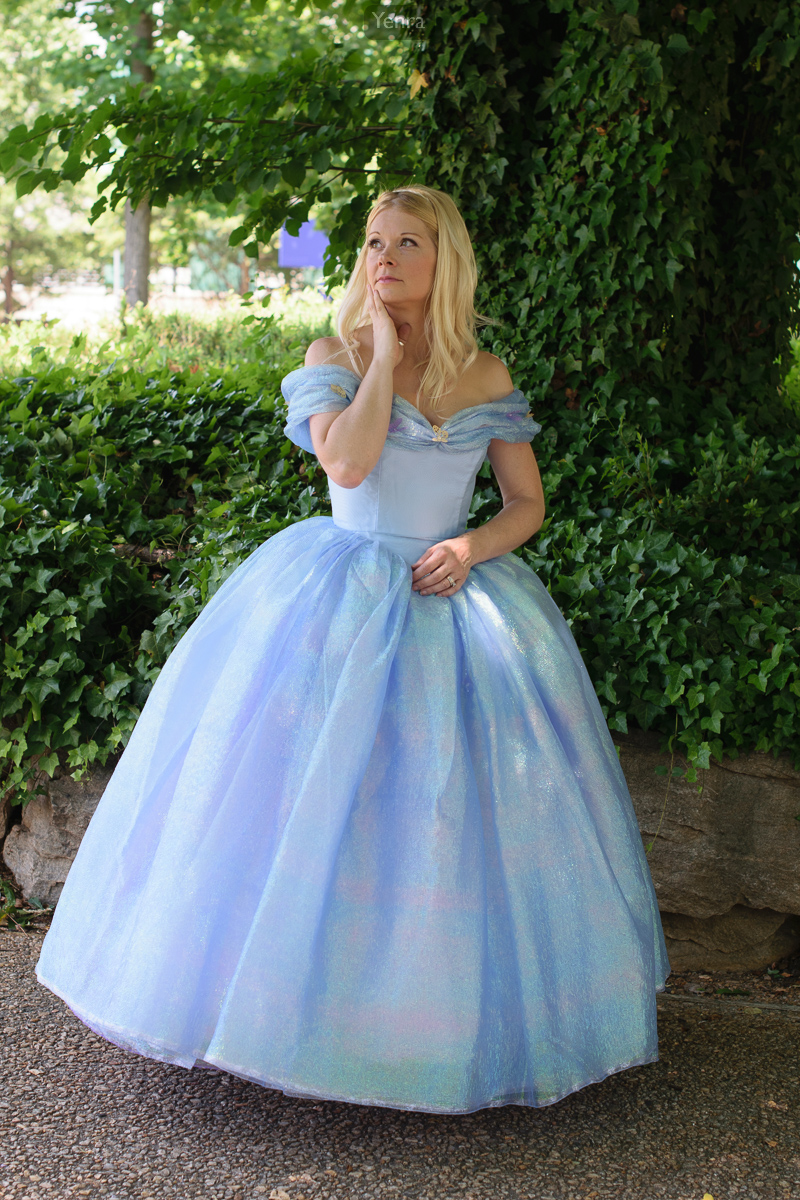
Cinderella from Disney's live action Cinderella · Photograph: Yenra
Captured: 2015:05:23 13:19:31
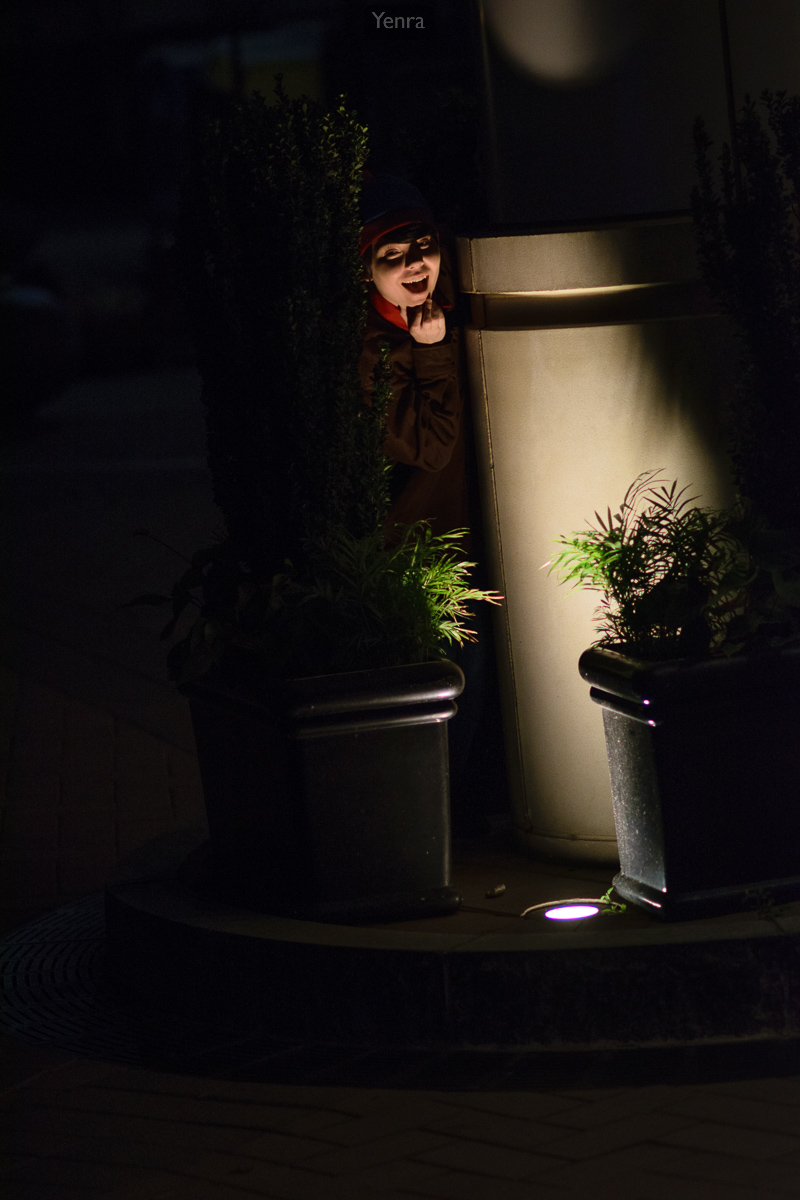
Elegant Evening Stroll · Photograph: Yenra
Captured: 2015:05:22 21:45:54
- A contrast to notice
- A large pale gown fills much of one frame; smaller illuminated areas sit within broad darkness in the other.
- A connection to explore
- Both photographs place a person among textured surroundings, with foliage contributing to the frame.
Notice how long you spend with the dress before exploring the ivy, then how the smaller face and bright column invite you into the darker photograph. The pair lets you compare where light areas sit and how much of each frame they occupy.
Choose photographs for the visible relationship you enjoy. You do not need matching exposures or identical settings. A mostly pale image and a mostly dark one can form a useful pair even when they were made in different places or at different times.
Let two kinds of pattern meet
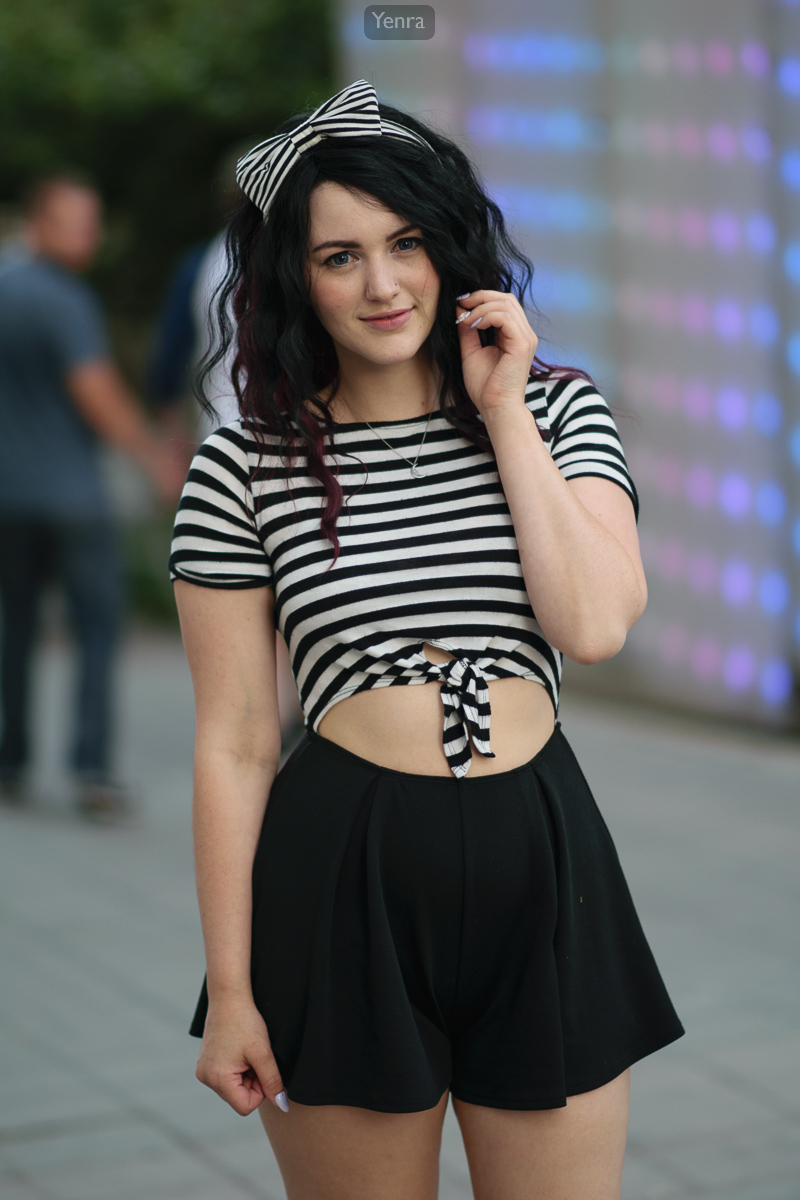
Young Woman in Black-And-White Striped Outfit · Photograph: Yenra
Captured: 2015:05:22 19:37:27
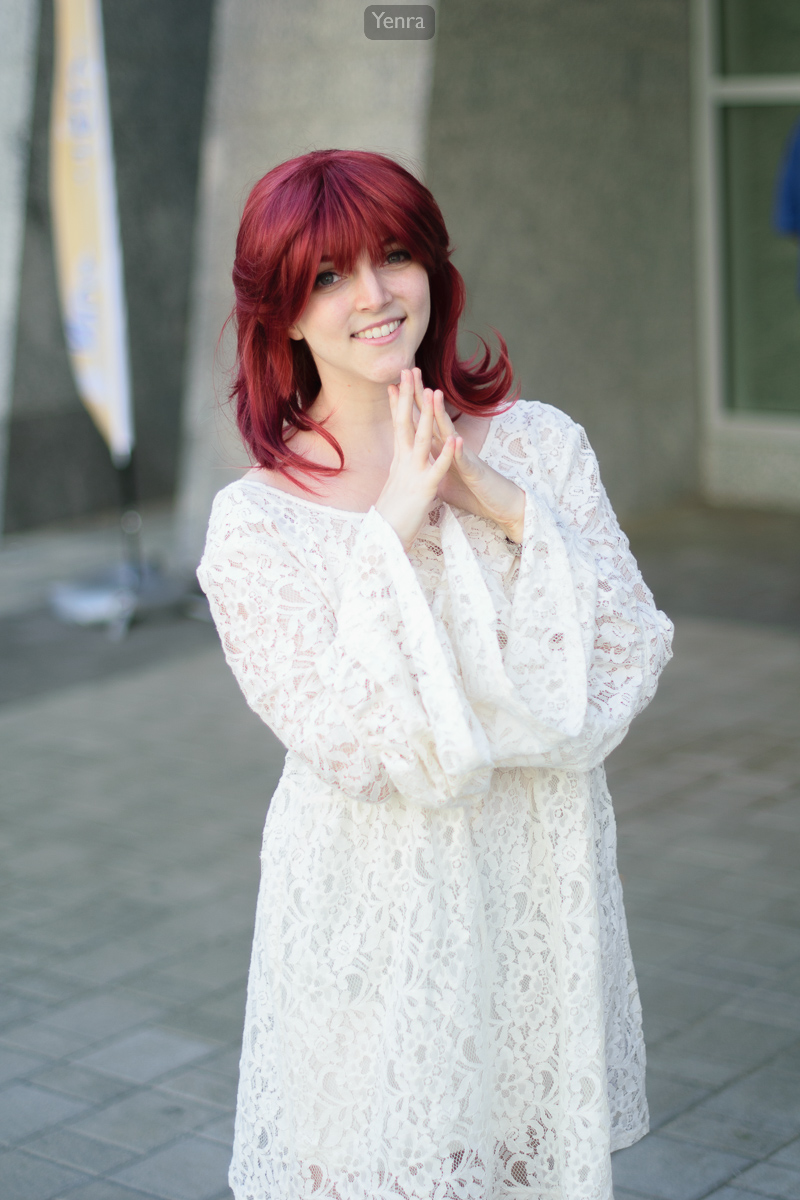
Serene Moment: Red-Haired Woman in White Lace Dress · Photograph: Yenra
Captured: 2015:05:22 15:18:24
- A contrast to notice
- Bold bands across the striped top contrast with the finer pattern of pale lace.
- A connection to explore
- Both portraits include a hand gesture near the face, offering a shared point of attention.
The striped top presents a pattern you can read quickly from a distance. The lace invites a closer look at smaller details. Both contain repetition; the difference is in its scale and contrast. Move between the clothing and the faces and notice how the pair changes your viewing pace.
Try pairing two kinds of texture or pattern in your own photographs. Name one difference, then name one connection that makes you want to keep the pictures together. The pair can remain provisional: another arrangement may become interesting later.
A successful pair can leave both photographs worth revisiting. Keep their links and credits with your arrangement, and write one sentence about what they offer together. You can try another order in your own layout and return to your first choice whenever you wish.
Look back with curiosity.
- What difference do you notice first?
- What still connects the photographs?
- Does the pair invite you to look at each picture again?
Keep exploring
Pairing photographs with a visual echo · Trying two orders for a photo sequence · Balancing subjects and space
Browse the complete Animazement 2015 gallery.