Field notes · Look · Try · Compare
Noticing arches in a photograph
Follow an arch as a frame, a background shape and a repeated rhythm.
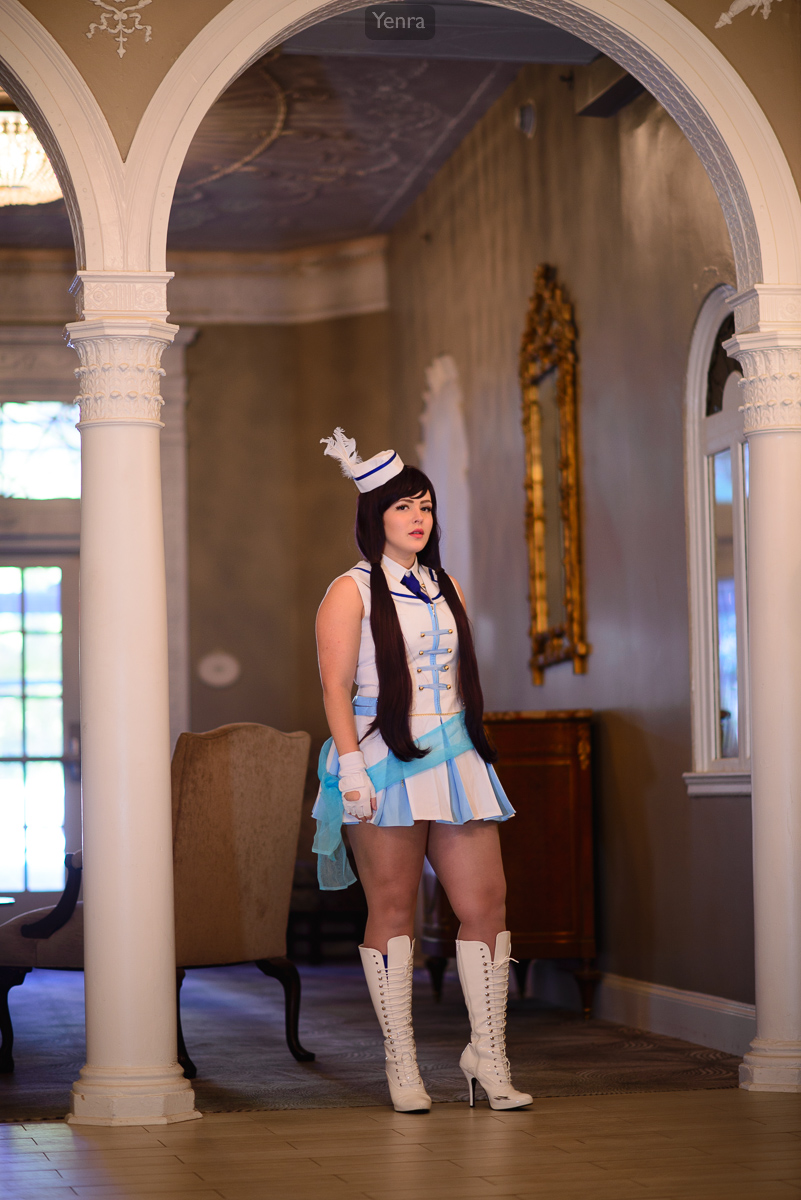
Nozomi Tojo, Wonderful Rush, Love Live · Photograph: Yenra
Captured: 2015:10:30 09:49:19
An arch gives your eyes a curve to follow. It can surround a person, join another opening or repeat into the distance. Looking at that simple shape offers a friendly way to explore how a portrait and its setting work together.
These three Anime USA 2015 photographs place arches in different relationships with the people pictured. Begin with the curved outline, then return to the face, clothing and whole frame. You can try the same exercise with a doorway, a window or a photograph you already enjoy.
Follow one large arch
A pale arch curves above the standing portrait, supported by two columns. The columns form long edges on either side, while the opening leaves room above the subject. The chair, mirror and furniture remain visible inside that larger shape.
Follow the curve from one column to the other. Then notice the smaller shapes beneath it: the tilted hat, the blue-and-white clothing and the spaces around the arms. The architecture gives the composition a broad structure without needing to repeat the outline of the person.
When you find a similar opening, try leaving different amounts of space above your subject. A small change in camera position may include more of one column or show a different part of the room. Look at what each version gives you rather than aiming for one required arrangement.
Notice where two arches meet
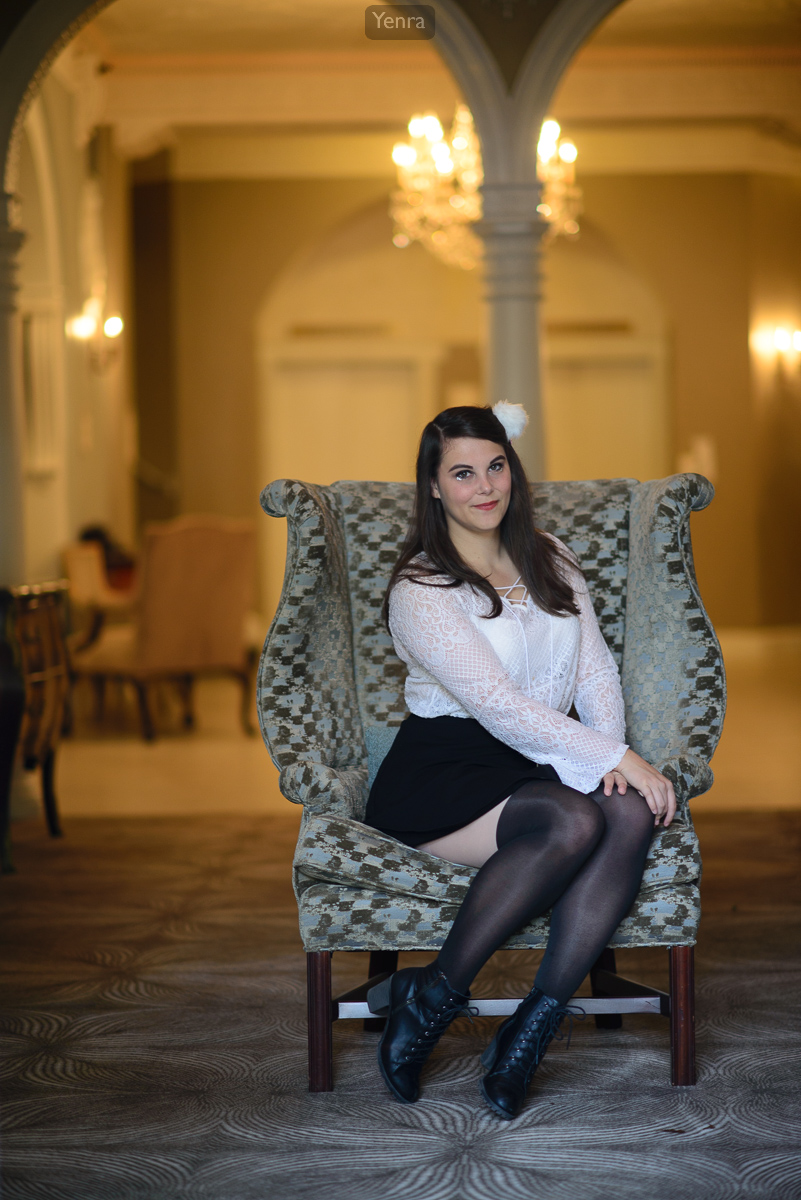
Seated portrait beneath two arches · Photograph: Yenra
Captured: 2015:11:01 13:02:02
Two arches meet above a seated portrait. Their shared support sits behind the subject, and parts of both curves extend toward the top corners. The patterned chair introduces another set of curves closer to the person.
This is a useful variation on the first photograph. Instead of placing the subject within one complete opening, the frame includes a junction between openings. Trace the large architectural shapes, then compare them with the chair and the seated pose.
You might enjoy the connection between those shapes, or want to try a viewpoint that separates them more. Both observations can lead to a worthwhile photograph. Moving a little to either side and comparing the full frames is enough for a first experiment.
Find a rhythm of smaller arches
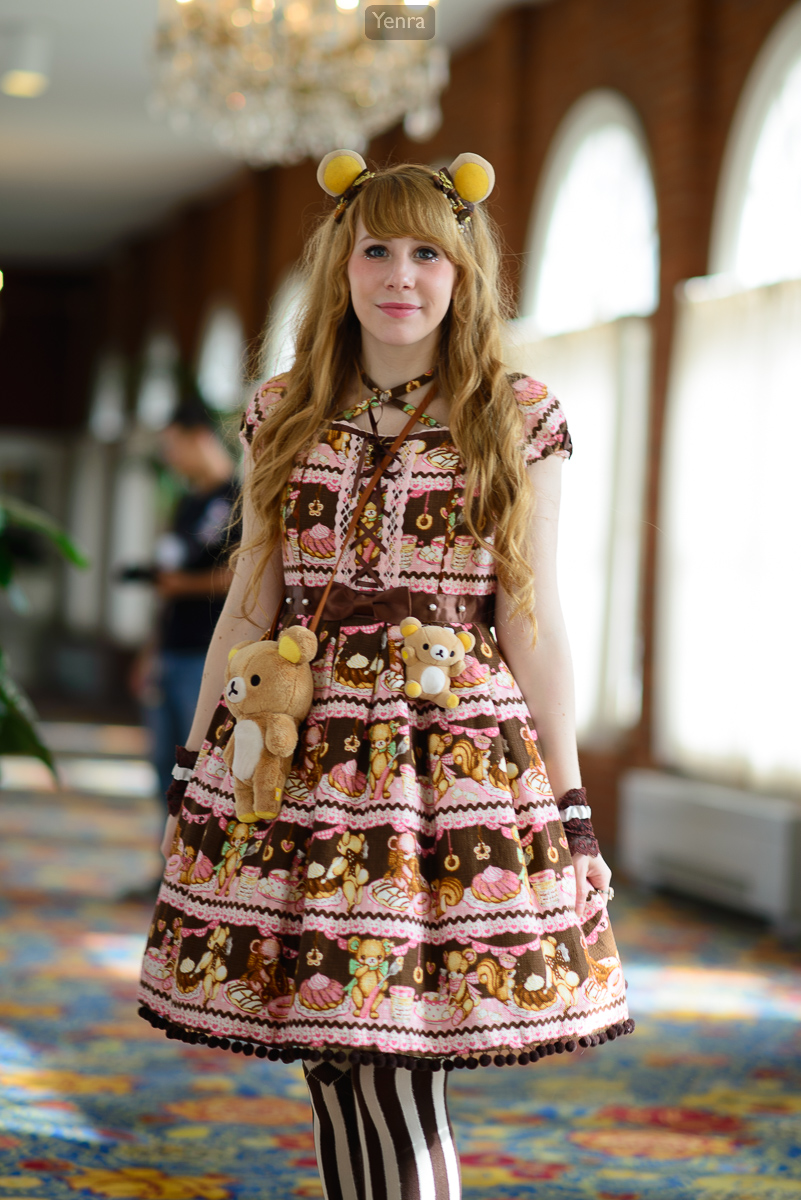
Rilakkuma Lolita · Photograph: Yenra · Credit: Jenni Bon
Captured: 2015:11:01 14:00:21
Bright arched windows repeat behind the Rilakkuma Lolita portrait credited to Jenni Bon. Their outlines are softer than the details of the dress and face, and the openings appear smaller farther along the room.
Follow the windows into the distance, then bring your attention back to the portrait. Repeated architecture can help you explore depth without becoming the main subject. The small bright openings, darker wall and patterned clothing all have a place in the picture.
Compare this with the large arch in the opening photograph. A shape can organize much of a frame or contribute quietly from the background. Its size, clarity and position give you several ways to work with it.
Try an arch from more than one viewpoint
Choose an accessible doorway or window and make a photograph from a comfortable position. Then try a small step sideways or a slightly wider view. You can also compare existing pictures without making anything new.
Write one sentence about the space beneath the curve and another about its relationship with the subject. A complete arch, a partial curve or an uneven pair can each make an interesting composition. Keep the variation that makes you want to look again.
Look back with curiosity.
- Where does the arch lead your attention?
- How does its shape relate to the person?
- Which viewpoint would you like to explore?
Keep exploring
Finding frames within a photograph · Noticing curves in a photograph · Finding rhythm in repeated shapes
Browse the complete Anime USA 2015 gallery.