Field notes · Look · Try · Compare
Ending a portrait sequence with a wider view
Begin close to a face, reveal a gesture, then finish by giving the person more space and context.
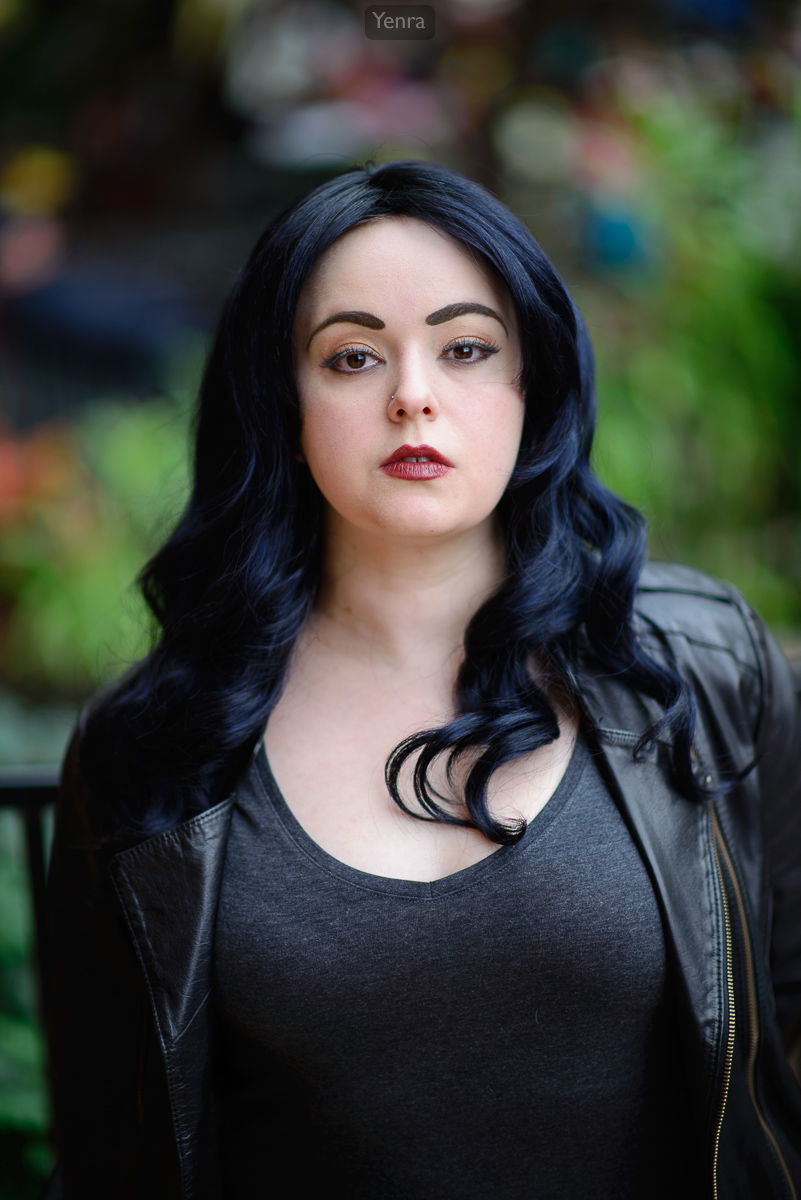
Katsucon 2016 Friday photograph 2311 · Photograph: Yenra · Archive tags: Kelley Nymph
Captured: 2016:02:12 16:38:01
A portrait sequence can begin close and gradually show more of the person and their surroundings. The first picture introduces the face. Another reveals a gesture. A wider final photograph gives those details a place within a larger scene.
This new editorial sequence arranges three Katsucon 2016 Friday portraits as a close face, hands and jacket, then a whole standing portrait. It reverses their recorded capture order, which remains shown beneath each photograph. The sequence is a way to read the existing pictures; it does not describe how the photographer moved or planned the session.
Begin close to the face
The opening photograph gives much of the frame to the face, hair and upper jacket. The surrounding colors remain soft, so there is less information about the place. This close beginning offers a clear feature to recognize when you move to the next picture.
When choosing your own opening, ask what the viewer will be able to carry into the following frame. Hair, clothing and the face can provide that connection. You can begin with a familiar detail and let the rest of the sequence gradually add to it.
Reveal the hands and jacket
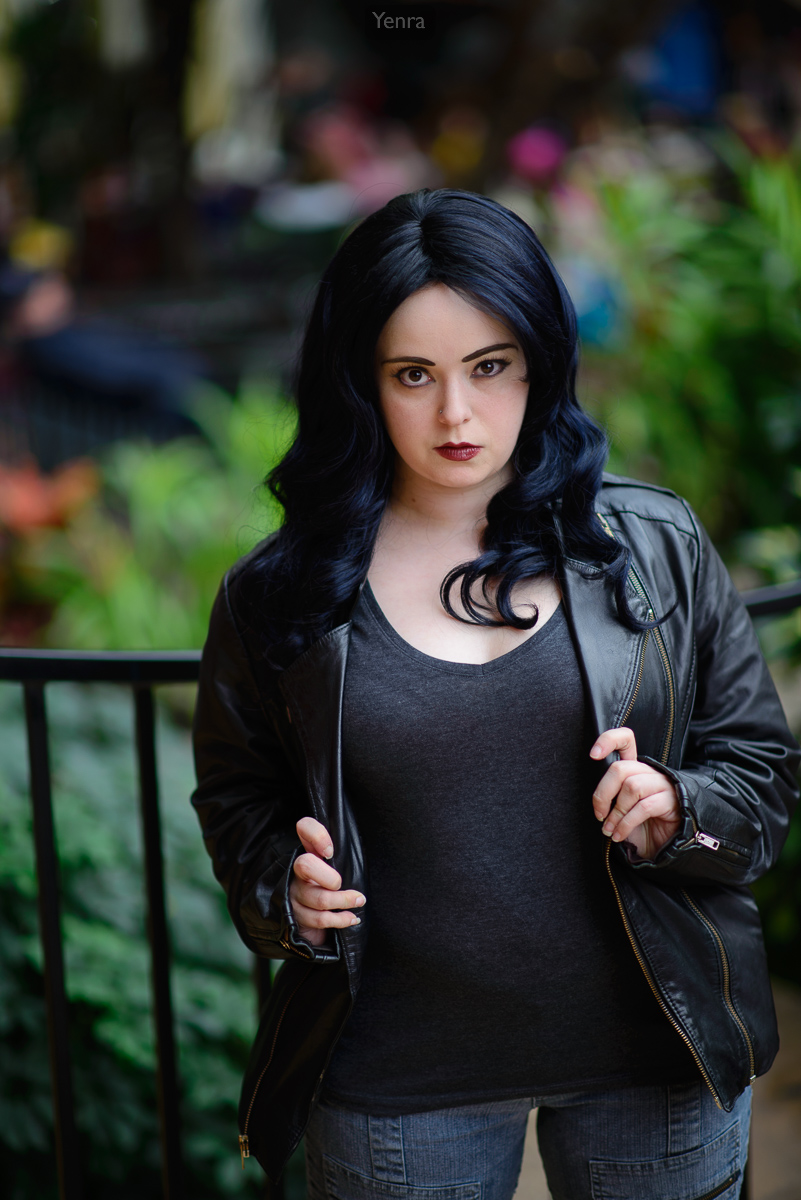
Katsucon 2016 Friday photograph 2306 · Photograph: Yenra · Archive tags: Kelley Nymph
Captured: 2016:02:12 16:37:52
The middle photograph includes both hands holding the jacket and more of the torso. Dark hair and clothing continue from the opening portrait, while the gesture gives the viewer another relationship to notice. More of the railing appears behind the person.
Compare the transition between these first two pictures. The middle view has a useful job: it keeps the person recognizable while revealing something that the closer photograph leaves outside its frame. Try another middle image if you would like the change to feel smaller or more pronounced.
Finish with the whole standing portrait
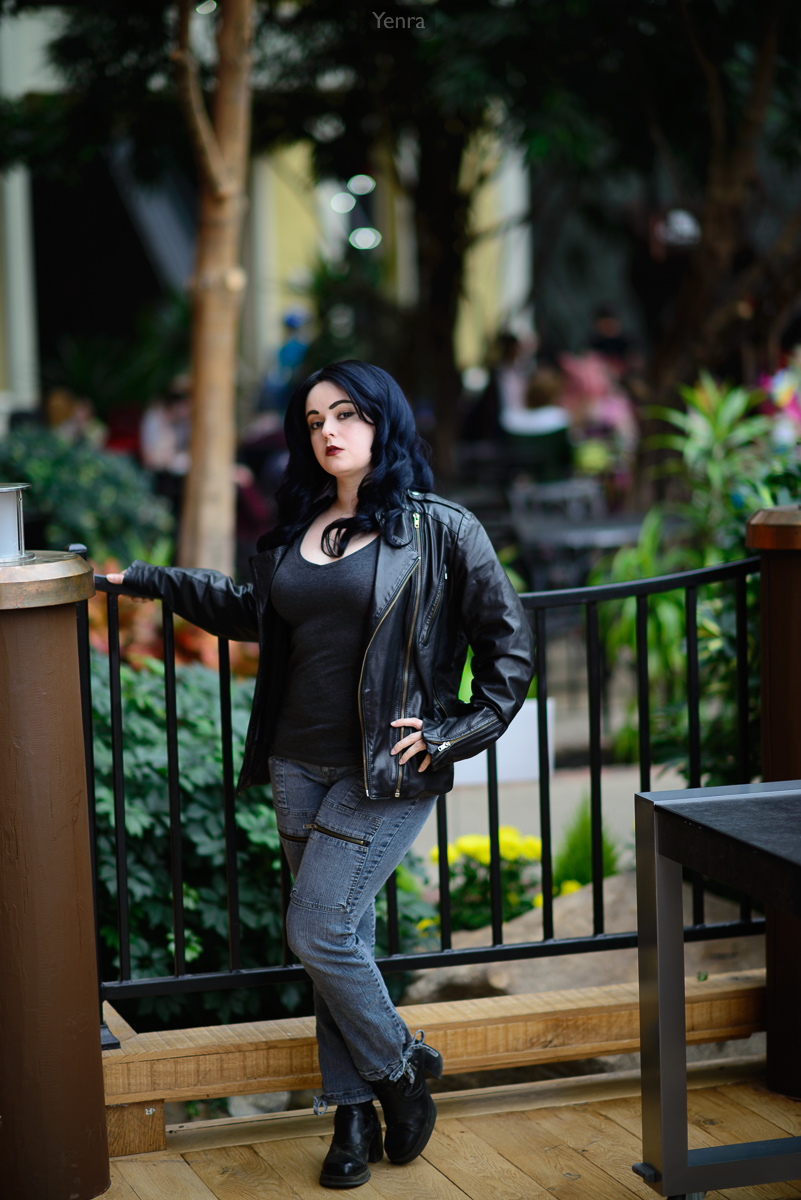
Katsucon 2016 Friday photograph 2294 · Photograph: Yenra · Archive tags: Kelley Nymph
Captured: 2016:02:12 16:37:25
The final photograph includes the whole standing figure, boots and bent-leg pose. The post, railing and surrounding plants now contribute more to the portrait. These details give the person a visible place to stand and let the ending open into a larger view.
Read the sequence backward and compare what you remember at the end. The close ending may draw you toward the face; the wider ending may leave more of the setting in mind. Both are useful possibilities. Choose the order that gives your small collection the ending you enjoy, while leaving the complete archive in its original order.
Let the ending open out
- Close face: introduce a recognizable person.
- Hands and jacket: reveal a gesture and more of the outfit.
- Whole portrait: give the person space and a visible setting.
This is a new editorial sequence of existing portraits. Try the reverse order and compare what each ending adds.
Look back with curiosity.
- What remains recognizable between neighboring pictures?
- What does the middle photograph reveal?
- How does the wider ending differ from the close ending?
Keep exploring
Making a portrait sequence that moves closer · Choosing a closing photograph · Giving a portrait a sense of place
Browse the complete Katsucon 2016 Friday gallery. Follow a photograph into its original neighbors and see which detail, drape or connection catches your attention next.