Field notes · Look · Try · Compare
Giving a photo sequence a quiet pause
Try a nature photograph between two portraits and explore how a change of subject alters the pace of a small collection.
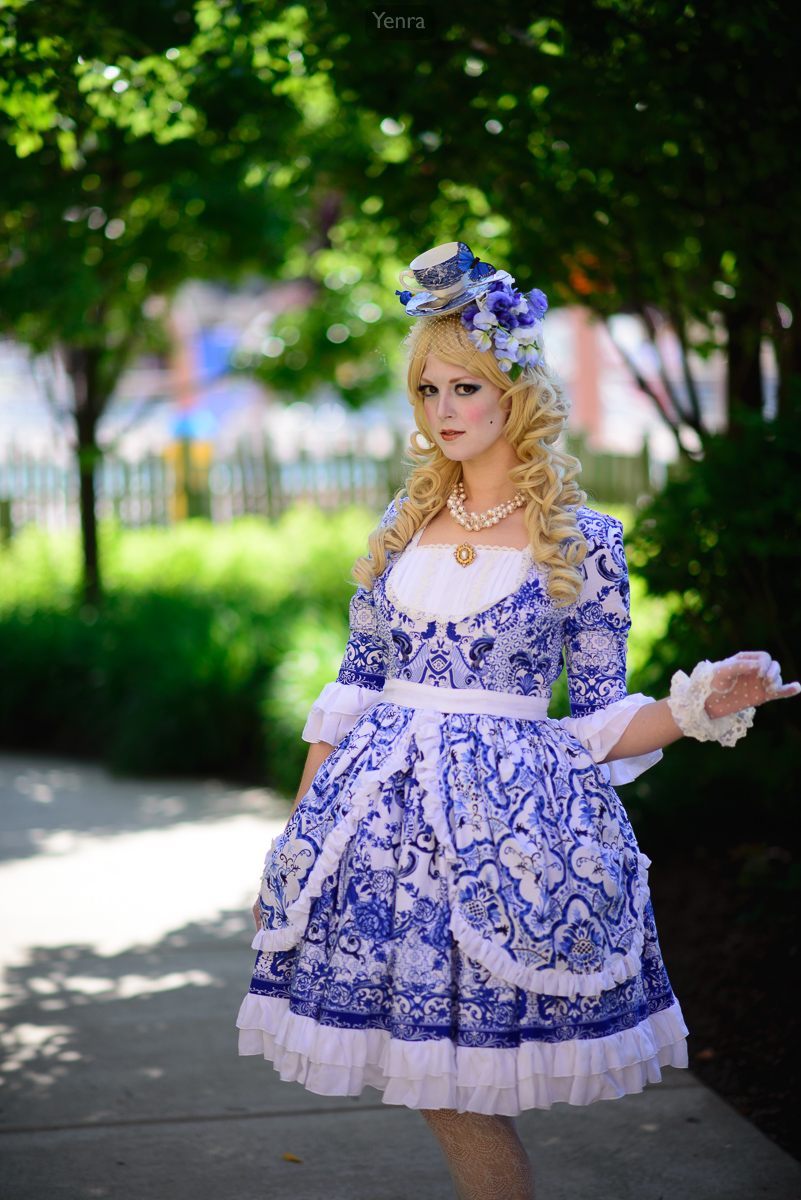
Portrait in a blue-and-white patterned dress · Photograph: Yenra
Captured: 2014:06:07 10:16:00
A small photo collection can make room for a change of subject. Between two portraits, a nature detail may offer a moment to notice another color, shape or scale. Returning to the portrait afterward can make familiar details feel newly interesting.
This new editorial sequence brings together two Colossalcon 2014 portraits recorded on June 7 and a flower photograph recorded on June 6. The order explores how pictures read together. The dates keep that arrangement clear, without suggesting that the nature photograph records a break during the portrait session.
Begin with a portrait and its setting
The opening portrait includes a blue-and-white patterned dress, leafy surroundings and a small flower-decorated hat. The wider view introduces several details that can become threads through a collection: pale fabric, repeating pattern, flowers and green background.
Let the complete portrait establish what interests you before choosing a companion image. You may be drawn to a color, a curved shape or the amount of surrounding space. A short note about that interest can make the next selection easier.
For this sequence, the wider portrait gives the reader several details to return to later. It does not need to explain the whole collection at once. A first picture can simply invite a closer look and leave room for another kind of image.
Make room for a different subject
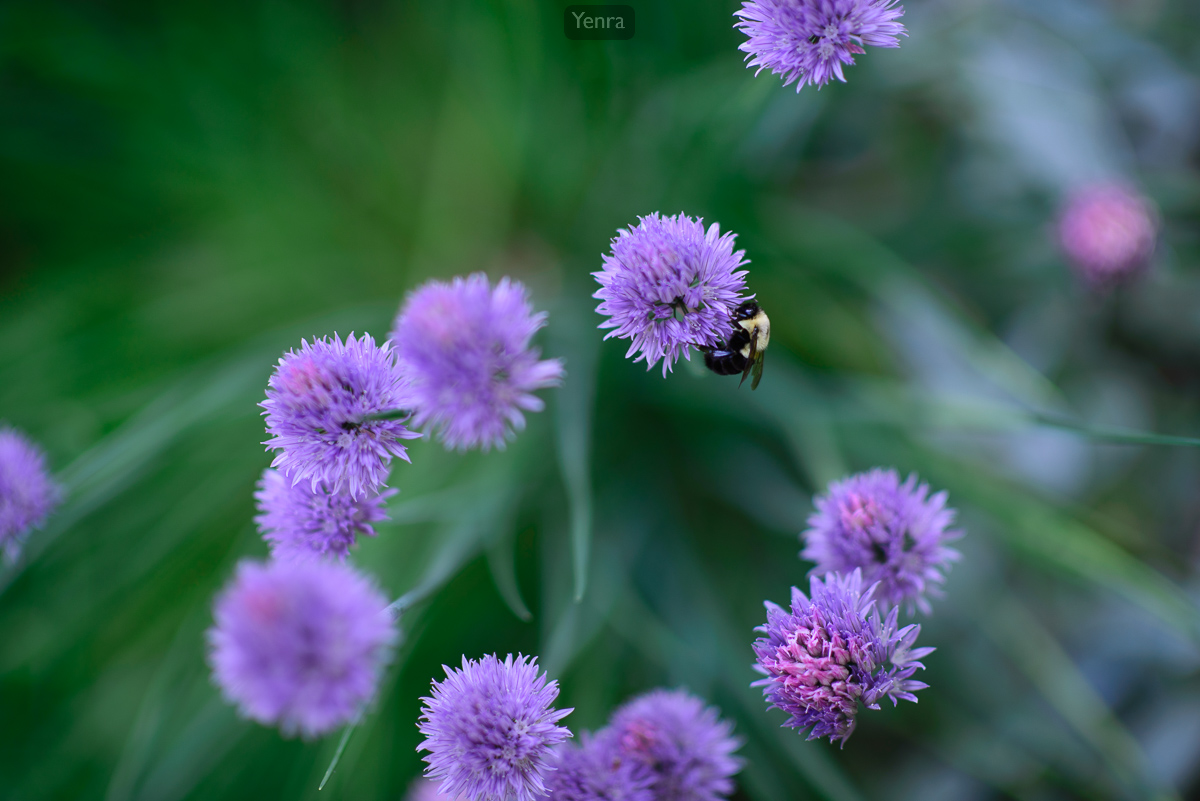
Purple flowers with a visiting bee · Photograph: Yenra
Captured: 2014:06:06 10:49:46
The middle photograph changes both subject and orientation. Purple flower heads and a visiting bee appear against soft green surroundings in a horizontal frame. The scale of the detail gives the reader something different to examine between the two vertical portraits.
Green surroundings and flowers offer visible connections with the portraits, while the change of subject creates a possible pause. How that pause feels will vary between viewers. Compare your own response rather than expecting a nature photograph to produce one particular mood.
Keep its recorded June 6 date alongside the June 7 portrait dates. These photographs can belong together through an editorial choice without implying that the flowers were beside the portrait setting or inspired the costume. A factual caption leaves space for the reader to enjoy the visual connection.
Return to the portrait with a closer view
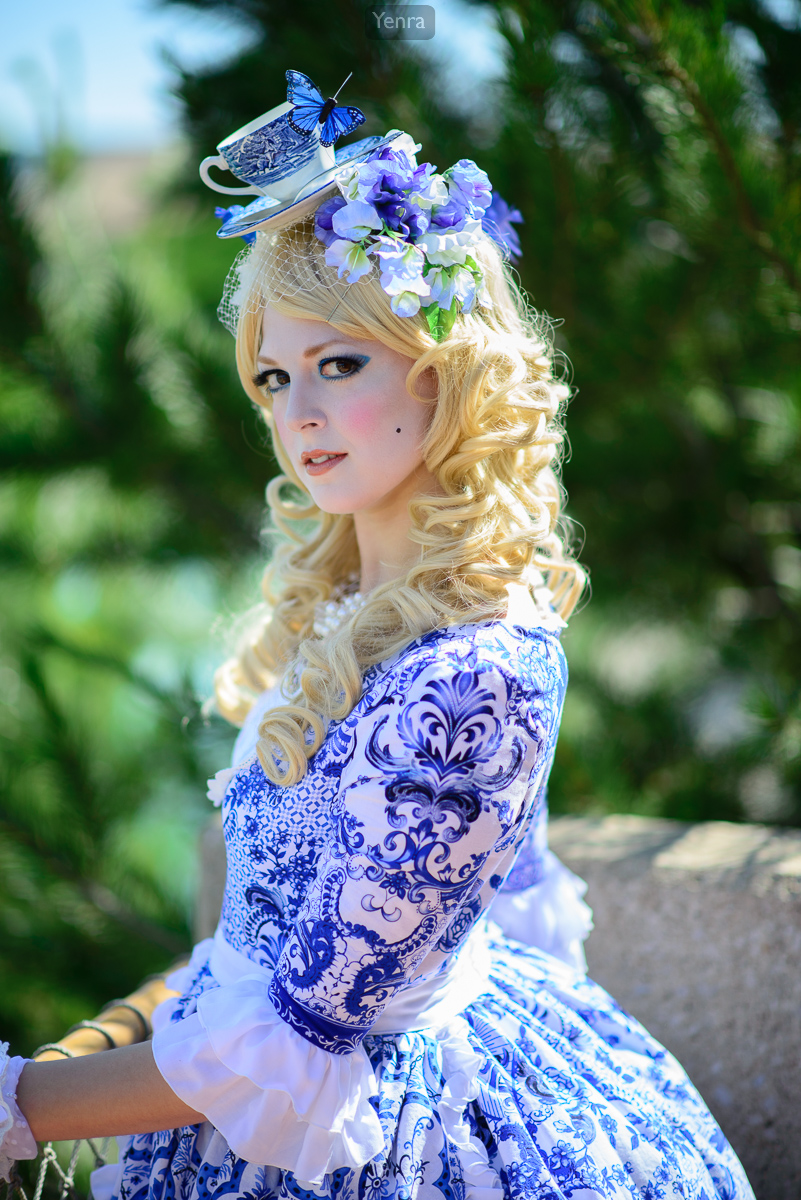
Closer portrait with a flower-decorated hat · Photograph: Yenra
Captured: 2014:06:07 10:26:06
The closer portrait returns to the face, curls, blue-and-white pattern and decorated hat. After the nature detail, the flowers on the hat may become easier to notice. The return also offers a different scale from the opening portrait.
Try reading the two portraits directly together, then put the flower photograph between them again. What does the extra image add? You might prefer the change of pace, or find that the direct pair better suits your intention. Both responses give you useful information.
Move the nature photograph to the beginning or end and compare once more. Keep every original frame, date, archive link and current credit. A quiet pause is one possible arrangement, and the experiment succeeds when you can describe what a particular order contributes to your collection.
A portrait, a pause, a return
- Begin with the portrait: introduce the person and surrounding details.
- Pause with a nature detail: explore a change of subject and scale.
- Return to a closer portrait: notice familiar features again.
This new editorial sequence moves from June 7 to June 6 and back to June 7. Compare another order and keep the recorded dates with each photograph.
Look back with curiosity.
- What changes when the nature photograph enters the sequence?
- Which colors or shapes connect the three pictures?
- Do you prefer the pause here, elsewhere or omitted?
Keep exploring
Varying pace in a photo story · Pairing photographs with a visual echo · Including an everyday detail in an event photo story
Browse the complete Colossalcon 2014 gallery. Follow the original neighbors of a photograph you enjoy and see what else catches your attention. A small observation can become the beginning of your next experiment.