Field notes · Look · Try · Compare
Ending a portrait sequence with an interaction
Introduce two portraits separately, then let a shared gesture give the sequence a playful ending.
Katsucon 2016 Sunday photograph 2255 · Photograph: Yenra
Captured: 2016:02:14 15:16:22
A small portrait sequence can give each subject a moment before bringing them together. The individual photographs introduce details to recognize; a shared picture can then add a gesture or exchange that gives the ending something new.
This new selection from Katsucon 2016 Sunday begins with green-and-blue and pink-and-purple costumes, then places both in one animated frame. Follow the colors and hand positions. The photographs offer a playful visual connection, with room to try either individual portrait as the opening.
Introduce the first expressive portrait
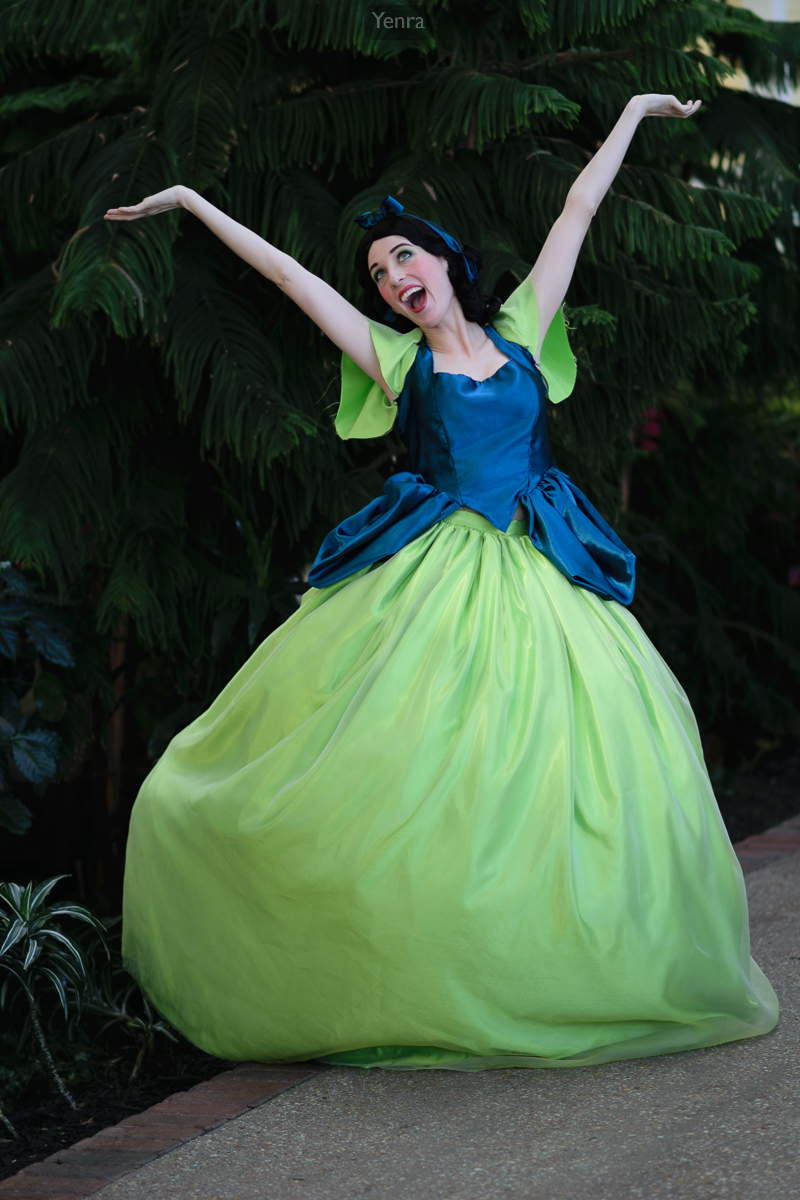
The first portrait gives the green-and-blue costume a frame of its own. Raised arms open outward above the broad skirt, and the open-mouthed expression adds to the animated pose. Those colors will be easy to recognize when this subject appears again.
Choose one visual detail to carry forward. It might be the blue bodice, the pale green skirt or the spread of the arms. An opening can introduce a person through a few clear details without explaining everything about them.
When choosing from your own collection, look for an individual portrait that you enjoy on its own and that shares something visible with the final picture.
Give the second subject a moment
Katsucon 2016 Sunday photograph 2418 · Photograph: Yenra
Captured: 2016:02:14 15:18:07
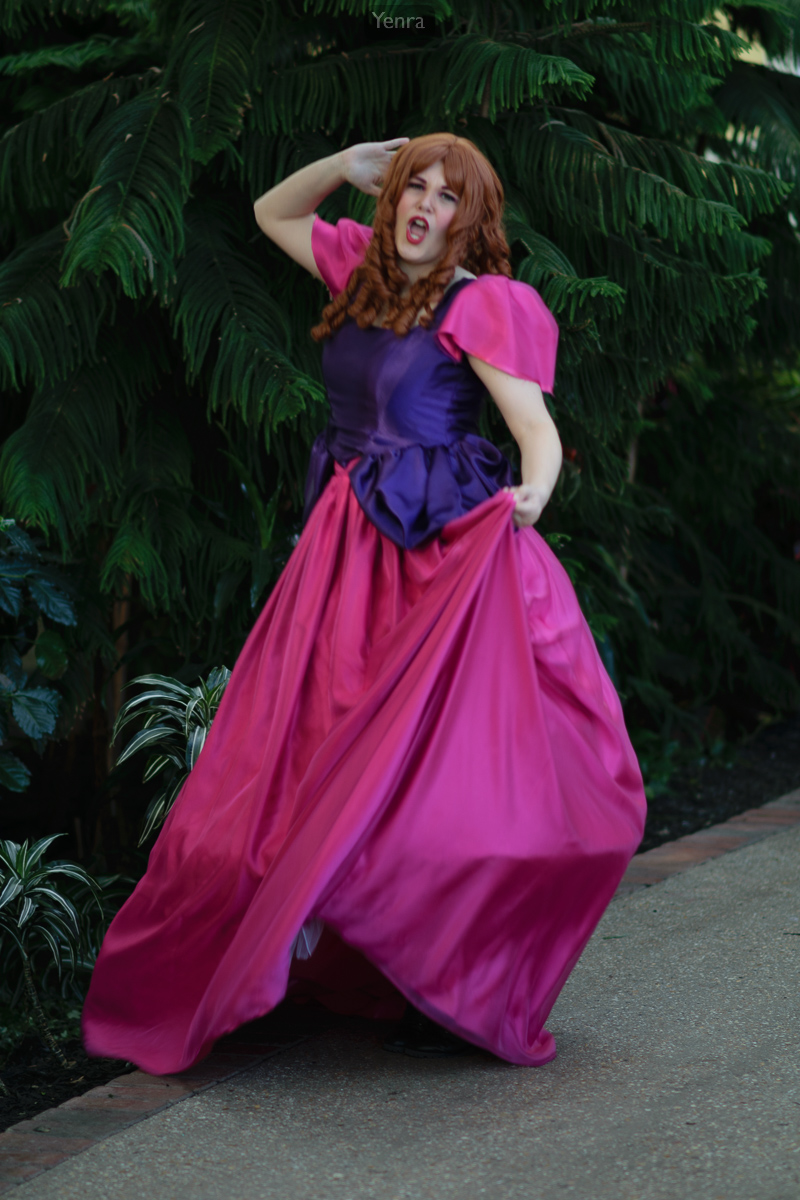
The second portrait introduces pink and purple. One hand is raised beside the head while the other holds the skirt. Its pose differs from the first portrait, but the expressive face and prominent costume colors make the two useful neighbors.
Move between the opening pair and notice what changes: arm direction, color, expression and the shape of the skirt. You can give each photograph a separate moment while still building a connection.
Try swapping these first two positions in your mind. Which subject would you meet first, and which details would feel freshest when you reach the ending? There can be more than one enjoyable order.
Bring the two subjects into one frame
Katsucon 2016 Sunday photograph 2555 · Photograph: Yenra · Archive tags: Melody Muse Cosplay
Captured: 2016:02:14 15:23:51
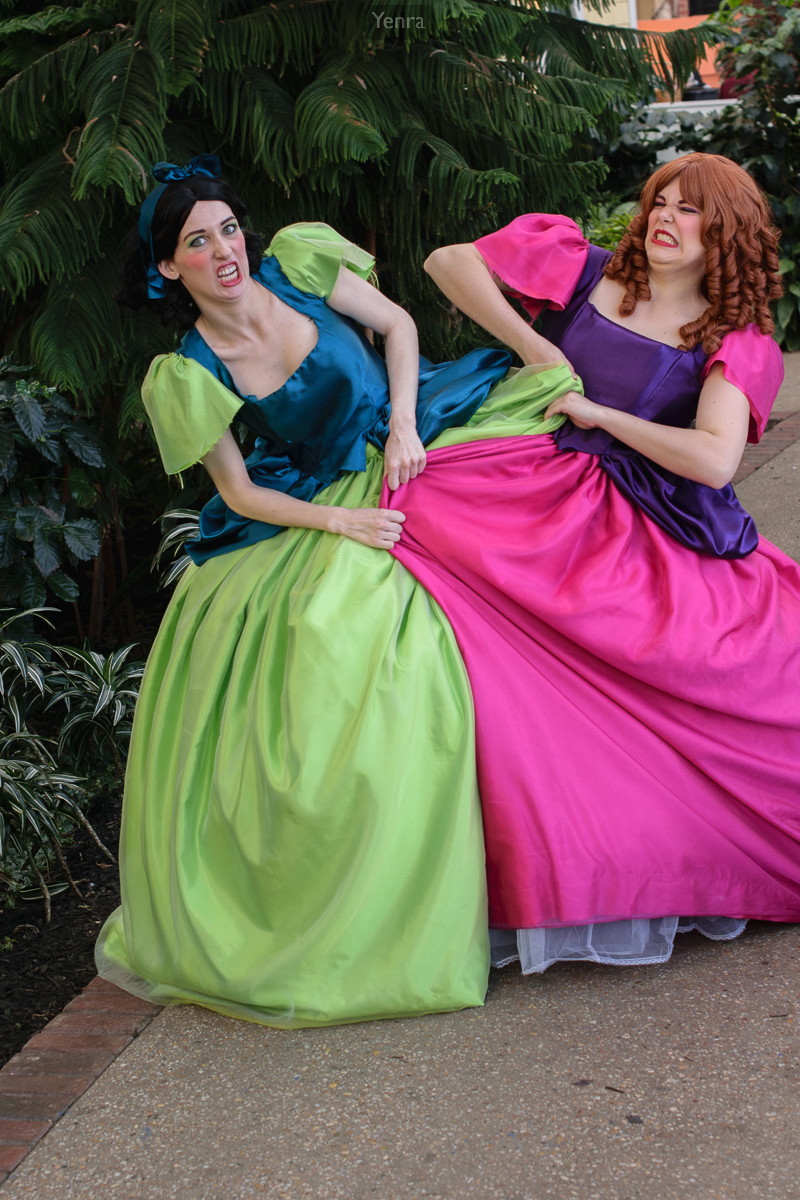
The final photograph brings both costumes into one frame. Each subject holds fabric from the other costume, and their exaggerated expressions create an animated visual exchange. Green and pink now meet in the middle of the photograph.
Compare this shared frame with the individual portraits. The colors remain familiar, but the subjects now have a visible connection through hands and fabric. That added relationship gives the ending something the earlier pictures could not show alone.
For your own sequence, choose a shared moment that adds a gesture or exchange you enjoy. An existing collection is a good place to begin. If you make new photographs, let the participants choose an interaction together; a look, a wave or another comfortable gesture can offer its own ending.
Two portraits, one shared ending
- First portrait: introduce the green-and-blue costume and open gesture.
- Second portrait: give pink, purple and a different pose their own moment.
- Shared interaction: bring the familiar subjects together through hands, fabric and expression.
This is a new editorial sequence of existing photographs. The order offers one way to read their visible gestures and colors. Try reversing the first two portraits and see which beginning you enjoy.
Look back with curiosity.
- Which colors help you recognize each subject in the final frame?
- How do the individual gestures prepare you for the shared photograph?
- What changes when you reverse the two opening portraits?
Keep exploring
Connecting individual and group portraits · Sequencing playful group photographs · Trying two orders for a photo sequence
Browse the complete Katsucon 2016 Sunday gallery. Follow a photograph into its original neighbors and see which pattern, pose or connection catches your attention next.