Field notes · Look · Try · Compare
Building a portrait sequence from small variations
Give three similar portraits different roles by noticing small changes in head angle, hands and expression.
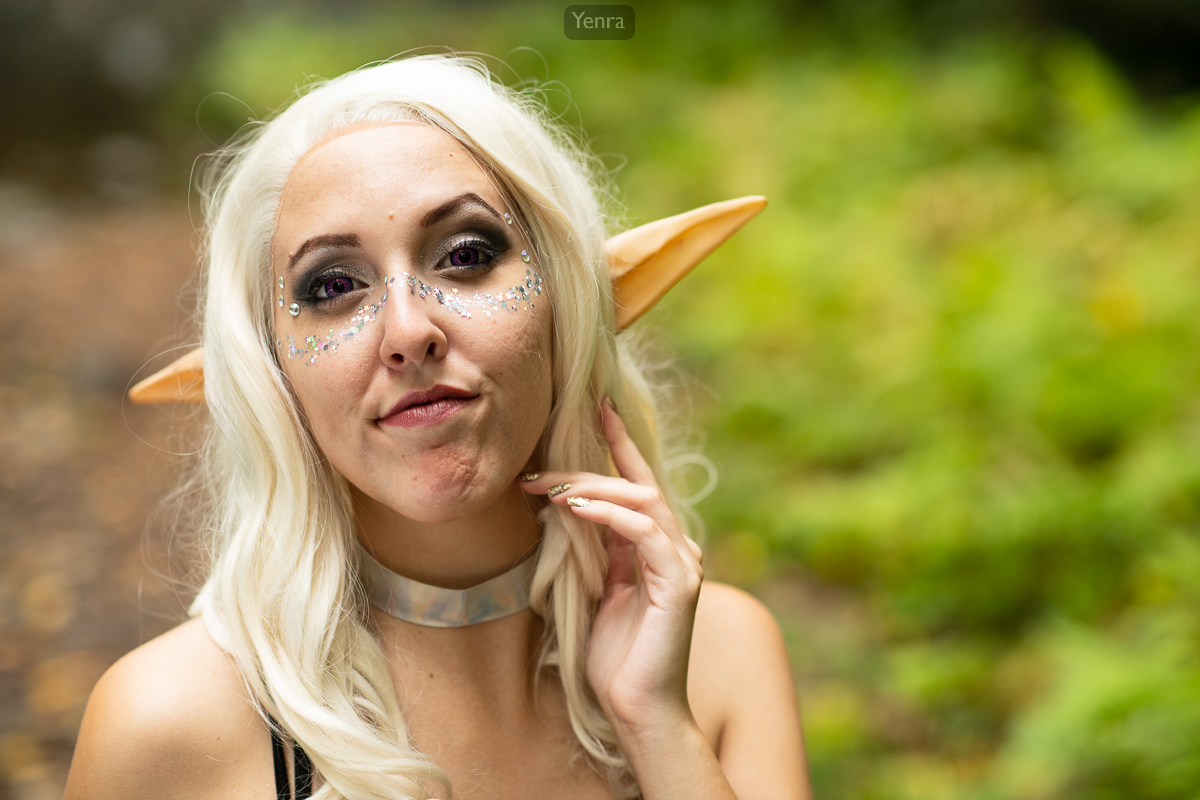
Space Elf · Photograph: Yenra · Archive tags: Elf, Krazy Magic Cosplay
Captured: 2019:09:12 16:13:16
Small differences can give a portrait collection variety without changing its setting. A turn of the head, the position of a hand or a different mouth shape may be enough to make the next photograph contribute something new. Keeping a few complementary views lets you enjoy those differences together.
This new editorial sequence brings together three Space Elf photographs recorded at 16:13:16, 16:13:29 and 16:13:35 on September 12, 2019. Other frames sit between them in the archive. The selection follows increasing capture times, with room to compare the visible variations at your own pace.
Begin with a reference view
The first selected portrait offers a nearly frontal view of the face, with one hand near the hair and neck and the lips closed. It gives the collection a clear reference: a face position, a hand placement and a surrounding frame to compare with the next pictures.
Spend a moment with this photograph on its own before turning it into a comparison. Notice the visible arrangement you find interesting. A reference frame can be a picture you enjoy, with no need to declare it the best or most representative portrait of the person.
For your own collection, begin with one frame that makes a useful starting point. Keep its full composition and record where it came from. You can then ask a specific question about nearby photographs, such as what changes when a hand moves or the face turns slightly.
Add a small change
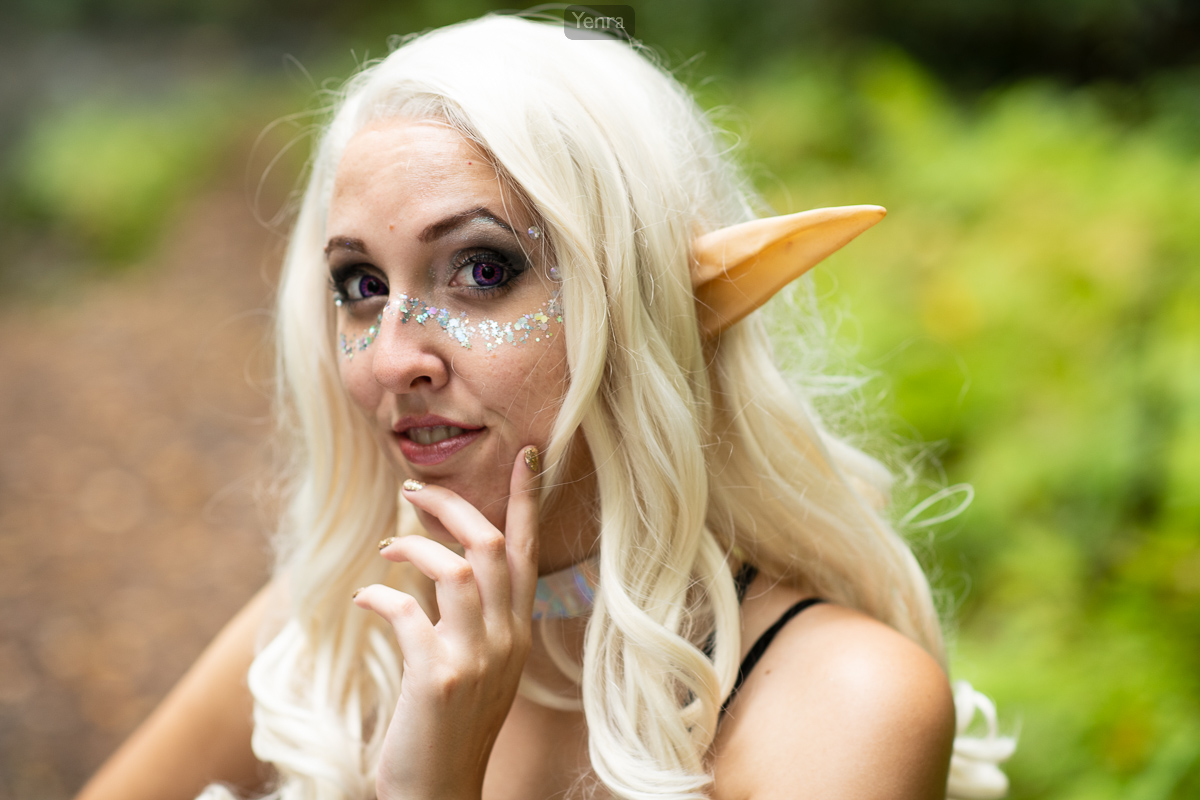
Space Elf · Photograph: Yenra · Archive tags: Elf, Krazy Magic Cosplay
Captured: 2019:09:12 16:13:29
The middle selection shows a three-quarter face angle, a hand beneath the chin and visible teeth. Several small differences arrive together, while the portrait remains close enough to the first view for those changes to be easy to compare.
Look at one difference at a time. Follow the face angle, then compare the hand position, then notice the mouth shape. Describing what is visible gives you a clear basis for choosing the frame while leaving the person room to tell you about their own experience.
Try two possible middle photographs in your own selection. Ask what each adds to the reference view. A useful frame might introduce a direction or gesture you want to keep, even if it is very similar in many other ways. The aim is a small set whose differences you enjoy.
Choose a complementary ending

Space Elf · Photograph: Yenra · Archive tags: Elf, Krazy Magic Cosplay
Captured: 2019:09:12 16:13:35
The last selection returns toward a frontal view, with both hands near the hair and neck and a closed-mouth smile. It echoes the opening face direction while adding another hand arrangement. That combination offers one possible ending for these three photographs.
Look across the selection as a whole. The middle view introduces a turn; the final view brings back a familiar direction with a different gesture. You can describe that relationship without treating the pictures as a continuous action or assigning a story about changing feelings.
Keep three photographs because of what they contribute together. If two seem to serve the same purpose, try another neighbor and compare the set again. There is no need to rank the person or choose a single winner. A few useful variations can become a collection you and your portrait partner enjoy revisiting.
Three small variations, one useful set
- Begin with a reference: choose a view you enjoy comparing.
- Add a small change: keep a different angle or gesture.
- Choose a complementary ending: find an echo with something new to offer.
This new editorial sequence leaves frames between the examples. Keep the original capture times attached, try another selection and notice what each photograph contributes to the set.
Look back with curiosity.
- What remains consistent across the three frames?
- What does each additional photograph contribute?
- Would a different ending change the feel of the set?
Keep exploring
Choosing between similar portraits · Exploring gesture and expression · Trying two orders for a photo sequence
Browse the complete Colossalcon East 2019 gallery. Follow a photograph into its original neighbors and see what else catches your attention. A branching path, a familiar layer or a small variation may give you the starting point for another experiment.