Field notes · Look · Try · Compare
Keeping alternative selections for a photo collection
Try two selections with one shared photograph and keep both as useful possibilities.
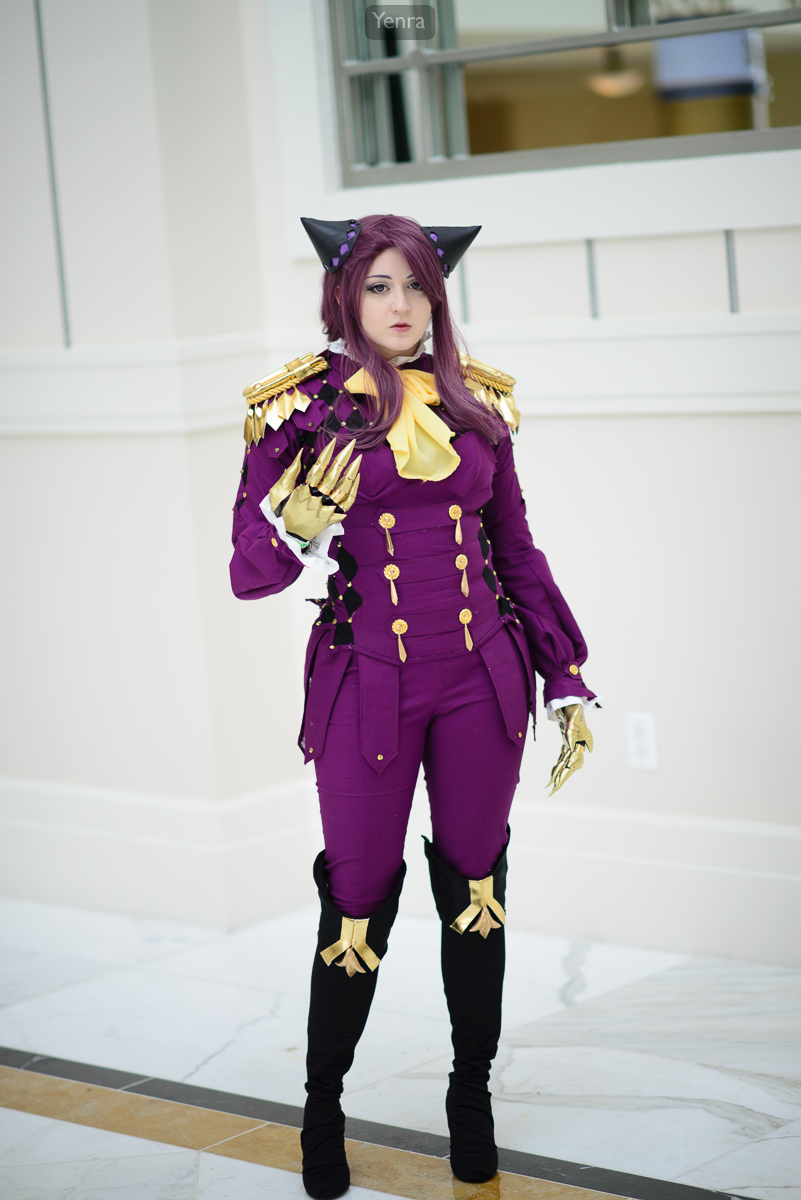
Darklaw from Ace Attorney · Photograph: Yenra
Captured: 2015:01:25 16:05:13
A photo collection can have more than one useful version. Keep one photograph as a shared starting point, then try a different companion beside it. Saving both selections lets you explore what each emphasizes and return to the choice later.
The three MAGFest 2015 photographs here form a new editorial example. The two selections below are working possibilities created for this lesson; the complete original collection remains available in its existing order.
Keep one photograph as a shared starting point
This full-length Darklaw portrait shows the purple and gold costume against a pale wall. One gold-gloved hand is raised. The photograph provides an overall view of the figure, with clothing, gesture, and surroundings available to explore.
Use it as the first photograph in both example selections. Keeping one picture in the same position gives the comparison a steady starting point. You can then notice what changes when its companion changes.
Choose three to six photographs of your own and write a small purpose for the set. You might want to share a person's expression, show a costume detail, or recall an afternoon. Pick an anchor photograph that suits that purpose and keep it in both versions.
A working selection can be a list of filenames, links, or references in your notebook. Give yourself a way to return to each original while leaving its file and metadata intact.
Try a different companion for a different emphasis
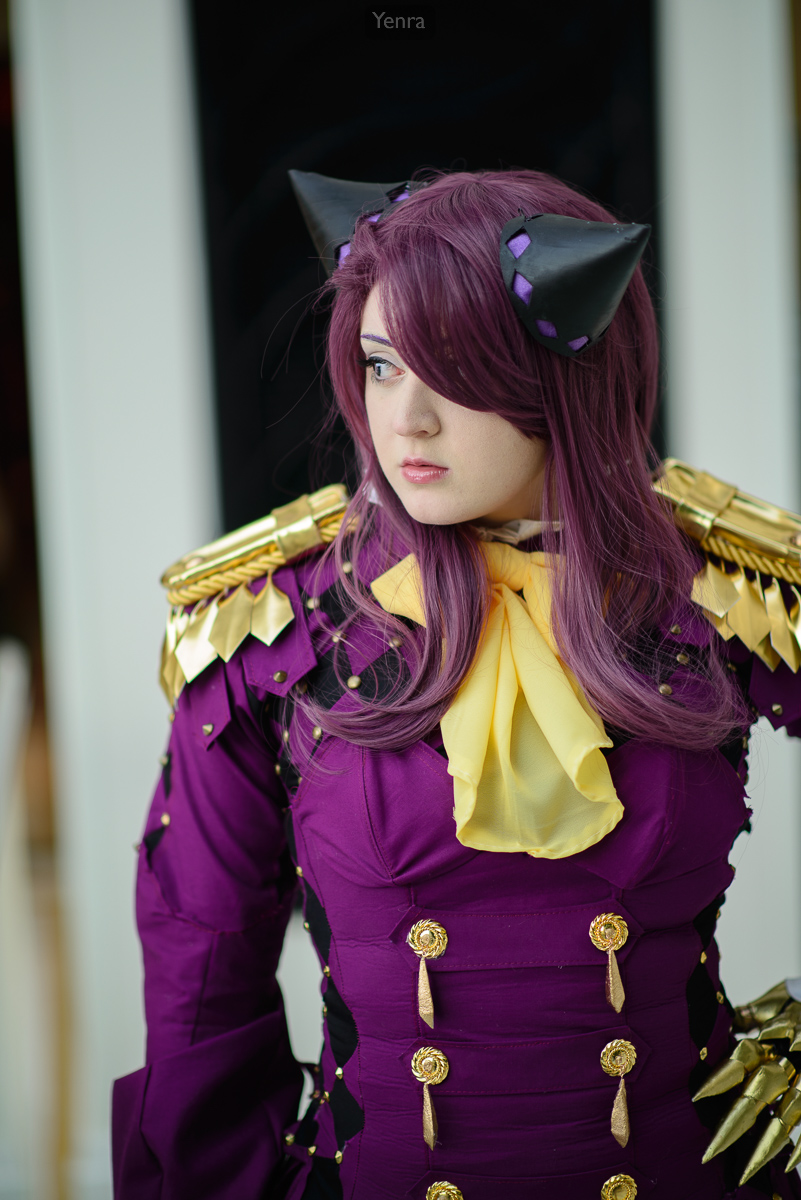
Darklaw from Ace Attorney · Photograph: Yenra
Captured: 2015:01:25 16:06:33
This closer portrait brings the face and sideways gaze into greater attention. Purple hair, gold shoulders, and the yellow scarf connect it visually with the full-length picture. Together, the two views move from the overall figure toward expression.
Try this as selection A. Then consider another companion while leaving the first photograph in place. The comparison is about which pictures belong in the set; the earlier lesson on trying two orders offers a separate way to explore sequence.
In your own photographs, exchange just one companion to begin. Look at what the new member adds and what the earlier member made easier to see. A picture can be valuable even when another one suits the present purpose better.
Write one sentence about each version. Specific words help: closer to the face, more attention to the hands, or more room for the setting. You can keep both versions while deciding what you want this particular collection to offer.
Name both selections and keep the originals
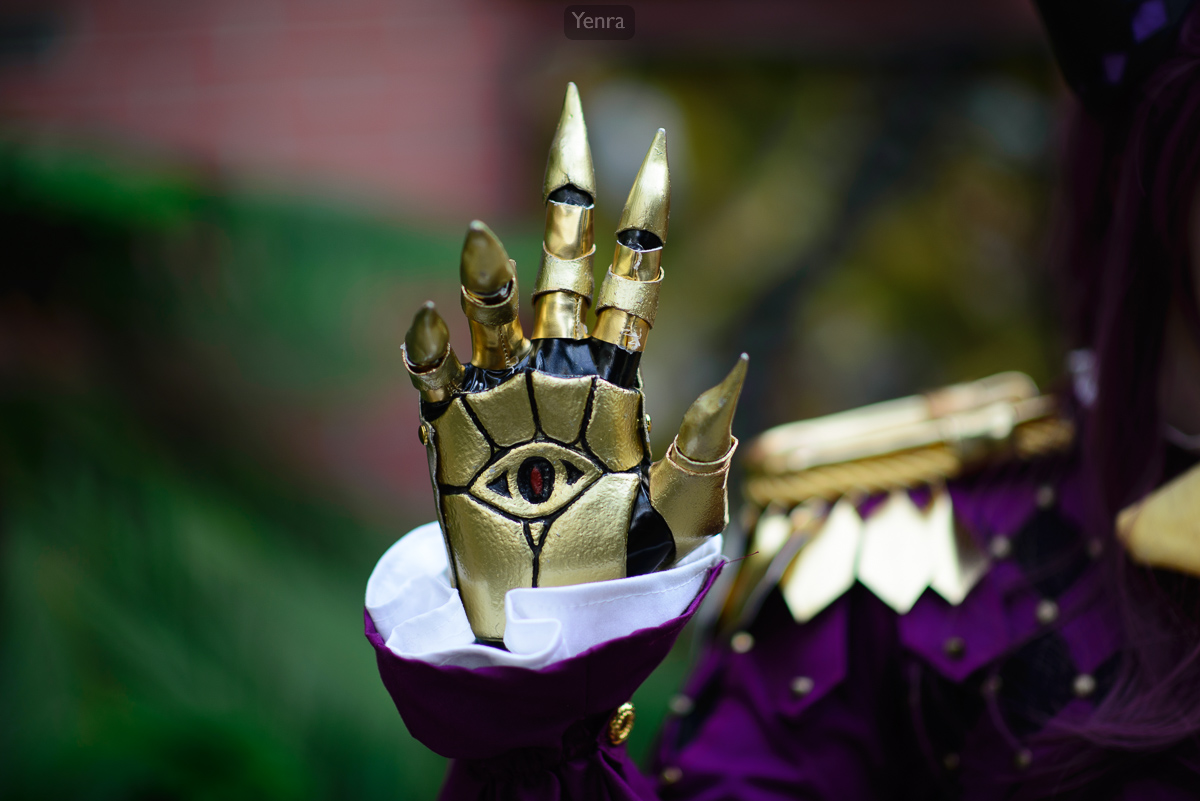
Gold and Purple Glove with Spikes · Photograph: Yenra
Captured: 2015:01:25 16:24:50
The gold glove fills this horizontal detail photograph. Pointed fingers, dark joints, and the eye-shaped palm detail become the main features to explore. Paired with the full-length portrait, it draws the collection toward costume detail.
Save your own selections with a short name, purpose note, and date. Keep them as references to the original photographs so both remain easy to revisit. A notebook page or two simple lists can be enough.
Return after a little time and compare the versions again. Choose one for the present use, or keep both for different occasions. The alternate selection gives you another way to see the same collection, and every original remains available for whatever you discover next.
Look back with curiosity.
- What stays consistent between the two selections?
- What changes when one companion changes?
- Which version suits your present purpose, and what makes the other worth keeping?
Keep exploring
Trying two orders for a photo sequence · Choosing between similar portraits · Learning from a contact sheet
Browse the complete MAGFest 2015 gallery.