Field notes · Look · Try · Compare
Making a portrait with an apron
Let a familiar garment contribute shape, contrast and movement to a portrait.
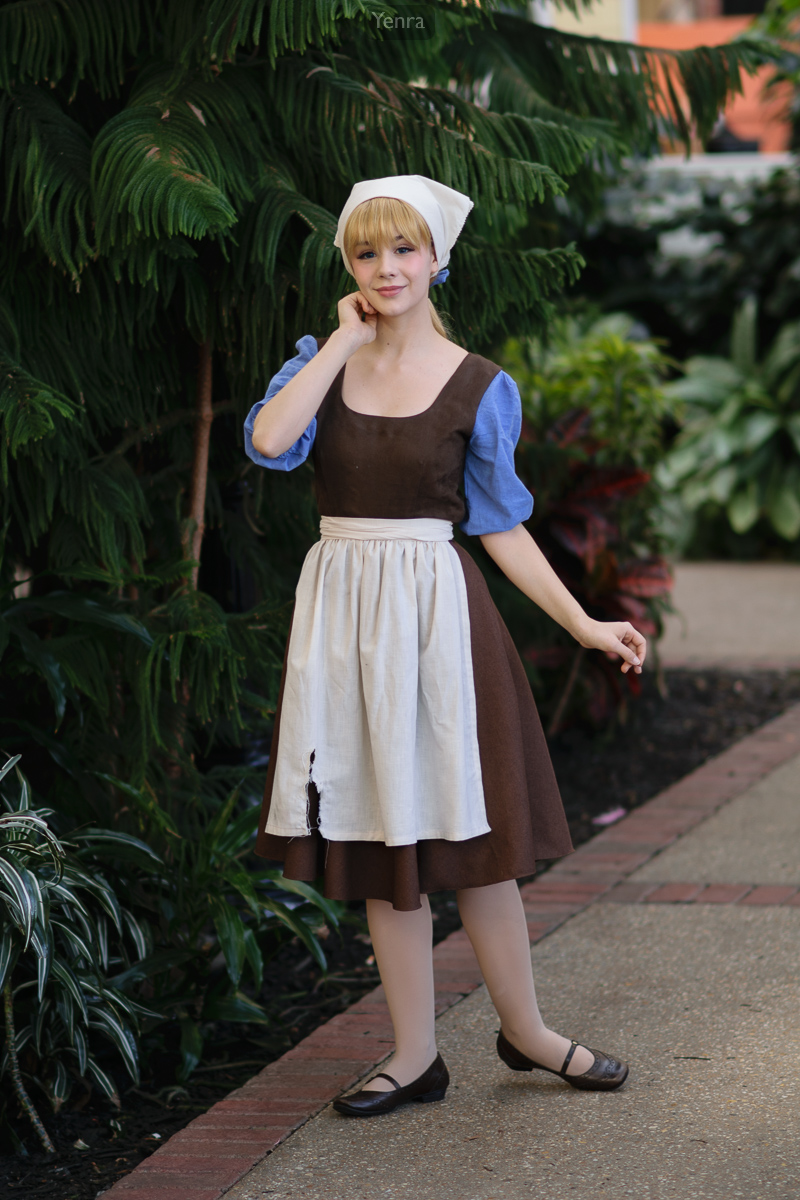
Cinderella, maid, Cinderella · Photograph: Yenra · Credit: Angelipon · Archive tags: Angelipon
Captured: 2016:02:14 15:14:58
An apron can give a portrait a clear shape to explore. Its pale fabric, gathered waist and changing outline may be as useful to notice as a more elaborate accessory. A relaxed front view and a small turn can offer quite different pictures.
These three Katsucon 2016 Sunday photographs credit Angelipon and retain the archive title Cinderella, maid, Cinderella. Look at how the apron belongs with the dress, hands and pose. You can try the idea with a willing partner, choosing variations that feel comfortable to both of you.
Give the apron a clear place in the frame
The front view shows the pale apron against the brown dress. Its gathered top begins at the waist and opens into a broad shape below. One hand rests beside the face; the other holds the skirt, leaving the apron clearly visible.
Follow the bright shape from the waist to the hem, then look back at the face. Notice how the blue sleeves add another area of color around it. The apron contributes to the portrait while the gesture gives the person a distinct presence.
For your own first frame, leave enough space to see the garment and invite a relaxed hand position. Look at the result together and decide which details you would like another pose to reveal.
Try a comfortable turn
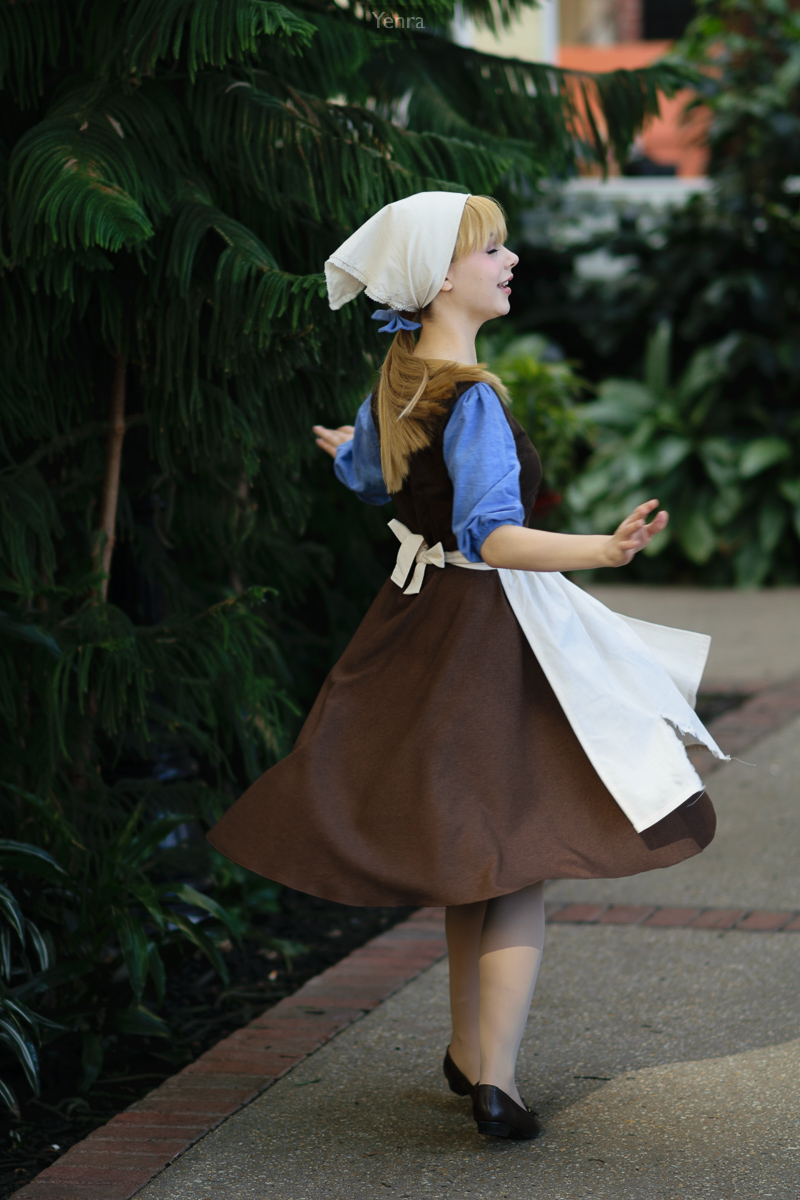
Cinderella, maid, Cinderella · Photograph: Yenra · Credit: Angelipon
Captured: 2016:02:14 15:15:21
The turning view shows the apron projecting to one side and the tied waist behind. Its broad front shape becomes narrower and more angled. The skirt, arms and head all contribute to a different outline.
Compare the pale fabric in this picture with the opening. Notice where it overlaps the darker dress and where its edge meets the background. A change in pose can reveal a part of a garment that was less visible before.
If your partner enjoys the idea, try a small turn with room around the clothing. A gentle change of direction is enough to explore. Pause when you wish, check the photograph together and choose what to try next.
Return to a quiet front view
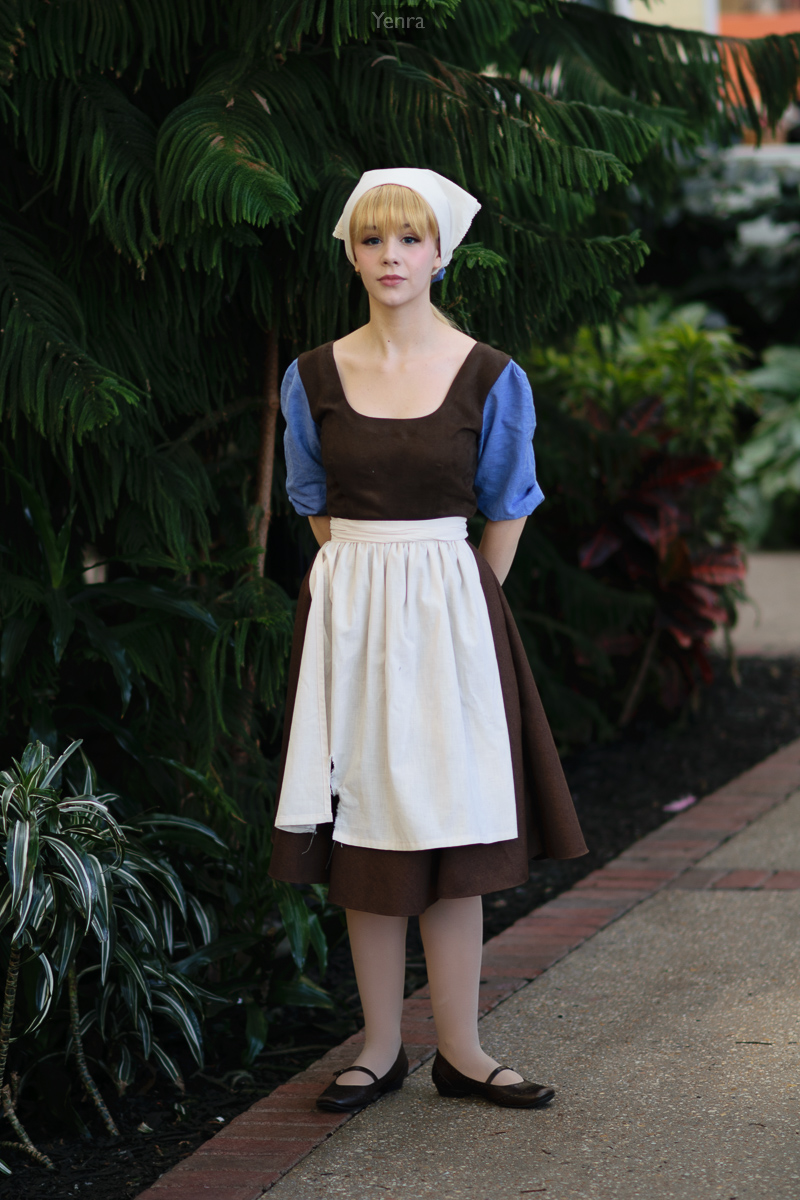
Cinderella, maid, Cinderella · Photograph: Yenra · Credit: Angelipon · Archive tags: Angelipon
Captured: 2016:02:14 15:15:39
The final front-facing portrait lets the apron hang down again, with both hands behind the body. The gathered waist, hem and visible opening in the fabric remain part of the photograph. The quieter pose offers a clear comparison with the turning view.
Look at the differences between the two front views. The hands, expression and stance change the portrait even though the garment stays familiar. You may find one view explains the clothing clearly while another draws you toward a gesture.
Keep the variations that each offer something you value. A note about the apron shape, the space around it or a comfortable pose can help you begin another session with an idea you already understand.
Look back with curiosity.
- How does the pale apron stand out against the dress?
- What becomes visible from the turning view?
- How does the quiet final pose change your attention?
Keep exploring
Seeing clothing as shape · Exploring a turn in a portrait · Noticing fabric folds in a photograph
Browse the complete Katsucon 2016 Sunday gallery. Follow a photograph into its original neighbors and see which pattern, pose or connection catches your attention next.