Field notes · Look · Try · Compare
Noticing patterns around a portrait
Explore the relationship between a portrait and the patterns around it.
A pattern can give a portrait a lively setting. Rows of bricks, repeated railings, or a carpet full of leaves offer shapes to compare with clothing and gesture. Begin by looking at the person, then let your eye move into the surrounding pattern and back again.
Notice the pattern and the person
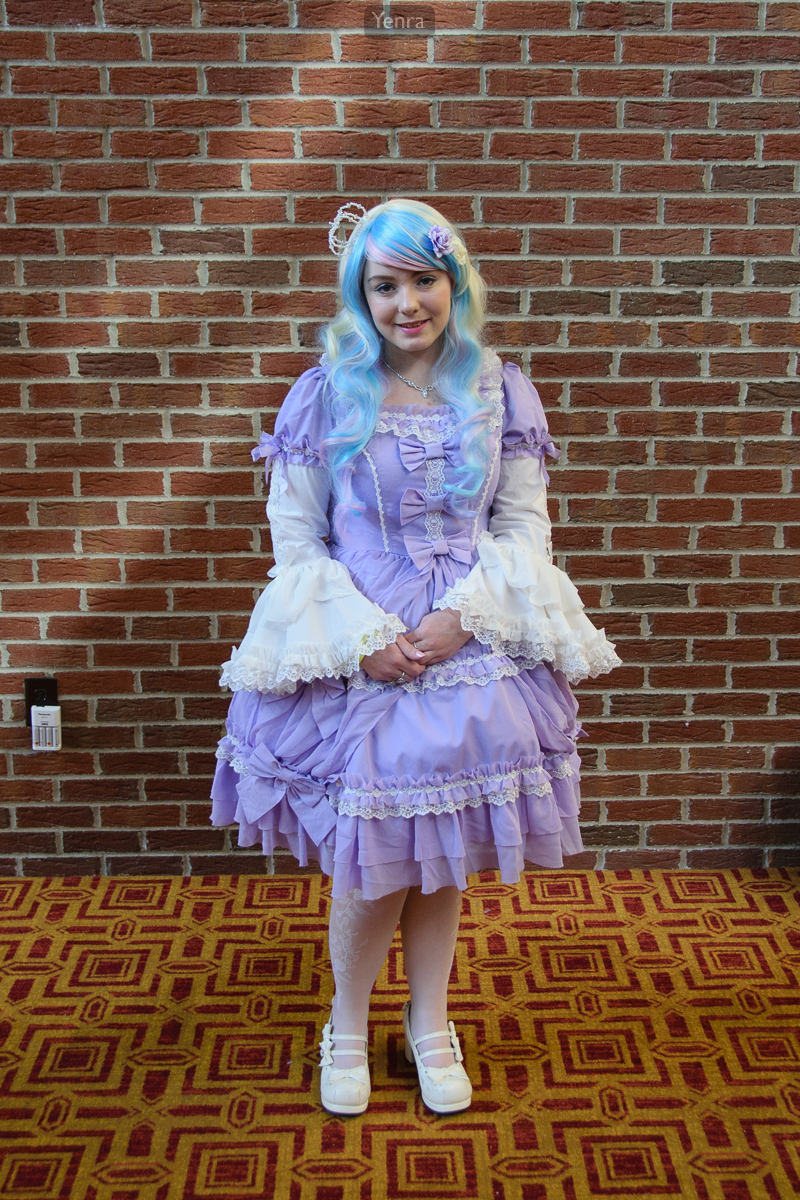
Portrait in purple beside a brick wall · Photograph: Yenra
Captured: 2015:03:28 14:32:17
Rows of red bricks fill most of the background behind this purple dress. Below, the carpet introduces a second pattern of angular shapes. The dress has its own repetitions: bows, lace, and gathered fabric. Look at the different sizes of these details, then notice the broader shape of the person among them.
The light purple clothing and blue hair make a different group of colors from the warm wall and floor. That difference gives your eye something to follow even where the picture contains many small shapes. A patterned setting can be part of what makes a portrait interesting.
Compare the sizes of repeated shapes
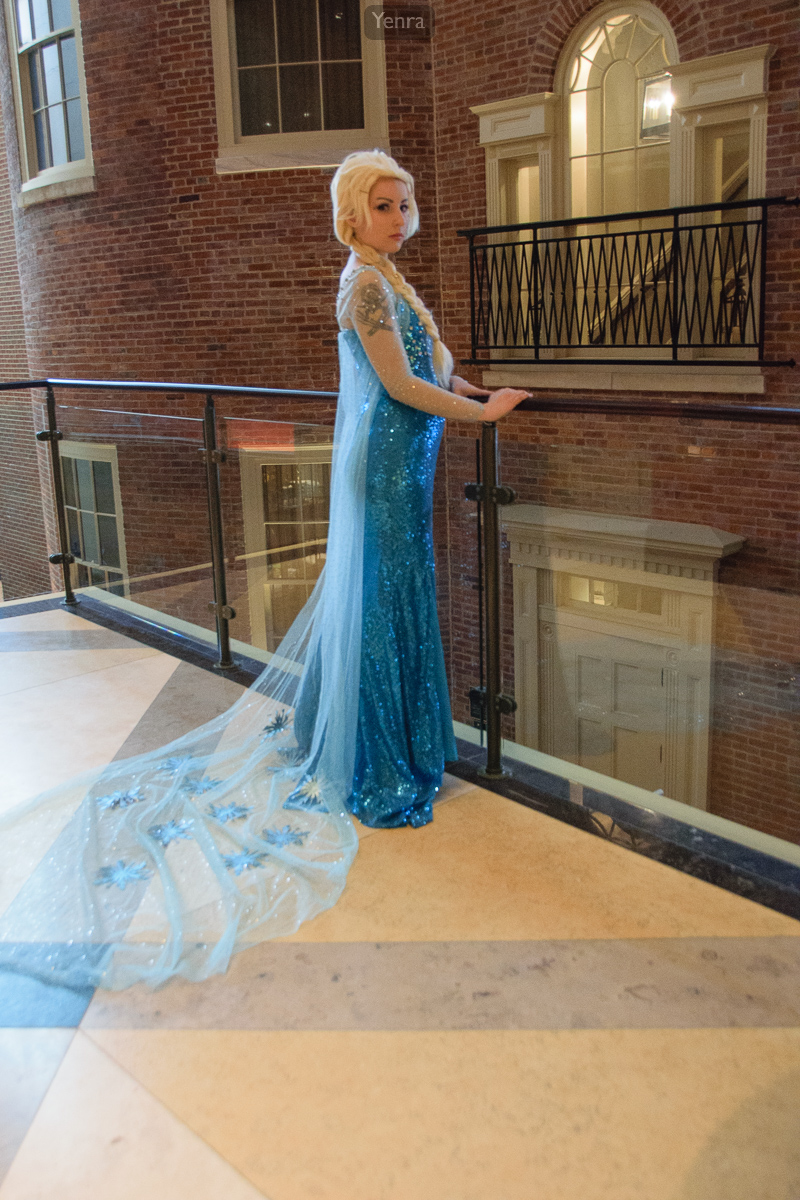
Elsa, Frozen · Photograph: Yenra
Captured: 2015:03:28 09:09:58
In this Elsa portrait, small bricks sit within a larger arrangement of windows and doors. A dark railing repeats narrow diagonal shapes behind the blue dress. The glass railing in front adds another set of divisions. Follow one kind of repetition at a time and see how it meets the figure.
When making your own portrait, a small move can change where a railing or window division appears beside the face and shoulders. You can also include more or less of the surroundings. Try a variation because it interests you, then compare what each view brings to the portrait.
Let a busy background contribute

Ariel, The Little Mermaid · Photograph: Yenra
Captured: 2015:03:28 19:36:50
Here the red-and-gold leaf pattern spreads across the whole background. The green mermaid tail makes a broad contrasting shape, while red hair joins some of the carpet’s colors. The extended arm and curved tail give you paths through the smaller repeated leaves.
A background does not have to be plain to support a portrait. You might enjoy a contrast in color, an echo of shape, or the energy of several patterns together. Try the same kind of observation with a cup beside patterned fabric or a willing portrait partner near a brick wall. Vary how much pattern you include and keep the relationship you enjoy.
Look back with curiosity.
- Which repeated shape draws your eye first?
- How do the pattern size and subject shape work together?
- What changes when the pattern occupies more or less of the frame?
Keep exploring
Finding rhythm in repeated shapes · Noticing texture in a photograph · Choosing a portrait background · Seeing clothing as shape
Browse the complete Zenkaikon 2015 gallery.